Introduction
Your evening skincare routine can help maintain a balanced, fresh complexion. While morning routines focus on defending your skin against daytime environmental elements, nighttime is a practical time to focus on hydration, targeted cosmetic ingredients, and the skin surface.
Following a consistent nightly skincare routine order can help you layer products in a practical sequence. Layering formulas haphazardly can lead to product pilling or unwanted irritation. Applying products in sequence, from lightest texture to heaviest, may help you apply each step evenly. Learn more about layering in our guide to how to layer multiple serums.
At Timeless Skin Care, we focus on straightforward ingredients and proper application habits. Veronica Pedersen founded our company in 2009 to make quality formulations accessible for everyday routines. This guide breaks down evening product sequencing, details how to structure each step, and helps you build an evening regimen suited to your individual goals with our skincare quiz.
Quick Answer: A nightly skincare routine generally follows a simple sequence from thinnest to thickest: double cleanse, apply toner, layer water-based serums, apply targeted creams or eye treatments, and finish with a moisturizer or facial oil to help reduce moisture loss.
The Core Principles of Nighttime Layering
Applying skincare in a consistent order can make a routine easier to follow. The sequence is influenced by the physical properties of cosmetic formulations, including molecular weight, viscosity, and vehicle type, such as water-based or oil-based formulas.
To structure your evening routine, keep these foundational rules in mind:
1. Thinnest to Thickest Viscosity
Skincare products are generally applied starting with the lightest, most watery consistency and finishing with the densest, most viscous formula. Water-based liquids, such as toners and light serums, are commonly used before richer creams or oils. Applying a rich cream or oil first may make it harder to layer lighter, water-based formulas evenly.
2. Water Before Oil
Water and oil do not naturally mix. Water-soluble formulas generally go onto clean skin before oil-soluble treatments. Applying a water-based peptide serum over a rich botanical face oil may cause the serum to bead on the surface.
3. pH Sensitivity and Resting Time
Certain active ingredients function best within specific pH ranges. When using multiple treatments, you do not need long waiting periods between every step. Allowing each layer roughly thirty to sixty seconds to settle can help prevent pilling and support even application across the face.
| Step Phase | Primary Function | Formulation Examples |
|---|---|---|
| Phase 1: Prep | Cleanses impurities, balances surface pH, removes sunscreen and makeup | Cleansing oils, gel cleansers, hydrating toners |
| Phase 2: Treat | Delivers targeted ingredients to address visible concerns | Water-based serums, peptide complexes, specialty treatments |
| Phase 3: Seal | Supports the surface barrier and helps reduce transepidermal water loss | Emulsions, night creams, squalane or plant-based oils |


Step-by-Step Nightly Skincare Routine Order
Building an effective evening routine does not require a dozen steps. A thoughtful, four- to six-step regimen can be enough for many routines. Follow this structured sequence to organize your products.
Step 1: Makeup Removal and First Cleanse
The evening begins with removing the buildup of the day. Airborne pollutants, excess sebum, long-wear makeup, and mineral sunscreen can accumulate on the skin surface over several hours.
For those who wear makeup or water-resistant sunscreen, an oil-based cleanser, cleansing balm, or micellar water can serve as a first step. Oil-based cleansers help loosen lipophilic residues without tugging at the skin. Apply your oil cleanser to dry skin, massage gently across the face, emulsify with warm water, and rinse thoroughly.
Step 2: Water-Based Cleanse
A gentle, water-based cleanser completes the cleansing process. This second wash removes sweat, surface dirt, and any remaining traces of the first cleanser.
Look for a pH-balanced cleanser that cleanses without stripping the skin of essential lipids. Avoid harsh soaps that leave your face feeling tight or squeaky. Gently pat your face with a clean cotton towel, leaving the skin slightly damp if you plan to follow immediately with humectants.
Step 3: Toner or Hydrating Mist
Toners are optional, but they can be useful after cleansing. Modern toners may add an initial layer of hydration or provide gentle surface exfoliation.
- Hydrating toners: Formulated with humectants to prepare the skin surface for subsequent serums.
- Exfoliating toners: Contain mild alpha or beta hydroxy acids to smooth rough texture. If using an exfoliating toner, limit use to two or three evenings per week to avoid over-exfoliation.
Step 4: Water-Based Serums and Active Treatments
This phase is the core of your treatment routine. Serums contain concentrated cosmetic ingredients designed to address visible concerns, including dullness, dehydration, and visible loss of firmness.
The hydration line includes Hyaluronic Acid 100% Pure.
Apply serums directly to clean skin. If you use multiple serums, apply the lightest fluid first.
- Hydrating serums: Hyaluronic acid helps support hydration in the upper layers of the epidermis. Apply these to slightly damp skin.
- Peptide serums: Peptides may help support the appearance of firmness. They can fit into evening regimens under thicker treatments.
- Antioxidant serums: Antioxidant serums can be included in an evening routine after daily environmental exposure. Browse antioxidant serums.
Step 5: Eye Creams and Targeted Emulsions
Options in our eye care category include the Dark Circle Peptide Complex Eye Cream.
The skin surrounding the orbital bone is thinner than the rest of the face and may show fine lines and dehydration early. A dedicated eye cream can help smooth the look of this delicate zone.
Gently tap a small amount of eye cream around the orbital bone using your ring finger, which naturally applies light pressure. Avoid applying heavy creams directly onto the upper eyelids unless the product label explicitly states it is formulated for that use.
Step 6: Moisturizer and Night Cream
Moisturizers contain a blend of humectants, emollients, and occlusives. A moisturizer helps reduce transepidermal water loss (TEWL). TEWL is the water that evaporates from the skin's surface during sleep.
Choose a texture that aligns with your skin type:
- Oily or combination skin: Lightweight gel creams or fluid lotions that provide hydration without feeling greasy.
- Normal skin: Classic cream formulations with balanced emollient content.
- Dry skin: Richer, lipid-replenishing creams containing ceramides or fatty acids to support the skin barrier.
Smooth the moisturizer evenly across your face and neck using upward motions.
Step 7: Face Oils, Optional
If your skin is particularly dry or exposed to dry, cold indoor air, a face oil can serve as the final step in your routine. Facial oils act as occlusives, sitting on top of your moisturizer to help reduce moisture loss through the night. Squalane, jojoba, and rosehip oil are common choices. Dispense two to three drops into your palms, warm them together, and press gently over your moisturizer.
Key Takeaway: A common layering order is cleanser, toner, water-based serums, eye cream, moisturizer, and facial oil.
Selecting the Right Active Ingredients for Night Use
Evening is a practical time to incorporate functional cosmetic ingredients that support the appearance of the skin surface. Below are common ingredient categories and how they fit into a nighttime regimen.
Humectants: Hyaluronic Acid
Hyaluronic acid is a humectant. It helps attract, bind, and retain water in the outer layers of the skin. It helps support hydration in the upper layers of the epidermis and helps improve the appearance of dehydration lines.
Sodium hyaluronate is the sodium salt of hyaluronic acid. Hyaluronic acid is a humectant, not a moisturizer. Follow it with a moisturizer as part of your routine.
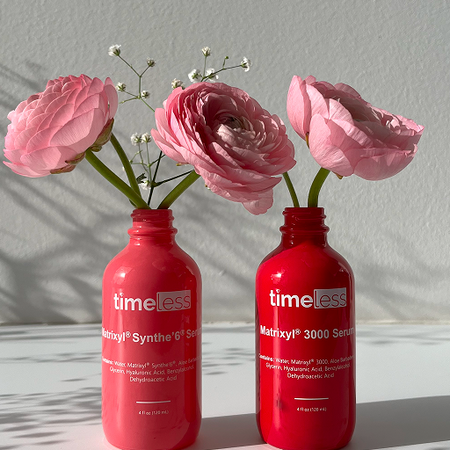
Peptides: Matrixyl 3000 and Synthe'6
Our peptide category includes Matrixyl 3000 Serum.
Peptides may help support the appearance of firmness. Matrixyl 3000 and Synthe'6 can fit into an evening routine with hydrating serums and richer creams.
Antioxidants: CoQ10
Coenzyme Q10 (ubiquinone) is a lipid-soluble antioxidant naturally found in skin. CoQ10 provides antioxidant support as the skin's natural CoQ10 levels decline with age. CoQ10 helps improve the appearance of fine lines and supports firmer-looking skin.
CoQ10 is generally used once daily. If you choose to use it at night, apply it before heavier creams. If you have vitiligo, check with your dermatologist before using a CoQ10 product. Do not apply CoQ10 formulations directly under the eyes.
Barrier Support: Vitamin B5
Vitamin B5, also known as calcium pantothenate in the supplied formulation, supports the skin barrier and helps the skin retain moisture. Vitamin B5 helps the skin feel more comfortable. It can be layered beneath night creams.
Customizing Your Night Routine by Skin Concern
Your nightly routine order can adjust depending on your primary skin goals and seasonal factors.
Routine for Dehydrated or Dry Skin
Dry skin lacks natural lipids, while dehydrated skin lacks water content in the upper layers of the epidermis. This routine focuses on layered hydration and emollient-rich formulas.
- Cleanse thoroughly with a nourishing, non-foaming cream or oil cleanser.
- Apply a generous layer of hydrating toner to damp skin.
- Apply a hyaluronic acid serum. Hyaluronic acid helps attract, bind, and retain water in the outer layers of the skin.
- Layer a peptide serum that may help support the appearance of firmness.
- Apply a rich night cream to help reduce transepidermal water loss (TEWL), the water that evaporates from the skin's surface.
- Optional: Press two drops of squalane oil over the cheeks and dry areas.
Routine for Oily and Congested Skin
Oily skin produces excess sebum, which can contribute to enlarged-looking pores and congestion. The goal is to balance surface oils without stripping the skin barrier.
- Perform a thorough double cleanse to remove sunscreen and excess sebum.
- Use a clarifying toner containing salicylic acid two or three evenings per week.
- Apply a lightweight, water-based serum containing ingredients that support the skin barrier and help the skin retain moisture.
- Finish with an oil-free, lightweight gel-cream moisturizer.
Routine for Maturing Skin
For skin showing visible signs of aging, such as fine expression lines, rough texture, or decreased elasticity, routines can include antioxidant support and peptides.
- Cleanse with a mild, hydrating facial wash.
- Apply a gentle peptide serum that may help support the appearance of firmness, or an antioxidant serum that helps defend against oxidative stress caused by environmental factors such as UV exposure and pollution.
- Apply a targeted eye cream to smooth the look of the eye contour.
- Follow with a peptide moisturizer that may help support the appearance of firmness.
| Concern | Recommended Focus | Key Step |
|---|---|---|
| Dehydration | Hydration in the outer layers | Humectant serums applied to damp skin |
| Visible Fine Lines | Appearance-level firmness and fine-line care | Peptide complexes and CoQ10 formulations |
| Oiliness | Gentle surface cleansing and light hydration | Gel cleansers and oil-free fluid moisturizers |
| Rough Texture | Gentle surface renewal and barrier comfort | Mild exfoliating liquids with Vitamin B5 |
Common Night Routine Mistakes and Realistic Expectations
Even with effective products, poor application habits can hinder your routine. Avoiding a few common mistakes can help you build a regimen that supports your skin without unnecessary steps.
Mistake 1: Over-Complicating the Routine
Layering ten different serums every night can lead to irritation, pilling, and ingredient conflict. When too many active treatments are combined at once, it becomes difficult to identify what is helping and what might be causing sensitivity. Keep your evening regimen focused on two to three targeted treatments at most.
Mistake 2: Applying Serums to Completely Dry Skin
Hyaluronic acid helps attract, bind, and retain water in the outer layers of the skin. Leaving your skin slightly damp after cleansing or applying a hydrating mist can support hydration in the upper layers of the epidermis.
Mistake 3: Skipping Sunscreen the Following Morning
Evening routines can include active ingredients or exfoliants. Apply a broad-spectrum sunscreen with SPF 30 or higher every morning to support protection against daytime environmental exposure.
Setting Realistic Cosmetic Expectations
Skincare is an ongoing commitment rather than an instant transformation. Consistent use may be needed before visible cosmetic changes become apparent.
Individual reactions to skincare ingredients vary based on genetics, climate, lifestyle, and other factors. If you have a known sensitivity, a diagnosed skin condition, or severe persistent concerns, consult your dermatologist for personalized medical advice. Approaching your routine with patience and consistency can support steady progress.
Bottom line: Keep your evening sequence intentional, give your skin time to adapt to new ingredients, and always follow with daily broad-spectrum sun protection the next morning.
Frequently Asked Questions
Can I use the same moisturizer for both morning and night?
Yes, a basic hydrating moisturizer can be used during both morning and evening routines. However, your daytime moisturizer must be paired with or followed by a broad-spectrum sunscreen. Nighttime moisturizers are often richer in emollients and lack sunscreen filters, making them suited to help reduce moisture loss while you rest.
How long should I wait between each step in my nightly routine?
You do not need to wait several minutes between every product. For water-based serums and toners, allowing thirty to sixty seconds for the product to settle before applying the next layer may be sufficient. If you are applying a stronger treatment, allowing it to dry down fully can help minimize the potential for surface irritation.
Should I apply my eye cream before or after my facial moisturizer?
Applying eye cream before your facial moisturizer is generally recommended. Because eye creams are formulated for the thinner skin around the eyes, applying them first places them directly on the clean orbital area. If you apply a thick facial cream first, it may make the eye treatment harder to apply evenly.
What should I do if my products start pilling during application?
Pilling occurs when products sit on top of each other and roll into small flakes instead of applying evenly. This can be caused by applying products too quickly, layering silicone-heavy formulas over water-based treatments without enough drying time, or using too much product at once. To prevent pilling, reduce the amount of product used, apply from thinnest to thickest consistency, and pat formulas gently into the skin instead of rubbing vigorously.