Introduction
Building an effective skincare routine involves more than selecting quality formulas. The sequence in which you apply each step helps organize your routine. If you apply a rich face oil before a water-based active, for example, layering can become less straightforward.
Understanding the proper skincare regimen order can help you organize your morning and evening steps and avoid unnecessary irritation. Here is a practical guide to structuring your routine using simple layering principles, along with our skincare quiz for additional routine guidance.
Quick Answer: Apply your products from thinnest consistency to thickest. Cleanse first, follow with watery treatments and serums, then apply moisturizers or creams, and always finish with a broad-spectrum sunscreen in the morning.
The Core Principles of Product Layering
To determine the placement of any product in your lineup, rely on three foundational rules of texture, chemistry, and function.
1. Thin to Thick Consistency
Lightweight liquids are generally applied before dense lotions, rich creams, and balms. Applying a lightweight liquid after a heavy emollient can make layering less straightforward.
2. Water-Based Before Oil-Based
Water-soluble formulas are generally applied before oily treatments. This order keeps water-based products earlier in the routine. For ingredient definitions, visit our ingredient glossary.
3. Protection Always Finishes the Morning Routine
Apply sunscreen last so its protective film is less likely to be disturbed by later products.
| Product Phase | Texture Type | Primary Purpose | Timing |
|---|---|---|---|
| Preparation | Liquid / Gel | Cleanses surface buildup and balances pH | Morning & Night |
| Treatment | Water-based Fluid / Serum | Delivers concentrated functional ingredients | Morning & Night |
| Hydration & Seal | Emulsion / Cream / Oil | Helps reduce transepidermal water loss (TEWL) | Morning & Night |
| Shield | Lotion / Cream | Defends against UV exposure | Morning Only |


Step-by-Step Morning Skincare Regimen Order
Your morning routine focuses primarily on hydration and environmental defense. During the day, skin encounters ultraviolet radiation, particulate matter, and fluctuating temperatures.
- Cleanser: Wash away sweat, sebum, and nighttime skincare residues. A gentle, sulfate-free foaming or gel cleanser prepares the surface without stripping essential lipids.
- Hydrating Toner or Mist (Optional): A gentle, alcohol-free mist dampens the face and prepares the skin to receive humectants.
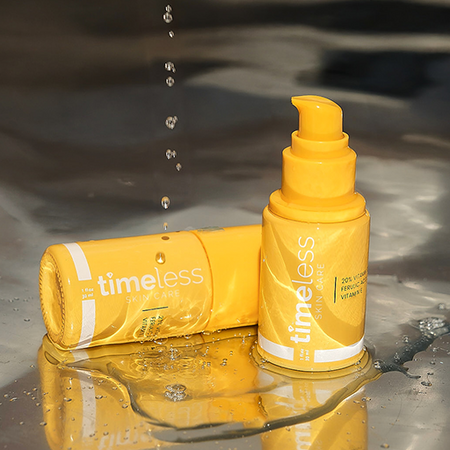
- Antioxidant Serum: Morning use is the most common recommendation, not the only option. Water-soluble L-ascorbic acid helps brighten the look of dullness and uneven tone. It also helps defend against oxidative stress caused by environmental factors such as UV exposure and pollution. The 20% Vitamin C + E Ferulic Acid Serum is a vitamin C serum.
- Hydrating Humectant Serum: Formulas containing sodium hyaluronate can be applied over thin antioxidants. Hyaluronic acid helps attract, bind, and retain water in the outer layers of the skin. Hyaluronic acid helps improve the appearance of dehydration lines.
- Eye Cream (Optional): Gently pat a pea-sized amount along the orbital bone using your ring finger before heavier face lotions. Explore our eye creams.
- Moisturizer: Choose a lightweight lotion or gel cream. This step helps reduce moisture loss throughout the day.
- Broad-Spectrum Sunscreen: Apply a broad-spectrum sunscreen liberally to the entire face, neck, and ears as your final skincare step.
Step-by-Step Evening Skincare Regimen Order
Nighttime allows your routine to focus on replenishing moisture, addressing texture, and clearing away pollutants accumulated during daytime hours.
- First Cleanse (Makeup / Sunscreen Removal): An oil-based cleanser or micellar water dissolves stubborn long-wear makeup and lipid-soluble sunscreens.
- Second Cleanse: A water-based wash thoroughly rinses away lingering debris, sweat, and cleansing residue.
- Chemical Exfoliant (1–3 Nights Weekly): Alpha hydroxy acids (AHAs) or beta hydroxy acids (BHAs) help clear away dead surface cells. Use these on alternating evenings from other strong actives to avoid over-exfoliation.
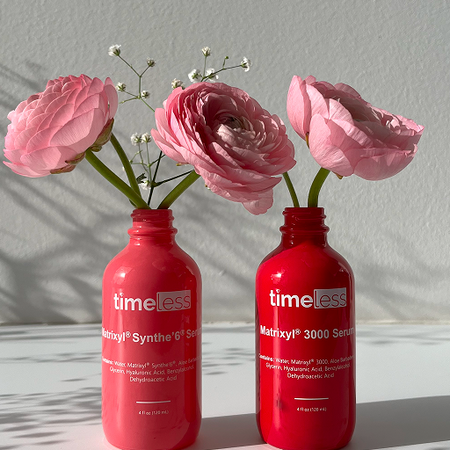
- Active Treatment or Peptide Serum: Apply peptide-based fluids directly to clean skin. Peptides may help support the appearance of firmness. The Matrixyl® 3000 Serum is a peptide serum.
- Barrier and Comfort Serum: Vitamin B5 supports the skin barrier and helps the skin retain moisture. Vitamin B5 helps the skin feel more comfortable after exposure to harsh weather.
- Night Moisturizer: A richer emollient cream helps reduce transepidermal water loss (TEWL), the water that evaporates from the skin's surface during sleep.
- Facial Oil (Optional): If your skin is prone to dryness, press one to two drops of squalane or plant oil over your moisturizer to finish your routine.
Key Takeaway: You may not need an elaborate routine every day. A gentle cleanser, a targeted serum, a simple moisturizer, and a daily broad-spectrum sunscreen can form a complete foundation.
How to Layer Multiple Serums Effectively
Many routines feature more than one targeted treatment. Layering multiple serums successfully requires attention to pH, viscosity, and ingredient interactions.
Assess Formulation Weights
When combining two water-based solutions, apply the one with the runniest, most watery consistency first. Allow the first liquid to feel mostly absorbed before applying a thicker or gel-like serum.
Balance Ingredient Goals
Some ingredients can be used in the same routine, while others work best when separated between morning and night.
- Antioxidants + Humectants: Water-soluble vitamin C and hyaluronic acid can be used in the same morning routine.
- Peptides + Barrier Support: Peptides and vitamin B5 can be used in the same evening routine.
- Exfoliating Acids vs. Strong Actives: Stacking strong direct acids with retinoids or L-ascorbic acid in a single session can overwhelm the skin. Separate them by using acids at night and vitamin C in the morning.
Note: Individual skin tolerance varies significantly. Anyone managing a diagnosed skin condition or known sensitivity should check with their dermatologist before introducing potent active combinations. If you have vitiligo, check with your dermatologist before using a CoQ10 product.
Managing Expectations and Understanding Timelines
Skincare requires patience, consistency, and realistic expectations. Visible cosmetic changes do not happen overnight, and product performance depends on individual biology, formulation quality, stability, and proper storage.
Surface hydration and the appearance of dehydration lines may be among the earlier cosmetic changes, while changes in uneven tone, firmness, or fine lines can take longer.
Cosmetic results are gradual and vary from person to person. Following the application order and using daily sunscreen can support a consistent routine.
Frequently Asked Questions
How long should I wait between skincare steps?
Most steps do not require long waiting periods. You can apply hydrating toners, serums, and moisturizers in smooth succession as soon as the previous layer feels mostly absorbed. The exception is your broad-spectrum sunscreen: let your daily moisturizer settle before applying sunscreen so the protective layer forms evenly over your skin.
What should I do if my products begin pilling?
Pilling occurs when product layers fail to absorb and ball up on the surface. This commonly happens when a silicone-heavy formula is layered under a water-based product, or when too much product is applied at once. To prevent pilling, apply lighter liquids first, use smaller amounts, and gently pat layers into the skin rather than rubbing aggressively.
Can I use the same moisturizer for both morning and evening?
Yes, a straightforward, fragrance-free moisturizer can serve both morning and evening routines. Some people prefer a lightweight gel under sunscreen during the day and a slightly richer cream at night to help reduce moisture loss while sleeping, but one formula may be used twice daily.
Where does a facial oil go in my skincare regimen order?
Facial oils generally sit over the skin. They are generally applied after lightweight water serums and either directly before or mixed into your final evening moisturizer. If your oil is particularly heavy, it can be the last step of your nighttime routine.