Introduction
Building an evening regimen requires more than collecting effective ingredients. A consistent night skincare order helps organize each step, placing lighter products before richer creams.
During the daytime, your routine centers on shielding against daily environmental stressors. In the evening, the focus shifts toward thorough cleansing, targeted hydration, and barrier maintenance. Applying products in an inconsistent sequence can also contribute to pilling. For additional layering guidance, see how to layer multiple serums.
Quick Answer: The typical night skincare order follows a thinnest-to-thickest rule: double cleanse, apply toner or liquid exfoliants, layer lightweight water-based serums, tap on eye cream, and finish with a moisturizer.
Cosmetic routines work best with consistent use. Individual results vary depending on skin type, climate, and product compatibility. Maintaining a consistent nightly routine provides steady support over time.
Why Evening Skincare Application Order Matters
The fundamental rule of skincare layering is straightforward: apply products from the thinnest consistency to the thickest. Start with cleansing, then apply lighter products before richer ones.
If you apply a thick moisturizing cream before a lightweight serum, the routine may feel less comfortable and contribute to product pilling. Texture guides the order. Once light layers settle, denser emollients and occlusive products can follow.


Step 1: Cleansing and Makeup Removal
Cleansing serves as the foundation of any nighttime regimen. Throughout the day, sunscreen, makeup, sebum, and airborne particulates gather on the surface. A simple splash of water or a quick wash may not fully remove oil-based residues.
The Double Cleanse Method
A two-step cleansing process provides a clean starting point for the rest of the routine:
- First Cleanse: Apply an oil-based cleanser, cleansing balm, or micellar water to dry skin. Gently massage the formula across the face to break down makeup, excess sebum, and water-resistant sunscreen filters. Emulsify with warm water and rinse thoroughly.
- Second Cleanse: Follow immediately with a gentle, water-based gel or cream cleanser. Work the lather across damp skin to wash away sweat, water-soluble debris, and any remaining oil residue.
Avoid using hot water during this step, as excessive heat can strip natural surface lipids and lead to tightness. Pat the skin gently with a clean towel, leaving the surface slightly damp for subsequent treatments.
Step 2: Toners, Essences, and Chemical Exfoliants
Once the skin is clean, liquid preparations can refresh the surface and prepare it for targeted treatments.
Hydrating Toners and Essences
Hydrating toners deliver water to the skin's surface. Look for formulas with humectants that refresh the skin after cleansing. You can pat these liquids directly onto the face using clean hands or swipe them gently with a cotton pad.
Exfoliating Liquids
If your routine includes chemical exfoliants like alpha hydroxy acids (AHAs) or beta hydroxy acids (BHAs), apply them directly after cleansing on dry skin. These liquid acids remove dead surface skin cells and can help brighten the look of dullness and uneven tone.
Limit exfoliating acids to two or three evenings per week. Overusing exfoliating products can compromise the skin barrier and cause visible redness or flaking.
| Product Type | Primary Function | Ideal Application Frequency |
|---|---|---|
| Hydrating Toner | Delivers surface hydration | Every evening |
| Liquid Exfoliant (AHA/BHA) | Removes dead surface cell buildup | 2 to 3 nights weekly |
| Hydrating Essence | Refreshes skin after cleansing | Every evening |
Step 3: Targeted Water-Based Serums
Serums contain concentrated active ingredients designed to address specific cosmetic concerns such as dehydration, loss of firmness, or uneven skin texture. Because many serums are lightweight, they are generally applied after cleansing and before moisturizer.
If you layer multiple serums, apply the thinnest liquid first and allow it thirty to sixty seconds to settle before applying the next.
Note: Do not layer multiple high-strength exfoliating acids or retinoids in the same evening. Alternating active ingredients across different nights can help limit unnecessary surface irritation.
Hydrating Serums
Hydration can be a useful step in many evening routines. Hyaluronic acid is a humectant. It helps attract, bind, and retain water in the outer layers of the skin. It helps support hydration in the upper layers of the epidermis. It helps improve the appearance of dehydration lines. Timeless Skin Care offers Hyaluronic Acid 100% Pure as a hyaluronic acid serum.
Barrier Support Serums
Vitamin B5 supports the skin barrier and helps the skin retain moisture. It helps the skin feel more comfortable. Timeless Skin Care offers a Vitamin B5 Serum.
Peptide Formulations
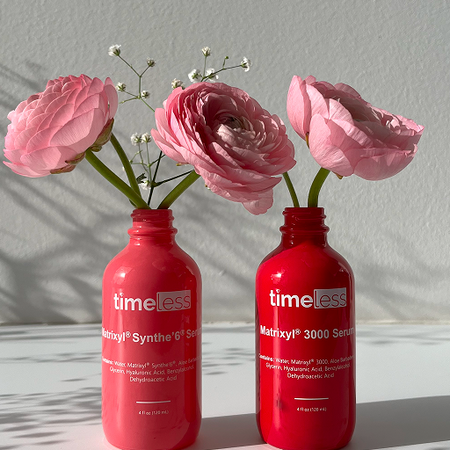
Peptides may help support the appearance of firmness. The Matrixyl® 3000 Serum is one serum option in the peptide category.
Step 4: Eye Creams and Targeted Treatments
The skin surrounding the orbital eye area is notably thinner than the rest of the face. As a result, this delicate zone often shows early signs of fatigue, fine lines, and puffiness.
Applying Eye Treatments
Apply eye products before heavy facial moisturizers as part of the layering order:
- Dispense a pea-sized amount of product onto your ring finger.
- Gently tap the cream along the orbital bone, moving from the inner corner outward toward the temple.
- Avoid pulling, rubbing, or applying product too close to the lash line.
In the eye care category, Dark Circle Peptide Complex Eye Cream is an eye cream.
Step 5: Moisturizers, Creams, and Night Balms
A nightly moisturizer can be a useful step in an evening routine. While serums provide targeted cosmetic support, moisturizers are generally applied afterward.
A quality evening cream helps reduce transepidermal water loss (TEWL). It also helps reduce moisture loss while you sleep.
Choosing the Right Night Texture
- Oily Skin: Choose a lightweight, oil-free gel-cream with humectants and light emollients.
- Normal or Combination Skin: Opt for a balanced lotion containing ceramides and light plant oils.
- Dry or Mature Skin: Select a richer, lipid-dense night cream formulated with shea butter, squalane, or fatty acids.
Key Takeaway: A moisturizer helps reduce transepidermal water loss (TEWL) and helps reduce moisture loss overnight.
Step 6: Facial Oils (Optional Final Step)
Facial oils are optional and may suit very dry or mature skin types.
Because oils are richer than water-based products, they are generally applied after them. To apply, warm two to three drops of face oil between your palms and gently press the oil over your moisturizer as the final step of your night skincare order.
Customizing Your Night Routine by Skin Concern
Every individual has distinct skin needs. Adjusting your evening routine allows you to target specific concerns while keeping your skin barrier intact.
Timeless Skin Care was founded in 2009 by Veronica Pedersen, focusing on clean, effective formulations made in the USA in small batches. Creating an intentional routine using targeted formulations allows you to tailor your regimen to your personal goals.
If you have vitiligo, check with your dermatologist before using a CoQ10 product. Ubiquinone provides antioxidant support as the skin's natural CoQ10 levels decline with age. It supports firmer-looking skin. For related information, see CoQ10 product.
Night Routine Sequences
Routine for Dehydrated Skin
- Gentle cream cleanser
- Hydrating toner
- Hyaluronic acid serum
- Vitamin B5 serum
- Rich barrier-support moisturizer
Routine for Aging Concerns
- Double cleanse with a balm cleanser followed by a gentle foaming wash
- Firming peptide serum
- Dedicated peptide eye cream
- Nourishing night cream
- Optional facial oil
Routine for Oily and Combination Skin
- Double cleanse with micellar water followed by a gel cleanser
- Balancing toner or mild BHA liquid
- Lightweight hydrating serum
- Oil-free gel moisturizer
When designing your regimen, introduce new active products one at a time. Individual reactions vary, and anyone with a known sensitivity or diagnosed skin condition should check with their dermatologist before starting a new regimen. The skincare quiz can help guide routine planning.
Evening routines work in tandem with morning habits. Every morning routine should conclude with a broad-spectrum sunscreen rated SPF 30 or higher to help defend against daily UV exposure.
Frequently Asked Questions
What is the correct order for a basic 3-step night routine?
A minimalist night skincare order consists of cleansing, treating, and moisturizing. Start by washing your face with a gentle cleanser to remove the day's debris. Next, apply a targeted serum to damp skin. Finally, apply a layer of facial moisturizer to help reduce moisture loss overnight.
Can I apply facial oil before my moisturizer?
Facial oils should generally be applied after your moisturizer. This places the richer product at the end of the routine.
How long should I wait between applying each skincare step at night?
Most water-based products only require thirty to sixty seconds to settle before you move on to the next layer. You do not need to wait extended periods between steps unless you are applying prescription topicals or strong chemical exfoliants that require dry skin.
Why is broad-spectrum sunscreen necessary in the morning if I only use active ingredients at night?
Nighttime active ingredients do not replace daytime UV protection. Apply a broad-spectrum sunscreen every morning.