Introduction
Layering products from lighter to heavier textures provides a simple way to organize a skincare routine. Applying products in a consistent sequence can also help each layer feel more comfortable on the skin.
Building a dependable routine does not require dozens of complicated steps. A streamlined approach with three to five well-chosen products can be easier to maintain. Knowing the proper order for applying skincare helps you organize your formulas while avoiding unnecessary steps.
Quick Answer: Apply skincare from the thinnest texture to the thickest texture. Start with water-based liquids like cleansers, toners, and light serums, move to creams and lotions, and always finish your morning routine with a broad-spectrum sunscreen.
Understanding how textures interact allows you to adapt your regimen as the seasons change or your skin needs shift. Whether you follow a minimal three-step plan or use targeted treatments, the underlying principles of product layering remain the same.
The Core Principles of Skincare Layering
Layering skincare involves products with different textures, from watery liquids to dense creams and balms. Following a consistent order helps each product sit evenly on the skin's surface.
1. Thin to Thick Consistency
The general rule of skincare layering is to apply products from the thinnest consistency to the thickest consistency. Watery liquids generally feel lighter, while heavier creams and facial oils take longer to settle.
Applying a thick cream first can make it harder to spread a lightweight serum evenly. A thin-to-thick sequence helps each layer sit evenly on the skin.
2. Water-Based Before Oil-Based
Water-based serums, mists, and toners are generally applied to clean skin before oil-rich moisturizers or facial oils.
Applying an oil-based product first can leave a surface film. A water-based product applied afterward may sit on top or pill in small flakes.
3. Morning Defense Versus Evening Care
Your morning routine focuses on daytime support against outdoor elements. Daytime products can help support your routine while you are outdoors.
In contrast, your evening routine focuses on thorough cleansing, hydration, and cosmetic care. Nighttime formulas are often richer and can include targeted ingredients that may make skin more sensitive to sunlight.
4. Sunscreen Is Always the Final Step in the Morning
Sunscreen forms a protective layer across the surface of the skin. Broad-spectrum sunscreen should always be the final step of your morning skincare routine before applying makeup.
Applying serums, moisturizers, or oils on top of sunscreen can disrupt the sunscreen layer. Reapply sunscreen according to the product directions if needed.
| Routine Step | Primary Purpose | Texture Category | Ideal Timing |
|---|---|---|---|
| Cleanser | Removes surface grime, oil, and debris | Rinse-off wash or balm | AM and PM |
| Toner / Mist | Prepares the surface and adds initial hydration | Watery liquid | AM and PM |
| Water-Based Serum | Delivers concentrated cosmetic ingredients | Lightweight fluid or gel | AM and PM |
| Eye Cream | Provides an eye-area skincare step | Light lotion or gel-cream | AM or PM |
| Moisturizer | Helps reduce moisture loss | Cream, lotion, or gel | AM and PM |
| Facial Oil | Softens skin | Rich lipid liquid | PM or dry AM |
| Broad-Spectrum SPF | Provides the sunscreen step | Lotion, fluid, or mineral cream | AM only |


The Correct Morning Skincare Order
Your morning routine prepares your face for the day ahead. A complete morning sequence includes five distinct steps, though you can simplify it based on your preferences and skin type.
- Cleanser: Wash your face with lukewarm water and a gentle, sulfate-free cleanser. A mild morning wash helps remove sweat, excess sebum, and residual nighttime products. If your skin is especially dry, rinsing thoroughly with plain water may be sufficient.
- Toner or Facial Mist: Apply an alcohol-free hydrating toner or mist after cleansing. Toners can help prepare the surface of the skin for subsequent water-based treatments. Pat the liquid gently across your face and neck using clean hands.
- Antioxidant or Hydrating Serum: Smooth a few drops of your chosen morning serum over your face. A vitamin C formula helps brighten the look of dullness and uneven tone while it supports the skin's antioxidant defenses.
- Moisturizer: Apply a light facial lotion or gel to soften the skin. A good moisturizer helps reduce transepidermal water loss (TEWL). Allow the moisturizer thirty to sixty seconds to settle before moving forward.
- Broad-Spectrum Sunscreen: Generously apply a broad-spectrum sunscreen with SPF 30 or higher to your face, neck, and ears. Broad-spectrum sunscreen is an essential final morning step. Let it dry completely before applying any cosmetic foundation.
Key Takeaway: Morning skincare is all about defense and hydration. Always apply your water-based antioxidant serums before your daily moisturizer, and never skip your broad-spectrum sunscreen.
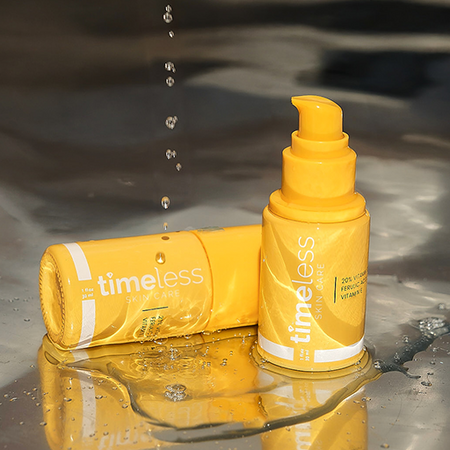
Within the vitamin C category, Timeless Skin Care offers the 20% Vitamin C + E Ferulic Acid Serum.
The Correct Evening Skincare Order
Your evening routine removes the buildup of the day and can include richer textures and targeted cosmetic ingredients. Because you do not need sun protection at night, your evening routine can differ from your morning routine.
- Cleanser or Double Cleanse: Remove makeup, SPF, and surface debris thoroughly. If you wear long-wearing makeup or mineral sunscreen, start with an oil-based cleansing balm to break down surface oils. Follow with a gentle water-based gel or cream cleanser to leave the skin balanced and clean.
- Exfoliant or Treatment Toner: If you use chemical exfoliants like glycolic, lactic, or salicylic acid, apply them after cleansing. Limit exfoliating acids to two or three nights per week to help limit surface irritation.
- Targeted Serums: Layer your nighttime serums based on viscosity, applying the thinnest formula first. Hyaluronic acid helps attract, bind, and retain water in the outer layers of the skin. Peptide serums may help support the appearance of firmness. If you use retinol or other cosmetic retinoids, apply them during this treatment step.
- Eye Cream: Gently pat a small amount of eye cream around the orbital bone using your ring finger.
- Night Moisturizer or Cream: Smooth a nourishing moisturizer over your face and neck. Evening moisturizers often contain slightly richer emollients and help reduce moisture loss overnight.
- Facial Oil (Optional): If your skin feels particularly dry or dehydrated, press two to three drops of face oil over your moisturizer. Facial oils provide a final layer of conditioning lipids.
Within the hydration category, Timeless Skin Care offers Hyaluronic Acid 100% Pure.
How to Layer Specific Ingredients and Formulas
Knowing where individual ingredients fit into your routine can help you organize your skincare steps.
Hyaluronic Acid and Humectants
Hyaluronic acid is a humectant that helps support hydration in the upper layers of the epidermis. Sodium hyaluronate is the sodium salt of hyaluronic acid, while hydrolyzed hyaluronic acid represents hyaluronic acid broken into smaller fragments.
A humectant serum helps support hydration in the upper layers of the epidermis when applied after cleansing or toning. Following a humectant serum with a moisturizer helps reduce moisture loss.
Antioxidants: Vitamin C and CoQ10
Vitamin C helps neutralize free radicals generated by UV exposure.
- Vitamin C: L-ascorbic acid is the most researched form of vitamin C. Its cosmetic performance can vary with form, pH balance, formulation stability, and packaging. Oxidation can occur over time, making storage and packaging important considerations.
- Coenzyme Q10: Ubiquinone is a lipid-soluble antioxidant naturally found in skin that provides antioxidant support as the skin's natural CoQ10 levels decline with age. It helps improve the appearance of fine lines and supports firmer-looking skin. Generally used once daily, it should not be applied directly under the eyes. If you have vitiligo, check with your dermatologist before using a CoQ10 product.
Timeless Skin Care offers a Coenzyme Q10 Serum.
Peptides and Barrier Support
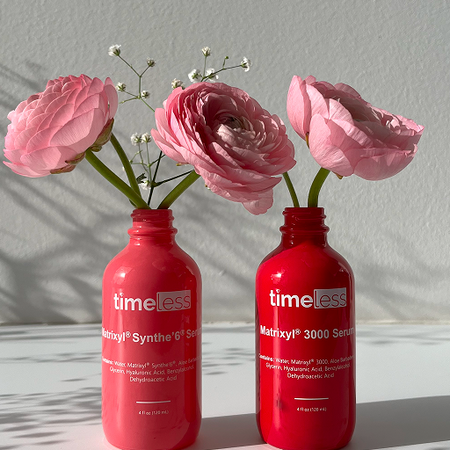
Peptides are short chains of amino acids that are popular additions to age-management routines. Matrixyl 3000 and Matrixyl Synthe'6 are specialized peptide complexes. They may help support the appearance of firmness. Appearance-level discussion also includes smoothness and elasticity.
Vitamin B5, often formulated as calcium pantothenate, supports the skin barrier and helps the skin retain moisture. Incorporating B5 into your layering order can help the skin feel more comfortable, especially when alternating with exfoliating acids.
For the orbital area, the eye category includes the Dark Circle Peptide Complex Eye Cream.
- Cleanser
- Toner or Hydrating Mist
- Water-Based Antioxidant or Peptide Serum
- Eye Cream
- Moisturizer
- Broad-Spectrum Sunscreen in the morning or Facial Oil in the evening
Setting Realistic Expectations for Your Routine
Consistency matters far more than having an elaborate ten-step process. Skincare formulas do not create overnight changes. Cosmetic improvements in skin texture, tone, and smoothness are generally associated with regular, sustained use.
Individual skin biology varies significantly. What produces a radiant look for one person might feel too rich or heavy for another. When introducing new steps to your routine, add one formula at a time and observe how your skin responds.
If visible redness or sensitivity occurs, reduce the frequency of your active formulas. Individual reactions vary, and anyone with a known sensitivity or diagnosed skin condition should check with their dermatologist before starting a new regimen.
Bottom line: Skincare results are gradual and cumulative. Maintain a simple, consistent layering sequence every morning and evening rather than constantly swapping products.
Common Layering Mistakes to Avoid
Even with quality formulas, simple sequencing mistakes can affect how products feel on the skin. Watch out for these four common errors when assembling your routine.
Applying Oils Before Water-Based Serums
Because facial oils feel slick and fluid, some people mistakenly apply them before water-based serums or lotions. Facial oils are rich in lipids.
Applying an oil first can make it harder for water-soluble formulas to spread evenly across the outer layers of the skin. Keep facial oils near the end of your sequence.
Layering Too Many Active Treatments at Once
Combining multiple exfoliating acids, vitamin C serums, and retinoids in a single session can increase the potential for surface irritation.
Instead of layering all your active treatments together, separate them by time of day or alternate them on different evenings. Use vitamin C in the morning to support the skin's antioxidant defenses, and reserve exfoliating acids or retinoids for nighttime care.
Rushing Between Layers
While you do not need to wait ten minutes between steps, applying products too quickly can cause them to pill or slide around.
Give watery serums twenty to thirty seconds to settle before applying your lotion or cream. This brief pause allows each layer to settle evenly across the skin surface.
Neglecting Daily Sun Protection
Brightening serums and peptide complexes work best as part of a routine that also includes daily sun protection. Daily broad-spectrum sunscreen helps limit visible changes associated with UV exposure. Apply sunscreen every morning, rain or shine.
Timeless Skin Care was founded in 2009 by Veronica Pedersen, building upon a deep family background in the personal care space. All formulas are made in the USA in small batches.
Frequently Asked Questions
How long should I wait between each skincare step?
You only need to wait about twenty to thirty seconds between most steps. Water-based liquids and lightweight serums settle quickly on the skin's surface. Give them enough time to feel absorbed rather than wet before applying your moisturizer. Sunscreen should be allowed to dry for one to two minutes before applying any makeup over it.
Can I skip moisturizer if I use a hydrating serum?
While a hydrating serum helps attract, bind, and retain water in the outer layers of the skin, it does not replace the function of a moisturizer. Moisturizers contain emollients and occlusives that help reduce transepidermal water loss. Skipping a moisturizer may increase moisture loss, especially in dry or air-conditioned environments.
Where do facial oils go in a skincare routine?
Facial oils should generally be applied as the second-to-last step at night, right after or mixed into your moisturizer. Because oils are rich in lipids, they create a conditioning surface layer. Applying facial oils before water-based serums can make it harder for those lighter formulas to spread evenly.
Is the skincare order different for sensitive skin?
The general order from thinnest to thickest remains the same for sensitive skin. However, individuals with sensitive skin should minimize the total number of steps and avoid layering multiple concentrated active ingredients in a single routine. If you have persistent skin sensitivity or an underlying condition, consult your dermatologist for personalized guidance.