Introduction
Building a skincare collection is exciting, but knowing how to apply each formula can feel confusing. You might have a cleanser, a toner, two different serums, an eye cream, a moisturizer, and a sunscreen sitting on your bathroom counter. If you apply them in an inconsistent sequence, you may create texture issues such as pilling.
Quick Answer: A common approach is to apply skincare products from the thinnest consistency to the thickest consistency. Start with water-based treatments and finish with heavier creams, facial oils, and daytime sunscreen.
The order for skincare products matters because formulas have different textures and consistencies. Starting with lighter products and moving toward richer ones can make layering easier and may help reduce pilling.
For more guidance on integrating steps, see this daily routine.
The Foundational Rules of Skincare Layering
Before memorizing a long list of steps, it helps to understand three simple principles. These guidelines can help you place products into your morning or nighttime routine.
1. Lightest to Heaviest Texture
A common approach to skincare layering is to move from the lowest viscosity to the highest viscosity. Liquid, watery formulas generally go on first, followed by thicker gels, lotion emulsions, creams, and rich oils.
2. Water-Based Before Oil-Based
Water-based formulas are generally applied before oil-based formulas. This order follows the lightest-to-heaviest approach. Oil-based products typically belong near the end of your routine.
3. Protection Completes the Morning Routine
Daytime and nighttime routines have different goals. Morning skincare focuses on daily environmental exposure and sunscreen. Broad-spectrum sunscreen is the final step of morning skincare before applying makeup. At night, your routine focuses on gentle cleansing, hydration, and cosmetic care.
| Formulation Type | Texture Description | Routine Placement |
|---|---|---|
| Liquid / Mist | Water-like fluidity | Directly after cleansing |
| Light Serum | Fast-spreading fluid or light gel | Early treatment step |
| Viscous Serum | Concentrated, slip-heavy liquid | Middle treatment step |
| Lotion / Gel-Cream | Semi-fluid emulsion | After water-based treatments |
| Rich Cream | Dense, emollient emulsion | Toward the end of the routine |
| Facial Oil | Lipid-rich liquid | Final nighttime layer |


Step-by-Step Morning Skincare Order
A morning routine prepares your face for the day ahead. It can include light hydration, antioxidant support, and broad-spectrum sunscreen.
- Gentle Cleanser.
- Hydrating Toner or Mist.
- Vitamin C or Antioxidant Serum.
- Targeted Peptide or Hydrating Serum.
- Lightweight Eye Cream.
- Daily Moisturizer.
- Broad-Spectrum Sunscreen.
Step 1: Gentle Cleanser
Your skin produces sebum and sheds dead skin cells while you sleep. A gentle morning wash removes these overnight residues along with any leftover evening products. Choose a mild, non-stripping cleanser that leaves your skin feeling refreshed rather than tight or dry. Massage it across damp skin for thirty to sixty seconds, then rinse with lukewarm water.
Step 2: Hydrating Toner or Mist
Toners are no longer harsh, astringent liquids designed to strip oil. Modern toners and facial mists rehydrate the surface directly after washing. Applying a hydrating toner helps support hydration in the upper layers of the epidermis. It also creates a receptive, slightly damp base for the serums that follow.
Step 3: Vitamin C or Antioxidant Serum
Antioxidants are often used in the morning. An antioxidant serum helps defend against oxidative stress caused by environmental factors such as UV exposure and pollution. When using an antioxidant serum in the morning, pair it with broad-spectrum sunscreen.
Vitamin C helps brighten the look of dullness and uneven tone. Apply a few drops of your antioxidant serum to dry or slightly damp skin and press it gently across your face and neck. Allow the liquid to settle before moving to the next step.
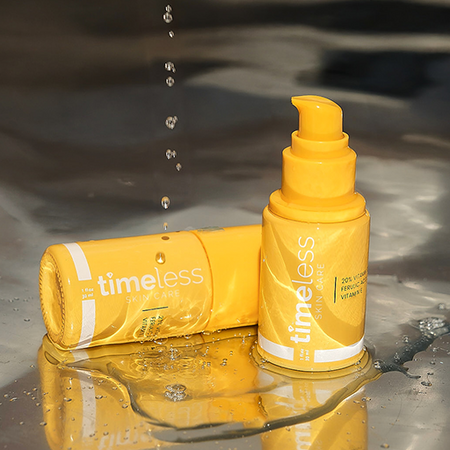
The 20% Vitamin C + E Ferulic Acid Serum is listed in the Vitamin C category.
Step 4: Targeted Peptide or Hydrating Serum
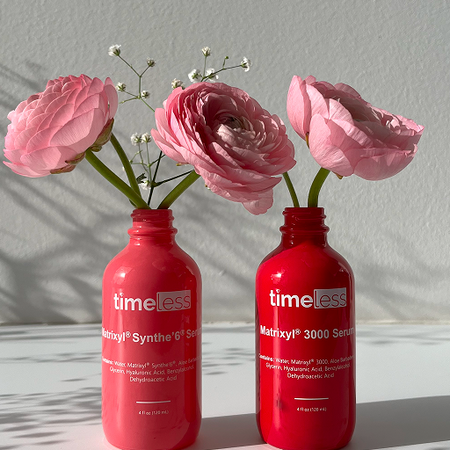
If you use a secondary serum in the morning, apply it after your primary antioxidant. The Matrixyl® 3000 Serum is listed in the anti-wrinkle serum collection.
Peptides may help support the appearance of firmness. If your skin feels dry or tight, you can also apply a humectant serum here. Hyaluronic acid helps attract, bind, and retain water in the outer layers of the skin. It helps improve the appearance of dehydration lines.
Step 5: Lightweight Eye Cream
The skin around the orbital bone is delicate and shows dryness easily. A targeted eye cream provides focused hydration to this sensitive area. Dab a tiny amount along the orbital bone using your ring finger, gently tapping from the outer corner inward. Applying eye cream before your all-over facial moisturizer keeps it earlier in the layering sequence.
Step 6: Daily Moisturizer
Moisturizers contain emollients and humectants that soften the skin surface. A quality moisturizer helps reduce transepidermal water loss (TEWL), the water that evaporates from the skin's surface. For daytime wear, choose a lightweight lotion or gel-cream that applies comfortably under makeup.
Step 7: Broad-Spectrum Sunscreen
Finish your morning regimen with a generous application of broad-spectrum sunscreen rated SPF 30 or higher. Apply it evenly over your entire face, neck, and ears. Allow it to set completely before applying foundation or setting powder.
Step-by-Step Evening Skincare Order
Your nighttime routine washes away the buildup of the day and applies concentrated ingredients during your evening routine.
- First Cleanse (Makeup and Sunscreen Removal).
- Second Cleanse (Water-Based Wash).
- Exfoliant (Two to Three Times Weekly).
- Hydrating Mist or Balancing Toner.
- Treatment Serums (Retinoids, Peptides, or CoQ10).
- Hydrating Humectant Serums.
- Nourishing Eye Cream.
- Rich Night Moisturizer.
- Facial Oil (Optional).
Step 1 and Step 2: The Double Cleanse
Sunscreen formulas, excess sebum, and makeup can cling stubbornly to the skin. A double cleanse can help remove this buildup. Start with an oil-based cleanser or cleansing balm applied to dry skin to dissolve long-wear cosmetics and sunscreen. Rinse with water, then follow with a gentle water-based foaming or gel cleanser to remove sweat and environmental debris.
Step 3: Chemical Exfoliant (Optional)
Exfoliating two to three times a week helps loosen dead skin cells that contribute to dullness and rough texture. Alpha hydroxy acids, such as glycolic or lactic acid, and beta hydroxy acids, such as salicylic acid, can smooth the look of skin texture. Apply liquid exfoliants directly after cleansing. If you are using a leave-on exfoliating acid, skip strong retinoids on the same evening to reduce the chance of irritation.
Step 4: Hydrating Mist or Balancing Toner
Pat a hydrating mist or toner across your face to restore surface hydration after cleansing or exfoliating. This step dampens the skin before your concentrated night treatments.
Step 5: Treatment Serums
The evening can be a suitable time for cosmetic treatments. If you use a retinoid serum, apply it here to help improve the appearance of uneven texture and fine lines.
Alternatively, you can use an antioxidant serum in this step. CoQ10 provides antioxidant support as the skin's natural CoQ10 levels decline with age. CoQ10 supports firmer-looking skin. If you have vitiligo, check with your dermatologist before using a CoQ10 product.
The Coenzyme Q10 is listed in the antioxidant serum category.
Step 6: Hydrating Humectant Serums
The Hyaluronic Acid 100% Pure is listed in the hydration category.
Following your active treatment, apply a dedicated humectant layer. Hyaluronic acid helps attract, bind, and retain water in the outer layers of the skin. It helps improve the appearance of dehydration lines.
Step 7: Nourishing Eye Cream
At night, you can use a richer eye cream containing nourishing emollients or cosmetic peptides. Lightly press the cream around the contour of your eye socket, avoiding the lash line. Explore the eye cream collection for products in this category.
Step 8: Nighttime Moisturizer
A nourishing night cream helps reduce moisture loss while you sleep. Night moisturizers often contain slightly higher concentrations of fatty acids, ceramides, or plant butters than daytime lotions. Spread an even layer across your face, neck, and upper chest.
Step 9: Facial Oil (Optional)
If your skin is naturally dry or exposed to dry indoor heating, you can finish your evening routine with two to three drops of facial oil. Because oils are occlusive lipids, they generally come last over your moisturizer. Gently press the oil into your cheeks and forehead rather than rubbing vigorously.
Key Takeaway: Generally, apply water-based serums before facial oils and heavy creams. This order can make layering feel more even.
How to Layer Multiple Serums Without Pilling
Many people like to use more than one serum in a single routine. Layering multiple treatments can address different cosmetic goals, such as hydration, radiance, and visible firmness. However, stacking products incorrectly can cause pilling, where formulas ball up into tiny flakes instead of spreading evenly across the skin.
Follow these practical guidelines when using multiple serums:
-
Limit your routine to two or three serums per session. Applying too many formulas may make layering feel heavy and increase the likelihood of product buildup.
-
Layer by viscosity. Compare the textures in your hands. Apply the most watery serum first. Follow with the thicker, more viscous gel or emulsion.
-
Give each layer thirty to sixty seconds. You do not need to wait ten minutes between steps. Waiting roughly thirty seconds allows the first liquid to settle onto the skin before you apply the next.
-
Pat rather than rub. Vigorous rubbing creates friction that can pull semi-dry polymers off the skin, causing pilling. Instead, gently press serums into your skin using flat hands.
-
Separate strong ingredients across routines. When using vitamin C with exfoliating acids or retinoids, many people use vitamin C in the morning and save exfoliating acids or retinoids for the evening. When vitamin C is used in the morning, pair it with broad-spectrum sunscreen.
-
Morning Strategy:
- Vitamin C Serum.
- Peptide Serum.
- Daily Sunscreen.
-
Evening Strategy:
- Exfoliant or Retinoid.
- Hydrating Humectant Serum.
- Night Cream.
For additional guidance, read How to Layer Multiple Serums.
How to Customize Your Routine by Skin Type
Every complexion has unique needs. Adjusting the products and steps of your skincare lineup can help you create a balanced routine.
Oily and Blemish-Prone Skin
Oily skin can still feel dehydrated. When oily skin feels stripped, a lightweight hydrating routine may be more comfortable.
- Consider a foaming gel cleanser morning and night.
- Choose water-based, lightweight serums rather than heavy emulsions.
- Select an oil-free, gel-based moisturizer that helps reduce transepidermal water loss (TEWL), the water that evaporates from the skin's surface, without feeling heavy.
- Use a non-comedogenic, matte-finish broad-spectrum sunscreen daily.
Dry and Dehydrated Skin
Dry skin lacks oil, while dehydrated skin lacks water in the upper layers of the epidermis.
- Use a creamy, non-foaming cleanser that does not strip natural surface lipids.
- Layer a hydrating toner followed immediately by a humectant serum on damp skin.
- Incorporate rich creams formulated with emollients and fatty acids.
- Finish the evening routine with a nourishing facial oil to help reduce moisture loss.
Sensitive Skin
Sensitive skin can benefit from a minimal, fragrance-free approach with fewer total steps.
- Keep the core routine simple: gentle cleanser, hydrating serum, basic barrier moisturizer, and mineral sunscreen.
- Introduce new active ingredients gradually rather than all at once.
- Avoid using physical scrubs or strong chemical peels.
- Individual reactions vary, and anyone with a known sensitivity or diagnosed skin condition should check with their dermatologist before starting new active serums.
Setting Realistic Expectations for Skincare Results
Cosmetic improvements can take patience, consistency, and realistic expectations. A hydrating serum may provide surface comfort, while visible changes in skin tone, the look of fine lines, and overall radiance can develop gradually through sustained daily habits.
| Skincare Category | Appearance-Level Discussion |
|---|---|
| Humectants (Hyaluronic Acid) | Helps improve the appearance of dehydration lines. |
| Antioxidants (Vitamin C) | Helps brighten the look of dullness and uneven tone. |
| CoQ10 | CoQ10 provides antioxidant support as the skin's natural CoQ10 levels decline with age. CoQ10 supports firmer-looking skin. |
| Peptides | May help support the appearance of firmness. |
| Exfoliating Acids (AHA/BHA) | Smooth the look of skin texture and support clearer-looking pores. |
| Daily Sunscreen | Provides daily UV protection and helps reduce premature visible signs of aging. |
Consistency is an important element of any routine. A basic routine of cleanser, moisturizer, and broad-spectrum sunscreen can support ongoing cosmetic care.
Frequently Asked Questions
How long should I wait between applying skincare steps?
You do not need to wait several minutes between each product. Giving each step thirty to sixty seconds allows the liquid or gel to settle on the skin surface so the next product spreads evenly. Sunscreen can benefit from a brief set time before you apply makeup.
Can I apply a face oil before my moisturizer?
Face oils should generally be applied after your moisturizer or mixed directly into your night cream. Facial oils are rich in occlusive lipids. Applying oil after moisturizer places it at the end of this layering sequence.
Should eye cream go on before or after serum?
If your eye cream has a lighter, more fluid texture than your facial moisturizer, apply it right after your liquid serums and before your all-over facial cream. This keeps the eye cream earlier in the routine and maintains a consistent texture-based sequence.
What happens if I apply skincare products in the wrong order?
Applying products out of order does not typically cause harm, but it may make layering less even or contribute to pilling. Heavy creams applied before thin serums can make it harder to spread the lighter product evenly. If textures clash, formulas can ball up into tiny flakes, wasting your product.