Introduction
Knowing the correct order for skincare routine steps can make your daily products easier to apply. When you invest in targeted formulas, applying them in the wrong sequence may make it harder to spread products evenly across the skin.
Skincare layering follows fundamental principles based on product texture, formulation weight, and functional roles. Thinner, water-based solutions are generally applied before dense emollients or face oils. Otherwise, heavy occlusives may make lighter formulas harder to apply evenly.
Whether your goal is to build a streamlined three-step regimen or coordinate a multi-serum system, this guide outlines the proper application sequence for both morning and evening routines.
Quick Answer: Apply your skincare from thinnest to thickest texture. Start with cleansing, follow with watery treatments and concentrated serums, apply moisturizer, and finish with a broad-spectrum sunscreen every morning.
The Fundamental Rules of Skincare Layering
Before memorizing individual product steps, learning the core logic of cosmetic layering makes managing any routine straightforward.
1. Apply from Thinnest to Thickest Consistency
Liquid formulas can spread quickly across the skin's surface. Heavier creams and lipid formulas often sit on top to condition and protect. If you place a rich face cream on your skin first, a fluid serum applied on top may be harder to spread evenly.
2. Layer Water-Based Before Oil-Based Formulas
Water and oil do not mix easily. Water-soluble formulas are generally applied to clean, damp, or freshly toned skin. Anhydrous solutions, facial oils, and oil-rich creams generally follow water-based treatments to support smooth application and may help reduce product pilling.
3. Consider pH and Formulation Sensitivity
Certain active ingredients rely on specific pH environments. Highly acidic products, such as L-ascorbic acid solutions, are generally applied directly to clean, dry skin after washing. Gentle hydrating steps can then follow once the treatment has settled.


Morning Skincare Routine: Step-by-Step
Your daytime regimen focuses on daytime defense, hydration, and environmental protection.
AM Routine Sequence
-
Cleanser.
-
Hydrating toner or essence, optional.
-
Targeted vitamin C serum.
-
Hydrating serum.
-
Eye cream, optional.
-
Daily moisturizer.
-
Broad-spectrum sunscreen, non-negotiable.
-
Gentle Cleanser
Wash away overnight sebum, sweat, and residual evening products with lukewarm water and a mild face wash. People with very dry skin may prefer a quick water rinse. -
Hydrating Toner or Mist
An alcohol-free toner prepares the skin surface by providing light hydration, allowing subsequent humectants to spread smoothly. -
Targeted Antioxidant Serum
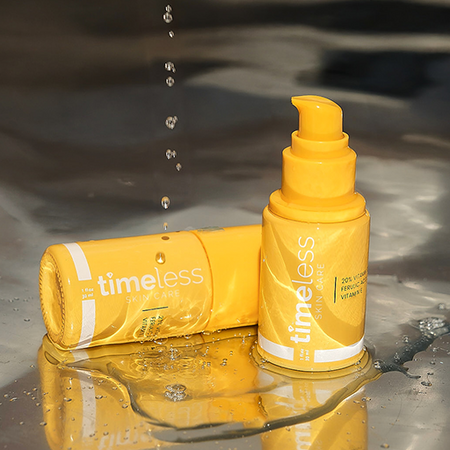
Applying a vitamin C serum in the morning helps defend against oxidative stress caused by environmental factors such as UV exposure and pollution. Vitamin C also helps brighten the look of dullness and uneven tone. Vitamin C serum options include 20% Vitamin C + E Ferulic Acid Serum. If you use vitamin C in the morning, pair it with broad-spectrum sunscreen. -
Hydrating Serum
Humectant-based serums containing hyaluronic acid help attract, bind, and retain water in the outer layers of the skin. This step helps improve the appearance of dehydration lines and keeps the complexion looking supple throughout the day. -
Eye Cream
If you use an eye cream, dab a small amount along the orbital bone using your ring finger. Using an eye cream before face moisturizer can help it spread without interference. -
Daily Moisturizer
A balanced face lotion helps reduce transepidermal water loss (TEWL), the water that evaporates from the skin's surface. Choose a lightweight gel or lotion that leaves the face soft without excess grease. -
Broad-Spectrum Sunscreen
Sunscreen is the mandatory final step of every morning routine. Apply a broad-spectrum sunscreen with an SPF of 30 or higher generously to the face, neck, and ears. Reapply every two hours during extended sun exposure.
Key Takeaway: Morning skincare emphasizes surface defense. Pairing an antioxidant serum with daily broad-spectrum sunscreen offers daytime skin support.
Evening Skincare Routine: Step-by-Step
Your nighttime routine focuses on thorough cleansing, barrier support, and targeted cosmetic care.
PM Routine Sequence
-
First cleanse for makeup and sunscreen removal.
-
Second cleanse with a water-based face wash.
-
Exfoliant, two to three times weekly.
-
Targeted night serums or peptides.
-
Eye cream.
-
Night moisturizer or barrier cream.
-
Facial oil, optional.
-
First Cleanse
Remove long-wear makeup, daily grime, and water-resistant sunscreen using a cleansing oil, micellar water, or cleansing balm. -
Water-Based Cleanser
Follow with a gentle foaming or cream cleanser to thoroughly clean the skin without stripping away essential surface lipids. -
Chemical Exfoliant, Two to Three Times per Week
Liquid exfoliants containing AHAs or BHAs help sweep away dead skin cells and clear surface buildup. Avoid exfoliating every night to preserve your skin barrier. -
Targeted Treatment Serums
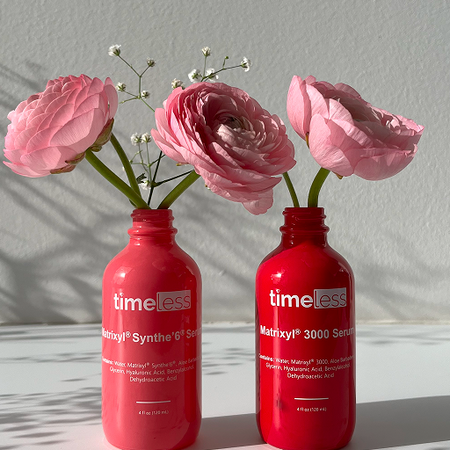
Nighttime can be a convenient time for peptides and specialized antioxidants. Matrixyl® 3000 Serum is a peptide serum. Peptides may help support the appearance of firmness. Vitamin B5 supports the skin barrier and helps the skin retain moisture. -
Eye Cream
Dab a nourishing eye formula around the eye contours to maintain hydration in this naturally delicate zone. -
Night Moisturizer
Night creams are generally richer than daytime lotions. A moisturizer helps reduce moisture loss while you sleep. -
Face Oil, Optional
For very dry skin, patting facial oil over your night cream adds a final conditioning layer.
How to Layer Multiple Serums Effectively
Using multiple treatment serums allows you to target different cosmetic goals simultaneously, provided you apply them in the proper sequence.
| Serum Type | Primary Purpose | Placement in Routine |
|---|---|---|
| L-Ascorbic Acid (Vitamin C) | Helps brighten the look of dullness and uneven tone | First serum on clean, dry skin in the morning |
| Peptide Solutions | May help support the appearance of firmness | After low-pH actives or first on clean skin, morning or evening |
| Hyaluronic Acid | Helps attract, bind, and retain water in the outer layers of the skin | Over damp skin or directly after active serums, morning or evening |
| Coenzyme Q10 (CoQ10) | Provides antioxidant support as the skin's natural CoQ10 levels decline with age | After water-light serums and before heavy creams, generally once daily |
Layering Rules for Serums
- Check Viscosity: If you have two serums of similar format, apply the thinner liquid first.
- Limit Total Layers: Using two to three focused serums per routine may help avoid overloading the skin surface.
- Allow Products to Settle: Give each serum time to settle before smoothing on the next product.
If you choose to incorporate a topical CoQ10 formula, CoQ10 provides antioxidant support as the skin's natural CoQ10 levels decline with age. CoQ10 supports firmer-looking skin. CoQ10 is generally used once daily. If you have vitiligo, check with your dermatologist before using a CoQ10 product.
Tailoring Routine Order by Skin Type
Adjusting product textures within the standard framework ensures the routine matches your specific complexion needs.
- Dry Skin Focus: Cream cleanser, rich humectants, emollient moisturizer.
- Oily Skin Focus: Foaming cleanser, fluid serums, lightweight gel moisturizer.
- Sensitive Skin Focus: Minimalist steps, fragrance-free hydration, gentle barrier support.
Dry Skin
Dry skin benefits from layering humectants on slightly damp skin, followed by richer creams that contain ceramides or plant oils. Applying your moisturizer right after serum application helps support hydration in the upper layers of the epidermis.
Oily or Blemish-Prone Skin
Oily complexions still require adequate water content. Skipping moisturizer can lead to surface dehydration. Opt for lightweight, water-gel hydrators and water-based serums that do not leave a heavy residue.
Sensitive Skin
Keep the overall step count modest. Introduce active ingredients individually rather than layering multiple potent products simultaneously. Individual reactions vary, so anyone with a known sensitivity or diagnosed skin condition should check with their dermatologist before starting new active steps.
Setting Realistic Expectations for Your Skincare Routine
Consistency matters more than having an elaborate ten-step process. Skincare results may develop gradually through regular application.
Cosmetic improvements in skin texture, radiance, and hydration may develop gradually rather than overnight. The appearance of fine lines and tone irregularities can vary with routine adherence. Factors like climate, sleep, stress, and sun habits also influence your skin's daily appearance.
Timeless Skin Care was founded in 2009 by Veronica Pedersen to deliver straightforward, high-concentration active formulas made in the USA in small batches. Focusing on ingredient categories in their correct order can help you build a sustainable daily regimen.
Frequently Asked Questions
How long should I wait between skincare steps?
Many skincare steps do not require long waiting periods. You can apply toners, humectant serums, and moisturizers in smooth succession once the prior layer has absorbed into the skin. If you are applying an acidic treatment like L-ascorbic acid, waiting one to two minutes allows the product to settle before you follow with heavier creams.
Does eye cream go before or after moisturizer?
Eye cream is generally applied before facial moisturizer. Because eye creams often have lighter consistencies for delicate skin, placing them first can help them spread without interference. If your facial moisturizer is gentle, fragrance-free, and suitable for the eye contour, it may also be used across the face.
Can I mix my serums together to save time?
Mixing serums in your palm before application may not be advisable. Combining separate formulations can disrupt their intended pH levels, alter the stability of active ingredients, or cause the textures to separate. Applying products in their individual sequence from thinnest to thickest can provide a more consistent cosmetic application.
What should I do if my skincare products start pilling?
Product pilling happens when formulas fail to absorb and roll into small flakes on the surface. This typically occurs when an oil-based product is applied before a water-based serum, when products are layered too quickly, or when too much silicone-heavy product is used at once. To help prevent pilling, reduce product amounts, allow each layer time to settle, and keep broad-spectrum sunscreen as the final morning layer.