Introduction
Getting the order of morning skincare right can help keep your routine organized. Applying products in sequence helps each layer sit on the skin without interference from heavier textures.
A daytime regimen serves a distinct purpose compared to your evening routine. While nighttime care often has a different focus, daytime care centers on hydration, barrier maintenance, and sun protection. Your skin faces daytime environmental stressors, including ultraviolet rays and urban pollution. Layering your formulas thoughtfully helps you use your products in a consistent order while keeping your complexion balanced throughout the day.
Key Takeaway: The fundamental rule of skincare layering is simple: apply products from the thinnest consistency to the thickest, finishing with a broad-spectrum sunscreen.
Why the Order of Morning Skincare Matters
The skin's outermost layer functions as a protective shield. Applying a dense, rich cream before a fluid product may make it harder for the lighter product to sit evenly on the surface of your skin.
Skincare products range from water-light fluids to viscous oils and emulsions. Applying lighter, water-based products before a richer moisturizer can help the layers sit evenly. For ingredient definitions, consult our ingredient glossary.
Following a logical sequence can help prevent product pilling. Pilling happens when formulas fail to absorb and instead ball up into small flakes when rubbed. Giving each layer a moment to settle can help create a smooth canvas for makeup or daily wear.


The Essential Step-by-Step Morning Skincare Sequence
Here is the recommended daytime order.
-
Gentle Cleanser
Start by clearing away overnight sebum, sweat, and residue from evening treatments. A mild, low-foaming gel or hydrating lotion cleanses the skin without stripping essential surface lipids. -
Hydrating Toner or Mist
A light liquid layer balances surface pH and prepares the skin to receive subsequent hydration. -
Targeted Antioxidant or Peptide Serum
Water-light treatments are applied after cleansing, with product-specific directions in mind. -
Dedicated Eye Cream
Dab a small amount around the orbital bone to provide targeted hydration to this thin, delicate area. -
Daytime Moisturizer
A lotion or gel cream helps reduce transepidermal water loss (TEWL), the water that evaporates from the skin's surface. -
Broad-Spectrum Sunscreen
The final step of every morning routine. SPF protects the skin from UV radiation and should sit on top of all other skincare.
For help choosing products for your routine, use our skincare quiz.
Morning Actives
The treatment step of your morning routine allows you to target specific cosmetic concerns. Understanding how key ingredients function helps you select the right formula for your goals through DIY Build Your Kit.
| Ingredient | Primary Cosmetic Role | Typical Layering Position |
|---|---|---|
| Vitamin C | Helps brighten the look of dullness and uneven tone | First serum on clean skin |
| Hyaluronic Acid | Helps attract, bind, and retain water in the outer layers of the skin | On damp skin before moisturizer |
| CoQ10 | Provides antioxidant support as the skin's natural CoQ10 levels decline with age | Fluid serum step |
| Peptides | May help support the appearance of firmness | Water-based treatment step |
Vitamin C
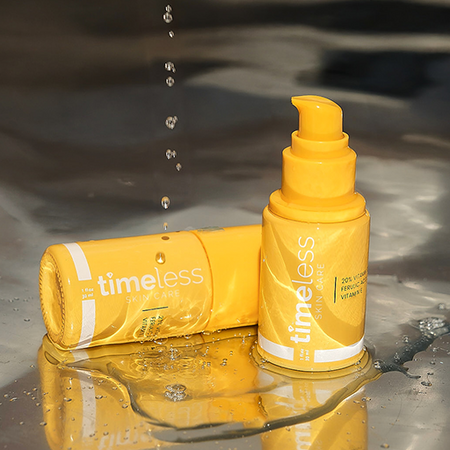
Ascorbic acid is a widely researched, water-soluble antioxidant. In the morning, it helps defend against oxidative stress caused by environmental factors such as UV exposure and pollution. Vitamin C also helps brighten the look of dullness and uneven tone. For the morning antioxidant step, one option is 20% Vitamin C + E Ferulic Acid Serum.
The formula's performance depends on multiple factors beyond concentration, including formulation stability, pH level, and packaging. L-ascorbic acid is naturally sensitive to light and air. Over time, gradual oxidation may cause the serum to lose potency and shift in color, which may increase the likelihood of irritation for some individuals.
Hyaluronic Acid and Humectants
Hyaluronic acid is a humectant, not a moisturizer. It helps attract, bind, and retain water in the outer layers of the skin and helps improve the appearance of dehydration lines.
Because humectants hold onto water molecules, they perform best when applied to slightly damp skin directly after cleansing or toning.
Coenzyme Q10 (CoQ10)
Ubiquinone is a lipid-soluble antioxidant naturally found in the skin. CoQ10 provides antioxidant support as the skin's natural CoQ10 levels decline with age. It helps improve the appearance of fine lines and supports firmer-looking skin.
Note: If you have vitiligo, check with your dermatologist before using a CoQ10 product.
Peptides and Vitamin B5
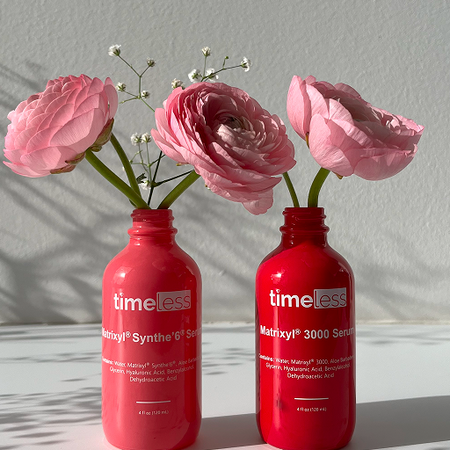
Peptides are short chains of amino acids that may help support the appearance of firmness. For barrier support, Vitamin B5 (Calcium Pantothenate) supports the skin barrier and helps the skin retain moisture. It helps the skin feel more comfortable. Learn more about Vitamin B5. The Matrixyl® 3000 Serum is a serum.
Moisturizers and Sunscreen: How to Finish Your Routine
The final two steps of your morning regimen are moisturizer and sunscreen.
The Role of Daytime Moisturizers
While serums deliver concentrated ingredients, a moisturizer helps reduce moisture loss.
- Oily or Combination Skin: A lightweight gel or oil-free emulsion delivers necessary hydration without a heavy feel.
- Dry or Dehydrated Skin: A richer cream containing ceramides, squalane, or fatty acids helps smooth dry patches and supports hydration in the upper layers of the epidermis.
Allow your moisturizer to absorb before moving to sun protection.
Broad-Spectrum Sunscreen Is Essential
Sunscreen is an important part of your morning skincare lineup. Daily application of a broad-spectrum sunscreen rated SPF 30 or higher is essential to protect skin from ultraviolet radiation.
Antioxidants support the skin's antioxidant defenses. They help neutralize free radicals generated by UV exposure, but they do not replace sunscreen. Always pair your morning antioxidant serum with a dedicated sunscreen.
Apply sunscreen generously over the face, neck, and ears as the absolute last step in your skincare order. If you apply moisturizer on top of sunscreen, you risk diluting the protective film and reducing its protective capacity. If you wear makeup, wait two to three minutes for your sunscreen to set before applying foundation or concealer. A dedicated eye cream can be used before sunscreen. The Dark Circle Peptide Complex Eye Cream is an eye cream.
Establishing Realistic Expectations for Skin Results
Consistency can be more useful than an elaborate 10-step routine. Cosmetic results from active ingredients may be gradual and require regular application.
Visible improvements in surface hydration may appear sooner, while changes in the look of skin firmness, tone clarity, and fine lines may take time. Individual biology, sun exposure habits, lifestyle, and overall routine consistency all influence how your skin responds.
Individual reactions vary with any new topical product. If you have a known sensitivity or a diagnosed skin condition, check with your dermatologist before introducing new active formulas into your routine.
Frequently Asked Questions
Can I skip moisturizer if my sunscreen is hydrating?
Yes. If you have oily or combination skin, or if you live in a humid climate, a hydrating, broad-spectrum sunscreen may provide sufficient surface moisture on its own.
How long should I wait between each skincare step?
Most water-based serums absorb within 30 to 60 seconds. You do not need long wait times between steps, though allowing your sunscreen two to three minutes to dry before applying makeup can help prevent pilling.
Can I use Vitamin C and Hyaluronic Acid together in the morning?
Yes. Apply the Vitamin C serum first to clean skin because it typically has a lighter, more acidic formulation. Follow with your hyaluronic acid serum. Hyaluronic acid helps support hydration in the upper layers of the epidermis. Learn more about using hyaluronic acid and Vitamin C together.
Should morning skincare be applied to damp or dry skin?
Cleansers and humectant serums like hyaluronic acid work best on damp skin. However, potent active serums with low pH levels, like L-ascorbic acid, are often best applied to dry skin to minimize the chance of tingling. Sunscreen must always be applied to dry skin.