Introduction
Layering your skincare products in a practical sequence may help formulas spread evenly. A thick product applied first may make lighter formulas harder to spread evenly.
Lighter, water-based formulas are commonly applied before richer creams. A richer cream helps reduce moisture loss. When you structure your regimen around these principles, your routine may be easier to follow in the morning and evening.
Founded in 2009 by Veronica Pedersen, Timeless Skin Care is a skincare brand. Understanding the order of skincare application allows you to build a practical routine that supports a balanced, healthy complexion.
Fundamental Principles of Skincare Layering
Before diving into individual steps, it helps to understand why sequence matters. The stratum corneum, the outermost layer of your skin, interacts differently with various molecular sizes and vehicle bases.
Quick Answer: Apply products from thinnest consistency to thickest consistency, moving from water-based liquids to oils and creams, and finish with broad-spectrum sunscreen in the morning.
Texture and Molecular Weight
A practical rule of product layering is to order formulas from thinnest to thickest consistency. Watery liquids can spread easily across the surface. Heavier creams often contain lipid components designed to remain on the surface.
If you apply a rich cream first, a lightweight water serum may bead up or spread unevenly over it.
Water Bases Versus Lipid Bases
Cosmetic ingredients are commonly described as water-soluble (hydrophilic) or oil-soluble (lipophilic).
Water-based serums and mists are generally applied first. Lipid-based formulas, such as facial oils and rich moisturizers, follow next. Applying oil before water-based products can make the layers harder to spread evenly.
| Product Type | Vehicle Base | Placement in Routine |
|---|---|---|
| Hydrating Toners & Mists | Water | Immediately after cleansing |
| Water-Based Serums | Water | After toning, before creams |
| Emulsions & Lotions | Water and Oil | After light serums |
| Creams & Balms | Oil-in-Water or Water-in-Oil | Near the end of the routine |
| Facial Oils | Pure Lipids | Over or mixed with moisturizer |
| Daily Sunscreen | Emulsion / Suspension | Final morning step |
Understanding pH and Drying Times
Certain active ingredients rely on specific pH ranges to remain stable. Acidic treatments are commonly applied to clean, bare skin.
You do not need to wait ten minutes between every step. Letting each layer settle for thirty to sixty seconds may help limit product pilling. Pilling happens when formulas ball up on the skin instead of spreading evenly.


The Morning Skincare Routine Order
Your daytime routine focuses primarily on hydration and environmental defense. During the day, your skin faces exposure to sunlight, particulate pollution, and dry indoor air.
- Gentle Cleanser: Start by washing away sweat, excess sebum, and overnight skincare residue. A mild, sulfate-free cleanser refreshes the skin without stripping away essential surface lipids.
- Hydrating Mist or Toner: A light fluid preps the skin surface. Hyaluronic acid helps attract, bind, and retain water in the outer layers of the skin when applied to slightly damp skin.
- Antioxidant Serum: Vitamin C is commonly used in daytime routines. A topical antioxidant helps defend against oxidative stress caused by environmental factors such as UV exposure and pollution. See our antioxidant category for vitamin C options. Applying an antioxidant in the morning helps brighten the look of dullness and uneven tone.
- Eye Cream: The skin surrounding the eyes is delicate and thin. Gently pat your eye treatment along the orbital bone using your ring finger before applying heavy face creams.
- Daily Moisturizer: A lightweight lotion or gel cream is a moisturizing step. It helps reduce transepidermal water loss (TEWL), the water that evaporates from the skin's surface throughout the day.
- Broad-Spectrum Sunscreen: Apply broad-spectrum sunscreen with an SPF rating of 30 or higher as the final skincare step before makeup.
Key Takeaway: Morning skincare emphasizes consistency. Pair an antioxidant serum with broad-spectrum sunscreen every morning.
The Evening Skincare Routine Order
At night, your routine shifts toward cleansing away the day and using richer textures and targeted treatments.
- First Cleanse (Makeup and Sunscreen Removal): An oil cleanser, micellar water, or cleansing balm dissolves long-wearing makeup, excess oil, and water-resistant sunscreen filters.
- Second Cleanse (Water-Based Wash): A gentle foaming or cream wash lifts away remaining impurities and water-soluble debris, leaving skin ready for treatment products.
- Exfoliant or Acid Toner (2 to 3 Times Weekly): Chemical exfoliants like alpha hydroxy acids or beta hydroxy acids loosen dead surface cells. Use these treatments on dry skin right after cleansing.
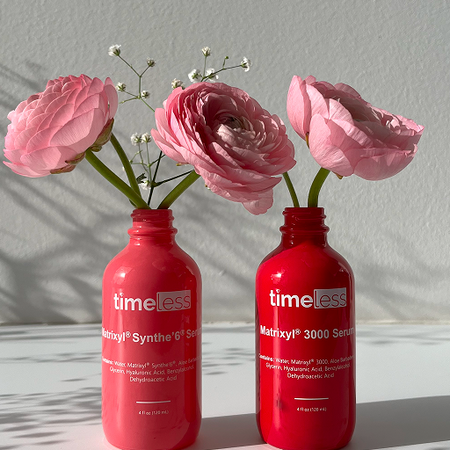
- Targeted Treatment Serums: Nighttime is ideal for peptides and hydrating humectants. Matrixyl® Synthe'6® Serum is a peptide serum. See this peptide serum step for more information. Peptides may help support the appearance of firmness.
- Hydrating Support: Vitamin B5 supports the skin barrier and helps the skin retain moisture.
- Night Cream or Barrier Moisturizer: Choose a nourishing cream formula at night. A substantial moisturizer helps reduce moisture loss while you sleep.
- Facial Oil (Optional): If your skin tends toward extreme dryness, patting two drops of face oil over your evening cream may add an extra lipid layer at the surface.
How to Layer Multiple Serums and Active Ingredients
Many people use more than one serum to address different cosmetic goals. Layering serums successfully requires attention to viscosity, ingredient compatibility, and skin tolerance. For additional routine-planning guidance, see DIY Build Your Kit.
Working with Multiple Textures
When combining two or more serums in a single routine, follow the thinnest-to-thickest rule.
Apply watery, low-viscosity solutions first. Follow with slightly thicker, gel-based serums. Finish with any milky emulsions or lipid suspensions. If you use two water-based serums of similar consistency, apply them one at a time and allow each to settle.
For additional guidance, see our article on how to layer multiple serums.
- Cleanse thoroughly.
- Apply lightweight water-based serum.
- Layer viscous gel-based serum.
- Apply milky emulsion.
- Finish with moisturizer.
Active Ingredients and Tolerability
Managing multiple active products requires balance. Combining hydrating ingredients like hyaluronic acid with peptides is one common approach, while combining strong exfoliants with acidic treatments may be too much for some routines.
- Vitamin C: Morning application is the most common recommendation. It supports the skin's antioxidant defenses. Always pair it with broad-spectrum sunscreen.
- Coenzyme Q10: Coenzyme Q10 provides antioxidant support as the skin's natural CoQ10 levels decline with age. It helps improve the appearance of fine lines and supports firmer-looking skin. It is generally used once daily. Never apply CoQ10 directly under the eyes. If you have vitiligo, check with your dermatologist before using a CoQ10 product.
- Exfoliating Acids: Alpha hydroxy acids and beta hydroxy acids are often reserved for evening use. Limit their use to two or three nights per week to avoid surface irritation.
- Peptides: Peptides may help support the appearance of firmness and can be used with hydrating serums and gentle moisturizers in both morning and evening routines.
Note: Individual skin reactions vary when introducing active ingredients. If you have a known sensitivity or diagnosed skin condition, check with your dermatologist before combining multiple potent formulas.
Setting Realistic Expectations for Your Skincare Routine
Building an effective skincare regimen requires patience and realistic expectations. Cosmetic results are gradual, and individual timelines vary significantly from person to person.
Surface hydration may improve with consistent use. Hyaluronic acid helps improve the appearance of dehydration lines.
Visible improvements in tone, texture, and firmness may take time. Formulas designed to brighten the look of dullness or support firmer-looking skin may require consistent use before changes become visible.
Do not expect overnight transformations. A consistent order may be easier to maintain than rotating through products unpredictably.
Frequently Asked Questions
How long should I wait between applying skincare steps?
You do not need to wait long periods between skincare layers. Give water-based serums thirty to sixty seconds to settle before applying creams. Before sunscreen, allow your moisturizer to absorb fully so sunscreen can be applied evenly.
Can I apply my facial oil before my moisturizer?
Facial oils should generally be applied after your moisturizer or mixed directly into it. Oils contain occlusive lipids that sit on the surface of the skin. Applied underneath a water-based moisturizer, oil can make the moisturizer harder to spread evenly.
What should I do if my skincare products start pilling?
Pilling occurs when products roll into small flakes on the surface. This typically happens when you apply too much product at once, layer silicone-heavy formulas over oil-heavy formulas, or do not allow a viscous serum to settle before rubbing in a thick cream. To help prevent pilling, reduce the amount of product used and pat formulas gently into the skin rather than rubbing vigorously.
Do I need a different moisturizer for morning and night?
Using separate day and night moisturizers is optional, but it offers practical advantages. Daytime moisturizers tend to be lighter so they sit comfortably under sunscreen and makeup. A richer nighttime cream helps reduce transepidermal water loss (TEWL) while you sleep.