Introduction
Your evening skincare routine serves a different purpose than your morning routine. During the day, the primary goal is protecting your skin from environmental elements like sun exposure and urban pollution. At night, your skin is away from direct sunlight, making it a useful time to focus on thorough cleansing, hydration, and targeted cosmetic ingredients.
Understanding the order of skincare at night can make it easier to organize your products. Applying a richer formula before a lightweight serum may leave the serum on the surface. A clear sequence can help you use each product as intended.
Timeless Skin Care was founded in 2009 by Veronica Pedersen. Our products are made in the USA in small batches. This guide explains a step-by-step evening sequence for organizing your routine.
Key Takeaway: A useful rule of evening skincare is to layer formulas from thinnest to thickest, moving from water-based treatments to richer moisturizing creams.
The Core Rule: Layering by Texture and Viscosity
A practical way to organize an evening regimen is by product consistency. Skincare products range from weightless, water-like liquids to dense, oil-rich creams.
Water-based formulas may be less able to move through heavy oils or thick occlusives. If you apply a rich face cream first, a lightweight water serum applied over it may sit on top. Following a consistent texture hierarchy can help each layer spread evenly. Learn more about sequencing in how to layer multiple serums.
| Routine Step | Product Type | Primary Base | Purpose |
|---|---|---|---|
| Step 1 | Cleansing Oil or Balm | Oil | Helps dissolve makeup and daily sunscreen |
| Step 2 | Gentle Cleanser | Water | Helps clear remaining residue and impurities |
| Step 3 | Toner or Hydrating Mist | Water | Provides initial hydration |
| Step 4 | Targeted Treatment Serums | Water or Gel | Used for cosmetic ingredients like peptides and humectants |
| Step 5 | Eye Cream | Light Emulsion | Provides targeted hydration to the eye contour |
| Step 6 | Night Moisturizer | Cream or Emulsion | Helps reduce moisture loss |
| Step 7 | Facial Oil (Optional) | Lipid | Provides a final conditioning surface layer |


Step-by-Step: The Complete Evening Skincare Routine
Building an effective nighttime routine does not require dozens of complicated steps. A structured sequence helps you apply products in an organized way. For help choosing and organizing products, use the skincare quiz.
Step 1: First Cleanse (Makeup and Sunscreen Removal)
The first step of your evening routine helps remove oil-soluble impurities that accumulate throughout the day. Daily broad-spectrum sunscreen, long-wear makeup, and natural sebum can build up on the surface of your face.
An oil cleanser, cleansing balm, or micellar water can help break down these residues and may reduce the need for aggressive scrubbing. Apply your oil cleanser to dry skin, massage gently across the face in circular motions, and rinse with lukewarm water.
Step 2: Second Cleanse (Water-Based Wash)
Following your first cleanse with a gentle water-based cleanser can complete the double-cleansing process. This step helps remove sweat, ambient dust, and any remaining traces from the first cleanser.
Choose a formula that leaves your face clean without feeling tight or stripped. Massage the cleanser over damp skin for 30 to 60 seconds, rinse thoroughly, and pat your face dry with a clean towel.
Step 3: Hydrating Mist or Balancing Toner
Toners and mists can provide surface hydration right after cleansing. Modern toners are designed to rebalance the skin surface rather than strip it with harsh astringents.
Applying a hydrating liquid can prepare your skin for concentrated treatments. You can pat a liquid toner directly into the skin with your hands or mist your face lightly before moving to your serums.
Step 4: Targeted Serums
Serums contain high concentrations of cosmetic ingredients designed for specific concerns such as texture, fine lines, or dehydration. If you use multiple serums at night, apply them from thinnest to thickest consistency.
Water-based serums generally precede oil-based treatments. For instance, our hydration category includes Hyaluronic Acid 100% Pure.
Allow each serum a moment to settle into the skin before applying the next layer. This can help limit pilling and promote even coverage.
Step 5: Eye Cream
The skin around the orbital bone is thinner than the rest of the face and can show dryness easily. Applying an eye cream before your facial moisturizer allows the product to target this delicate area directly.
Use your ring finger to gently tap a pea-sized amount along the orbital bone. Avoid applying formulas too close to the lash line to reduce the chance of eye irritation.
Step 6: Night Moisturizer
A night cream or facial lotion can be a useful evening step. While humectants attract water, moisturizers provide the emollient and occlusive components that help keep your skin comfortable.
A well-formulated moisturizer helps reduce transepidermal water loss (TEWL), the water that evaporates from the skin's surface. Smooth an even layer over your face, neck, and chest using gentle upward motions.
Step 7: Facial Oil (Optional)
If your skin feels particularly dry during colder months, a facial oil can serve as an optional final step.
Because oils sit on the surface of the skin, they are generally applied after water-based creams. Press two to three drops of facial oil onto your cheeks and forehead as the finishing touch to your evening regimen.
Note: Facial oils are occlusive or semi-occlusive agents. They are generally applied over hydrating products rather than underneath them.
Choosing Active Ingredients for Your Night Routine
Evening can be a useful time to incorporate targeted ingredients for specific appearance-level concerns. You can focus on formulas selected for hydration, smoothness, firmness, or radiance.
- Cleanser.
- Hydrating toner.
- Active serums.
- Moisturizer.
Humectants: Hyaluronic Acid
Hyaluronic acid is a naturally occurring molecule capable of holding significant amounts of water. Hyaluronic acid is a humectant, not a moisturizer.
Hyaluronic acid helps attract, bind, and retain water in the outer layers of the skin. Hyaluronic acid helps support hydration in the upper layers of the epidermis. Hyaluronic acid helps improve the appearance of dehydration lines.
Sodium hyaluronate is the sodium salt form of hyaluronic acid, commonly used for its stability and surface compatibility. Applying humectants to slightly damp skin can help them spread before you apply a cream.
Peptides: Firming Support
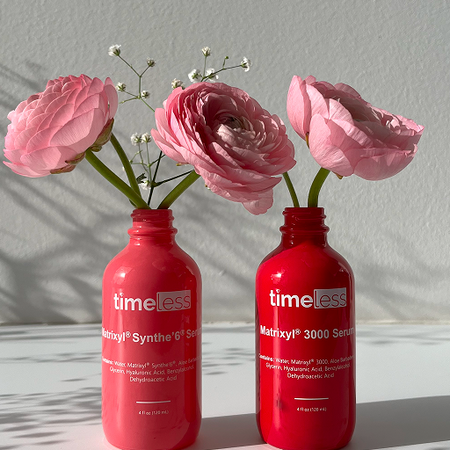
Peptides may help support the appearance of firmness. Our peptides category includes Matrixyl® 3000 Serum.
Antioxidants: Coenzyme Q10
Antioxidants can also be part of an evening routine. Coenzyme Q10, or ubiquinone, is a lipid-soluble antioxidant naturally found in skin.
Topical CoQ10 provides antioxidant support as the skin's natural CoQ10 levels decline with age. CoQ10 helps improve the appearance of fine lines. CoQ10 supports firmer-looking skin.
Our antioxidant category includes Coenzyme Q10 Serum. If you have vitiligo, check with your dermatologist before using a CoQ10 product.
Barrier Support: Vitamin B5
Calcium pantothenate, a form of Vitamin B5, supports the skin barrier and helps the skin retain moisture. Vitamin B5 helps the skin feel more comfortable.
Vitamin B5 can be useful when skin feels tight from cold weather, central heating, or frequent travel. It can be layered underneath richer creams for evening hydration. For additional information, read what are the 3 benefits of Vitamin B5.
Night Skincare Routines by Skin Type
Every complexion has different requirements. Customizing your evening steps based on your specific skin type can help you balance hydration and comfort. You can also explore DIY Build Your Kit for routine planning.
For Oily and Blemish-Prone Skin
Oily skin can still benefit from hydration and barrier support. Harsh cleansing may leave oily skin feeling tight or uncomfortable.
- Cleanse with a lightweight, foaming gel cleanser.
- Apply a clarifying or balancing toner.
- Layer a lightweight, water-based peptide or hydrating serum.
- Finish with an oil-free, gel-cream moisturizer that helps reduce moisture loss without feeling heavy.
For Dry and Dehydrated Skin
Dry skin lacks natural lipids, while dehydrated skin lacks water. A nighttime routine for this skin type can focus on layering humectants underneath rich emollients.
- Begin with an oil-based cleansing balm to remove daily buildup.
- Follow with a creamy, non-foaming water cleanser.
- Apply a hydrating toner across the face and neck.
- Layer a humectant serum.
- Apply a rich night cream with emollients.
- Press a few drops of facial oil onto the skin as a final conditioning layer.
For Combination Skin
Combination skin requires a flexible approach that addresses an oily T-zone alongside dry or normal cheeks.
- Double-cleanse using a gentle, balanced gel-to-milk cleanser.
- Apply a balancing toner across the entire face.
- Use targeted hydrating serums and peptide formulas over the full face.
- Apply a medium-weight lotion, focusing slightly more product on drier areas like the cheeks.
Bottom line: Adjust the weight of your evening moisturizer based on how your skin feels seasonally, but keep your core cleansing and serum steps consistent.
Common Evening Layering Mistakes to Avoid
Even with quality products, minor sequencing errors can affect your cosmetic results. Avoid these common pitfalls when applying your nighttime routine.
1. Applying Products Out of Viscosity Order
Putting a rich cream on before your water-based serums may create a physical barrier. Water-soluble active ingredients may have difficulty moving through thick emollients. A simple rule is to apply lightweight liquids first and dense creams last.
2. Skipping the Double Cleanse When Wearing Sunscreen
Sunscreen formulas are designed to adhere to the skin throughout the day. A quick wash with a gentle water cleanser may leave behind mineral filters or water-resistant film formers. Using an oil-based first cleanse can help clear the skin before you apply your serums.
3. Layering Too Many Strong Actives in One Night
Using multiple exfoliating acids, strong retinoids, and potent treatments in a single evening may be too much for some skin. Individual reactions vary, and anyone with known sensitivities may wish to discuss active treatments with a dermatologist. Rotate your active treatments across different nights rather than layering them all at once.
4. Forgetting Morning Sunscreen
A successful nighttime skincare routine should be paired with daytime protection. When you use cosmetic treatments at night to smooth texture and improve the appearance of dullness, protect your skin during the day. Always apply a broad-spectrum sunscreen rated SPF 30 or higher every morning.
Setting Realistic Expectations for Evening Skincare
Caring for your skin is an ongoing practice rather than an overnight transformation. A proper evening routine can support skin comfort, while visible changes in texture, firmness, and tone take time.
Cosmetic results are gradual and vary significantly from person to person. Factors such as genetics, overall health, environmental stress, and consistency can influence how your skin responds to topical ingredients.
Use a consistent evening routine and assess changes in your skin's comfort and radiance over time.
Frequently Asked Questions
Why does the order of skincare products matter at night?
Layering products from thinnest to thickest can help lightweight, water-based formulas reach the skin surface before heavier creams or oils. Applying a dense moisturizer before a watery serum may leave the serum on the surface instead of allowing it to spread evenly.
Can I apply a facial oil before my night cream?
Facial oils can be applied after your moisturizer or mixed directly into your cream. Because oils have occlusive properties, applying them before a water-based moisturizer may hinder the spread of hydrating ingredients.
How long should I wait between applying each evening step?
You do not need to wait long periods between most steps. Apply serums to slightly damp skin after toner so humectants spread easily. Give each serum about 30 to 60 seconds to settle before applying your moisturizer to help limit pilling.
Is a night moisturizer necessary if I already use a hydrating serum?
Yes. Hydrating serums and moisturizers serve different roles. Hyaluronic acid helps attract, bind, and retain water in the outer layers of the skin, while a moisturizer adds emollient and occlusive components. A night moisturizer helps reduce transepidermal water loss (TEWL).