Introduction
Building an effective skincare routine involves more than picking the right ingredients. The sequence in which you apply each formula can affect how products layer on the skin. Applying products out of sequence can reduce their cosmetic benefits or leave your complexion feeling congested.
Timeless Skin Care was founded in 2009 by Veronica Pedersen with a focus on simple, concentrated formulations. When you understand the basic mechanics of how different textures and formulas work together, arranging your routine becomes straightforward with our skincare quiz.
Quick Answer: Apply your skincare products from thinnest consistency to thickest consistency, starting with a clean face and finishing with broad-spectrum sunscreen in the morning or a moisturizer at night.
Applying your products in the proper order allows lightweight hydrators to reach the skin surface before heavier creams form a surface layer. Whether your daily regimen contains three steps or seven, following a consistent order can make the routine easier to follow.
The Core Principles of Product Layering
Skincare layering follows a few fundamental physical rules. When you keep these core principles in mind, you can easily determine where any product fits into your daily routine.
The Thinnest-to-Thickest Rule
The most reliable guideline for applying skincare is to work from the thinnest texture to the thickest texture. Water-based liquids, watery essences, and light serums come first. Medium-weight formulas like emulsions and light lotions come second. Dense creams, occlusive balms, and facial oils come last.
Thinner formulas rely on fast absorption into the surface layers. If you apply a dense, oil-rich cream first, a watery serum applied on top may not reach the surface as effectively.
Water-Based Formulations Before Oil-Based Formulations
Water and oil do not mix naturally. Water-based solutions absorb quickly across the upper layers of the skin. Oil-based formulas create a surface layer that helps reduce moisture loss.
If you apply a facial oil before a water-based serum, the oil can make layering less predictable. Apply your water-based hydrators first. Once they absorb, follow with your oil-containing creams or facial oils.
Humectants Versus Moisturizers and Occlusives
Understanding ingredient categories helps clarify why certain steps belong where they do.
- Humectants: Ingredients like hyaluronic acid and glycerin. Hyaluronic acid helps attract, bind, and retain water in the outer layers of the skin. It also helps support hydration in the upper layers of the epidermis.
- Emollients: Ingredients like squalane, plant oils, and fatty acids that smooth the feel of rough skin flakes.
- Occlusives: Ingredients like petrolatum, shea butter, and heavier waxes that create a physical barrier on the surface.
Some moisturizers combine humectants, emollients, and occlusive agents. A dedicated moisturizer helps reduce transepidermal water loss (TEWL), the water that evaporates from the skin's surface. Applying a humectant serum before a moisturizer is a common layering approach, and a moisturizer helps reduce moisture loss throughout the day.
| Formulation Type | Texture Characteristic | Typical Placement in Routine |
|---|---|---|
| Water-Based Liquid | Watery, fast-absorbing | Immediately after cleansing |
| Light Serum | Viscous liquid or fluid gel | After watery toners, before creams |
| Emulsion / Gel-Cream | Lightweight lotion | After serums, before dense creams |
| Rich Cream / Balm | Dense, occlusive texture | Near the end of the routine |
| Facial Oil | Anhydrous, lipid-rich | After or mixed with moisturizer |
| Sunscreen | Mineral or chemical fluid/cream | Absolute final step in AM routine |


The Step-by-Step Morning Skincare Order
Your morning routine focuses on surface hydration, antioxidant support, and protection against environmental stress. During the day, your skin encounters ambient dust, dry air, and sunlight.
The morning sequence follows these steps:
- Cleanse with a gentle face wash or rinse with lukewarm water.
- Apply a balancing or hydrating toner.
- Apply an antioxidant serum.
- Apply a dedicated hydrating serum.
- Apply eye cream around the orbital area.
- Apply a daily facial moisturizer.
- Finish with a broad-spectrum sunscreen rated SPF 30 or higher.
Step 1: Gentle Morning Cleansing
A morning cleanse removes sweat, excess sebum, and residual nighttime products. Dry or sensitive skin types often do well with a gentle splash of lukewarm water or a non-foaming cream cleanser. Oily and combination skin types may prefer a mild gel cleanser that washes away overnight oil buildup without stripping surface lipids.
Step 2: Hydrating Toner or Essence
Applying a hydrating toner prepares the skin for targeted serums. Modern toners supply lightweight hydration directly to the surface. Tapping a liquid toner onto damp skin provides immediate comfort and helps improve the appearance of dehydration lines.
Step 3: Antioxidant Serum
Antioxidant serums are commonly used during the day. An antioxidant helps defend against oxidative stress caused by environmental factors such as UV exposure and pollution. It also helps neutralize free radicals generated by UV exposure.
Vitamin C is among the most thoroughly researched topical antioxidants available. In cosmetic formulas, Vitamin C helps brighten the look of dullness and uneven tone. L-ascorbic acid represents the water-soluble form of this ingredient. Formulation design, an acidic pH level, stability measures, and airtight packaging can all influence how a Vitamin C formula performs.
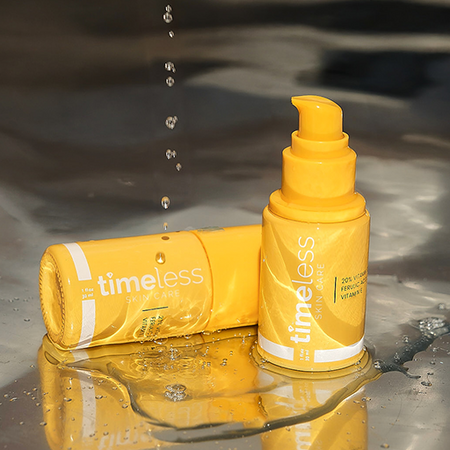
Our 20% Vitamin C + E Ferulic Acid Serum represents an option in the Vitamin C category.
Antioxidant serums containing L-ascorbic acid can be applied directly to clean, dry skin after cleansing or toning.
Step 4: Hydrating Serum
After your antioxidant layer has absorbed, apply a hydrating serum. Hyaluronic acid is a humectant. Hyaluronic acid helps attract, bind, and retain water in the outer layers of the skin. It helps support hydration in the upper layers of the epidermis and helps improve the appearance of dehydration lines.
Our Hyaluronic Acid 100% Pure serves as an option in the hydration category.
Patting a hyaluronic acid serum onto slightly damp skin helps attract, bind, and retain water in the outer layers of the skin.
Step 5: Eye Cream
The skin around the eyes is naturally thinner than the rest of the face. An eye cream provides concentrated conditioning in a texture designed for this delicate area. Tap a small amount around the orbital bone using your ring finger, avoiding direct contact with the eyelids or eye margins.
Step 6: Daily Moisturizer
A daily moisturizer softens the skin and helps reduce transepidermal water loss (TEWL), the water that evaporates from the skin's surface. Oily skin types may prefer lightweight gel-creams, while dry skin types may prefer rich creams with ceramides and plant butters.
Step 7: Broad-Spectrum Sunscreen
Sunscreen is the non-negotiable final step of every morning skincare routine.
Use a broad-spectrum sunscreen with an SPF rating of 30 or higher every day, regardless of weather conditions. Apply a generous amount to your entire face, neck, and ears. Let your sunscreen settle for several minutes before applying foundation or cosmetic powders.
Key Takeaway: Morning routines prioritize surface hydration, daytime antioxidant defense, and diligent sun protection.
The Step-by-Step Evening Skincare Order
Your evening routine focuses on thorough cleansing, targeted appearance concerns, and barrier conditioning. At night, you remove accumulated surface debris and support the skin barrier while you rest.
The evening sequence follows these steps:
- Remove makeup and sunscreen with an oil-based cleanser.
- Wash the face with a gentle water-based cleanser.
- Apply an exfoliating toner or treatment, used one to three times weekly.
- Apply targeted peptide or antioxidant serums.
- Apply a targeted eye cream.
- Apply a nourishing night moisturizer.
- Apply a heavier facial oil if extra conditioning is desired.
Step 1 and Step 2: The Double Cleanse
A double cleanse can help remove long-wearing sunscreen, cosmetic makeup, and environmental particulates.
- First cleanse: Massage a cleansing oil, balm, or micellar water onto dry skin to dissolve surface lipids and makeup pigments. Rinse with lukewarm water.
- Second cleanse: Follow with a water-based gel or cream cleanser to wash away water-soluble debris, sweat, and residual oils.
This two-step process leaves your skin thoroughly clean without requiring aggressive rubbing.
Step 3: Chemical Exfoliation, Occasional
Chemical exfoliants loosen dead cells from the skin surface to reveal a smoother, brighter-looking complexion. Alpha hydroxy acids (AHAs) like glycolic and lactic acid work on the surface to refine rough texture. Beta hydroxy acid, or salicylic acid, is oil-soluble.
Limit chemical exfoliation to one to three nights per week. Over-exfoliating can compromise the skin barrier and lead to visible redness and irritation.
Step 4: Targeted Treatment Serums
The serum step in your evening routine is suited to targeted ingredients that support visible skin firmness, tone, and texture.
Peptides may help support the appearance of firmness.
Coenzyme Q10 (Ubiquinone) is a lipid-soluble antioxidant naturally found in skin. Topical CoQ10 provides antioxidant support as the skin's natural CoQ10 levels decline with age. It helps improve the appearance of fine lines and supports firmer-looking skin.
Our Coenzyme Q10 Serum is an offering within our antioxidant category.
If you have vitiligo, check with your dermatologist before using a CoQ10 product. Do not apply CoQ10 products to the immediate under-eye area.
Step 5: Eye Care
In the evening, an eye cream provides sustained hydration to the eye contour. Look for formulas containing peptides, caffeine, or hyaluronic acid. Eye products may be selected for concerns such as the appearance of puffiness and dark circles.
Step 6: Nighttime Moisturizer
Night creams are typically richer than daytime lotions. They may contain emollients and barrier-supporting ingredients like ceramides, cholesterol, and fatty acids. A nourishing night moisturizer supports the skin barrier and helps the skin retain moisture while you sleep.
Step 7: Facial Oils, Optional
If your skin feels dry or tight, a facial oil can serve as the final step in your nighttime regimen. Facial oils provide lipid replenishment and help reduce moisture loss by forming a soft protective layer over your moisturizer. Pat two or three drops over your face as the final step before sleep.
How to Layer Multiple Active Serums
Many skincare enthusiasts use more than one serum to address different cosmetic goals. Layering serums correctly can help reduce product pilling and skin discomfort. See how to layer multiple serums for additional routine guidance.
Note: When using multiple serums with similar liquid textures, apply the one addressing your primary skin goal first.
Managing Consistency and Formulation Bases
When applying multiple serums, follow this order of application:
- Low-pH, thin liquids: Water-soluble Vitamin C (L-ascorbic acid) serums.
- Water-based hydrators: Thin hyaluronic acid solutions and liquid peptide serums.
- Emulsion serums: Milky, opaque formulas containing suspended lipids.
- Anhydrous serums: Water-free formulas and facial oils.
Pairing Ingredients Thoughtfully
Certain ingredients can be layered together, while others are best separated between morning and evening routines.
- Vitamin C and Hyaluronic Acid: A water-based hyaluronic acid serum can be layered over an antioxidant Vitamin C serum. Hyaluronic acid helps attract, bind, and retain water in the outer layers of the skin.
- Peptides and hydrators: Peptides may be layered with hydrating formulas in both morning and evening routines.
- Exfoliating acids and strong actives: When using direct exfoliating acids like glycolic or salicylic acid, consider alternating evenings rather than stacking multiple potent actives in a single session.
If you introduce new ingredients to your routine, remember that individual reactions vary. Anyone with a known sensitivity or diagnosed skin condition should check with their dermatologist.
Setting Realistic Expectations for Your Skincare Routine
Skincare routines deliver cosmetic improvements through steady, consistent use over time. Hydrating humectants may improve the appearance of dehydration lines, while visible changes in skin texture, firmness, and tone can vary.
Appearance changes in firmness, clarity, and tone can vary with consistent application.
Product performance can also vary with formulation design, stability, packaging, and compatibility with your unique skin barrier.
A simple routine followed consistently can be easier to maintain than a complex routine used inconsistently. Veronica Pedersen founded Timeless Skin Care on the belief that effective skincare should be accessible and straightforward.
Frequently Asked Questions
How long should I wait between applying skincare steps?
You do not need to wait lengthy periods between most skincare steps. In general, allow each product to absorb until your skin feels slightly tacky or damp before applying the next layer.
The main exception is sunscreen. Allow your daytime moisturizer to dry down completely before applying your broad-spectrum sunscreen, and let your sunscreen set for a few minutes before applying makeup.
Can I apply face oil before moisturizer?
Because oils are occlusive and lipid-rich, applying an oil before a water-based moisturizer can hinder the moisturizer from absorbing into the surface layers.
Facial oils are best applied after your moisturizer or mixed directly into your cream. If you use a very light, dry oil, you can experiment with applying it before a heavy cream, but the standard rule is oil after water.
What is the simplest effective skincare order for beginners?
A simple, beginner-friendly routine can use three basic steps in the morning and three in the evening.
In the morning: cleanse your skin, apply a moisturizer, and finish with a broad-spectrum sunscreen.
In the evening: cleanse your skin thoroughly, apply a targeted serum or humectant, and apply your moisturizer. Once you establish this habit, you can introduce additional steps as desired.
Is it necessary to cleanse the face in the morning?
Morning cleansing depends on your skin type and personal comfort. Oily skin types may benefit from a gentle morning cleanser to remove overnight sebum and residue.
Those with dry or sensitive skin may find that a gentle rinse with lukewarm water is sufficient to refresh the skin surface without stripping natural oils. If you wake up with noticeable oil or sweat, a mild cleanser may be useful.