Introduction
Building an effective daily regimen involves more than just selecting quality formulas. How you layer those formulas influences the order of your routine.
When products are applied in an incompatible sequence, heavier creams may make it harder for lighter liquids to reach the surface of your skin.
Skincare layering follows basic principles of chemistry and physics. Thinner textures often absorb more quickly, while dense creams can create a barrier. Understanding the correct order of skincare can help you organize each step of your routine.
Founded in 2009 by Veronica Pedersen, Timeless Skin Care focuses on clean formulas made in the USA in small batches. This guide explains how to arrange your morning and evening routines.
Quick Answer: The standard rule for skincare layering is to apply products from thinnest to thickest texture: cleanser, toner or essence, water-based serums, eye cream, moisturizer, and broad-spectrum sunscreen for daytime.
Fundamental Principles of Skincare Layering
Before looking at specific routines, it helps to understand why certain products go before others. Skincare formulation relies on distinct vehicle types, ranging from watery liquids to rich lipids.
Texture: Thinnest to Thickest
The primary rule of product application is texture density. Water-based liquids often have lower viscosity and absorb quickly into the upper layers of the skin. If you apply a dense, oil-rich cream first, it can form a film on the skin surface. Any watery serum applied over that film may have more difficulty reaching the epidermis.
| Step Type | Typical Consistency | Primary Role |
|---|---|---|
| Cleanser | Gel, foam, cream, or oil | Cleans surface debris |
| Toner or Mist | Water-light liquid | Prepares skin surface |
| Water-Based Serum | Fluid or light gel | Delivers active ingredients |
| Emulsion or Lotion | Lightweight liquid cream | Adds light hydration |
| Cream Moisturizer | Rich cream or balm | Reduces moisture loss |
| Facial Oil | Viscous lipid | Provides lipid-based barrier support |
| Sunscreen (AM) | Lotion, gel, or fluid | Defends against UV exposure |
Solubility: Water Before Oil
Water and oil naturally repel each other. Water-soluble formulas are generally applied to clean skin before lipid-based products. Lipid-based products, such as face oils and dense moisturizers, stay on the outer surface longer. Applying a water-based formula over a facial oil can cause the water to bead up rather than absorb. Apply water-soluble serums before introducing oil-based treatments.
Formula pH and Wait Times
Some formulas have a specific pH. For example, L-ascorbic acid is used in an acidic formulation. When using low-pH treatments, allow the formula a moment to settle into the skin before applying a neutral moisturizer. You do not need to wait ten minutes between every step. Giving each layer thirty to sixty seconds to absorb is generally sufficient to prevent pilling.
Key Takeaway: Layering your products from thinnest to thickest and water-based to oil-based can help each formula reach the skin surface without interference. Learn more about how to layer multiple serums.


The Daytime Sequence: Focus on Daily Protection
Your morning routine prepares your complexion for the day ahead. Daytime formulas should defend the skin from environmental stressors and maintain balanced hydration levels throughout your daily activities.
- Gentle cleanser.
- Hydrating toner or essence.
- Antioxidant serum.
- Hydrating serum.
- Eye cream.
- Daily moisturizer.
- Broad-spectrum sunscreen.
1. Cleanser
A morning cleanse removes sweat, excess sebum, and residual nighttime products. A gentle, sulfate-free foaming or gel cleanser may fit this step. If your skin feels dry or tight in the morning, a simple lukewarm water rinse may be sufficient. Avoid harsh scrubbing that can disrupt the outer lipid layer.
2. Toner or Treatment Mist
Modern toners are designed to hydrate and refresh the skin rather than strip it with harsh alcohol. A hydrating mist or liquid toner dampens the skin surface. Applying humectant serums to slightly damp skin helps attract, bind, and retain water in the outer layers of the skin.
3. Antioxidant Serum
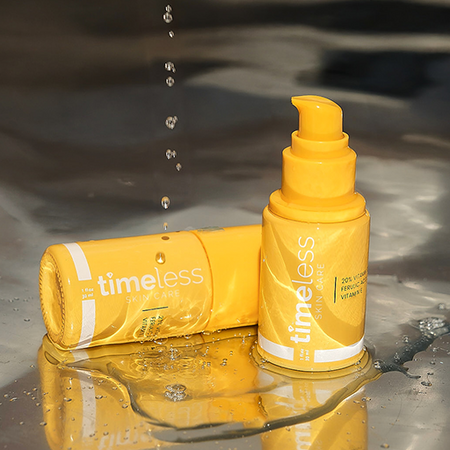
Our Vitamin C category includes the 20% Vitamin C + E Ferulic Acid Serum.
Morning is a common time to apply an antioxidant treatment. An antioxidant helps defend against oxidative stress caused by environmental factors such as UV exposure and pollution. Vitamin C is a popular choice for this step because it helps brighten the look of dullness and uneven tone.
4. Hydrating Serum
After applying your antioxidant, follow with a dedicated hydrator. Hyaluronic acid is a widely used humectant that helps support hydration in the upper layers of the epidermis. Because hyaluronic acid is water-soluble, it fits neatly into this phase of your routine.
5. Eye Cream
The skin surrounding the eyes is thinner than the rest of the facial skin. Applying eye cream before your all-over facial moisturizer helps focus the application on this delicate area. Tap a small amount around the orbital bone using your ring finger to avoid unnecessary pulling.
6. Moisturizer
A daily moisturizer helps reduce transepidermal water loss (TEWL), the water that evaporates from the skin's surface. Choose a lotion, gel-cream, or rich cream based on your individual skin type. Oily complexions often benefit from oil-free fluid lotions, while dry skin types may require a cream containing ceramides or fatty acids.
7. Broad-Spectrum Sunscreen
Daily broad-spectrum sunscreen is the essential final step of every morning skincare regimen. Apply a sunscreen rated SPF 30 or higher generously across your face, neck, and ears. Sunscreen forms a protective surface barrier and must always be layered over your moisturizer, never beneath it.
The Evening Sequence: Focus on Restoration and Hydration
While daytime routines focus on defense, nighttime routines emphasize gentle cleansing, targeted ingredients, and barrier support.
- First cleanse with an oil cleanser or micellar water.
- Second cleanse with a water-based cleanser.
- Use an exfoliant or clarifying treatment two to three times weekly.
- Apply targeted treatment serums.
- Apply eye treatment.
- Apply night moisturizer or barrier cream.
- Apply facial oil if desired.
1. Double Cleansing
Double cleansing can help remove water-resistant sunscreen, long-wear makeup, and environmental grime accumulated throughout the day.
- First step: Massage a cleansing balm or oil onto dry skin to dissolve surface lipids and makeup.
- Second step: Wash with a gentle, water-based cleanser to sweep away remaining impurities without stripping natural moisture.
2. Chemical Exfoliation
If you use chemical exfoliants like glycolic, lactic, or salicylic acid, apply them directly after cleansing. Limit exfoliation to two or three nights per week. Exfoliating too frequently can compromise the skin barrier and cause unwanted irritation.
3. Targeted Night Serums
Nighttime can be a useful time for applying concentrated active ingredients. You can rotate different treatments depending on your primary goals.
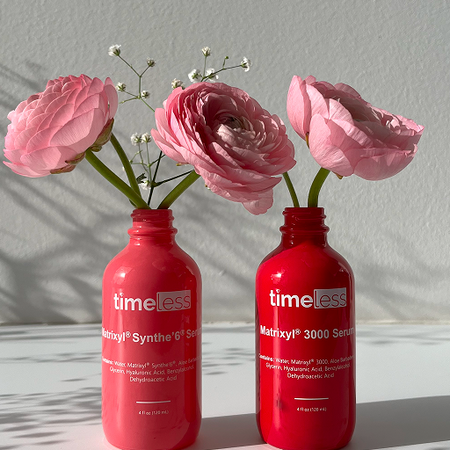
- Peptides: Formulas featuring Matrixyl 3000 or Matrixyl Synthe'6 may help support the appearance of firmness. Learn more in Matrixyl Synthe'6 vs. Matrixyl 3000.
- Coenzyme Q10: Within our Antioxidant category, you will find Coenzyme Q10 Serum.
- CoQ10: CoQ10 is a lipid-soluble antioxidant naturally found in skin. It provides antioxidant support as the skin's natural CoQ10 levels decline with age. It helps improve the appearance of fine lines and supports firmer-looking skin.
- Hydrating serums: Our Hydration category includes Hyaluronic Acid 100% Pure.
- Hyaluronic acid: Hyaluronic acid helps improve the appearance of dehydration lines.
4. Night Moisturizer
Night creams are frequently richer than daytime lotions. A nourishing night formula supports the skin barrier and helps the skin retain moisture while you sleep. Massage the cream evenly over your face, neck, and décolletage.
5. Facial Oil
If your skin is prone to persistent dryness, you can finish your evening routine with a few drops of facial oil. Because oils are occlusive, they can sit on top of your moisturizer to help reduce moisture loss through the night.
Understanding Active Ingredients and Application Rules
Layering multiple active ingredients requires basic knowledge of how ingredients interact. Applying too many strong formulas at once can lead to redness or flaking.
| Ingredient | Primary Cosmetic Benefit | Best Routine Placement |
|---|---|---|
| Vitamin C | Helps brighten the look of dullness and uneven tone | Morning, on clean bare skin |
| Hyaluronic Acid | Helps support hydration in the upper layers of the epidermis | Morning and evening, under cream |
| CoQ10 | Supports firmer-looking skin | Morning or evening, once daily |
| Peptides | May help support the appearance of firmness | Morning or evening, after toning |
| Vitamin B5 | Helps the skin feel more comfortable | Morning or evening, before cream |
Vitamin C Application Details
L-ascorbic acid is the most researched form of vitamin C, but that does not automatically make it the best form. Apply vitamin C to clean, dry skin right after cleansing.
Vitamin C oxidizes gradually when exposed to air, light, and heat. An oxidized serum changes color over time, loses potency, and may increase the likelihood of irritation for some people. Store your bottle in a cool, dark location. Morning use should always be paired with broad-spectrum sunscreen. Evening application is also acceptable.
Hyaluronic Acid Application Details
Hyaluronic acid is a humectant, not a moisturizer. It helps attract, bind, and retain water in the outer layers of the skin. Sodium hyaluronate is the sodium salt of hyaluronic acid, while hydrolyzed hyaluronic acid is hyaluronic acid broken into smaller fragments.
For the best experience, apply hyaluronic acid serums to slightly damp skin. Follow with a moisturizer that helps reduce transepidermal water loss (TEWL).
CoQ10 Application Details
CoQ10 is a lipid-soluble antioxidant naturally found in skin. It provides antioxidant support as the skin's natural CoQ10 levels decline with age. It helps improve the appearance of fine lines and supports firmer-looking skin.
CoQ10 is generally used once daily on the face and neck. Avoid applying CoQ10 directly under the eyes or along the lash line. If you have vitiligo, check with your dermatologist before using a CoQ10 product.
Vitamin B5 and Peptides
Vitamin B5 supports the skin barrier and helps the skin retain moisture. It helps the skin feel more comfortable. Read more about Vitamin B5.
Peptides, such as palmitoyl tripeptide-1 and palmitoyl tetrapeptide-7, may help support the appearance of firmness.
Note: Individual reactions to skincare ingredients vary. Anyone with a known skin sensitivity or a diagnosed skin condition should check with their dermatologist before introducing new active formulas.
Setting Realistic Expectations for Skincare Results
Visible changes in skin tone, texture, and hydration may require patience and regular application. Consistent use can support the appearance of smoother, more hydrated skin.
Consistency matters alongside simplicity. A simple, well-ordered routine applied regularly may be easier to maintain than an inconsistent regimen with dozens of mismatched steps. For help organizing your steps, try our skincare quiz.
Frequently Asked Questions
How long should I wait between applying different skincare steps?
You do not need extended wait times between most everyday steps. Allow each liquid or serum layer roughly thirty to sixty seconds to absorb before applying your moisturizer, which may help reduce pilling. When using low-pH formulas, waiting one minute before applying your next product allows the formula to settle on the skin surface.
Can I layer two different serums in the same routine?
Yes, you can layer multiple serums if your skin tolerates them. Apply the serum with the thinnest, most watery texture first. Allow it to absorb before applying the second, more viscous serum. If both serums have identical fluid consistencies, apply the one that addresses your primary skin concern first. To avoid overwhelming your skin, you may limit your routine to two targeted serums per application.
Where do spot treatments fit in the order of skincare?
Spot treatments are generally applied close to the skin. If your spot treatment contains drying ingredients, apply it after your cleanser and toner but before applying heavy creams. Alternatively, you can apply your moisturizer first, let it absorb, and then dab the treatment directly onto the specific area. This technique helps minimize dryness on the surrounding skin.
Should my morning and evening skincare routines be the same?
Your morning and evening routines should share a similar foundation but focus on different objectives. Morning routines prioritize hydration and defense, finishing with a broad-spectrum sunscreen. Evening routines focus on removing daytime impurities, providing richer moisture, and utilizing targeted ingredients like peptides or gentle exfoliants. Adapting your sequence to the time of day can help organize your routine.