Introduction
Building an effective skincare regimen involves more than selecting targeted formulas. The sequence in which you apply each product helps organize your routine. Lighter textures are generally applied before richer creams and oils.
Skincare layering follows basic principles of texture, density, and chemistry. Lighter, water-based solutions go on first, followed by richer creams and oils. Morning regimens focus on daytime defense and hydration, while evening steps prioritize cleansing and reducing moisture loss.
At Timeless Skin Care, we focus on simple, focused regimens built around quality essentials. Understanding how to structure your daily routine can help keep your skin feeling balanced and comfortable.
Quick Answer: Apply your skincare products from thinnest to thickest texture. Start with water-based liquids and serums on clean skin, layer on richer creams to reduce moisture loss, and finish with a broad-spectrum sunscreen every morning.
The Fundamental Principles of Skincare Layering
Layering products correctly does not require a complex ten-step process. Keeping your routine straightforward can reduce the chance of unwanted surface irritation. Mastering product order comes down to three basic rules.
1. Thin to Thick Consistency
The primary guideline for any regimen is texture. Start with watery toners or essences, transition to lightweight serums, follow with emulsions or lotions, and conclude with rich creams or facial oils.
2. Water Before Oil
Apply water-soluble treatments first. Save lipid-rich formulas, facial oils, and occlusives for the end of your routine.
3. Daytime Protection vs. Nighttime Replenishment
Morning routines should emphasize hydration and environmental defense. The goal is to support the skin against daily elements and UV exposure.
Evening routines focus on thorough cleansing and moisture. This is also a common time to use targeted ingredients like retinoids or exfoliating acids, paired with richer moisturizers that help reduce moisture loss while you sleep.
| Step Phase | Morning Focus | Evening Focus |
|---|---|---|
| First Step | Gentle water-soluble cleanse | Makeup removal and thorough cleansing |
| Intermediate | Water-based serums and hydration | Targeted actives and treatment serums |
| Final Step | Broad-spectrum sunscreen (SPF 30+) | Emollient moisturizer or overnight cream |


Step-by-Step Morning Routine Order
A focused daytime regimen prepares your skin for the day ahead. Each morning step builds a foundation of hydration and defense without feeling heavy under makeup or throughout daily activities.
Step 1: Gentle Cleanser
Morning cleansing removes excess oils, sweat, and residual skincare from the previous evening. A mild, non-stripping cleanser refreshes the skin without disrupting its natural surface balance.
If your skin feels dry in the morning, a simple lukewarm water rinse may suffice. Those with combination or oily skin types generally benefit from a gentle foaming or gel cleanser to start with a clean slate.
Step 2: Hydrating Toner or Essence (Optional)
Toners are not strictly necessary for every person, but a hydrating mist or liquid essence can add a lightweight layer of hydration. Modern toners are alcohol-free and focus on refreshing the skin surface.
Pat the liquid gently over your face and neck using your hands. This step prepares the skin surface for concentrated serums.
Step 3: Vitamin C and Antioxidant Serums
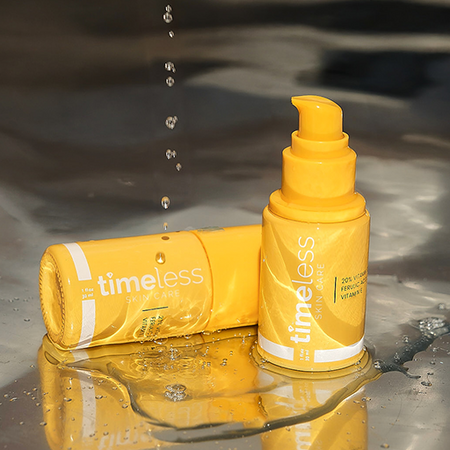
For a vitamin C option, Timeless Skin Care provides 20% Vitamin C + E Ferulic Acid Serum.
An antioxidant serum helps defend against oxidative stress caused by environmental factors such as UV exposure and pollution. Vitamin C also helps brighten the look of dullness and uneven tone.
The specific form of vitamin C, the overall formulation, the pH level for L-ascorbic acid, stability factors, and protective packaging can affect a serum's performance. L-ascorbic acid is the most researched form of vitamin C in skincare. It is sensitive to air, light, and heat and can gradually oxidize over time.
Step 4: Hydrating and Peptide Serums
After your antioxidant serum, layer on additional lightweight serums that target surface hydration or the appearance of firmness.
Timeless Skin Care offers Hyaluronic Acid 100% Pure.
Hyaluronic acid is a humectant. It helps attract, bind, and retain water in the outer layers of the skin. It helps support hydration in the upper layers of the epidermis and helps improve the appearance of dehydration lines. Because hyaluronic acid is a humectant rather than a moisturizer, it works well when layered under an emollient cream.
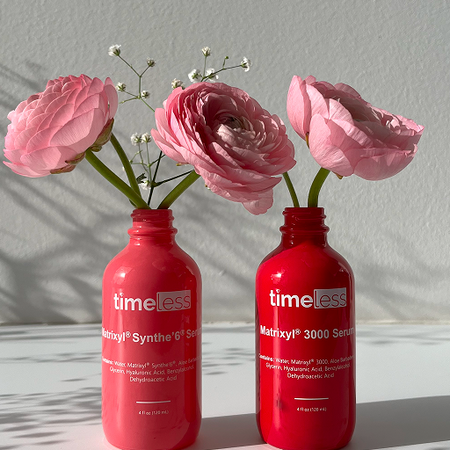
Within peptide formulas, Timeless Skin Care includes Matrixyl® 3000 Serum.
Peptide serums may help support the appearance of firmness and smooth the look of skin texture.
Step 5: Eye Cream (Optional)
The skin around the orbital area is delicate and thinner than the rest of the face. If you choose to use a dedicated eye product, apply a small amount before your facial moisturizer. Use your ring finger to gently tap the formula along the orbital bone, avoiding direct contact with the eyes.
Step 6: Moisturizer
Moisturizer helps reduce transepidermal water loss (TEWL), the water that evaporates from the skin's surface. Choose a lightweight gel, lotion, or cream depending on your individual skin type. Smooth the moisturizer evenly across your face and neck to keep the skin feeling balanced.
Step 7: Broad-Spectrum Sunscreen
Sunscreen is the non-negotiable final step of every morning skincare routine. UV rays are present year-round, even on cloudy days and through window glass. Daily application of a broad-spectrum sunscreen with an SPF of 30 or higher helps protect against premature visible aging and sunburn.
Apply sunscreen generously to the face, neck, and ears as the last skincare step before any makeup.
Key Takeaway: Always apply broad-spectrum sunscreen as the very last step in your morning routine. Layering moisturizers or oils over sunscreen can disrupt the protective film on your skin.
Step-by-Step Evening Routine Order
Your nighttime regimen allows you to clear away the buildup of the day and use targeted active ingredients. Evening routines can accommodate richer textures and moisture-focused care.
- First cleanse for makeup and sunscreen removal.
- Use a water-based second cleanser.
- Apply an exfoliant or retinoid treatment.
- Apply hydrating and barrier support serums.
- Finish with a night cream or rich moisturizer.
Step 1: Makeup and Sunscreen Removal
The first step of an evening routine breaks down long-wearing makeup, surface oils, and water-resistant sunscreen filters. A cleansing oil, micellar water, or cleansing balm dissolves surface grime without aggressive scrubbing.
Gently massage the cleansing oil over dry skin, then emulsify with lukewarm water and rinse thoroughly.
Step 2: Water-Based Cleanser
Following your initial makeup removal with a gentle water-based cleanser ensures that traces of dirt, sweat, and residue are washed away. This second wash cleans the skin surface directly, allowing your evening treatments to follow without interference.
Step 3: Targeted Treatments and Exfoliants
Nighttime is a common time to use treatments such as chemical exfoliants, including AHAs or BHAs, or retinoids. These ingredients can help smooth rough texture and refine the look of pores.
Use chemical exfoliants only two to three nights per week to avoid over-exfoliation. On alternate nights, you can apply a retinoid. Avoid using strong exfoliating acids and retinoids at the same time, as layering multiple strong actives can lead to dryness and flaking.
Step 4: Hydrating and Barrier Support Serums
After your treatment step has settled, layer on hydration. Vitamin B5 (Calcium Pantothenate) supports the skin barrier and helps the skin retain moisture. Vitamin B5 helps the skin feel more comfortable following active treatments.
You can also apply humectant serums here to support hydration in the upper layers. Water-soluble formulas can be followed by your final moisturizing step.
Step 5: Evening Moisturizer or Night Cream
Finish your evening routine with an emollient moisturizer. Nighttime creams often contain richer textures, plant oils, or ceramides that help reduce transepidermal water loss (TEWL), the water that evaporates from the skin's surface during sleep.
For individuals with dry skin, a few drops of a facial oil can be pressed over your moisturizer as an optional final step to provide extra surface comfort.
How to Layer Specific Active Ingredients
Incorporating multiple active ingredients into a weekly schedule requires thoughtful planning. Understanding how different active ingredients fit into a routine can help keep your regimen comfortable and consistent.
Vitamin C and Other Actives
Vitamin C helps neutralize free radicals generated by UV exposure. Vitamin C supports the skin's antioxidant defenses.
Vitamin C can also be used in the evening, as discussed in vitamin C in the evening. If you use it in the morning, pair it with a broad-spectrum sunscreen.
If you use direct exfoliating acids such as glycolic or salicylic acid, consider using them in the evening while reserving your vitamin C for the morning. This separation can help maintain skin comfort.
Coenzyme Q10 (CoQ10)
CoQ10 is a lipid-soluble antioxidant found naturally in the skin. CoQ10 provides antioxidant support as the skin's natural CoQ10 levels decline with age. CoQ10 helps improve the appearance of fine lines and supports firmer-looking skin.
CoQ10 is generally used once daily and can be applied after lighter water-based serums in either a morning or evening routine. Never apply CoQ10 products directly under the eyes. If you have vitiligo, check with your dermatologist before using a CoQ10 product.
Humectants vs. Moisturizers
Understanding the difference between humectants and moisturizers is useful for proper layering. Hyaluronic acid helps attract, bind, and retain water in the outer layers of the skin. Humectants do not prevent that water from evaporating on their own.
Moisturizers help reduce moisture loss. Apply a humectant serum first, followed by an emollient moisturizer.
Note: Individual skin reactions vary when introducing concentrated active ingredients. If you have known sensitivities or a diagnosed skin condition, consider checking with your dermatologist before starting a new routine.
Realistic Expectations and Consistency
Achieving visible improvements in skin tone, texture, and radiance requires patience and daily consistency. Cosmetic changes occur gradually as the outer layers of your skin naturally renew.
Hyaluronic acid helps improve the appearance of dehydration lines. Other ingredients may require consistent use before you notice cosmetic changes. Peptides may help support the appearance of firmness with consistent use.
Skin responds uniquely based on genetics, climate, lifestyle, and overall routine balance. Resist the urge to add multiple new products to your regimen all at once. Introduce one formula at a time, allowing your skin time to adjust.
Frequently Asked Questions
How long should I wait between applying skincare steps?
Most skincare products do not require long waiting periods between applications. You can generally apply your next product as soon as the previous layer feels absorbed and no longer wet on the skin. Sunscreen should be applied after your moisturizer has dried down to help the protective film set evenly over your skin.
Can I use the same moisturizer for morning and night?
Yes, a basic, well-formulated moisturizer can serve both morning and evening routines effectively. However, your daytime moisturizer must always be paired with a broad-spectrum sunscreen with SPF 30 or higher. Some people prefer a lightweight lotion or gel under daytime sunscreen and a richer cream at night to help reduce moisture loss during sleep.
Should I apply serums to damp or dry skin?
Hyaluronic acid can be applied to slightly damp skin. It helps attract, bind, and retain water in the outer layers of the skin. However, potent active treatments such as L-ascorbic acid, direct exfoliating acids, and retinoids are best applied to clean, completely dry skin. Applying strong active ingredients to damp skin may increase absorption and the likelihood of mild irritation.
Is it necessary to double cleanse every single day?
Double cleansing is particularly helpful in the evening if you wear long-lasting makeup, mineral sunscreen, or water-resistant UV filters. The initial oil-based cleanse breaks down stubborn surface residue, while the second water-based wash cleans the skin directly. If you do not wear makeup or heavy sunscreen, a single wash with a gentle, effective cleanser is sufficient.