Introduction
Building an effective skincare regimen involves more than choosing quality formulas. The sequence in which you apply each product can influence how well those formulas perform on the surface of your skin. When you layer products incorrectly, heavier textures can keep lighter treatments from making proper contact with the skin surface, which may contribute to pilling or unnecessary irritation.
Skincare layering follows fundamental principles based on texture, product density, and formulation type. Whether your daily regimen consists of a streamlined three-step routine or a comprehensive multi-step system, following a consistent order helps you organize each step. For help organizing a routine, use our skincare quiz.
Timeless Skin Care was founded in 2009 with a focus on simple, high-concentration formulations made in the USA in small batches. In this guide, we break down the foundational rules of product layering, map out clear step-by-step sequences for morning and evening, and explain how to organize treatments for balanced, healthy-looking skin.
Quick Answer: Apply your products from thinnest to thickest texture. Start with cleansing, move to water-based treatments and serums, follow with moisturizers, and always finish your morning routine with broad-spectrum sunscreen.
The Core Principles of Skincare Layering
Understanding the physical properties of your skincare formulas makes deciding what comes next simple. You do not need to memorize every product combination if you follow three reliable guidelines.
1. Apply from Thinnest to Thickest Consistency
Liquids and lightweight fluids settle on the skin quickly. Dense creams, pastes, and balms take longer to settle and leave a protective film behind. If you apply a rich cream first, any watery serum placed on top may have a harder time reaching the skin surface. Start with watery liquids, progress to lightweight serums, advance to lotions or emulsions, and finish with rich creams.
2. Layer Water-Based Products Before Oil-Based Products
Water and oil do not mix naturally. Water-based serums and toners provide hydration to the upper layers of the epidermis. Oil-based formulas, facial oils, and rich emollient creams are generally layered after water-based products. This approach helps reduce transepidermal water loss (TEWL), the water that evaporates from the skin's surface. Applying water-based treatments over an oil-rich formula may leave the water sitting on top of the oil layer, making it harder for the product to spread evenly. For definitions of common skincare ingredients, visit our ingredient glossary.
3. Let Purpose Dictate AM Versus PM Steps
Your skin faces different environmental demands depending on the time of day. Daytime routines focus on environmental management, making antioxidant serums and daily broad-spectrum sun protection important steps. Nighttime routines focus on removing accumulated surface debris, maintaining hydration, and applying targeted evening treatments.
| Product Category | Primary Function | Ideal Placement |
|---|---|---|
| Cleanser | Removes surface dirt, makeup, and excess oil | First step, AM and PM |
| Toner or Essence | Prepares the skin surface and provides initial hydration | Immediately after cleansing |
| Water-Based Serum | Delivers concentrated cosmetic ingredients | After toner, before moisturizer |
| Eye Cream | Delivers targeted hydration around the eye contour | After serums or before moisturizer |
| Moisturizer | Helps reduce moisture loss | After serums and targeted treatments |
| Facial Oil | Softens skin and supports surface barrier lipids | Over moisturizer or as the final PM step |
| Sunscreen | Defends against UV exposure (SPF 30 or higher) | Final AM step |


Morning Skincare Routine: Step-by-Step Order
A solid morning skincare routine prepares your complexion for the day ahead. Daytime exposure to sunlight, particulate pollution, and changing weather can stress the skin surface. The daytime order focuses on clean preparation, targeted surface support, hydration, and consistent sun protection.
Step 1: Gentle Cleanser
Begin your morning by washing away sweat, excess overnight sebum, and residual evening products. A gentle, sulfate-free water-based cleanser is one option. If your skin is exceptionally dry or sensitive, a rinse with lukewarm water may suffice. Clean skin allows leave-on treatments to make direct contact with the skin surface.
Step 2: Hydrating Toner or Mist (Optional)
If you use a hydrating toner, apply it right after cleansing while your skin remains slightly damp. Toners help prepare the skin surface for subsequent products. Look for alcohol-free formulas that focus on upper-layer hydration rather than astringent formulas that strip surface lipids.
Step 3: Vitamin C or Daytime Antioxidant Serum
Morning use is the most common recommendation for an antioxidant serum and should be paired with broad-spectrum sunscreen. An antioxidant serum helps defend against oxidative stress caused by environmental factors such as UV exposure and pollution. Vitamin C also helps brighten the look of dullness and uneven tone.
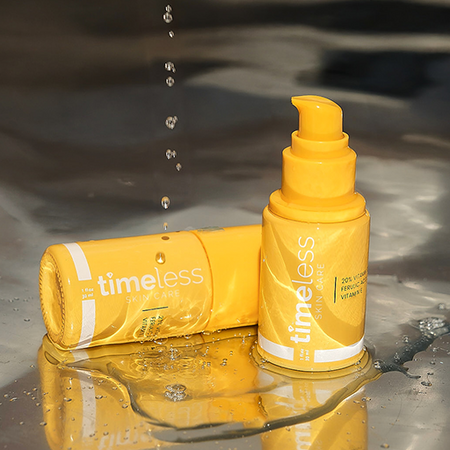
L-ascorbic acid is the most researched form of topical Vitamin C. For an example of a vitamin C serum, see our 20% Vitamin C + E Ferulic Acid Serum. Formulation stability, airtight packaging, and low pH are important considerations when selecting a product in this category. Apply a few drops to your clean face and neck, pressing it gently into the skin.
Step 4: Hydrating Serums
If you incorporate multiple serums in the morning, layer them based on viscosity. Lightweight humectant formulas containing hyaluronic acid belong immediately after your initial active serum. Hyaluronic acid helps attract, bind, and retain water in the outer layers of the skin. Applying humectants to slightly damp skin helps support hydration in the upper layers of the epidermis and helps improve the appearance of dehydration lines.
Step 5: Eye Cream
The skin surrounding the eyes is delicate and possesses fewer sebaceous glands than the rest of the face. For an example of an eye cream, see our Dark Circle Peptide Complex Eye Cream. Apply eye cream gently around the orbital bone using your ring finger. Applying eye cream before your main facial moisturizer allows this area to receive targeted care without heavy overlap from rich facial creams.
Step 6: Moisturizer
A daily moisturizer helps reduce moisture loss throughout the day. Oily and combination skin types may prefer lightweight gel-creams, while dry skin types may prefer richer lotions containing ceramides or fatty acids. Smooth a nickel-sized amount evenly over your face and neck.
Step 7: Broad-Spectrum Sunscreen
Sunscreen is the mandatory final step of every morning skincare routine. Apply a broad-spectrum sunscreen with an SPF of 30 or higher every morning, regardless of weather or indoor plans. Broad-spectrum formulas defend against both UVA and UVB radiation. Never mix your sunscreen directly into your moisturizer or serum, as this can dilute the UV filters and reduce the level of protection. Allow your moisturizer to settle for one to two minutes before applying your sunscreen evenly.
Key Takeaway: Morning skincare is complete only when finished with broad-spectrum sunscreen. Sunscreen forms a uniform protective film on the skin surface and must remain the final layer before applying any makeup.
Evening Skincare Routine: Step-by-Step Order
Nighttime is an opportunity to apply targeted treatments, maintain hydration, and use richer textures that might feel too heavy under daytime sunscreen or makeup.
Step 1: First Cleanse (Makeup and Sunscreen Removal)
Throughout the day, long-wearing sunscreen, makeup, sebum, and airborne pollutants accumulate on your face. A double cleanse can help remove them without aggressive scrubbing. Start with an oil cleanser, cleansing balm, or micellar water on dry skin to dissolve oil-soluble debris and water-resistant UV filters.
Step 2: Second Cleanse (Water-Based Wash)
Follow your oil cleanser with a gentle water-based facial cleanser. This second wash helps remove remaining water-soluble impurities and residue from the skin surface. Rinse thoroughly with lukewarm water and pat your face dry with a clean towel.
Step 3: Chemical Exfoliator (1 to 3 Times Weekly)
Exfoliating acids, such as alpha hydroxy acids (glycolic or lactic acid) or beta hydroxy acids (salicylic acid), remove built-up dead surface cells. This step smooths the look of uneven texture and assists overall skin clarity. Chemical exfoliants should not be used every night. Limit exfoliation to one to three nights per week to avoid compromising your moisture barrier. Apply your chemical exfoliant to dry skin immediately after cleansing, and allow it to dry before adding hydrating layers.
Step 4: Targeted Serums and Peptides
Nighttime is an opportunity for concentrated peptide serums and multi-ingredient treatments. Peptides may help support the appearance of firmness.
If you include CoQ10 in your regimen, it provides antioxidant support as the skin's natural CoQ10 levels decline with age. CoQ10 supports firmer-looking skin and helps improve the appearance of fine lines. CoQ10 is generally used once daily. Never apply CoQ10 products directly under the eyes. If you have vitiligo, check with your dermatologist before using a CoQ10 product. For an example of a CoQ10 serum, see our Coenzyme Q10 Serum.
Step 5: Hydration Boosters
For an example of a hydrating serum, see our Hyaluronic Acid 100% Pure. Layer a dedicated humectant product over your targeted treatments. Hyaluronic acid helps attract, bind, and retain water in the outer layers of the skin.
Step 6: Retinoids or Nighttime Active Ingredients
If your routine includes retinol or prescription retinoids, apply them during your evening routine. Retinoids can be applied after your water-based serums have dried. If you experience surface dryness from retinoids, you can use the sandwich technique: apply a light layer of moisturizer, follow with your retinoid, and finish with a second layer of moisturizer to keep the skin feeling comfortable.
Step 7: Night Cream or Barrier Moisturizer
Night creams are often richer than daytime lotions. A night cream may help reduce moisture loss while you sleep. Smooth the cream across your face, neck, and chest.
Step 8: Facial Oil (Optional)
If your skin is prone to extreme dryness or flaking, you can apply two to three drops of a facial oil over your night cream. Facial oils sit at the top of your routine and help reduce transepidermal water loss (TEWL), the water that evaporates from the skin's surface.
How to Layer Multiple Serums Without Irritation
Using multiple serums allows you to target different cosmetic concerns, such as dullness, uneven texture, dehydration, and the visible signs of aging. However, layering several active formulas requires a thoughtful strategy to avoid congestion and irritation. For additional guidance, read How to Layer Multiple Serums.
AM Routine Sequence
- Cleanser.
- Toner (optional).
- Vitamin C serum.
- Hydrating serum.
- Eye cream.
- Moisturizer.
- Broad-spectrum sunscreen.
PM Routine Sequence
- First cleanse (oil-based).
- Second cleanse (water-based).
- Exfoliant (1–3 times weekly).
- Treatment serum (peptides or CoQ10).
- Hydrating serum.
- Eye cream.
- Night moisturizer.
- Facial oil (optional).
Managing Ingredient Compatibility
Not every active ingredient belongs in the same routine at the exact same time. Separating certain formulas by time of day or alternating nights may help reduce potential irritation:
- Vitamin C and retinoids: Morning use is the most common recommendation for Vitamin C and should be paired with broad-spectrum sunscreen. Vitamin C supports the skin's antioxidant defenses. Retinoids are commonly used in the evening. Separating them between AM and PM keeps both steps straightforward and may minimize skin stress.
- Direct acids and retinoids: Using exfoliating acids (AHAs/BHAs) in the exact same evening application as a potent retinoid can overwhelm the skin surface. Alternate nights instead: use your chemical exfoliant on Monday and Thursday, and use your retinoid on Tuesday, Wednesday, Friday, and Saturday.
- Peptides and direct acids: Strong acidic formulations with very low pH levels can be difficult to combine with peptide serums. If you use an AHA or BHA exfoliating treatment, apply your peptide serums on alternate evenings or in your morning routine.
Serum Application Techniques
For consistent serum application, keep these practical tips in mind:
- Limit your routine to two or three serums per session. Layering five or six concentrated formulas increases the likelihood of pilling and makes it difficult to tell which product delivers results.
- Allow thirty to sixty seconds between layers. You do not need extended wait times between steps, but giving each liquid thirty seconds to settle may prevent products from sliding across the surface.
- Press rather than rub. Patting serums into your face with clean fingertips encourages even distribution and limits unnecessary friction.
Realistic Expectations for Skincare Routines
Consistency is an important element of any skincare regimen. While proper product sequencing helps keep a routine organized, visible cosmetic improvements may take time and patience.
Skin cell turnover in healthy adults occurs over a gradual cycle that lengthens with age. Surface hydration and temporary radiance from humectants and emollients may appear quickly, while visible changes in skin tone, fine lines, texture, and firmness can take consistent use.
Individual skin responses vary significantly based on genetics, climate, lifestyle, and underlying skin sensitivity. Introducing multiple new products simultaneously makes it difficult to identify the source of any positive results or unexpected reactions. Introduce one new formula at a time, allowing your skin time to adjust before adding another step. If you have known sensitivities, allergies, or a diagnosed skin condition, consult your dermatologist before starting a new regimen.
Note: Skincare products deliver cosmetic improvements to the appearance, texture, and hydration of the skin. They do not alter underlying biological structures or replace professional dermatological care.
Frequently Asked Questions
How long should I wait between applying skincare steps?
You do not need to wait several minutes between most skincare steps. In general, waiting thirty to sixty seconds allows each formula to settle sufficiently so the next layer spreads evenly without pilling. Common exceptions include chemical exfoliants and morning sunscreen. Give direct acids a minute to settle on dry skin before layering hydrating products over them. After finishing your moisturizer, wait two minutes before applying broad-spectrum sunscreen so the sunscreen can form a continuous protective layer over your skin.
Can I apply my skincare products to damp skin?
Applying humectant serums containing hyaluronic acid or glycerin to slightly damp skin helps attract, bind, and retain water in the outer layers of the skin. However, potent active treatments like retinoids and strong chemical exfoliating acids should generally be applied to completely dry skin. Applying retinoids or direct acids to damp skin may accelerate surface absorption and increase the likelihood of irritation, redness, and discomfort.
What should I do if my skincare products start pilling?
Skincare pilling occurs when products ball up into small flakes instead of spreading smoothly across the skin surface. Pilling usually happens when you apply a water-based formula over a heavy oil or silicone base, use too much product at once, or layer incompatible texture agents. To prevent pilling, follow the thinnest-to-thickest rule, use only a few drops of concentrated serums, and allow each layer thirty seconds to settle before applying the next product.
Is an eye cream strictly necessary in a skincare routine?
An eye cream is an optional step rather than an absolute requirement. Many gentle, fragrance-free facial moisturizers and hydrating serums can be used around the eye area when tolerated. Specialized eye creams may offer lighter consistencies for the orbital area, making them useful if you want to address visible dark circles, upper-eyelid crepiness, or under-eye puffiness without applying heavy facial creams close to the lash line.