Introduction
Building an effective skincare routine involves more than selecting quality formulas. The sequence in which you apply products can affect how they feel on the surface of your skin. Applying a lightweight, water-based serum after a thick, occlusive face cream may change how the layers sit.
A consistent sequence can make a routine easier to follow. Whether your routine consists of three essential steps or includes several targeted treatments, following a logical sequence can help you stay consistent. Our skincare quiz can help guide routine-building decisions.
This guide outlines the foundational rules of product application, walks through standard morning and evening workflows, and clarifies how to manage different textures and active ingredients.
The Core Principles of Product Layering
Skincare application follows practical chemical and physical considerations. When deciding what goes first, you do not need to memorize every possible product combination. Instead, you can rely on three practical principles.
Key Takeaway: Skincare layering is often organized by formula weight. Apply products with the thinnest, most watery consistency first, moving progressively toward thicker and more occlusive textures.
1. Thinnest to Thickest Consistency
The primary rule of skincare layering is texture. Lightweight liquid formulas generally absorb more quickly at the surface, while richer creams are usually applied later.
Applying a rich cream first may affect how lighter, water-based products layer on the skin. A common approach is to start with watery liquids like toners and lightweight essences, progress to fluid serums, move to lotions and creams, and finish with facial oils or sunscreen.
2. Water-Based Before Oil-Based
Water and oil do not mix naturally. Water-based serums and hydrators are generally applied near the start of your routine.
Applying an oil-based product first may affect how water-based formulas layer over it. Place oil-rich products toward the end of your routine.
For additional guidance, see our article on how to layer multiple serums.
3. Purpose-Driven Morning vs. Evening Steps
Your skin faces different demands during the day than it does at night.
- Morning routines focus on protection: The daytime goal is to defend the skin against daily environmental contact, provide light surface hydration, and shield against UV rays.
- Evening routines focus on cleansing and support: The nighttime goal is to remove accumulated dirt, sunscreen, and excess sebum, followed by products that support the skin barrier while you rest.
| Application Order | Morning Purpose | Evening Purpose | Formula Types |
|---|---|---|---|
| First Phase | Cleanse and refresh | Thorough cleansing / makeup removal | Gentle gel, cream, or oil cleansers |
| Second Phase | Tone and hydrate | Tone and balance | Watery toners, hydrating mists |
| Third Phase | Target and defend | Target and support | Water-based serums, active treatments |
| Fourth Phase | Moisturize and soften | Nourish and barrier support | Lotions, rich creams, facial oils |
| Final Phase | Daily UV defense | Overnight moisture retention | Broad-spectrum sunscreen (AM only) |


The Morning Routine: Protection and Daily Defense
A morning routine prepares your complexion for the day ahead. It emphasizes hydration, antioxidant support, and sun protection.
-
Cleanser
Start by washing your face with lukewarm water and a gentle cleanser. A morning cleanse removes oils produced during sleep and clears away any residue from your evening skincare. If your skin feels particularly dry or tight in the morning, rinsing thoroughly with plain water may be sufficient. -
Toner or Facial Mist (Optional)
If you choose to use a toner, apply it immediately after cleansing while the skin is still slightly damp. Modern toners help balance the skin surface and provide an initial layer of hydration. Pat the product gently over your face and neck rather than rubbing aggressively. -
Antioxidant Serum
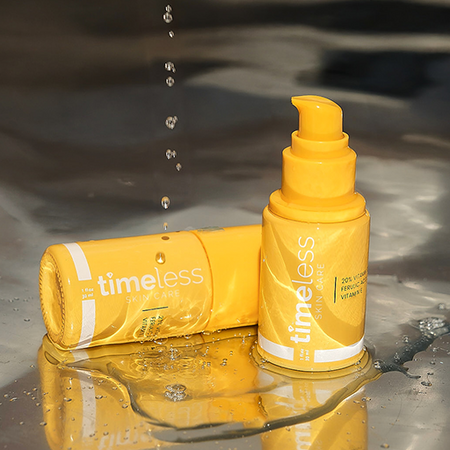
Morning is a common time to apply an antioxidant serum. An antioxidant serum helps defend against oxidative stress caused by environmental factors such as UV exposure and pollution. Vitamin C is one of the most researched options in this category. Topical vitamin C helps brighten the look of dullness and uneven tone. When vitamin C is part of a morning routine, pair it with broad-spectrum sunscreen. The Vitamin C category includes the 20% Vitamin C + E Ferulic Acid Serum. -
Hydrating Serum
If you use a dedicated humectant, apply it directly after your antioxidant treatment. Hyaluronic acid is a standard choice. Hyaluronic acid is a humectant, not a moisturizer. It helps attract, bind, and retain water in the outer layers of the skin. It helps support hydration in the upper layers of the epidermis. It helps improve the appearance of dehydration lines. Our Hydration category includes Hyaluronic Acid 100% Pure. -
Eye Cream (Optional)
The skin around the eyes is thinner than the rest of the face. If you include a dedicated eye formula, dab a small amount around the orbital bone using your ring finger. Using light pressure may help limit tugging on delicate skin. -
Moisturizer
A daily moisturizer helps soften the skin and helps reduce transepidermal water loss (TEWL), the water that evaporates from the skin's surface. Choose a lightweight lotion or gel cream for daytime wear, especially if you have normal, combination, or oily skin. -
Broad-Spectrum Sunscreen
Sunscreen is an essential, non-negotiable step in every daytime routine. A broad-spectrum sunscreen rated SPF 30 or higher must always be the final step of your morning skincare. Apply sunscreen after your moisturizer and serum so it remains the final skincare layer. Allow your moisturizer to settle before applying an even, generous layer of sunscreen over your entire face, neck, and ears.
Quick Answer: Always apply broad-spectrum sunscreen as the very last step in your morning skincare routine, before applying any makeup or foundation.
The Evening Routine: Cleansing and Nighttime Support
Your evening routine allows you to focus on thorough cleansing and barrier support without worrying about sun protection or makeup compatibility.
-
First Cleanse (Makeup and Sunscreen Removal)
If you wear makeup, water-resistant sunscreen, or work in a dusty environment, a first cleanse helps break down surface impurities. An oil-based cleanser or cleansing balm can help remove surface sebum and cosmetic pigments. Massage it onto dry skin, emulsify with warm water, and rinse clean. -
Second Cleanse
Follow your oil cleanser with a water-based gel or cream cleanser. This second wash helps remove any remaining residue, sweat, and surface debris, leaving the skin clean and ready to receive treatment products. -
Exfoliant (1 to 3 Times Weekly)
Chemical exfoliants, such as alpha hydroxy acids (AHAs) or beta hydroxy acids (BHAs), help sweep away dead surface skin cells and smooth the look of rough texture. Because exfoliating acids can increase skin sensitivity to sunlight, evening application is standard. Use chemical exfoliants only a few nights per week rather than daily to avoid overtaxing your skin barrier. -
Targeted Treatment Serums
Nighttime can be a convenient opportunity to apply targeted serums. You might choose peptides, which may help support the appearance of firmness, or CoQ10, which provides antioxidant support as the skin's natural CoQ10 levels decline with age. CoQ10 also helps improve the appearance of fine lines and supports firmer-looking skin.If your focus is barrier comfort, Vitamin B5 supports the skin barrier and helps the skin retain moisture. It helps the skin feel more comfortable. If you use multiple serums, apply the thinnest liquid first and let it settle before applying the next. -
Eye Cream
Apply your nighttime eye cream around the orbital area. Our Eye category includes the Dark Circle Peptide Complex Eye Cream. -
Night Cream or Rich Moisturizer
A richer evening moisturizer helps reduce moisture loss while you sleep. -
Facial Oil (Optional)
If your skin is particularly dry or prone to dehydration, you can finish your evening routine with two to three drops of a facial oil. Facial oils are occlusive, meaning they sit on the outer surface of the skin and may help reduce moisture loss.
Note: Facial oils may be best reserved for the evening. During the day, they may interfere with the protective film created by sunscreen.
Managing Active Ingredients and Special Steps
Layering becomes slightly more complex when you introduce potent active ingredients, varying molecular weights, and specific skin sensitivities.
Managing CoQ10 and Sensitive Skin
When incorporating Coenzyme Q10 into your regimen, apply it across the face and neck, but avoid placing it directly under the eyes. If you have vitiligo, check with your dermatologist before using a CoQ10 product.
Individual reactions to active skincare ingredients vary. If you have a known sensitivity or a diagnosed skin condition, check with your dermatologist before introducing new concentrated treatments into your routine.
For more information, read about Coenzyme Q10.
Understanding Molecular Sizes and Formulations
Not all serums behave the same way on the skin. In hydration products, sodium hyaluronate is the sodium salt of hyaluronic acid, while hydrolyzed hyaluronic acid refers to hyaluronic acid broken into smaller fragments.
Concentration alone does not determine how well an active ingredient performs. Performance depends heavily on the specific chemical form, the overall formulation, the pH level for pure L-ascorbic acid, product stability, and protective packaging.
For instance, L-ascorbic acid is water-soluble and sensitive to air, light, and heat. The oxidation of vitamin C is a gradual process. Over time, an oxidized formula may lose potency and may increase the likelihood of surface irritation for some individuals.
Setting Realistic Expectations
Visible changes in skin appearance often take time and consistency. Cosmetic results can be gradual and vary widely based on individual skin type, genetics, environmental exposure, and daily adherence to sunscreen.
Hydration benefits may appear relatively quickly on the surface of the skin, while changes in the appearance of uneven tone, fine lines, and skin firmness can vary with regular application. Maintaining a steady, simple routine may be easier to sustain than frequently rotating through new products.
Frequently Asked Questions
How long should I wait between applying each skincare layer?
For most daily products, you do not need to wait long between steps. Once a serum or toner feels absorbed and no longer tacky on the skin, you can proceed to the next product. The main exception is sunscreen. Allow your moisturizer to absorb fully into the skin before applying your broad-spectrum sunscreen to help the UV filters form an even, undisturbed protective layer across your face.
Can I use multiple serums in the same routine?
Yes, you can layer multiple serums, provided your skin tolerates them comfortably. Apply the serum with the thinnest, most watery consistency first, followed by thicker or slightly viscous treatments. If two serums share a similar watery consistency, apply the one that addresses your primary aesthetic concern first. To avoid unnecessary irritation, introduce new concentrated serums one at a time.
Should I apply my eye cream before or after my moisturizer?
Applying eye cream before your face moisturizer is generally recommended. Dedicated eye creams are often lighter in consistency than dense face creams, and applying them first ensures direct contact with the delicate eye area. If your face moisturizer is lightweight and fragrance-free, applying your eye treatment either just before or immediately after may work well.
Is a morning cleanser necessary for every skin type?
A morning cleanse can be useful for removing natural oils, sweat, and residual evening products. Those with oily or combination skin typically benefit from a gentle, water-based foaming or gel cleanser in the morning. However, if you have very dry or sensitive skin, rinsing your face thoroughly with lukewarm water may be sufficient to prepare your skin for your morning serums and broad-spectrum sunscreen.