Introduction
Knowing the right order for your skincare routine can help turn daily steps from a confusing chore into an effective habit. Many people invest in quality formulas but layer them haphazardly. When products go on out of sequence, heavy creams can interfere with lightweight serums, and sensitive skin may experience unnecessary irritation.
Skincare products have different textures and are generally applied from lighter to richer layers. Applying steps in a logical sequence can make a routine easier to follow and help products sit comfortably on the skin.
Timeless Skin Care was founded in 2009 by Veronica Pedersen with a focus on simple, high-concentration formulas. All our products are made in the USA in small batches. Whether your routine contains three steps or seven, following fundamental application rules can help you get the most out of your routine.
Quick Answer: Apply your skincare products starting with the lightest, water-based textures and finish with the heaviest, oil-rich formulas. Cleanse first, apply targeted water-soluble serums next, follow with moisturizer, and always complete your morning routine with a broad-spectrum sunscreen.
Core Layering Rules: How Products Interact with Skin
Skincare layering relies on basic chemistry and texture. You do not need an advanced degree to master it, but understanding three core guidelines can help prevent common routine mistakes.
1. Thin to Thick Consistency
Liquids and watery serums generally spread easily across the skin. Thicker creams, balms, and facial oils often remain on the skin surface longer. If you apply a dense face cream first, a watery serum applied afterward may not spread as evenly.
Start with low-viscosity, water-based solutions. Progress toward richer emulsions, lotions, and finally facial oils or dense balms.
2. Water Before Oil
Oil and water do not readily mix. If you spread a facial oil across your face, a water-based product applied afterward may pool or bead on the surface.
Water-soluble ingredients should meet clean skin first. Once those water-based layers settle, oil-based formulas and rich creams can follow to help reduce moisture loss.
3. pH and Formulation Needs
Some active ingredients are used in acidic formulations. L-ascorbic acid is the most researched form of vitamin C.
Apply low-pH treatments after cleansing or toning, following product directions.
| Routine Step | Product Type | Primary Role |
|---|---|---|
| Step 1 | Cleanser | Removes surface debris, excess sebum, and makeup |
| Step 2 | Toner / Mist | Hydrates surface layers |
| Step 3 | Water-Based Serums | Deliver concentrated cosmetic ingredients |
| Step 4 | Eye Cream | Offers targeted conditioning for the delicate eye area |
| Step 5 | Moisturizer | Softens skin and helps reduce moisture loss |
| Step 6 | Facial Oil (Optional) | Conditions dry skin and adds lipid support |
| Step 7 (AM) | Sunscreen | Provides broad-spectrum UV protection |


Your Morning Skincare Sequence
Morning routines often focus on surface hydration, antioxidants, and sunscreen. During the day, your skin faces environmental factors including sunlight, air pollution, and temperature shifts.
- Cleanse gently.
- Tone or apply hydrating mists.
- Apply antioxidant serums.
- Smooth on eye cream.
- Apply daily moisturizer.
- Finish with broad-spectrum sunscreen.
Step 1: Gentle Cleanser
Your skin accumulates sweat, sebum, and shed skin cells overnight. A gentle, non-stripping cleanser refreshes the skin without unnecessarily drying it.
If your skin feels excessively dry in the morning, a simple lukewarm water rinse may be sufficient. Those with oily or combination skin may prefer a mild gel or foaming wash to remove overnight oil buildup.
Step 2: Hydrating Toner or Essence
Toners are optional, but some formulas can provide a base layer of surface hydration. Look for alcohol-free toners featuring humectants like glycerin or sodium hyaluronate, which is the sodium salt of hyaluronic acid.
Sweep the toner across your face with a cotton pad or gently press it in with your palms. Leave your skin slightly damp before moving to your serums.
Step 3: Antioxidant Serums
Morning is a common time for topical antioxidants. An antioxidant serum helps defend against oxidative stress caused by environmental factors such as UV exposure and pollution.
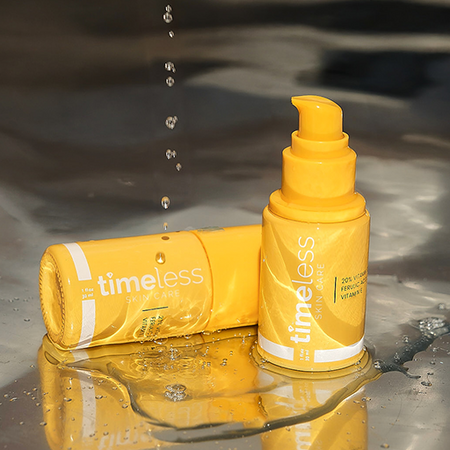
Vitamin C is a common choice for daytime use. The Timeless Skin Care Vitamin C category, including the 20% Vitamin C + E Ferulic Acid Serum, is a place to browse products in this category.
Vitamin C helps brighten the look of dullness and uneven tone while supporting the skin's antioxidant defenses. For a vitamin C serum in your routine, apply it across the face, neck, and upper chest. Allow it to settle before applying your next product.
Step 4: Eye Cream
If you choose to use an eye cream, tap a small amount around the eye area using your ring finger.
Applying eye cream before your all-over moisturizer is one possible placement in a routine.
Step 5: Lightweight Daytime Moisturizer
Even oily skin types may use a moisturizer. A daily moisturizer helps reduce transepidermal water loss (TEWL).
For daytime wear, choose lightweight lotions or gel-creams that sit comfortably under makeup and sunscreen without feeling heavy or greasy.
Step 6: Broad-Spectrum Sunscreen
Sunscreen is the final step of every morning skincare routine. Apply a generous amount of broad-spectrum sunscreen with an SPF rating of 30 or higher to your face, neck, ears, and any exposed chest area. Allow your moisturizer to dry down before applying sunscreen so the product can form an even film over your skin. Never mix sunscreen directly into your moisturizer or foundation, as diluting the formula can compromise its protective coverage.
Your Evening Skincare Sequence
Evening routines often focus on thorough cleansing, targeted peptide or exfoliating treatments, and barrier-supporting emollients.
- Remove makeup and surface grime with a first cleanse.
- Cleanse thoroughly with a water-based wash.
- Apply targeted treatment serums or peptides.
- Tap on night eye cream.
- Apply a replenishing moisturizer or night cream.
- Layer a facial oil, if desired.
Step 1 and 2: The Double Cleanse
If you wear water-resistant sunscreen or makeup during the day, double cleansing in the evening can help remove daily buildup.
Start with a cleansing oil, cleansing balm, or micellar water applied to dry skin to dissolve oil-based debris and pigments. Follow with a gentle water-based cleanser to wash away water-soluble residues, sweat, and loosened debris. Rinse thoroughly with lukewarm water and pat dry with a soft towel.
Step 3: Evening Serums and Peptides
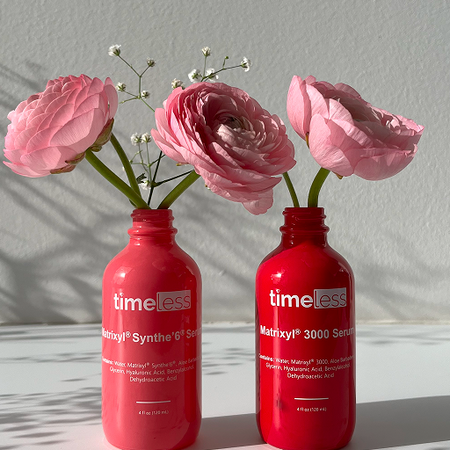
Nighttime can be a useful window for targeted serums. The Matrixyl® 3000 Serum is a peptide serum. Peptides may help support the appearance of firmness.
If you are using multiple serums at night, remember the thin-to-thick rule. Apply watery solutions first, followed by slightly thicker gel serums. Humectant ingredients like hyaluronic acid help attract, bind, and retain water in the outer layers of the skin, making them useful additions to an evening regimen.
Step 4: Eye Treatment
Smooth an eye treatment around the orbital area at night. Tap gently and avoid pulling or rubbing the skin.
Step 5: Rich Moisturizer or Night Cream
At night, you can use richer textures than you would wear during the day. A well-formulated night moisturizer supports the skin barrier and helps the skin retain moisture.
Look for moisturizers containing ceramides, fatty acids, and humectants. These ingredients help reduce transepidermal water loss (TEWL), leaving your skin soft and supple by morning.
Step 6: Facial Oils (Optional)
If you have very dry skin or live in an arid climate, a facial oil can serve as an optional final layer. Because oils are lipid-based, they can be applied over your moisturizer for emollient conditioning.
Warm two to three drops of oil between your palms and gently press them over your cheeks, forehead, and neck.
Key Takeaway: Your morning routine includes antioxidants and broad-spectrum sunscreen. Your evening routine cleanses away daily grime and uses richer creams and peptide serums to help reduce moisture loss.
How to Layer Active Ingredients and Serums
Building a routine with several active ingredients requires thoughtful planning. Layering too many strong actives at the same time may lead to visible redness, flaking, or discomfort.
Understanding Molecular Weight and Layering Order
When working with single-ingredient serums or specialized concentrates, texture remains your best guide:
- Watery liquids and low-pH antioxidant solutions go first.
- Light gel serums, including humectants like hyaluronic acid, go second.
- Thicker peptide or lipid serums go third.
- Emulsions, lotions, and creams go fourth.
If you are using multiple hydration products, the Hyaluronic Acid 100% Pure is listed in the Timeless hydration category. Hyaluronic acid serums can be applied to slightly damp skin after cleansing or toning. Hyaluronic acid helps support hydration in the upper layers of the epidermis.
Morning Versus Evening Ingredient Split
Separating active ingredients between your morning and evening routines is one way to organize your routine.
- Use vitamin C in the morning. Morning use should always be paired with a broad-spectrum sunscreen.
- Use exfoliating acids (AHAs and BHAs) in the evening, and limit exfoliation to two or three nights per week.
- Use retinoids at night, following product directions.
- Peptides and humectants can be used in morning and evening routines, depending on personal preference.
Common Layering Combinations
Some popular skincare ingredients can be included in the same routine when applied in a suitable order:
- Vitamin C + Hyaluronic Acid: Apply your thin vitamin C liquid first, wait briefly, and follow with your hyaluronic acid gel.
- Peptides + Hyaluronic Acid: Peptides may help support the appearance of firmness. Hyaluronic acid helps attract, bind, and retain water in the outer layers of the skin.
- Retinoids + Moisturizer: Applying a basic hydrating moisturizer after your evening retinoid can help reduce moisture loss.
Note: Individual skin reactions vary. Anyone with known sensitivities, reactive skin, or a diagnosed skin condition should check with their dermatologist before introducing new active ingredients into their daily routine. If you have vitiligo, check with your dermatologist before using a CoQ10 product.
Setting Realistic Timelines and Expectations
Skin changes do not occur overnight. Cosmetic improvements require patience and steady consistency.
Visible surface hydration can improve within minutes of applying a humectant and moisturizer, helping to temporarily soften fine surface roughness. Visible changes in skin tone, clarity, and the appearance of fine lines can unfold gradually with consistent use.
Introducing products gradually and maintaining your routine consistently can help you assess how well a regimen works for your skin.
Frequently Asked Questions
For additional routine guidance, visit our Frequently Asked Questions page.
How long should I wait between each skincare step?
Most skincare products do not require long waiting periods between applications. You can generally apply your next product as soon as the previous layer feels absorbed and no longer tacky, which may take thirty to sixty seconds. The main exceptions are low-pH formulas like L-ascorbic acid and sunscreens. Giving acidic serums a minute to settle is one possible approach. Sunscreen should be allowed to dry down for several minutes before you apply makeup.
Do I really need to wash my face with cleanser in the morning?
Morning cleansing depends largely on your skin type and personal comfort. If you have oily skin, a gentle morning cleanser can remove excess sebum and sweat produced overnight. If you have dry or very sensitive skin, a simple splash of lukewarm water may be sufficient to prepare your skin for morning serums and moisturizer. Choose the approach that leaves your face feeling clean and comfortable rather than tight or stripped.
Where do spot treatments fit into a skincare routine?
After cleansing and toning, apply a spot treatment to the targeted area according to its directions. You can then apply your regular serums and moisturizer over the rest of your face, taking care not to rub the spot treatment away.
Can I mix my serum into my moisturizer to save time?
It is better to layer a basic hydrating serum and a plain lotion rather than mixing them. Mixing active serums into moisturizers can alter the formulation balance. Products with specific pH requirements, such as L-ascorbic acid serums, may become less effective if blended into a neutral-pH cream. Never mix any serum or oil directly into your sunscreen, as altering the sunscreen formula can disrupt its protective coverage. Layering products sequentially remains the most reliable method.