Introduction
Layering your skincare products in a considered order can help keep your routine organized. Applying products in the wrong sequence may cause heavier textures to interfere with lighter, water-based products. This can contribute to pilling, wasted product, or irritation.
Understanding how to build an effective morning and evening sequence does not require a complex ten-step regimen. A solid routine comes down to a few fundamental rules based on product weight, base composition, and daytime protection. A skincare routine can be adjusted to fit the products and steps you choose.
Quick Answer: Apply your products from thinnest to thickest consistency. Cleanse first, follow with lightweight water-based serums, apply creams or oils, and always finish your morning routine with a broad-spectrum sunscreen.
Core Rules for Layering Skincare
Skincare formulation influences how products layer on the skin. Remembering three simple rules will help you organize any routine, regardless of how many steps you choose to include.
1. Thin to Thick
Liquid, water-like formulas are generally applied before thicker lotions, creams, and balms. If you apply a dense cream first, a lightweight watery serum may not layer as evenly.
2. Water Before Oil
Water and oil do not mix. Water-based treatments should go on bare skin or immediately after lighter hydrating steps. Facial oils and lipid-heavy creams are generally placed near the end of your sequence.
3. Daytime Protection Comes Last
During the day, your final skincare step must always be broad-spectrum sunscreen. Applying serums or lotions on top can disturb the sunscreen layer, so apply sunscreen last.


The Morning Skincare Routine: Protection and Defense
Your morning regimen commonly includes antioxidant and sunscreen steps alongside products for hydration.
Morning Step-by-Step Overview
- Cleanser.
- Hydrating Toner or Essence (Optional).
- Targeted Antioxidant Serum.
- Eye Cream (Optional).
- Daily Moisturizer.
- Broad-Spectrum Sunscreen (SPF 30+).
Step 1: Cleanser
Washing your face in the morning removes sweat, overnight oil, and any residual evening products. Dry and sensitive skin types often do well with a gentle, non-foaming wash, while oily skin types may prefer a light foaming gel.
Step 2: Hydrating Toner or Essence (Optional)
A hydrating toner helps prep the skin for your next steps.
Step 3: Targeted Antioxidant Serum
Morning is a common time to apply antioxidant serums. Antioxidants help defend against oxidative stress caused by environmental factors such as UV exposure and pollution.
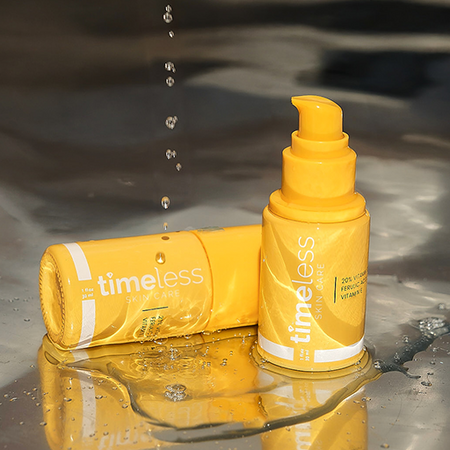
- Vitamin C: L-ascorbic acid helps brighten the look of dullness and uneven tone. L-ascorbic acid helps neutralize free radicals generated by UV exposure. The 20% Vitamin C + E Ferulic Acid Serum is a vitamin C serum.
- CoQ10: CoQ10 is a lipid-soluble antioxidant. CoQ10 provides antioxidant support as the skin's natural CoQ10 levels decline with age. CoQ10 supports firmer-looking skin. If you have vitiligo, check with your dermatologist before using a CoQ10 product.
Step 4: Eye Cream (Optional)
Eye cream is an optional step. The Dark Circle Peptide Complex Eye Cream is an eye cream. Apply eye cream around the eye contour before applying your heavier facial moisturizer.
Step 5: Moisturizer
A daily moisturizer helps reduce transepidermal water loss (TEWL), the water that evaporates from the skin's surface. Choose an oil-free gel if you lean oily, or a medium lotion if your skin tends to feel tight or dry.
Step 6: Broad-Spectrum Sunscreen
Sunscreen is an important step in every morning routine. Apply a generous amount of broad-spectrum sunscreen with an SPF of 30 or higher to your face, neck, and ears. Allow your moisturizer to settle before smoothing sunscreen over the top so the sunscreen layer remains even.
The Evening Skincare Routine: Cleansing and Hydration
At night, the goal shifts toward cleansing away the grime of the day and using hydration-focused products.
Evening Step-by-Step Overview
- First Cleanse (Makeup / Sunscreen Removal).
- Second Cleanse (Water-Based Wash).
- Exfoliant (1–3 Times Weekly).
- Hydrating & Peptide Serums.
- Night Moisturizer or Facial Oil.
Step 1 & 2: Double Cleansing
If you wear makeup or water-resistant sunscreen, double cleansing can help remove residue without aggressive scrubbing.
- Start with an oil cleanser or cleansing balm on dry skin to dissolve surface oils, pigments, and sunscreen filters.
- Follow with a water-based cleanser to wash away water-soluble debris, sweat, and residual oil.
Step 3: Chemical Exfoliation (Optional, 1–3x Weekly)
Chemical exfoliants such as glycolic, lactic, or salicylic acids help loosen dead skin cells that cling to the surface. Use these treatments only a few evenings per week immediately after cleansing. Avoid using strong exfoliating acids in the exact same evening routine as high-strength retinoids to minimize the chances of irritation.
Step 4: Hydrating and Peptide Serums
Nighttime is a convenient time for layering water-based serums. The Ingredient Glossary provides additional ingredient definitions.
| Ingredient Category | Primary Function | Ideal Application Order |
|---|---|---|
| Humectants (e.g., Hyaluronic Acid) | Helps support hydration in the upper layers of the epidermis. Helps improve the appearance of dehydration lines. | Apply first to clean or slightly damp skin. |
| Barrier Support (e.g., Vitamin B5 / Calcium Pantothenate) | Supports the skin barrier and helps the skin retain moisture. Helps the skin feel more comfortable. | Layer directly after or alongside humectants. |
| Peptides (e.g., Matrixyl 3000) | May help support the appearance of firmness. | Apply following lighter water-based serums. |
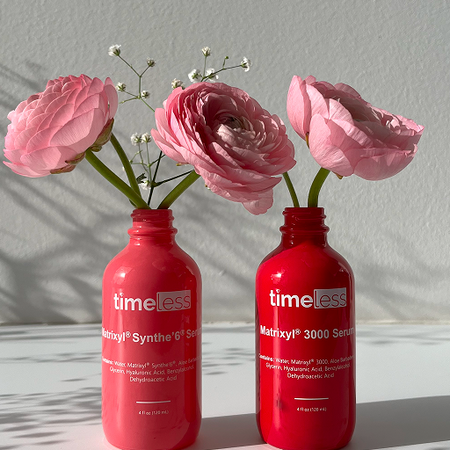
The Matrixyl® 3000 Serum is a peptide serum.
Step 5: Night Cream or Facial Oil
Finish your evening regimen with a richer moisturizer than you use during the day. A night moisturizer helps reduce moisture loss. Night creams often contain a balance of emollients and skin-identical lipids. If your skin feels especially dry, you may apply a facial oil over your cream as the final step.
How to Layer Multiple Serums
Many people use more than one serum to address different skin concerns. Layering multiple treatments requires attention to consistency and ingredient harmony.
Key Takeaway: Consider limiting yourself to two or three active serums per routine. Stacking too many concentrated products at once can increase the risk of product pilling and skin sensitivity.
- Check the Base: Water-based serums go first; oil-based or emulsion-style serums go second.
- Consider pH and Texture: If you use multiple water-based serums, apply the thinnest, most acidic treatment first, such as an L-ascorbic acid serum, let it absorb briefly, and follow with thicker, neutral-pH hydrators.
- Alternate When Necessary: You do not need to use every active ingredient twice a day. Using an antioxidant serum in the morning and a peptide or hydrating serum at night keeps your routine simple and effective.
Individual skin tolerance varies. If you have a diagnosed skin condition or a history of reactive skin, speak with your dermatologist before introducing new active formulas into your layering sequence.
Realistic Expectations for Skincare Results
A properly ordered skincare routine can help you organize your products, but cosmetic changes take time to appear.
Visible changes in surface hydration or brightness may vary with consistent use, as may changes in the look of fine lines, tone uniformity, and skin firmness.
Factors like genetics, daily sun exposure, sleep quality, and climate also influence your skin's overall appearance. Adjusting your routine step order can make the sequence easier to follow, while patience and consistency help you assess your routine.
Frequently Asked Questions
How long should I wait between skincare steps?
Most products can be applied as soon as the previous layer feels absorbed and no longer tacky, which usually takes 30 to 60 seconds. The only step requiring a deliberate pause is sunscreen: allow your daily moisturizer to fully set before applying SPF, and let your sunscreen dry down before applying makeup.
Do I need to use an eye cream before or after moisturizer?
Eye cream is generally applied before your face moisturizer. Eye formulas are typically lighter than facial creams, so placing them first keeps the layering order consistent.
Can I skip toner in my daily routine?
Yes, toner is completely optional. A routine with a gentle cleanser, targeted serum, moisturizer, and sunscreen may be sufficient for maintaining a healthy appearance.
What should I do if my products start pilling when I layer them?
Pilling usually happens when a product is applied too thickly, when silicone-heavy formulas are layered over water-based treatments without drying, or when an oil is applied before a water-based serum. Try reducing the amount of product you use, allowing an extra minute between steps, or simplifying the total number of layers.