Introduction
Knowing the right order to use skincare products can make a routine easier to follow. When formulas are applied out of sequence, products may pill or feel less comfortable.
Skincare layering follows practical principles. Lighter, water-based textures go on first, followed by moisturizers. By understanding how different formulations interact, you can build an uncomplicated regimen tailored to your skin goals.
Quick Answer: Apply skincare products from thinnest to thickest consistency: cleanse, apply liquid treatments or toners, layer lightweight water-based serums, apply targeted eye creams, smooth on a moisturizer, and always finish your morning routine with broad-spectrum sunscreen.
Core Rules for Layering Skincare
Layering does not require a complex ten-step regimen. Understanding three core principles can help you place products consistently.
1. Consistency: Thin to Thick
The weight of a product generally determines its place in your routine. Water-light liquids can apply easily before richer formulas.
If you apply a rich moisturizer before a fluid serum, the layers may not apply evenly. Starting with the lowest viscosity and building upward can help each layer apply evenly.
2. Base Formulation: Water Before Oil
Formulas generally fall into water-based, anhydrous (water-free), or oil-based categories. Water and oil do not mix naturally on the skin without emulsifiers.
Applying water-based products first can help hydrating ingredients apply evenly. Following with facial oils or occlusive creams helps reduce transepidermal water loss (TEWL).
3. Protection: Sunscreen Is Always the Final AM Step
Your morning routine must always conclude with broad-spectrum sunscreen as the final skincare layer before applying makeup.
| Order | Product Type | Primary Function | Formulation Base |
|---|---|---|---|
| Step 1 | Cleanser | Removes surface debris and excess sebum | Water or Oil |
| Step 2 | Toner / Mist | Preps skin and provides light hydration | Water |
| Step 3 | Water-Based Serum | Delivers concentrated cosmetic ingredients | Water |
| Step 4 | Eye Cream | Delivers focused care to the delicate eye contour | Emulsion / Cream |
| Step 5 | Moisturizer | Helps reduce moisture loss | Emulsion / Cream/ Oil |
| Step 6 | Sunscreen (AM) | Final AM skincare step | Lotion / Cream |


Morning Skincare Routine Order
A morning routine can include antioxidant support and broad-spectrum sunscreen.
-
Cleanser
Use lukewarm water or a gentle, non-stripping cleanser to remove surface residue. Clean skin allows subsequent steps to apply evenly. -
Hydrating Mist or Toner (Optional)
A light splash or spray provides initial surface hydration and prepares the skin to receive subsequent leave-on products. -
Antioxidant Serum
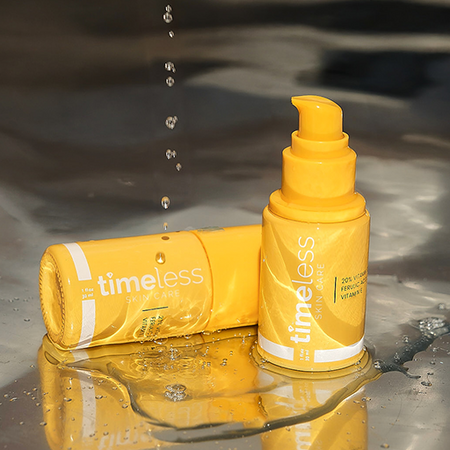
Morning use is common for antioxidant formulas. L-ascorbic acid, the most researched form of vitamin C, helps brighten the look of dullness and uneven tone. L-ascorbic acid helps defend against oxidative stress caused by environmental factors such as UV exposure and pollution. Our 20% Vitamin C + E Ferulic Acid Serum is a vitamin C serum. -
Eye Care
The skin surrounding the eyes is naturally thinner than the rest of the face. Gently tap a specialized formula across the orbital bone to support a smoother-looking eye contour. -
Moisturizer
Apply your favorite moisturizer such as the Timeless Skin Care Argan Oil or Squalane Oil (can be mixed in with your moisturizer as well). This step helps reduce transepidermal water loss (TEWL). -
Broad-Spectrum Sunscreen
Apply broad-spectrum sunscreen to your face, neck, and ears every morning, regardless of cloud cover.
Key Takeaway: Always pair your daytime antioxidant serum with a broad-spectrum daily sunscreen.
Evening Skincare Routine Order
While daytime routines focus on daytime defense, evening routines center on replenishing hydration, smoothing skin texture, and supporting the barrier after daily exposure.
-
First Cleanse (Makeup / Sunscreen Removal)
Use an oil-based cleanser or cleansing balm on dry skin to dissolve long-wear makeup, sebum, and water-resistant sunscreen filters. -
Second Cleanse
Follow with a gentle, water-based cleanser to remove remaining residues while maintaining comfort. -
Exfoliant (2 to 3 Times Weekly)
Liquid chemical exfoliants, such as alpha hydroxy acids (AHAs) or beta hydroxy acids (BHAs), help lift dead skin cells to improve the look of uneven texture. Use these periodically rather than daily to maintain barrier comfort. -
Hydrating and Peptide Serums
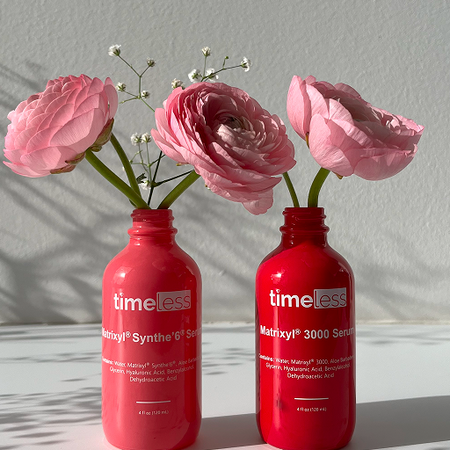
Layer water-based treatments onto freshly cleansed skin. Hyaluronic acid helps attract, bind, and retain water in the outer layers of the skin. Peptides may help support the appearance of firmness. Our Matrixyl® 3000 Serum is a peptide serum. -
Antioxidant or Specialized Night Treatments
Ubiquinone provides antioxidant support as the skin's natural CoQ10 levels decline with age. If you have vitiligo, check with your dermatologist before using a CoQ10 product. CoQ10 is generally used once daily. Our Coenzyme Q10 Serum is a CoQ10 serum. -
Eye Cream
Dab an eye treatment lightly around the orbital area to help soften the look of fine lines and maintain suppleness overnight. -
Night Moisturizer or Occlusive Cream
Finish with a richer cream that helps reduce moisture loss.
How to Layer Multiple Serums
Many skincare routines include more than one targeted treatment. Layering multiple serums successfully requires careful attention to texture, pH, and ingredient characteristics.
- Cleanse.
- Apply water-based serums, from thinnest to thickest.
- Apply emulsions or light lotions.
- Apply face oils or heavy creams.
- Sort by Viscosity: If you are using two water-based formulas, apply the most watery one first. Let it absorb for a moment before applying the slightly more viscous serum.
- Respect Formulation Needs: An acidic formula, such as an L-ascorbic acid serum, can go onto clean, dry skin after cleansing.
- Alternate Routines When Necessary: You do not need to layer every active ingredient in a single session. Rotating formulas between morning and evening, or using them on alternating days, may reduce the potential for ingredient conflicts and product buildup.
- Keep Wait Times Practical: There is no need to wait ten minutes between steps. Simply allow each serum to settle until the skin is no longer wet before applying the next layer.
Understanding Skincare Ingredients and What They Do
Knowing how common skincare ingredients behave helps you make informed choices about where they fit in your routine.
Humectants
Humectants are water-loving ingredients used for hydration. Hyaluronic acid is one of the most widely used humectants. Hyaluronic acid is a humectant, not a moisturizer. It helps support hydration in the upper layers of the epidermis and helps improve the appearance of dehydration lines.
Sodium hyaluronate is the sodium salt of hyaluronic acid, while hydrolyzed hyaluronic acid consists of smaller fragments that may penetrate slightly further into the outer layers of the skin. Another beneficial ingredient is calcium pantothenate (vitamin B5), which supports the skin barrier and helps the skin retain moisture.
Antioxidants
Vitamin C helps neutralize free radicals generated by UV exposure. Vitamin C helps brighten the look of dullness and uneven tone. Ubiquinone provides antioxidant support as the skin's natural CoQ10 levels decline with age.
Peptides
Palmitoyl Tripeptide-1, Palmitoyl Tetrapeptide-7, and Palmitoyl Tripeptide-38 are peptide ingredients used in cosmetic formulations. Peptides may help support the appearance of firmness.
Realistic Expectations for Your Skincare Routine
Visible changes can take patience and consistent habits. Surface hydration and the appearance of dehydration lines may change with consistent moisturizer and humectant use. The look of firmness, uneven tone, fine lines, and overall texture may change gradually with regular application.
Individual skin responses vary based on genetics, lifestyle, environmental climate, and overall routine consistency. A steady routine may be easier to assess than frequently swapping products before they have had time to work.
Bottom Line: Consistency is an important part of any routine. Regular use can help you observe cosmetic changes over time.
Frequently Asked Questions
How long should I wait between applying each skincare product?
You do not need an extended waiting period between steps. Wait just a few moments until the product absorbs and your skin feels slightly tacky rather than wet before applying the next layer. The main exception is broad-spectrum sunscreen, which should be allowed to set fully before applying makeup.
Can I mix my serum into my moisturizer to save time?
It is best to apply serums and moisturizers as separate layers. Mixing them together in your palm can disrupt formulation stability and interfere with even application.
Does facial oil go before or after my moisturizer?
Facial oils should generally be applied after your moisturizer as a final step at night. Because oils act as conditioning occlusives, applying them before a water-based moisturizer may interfere with even application.
What should I do if my products begin pilling when layered?
Product pilling occurs when formulas do not absorb properly, causing them to ball up on the surface. This can happen when you apply too much product, layer thick formulas before thin ones, or combine silicone-heavy products with water-based serums without adequate drying time. Simplifying your routine and applying lighter layers may help resolve the issue. Individual reactions vary, so anyone experiencing persistent irritation or managing a diagnosed skin condition should consult a board-certified dermatologist.