Introduction
Building an effective daily routine requires more than just choosing high-quality ingredients. The sequence in which you apply each formula can affect how products sit on the skin. When products are applied out of sequence, heavier formulas can make lighter ones harder to apply evenly, leading to wasted product or surface pilling.
Understanding the proper skincare products order helps you follow a consistent routine. Whether your regimen contains three basic steps or several targeted treatments, following standard formulation principles can help you get more out of your daily investment. Founded in 2009 by Veronica Pedersen, Timeless Skin Care focuses on clean, simple formulations made in the USA in small batches, helping you build a clear routine without unnecessary complexity.
Quick Answer: The fundamental rule of skincare layering is to apply products from the thinnest consistency to the thickest consistency, moving from water-based treatments to oil-rich creams, and always finishing your morning routine with broad-spectrum sunscreen.
Core Principles of Skincare Layering
Layering skincare does not require memorizing dozens of complicated rules. Instead, it relies on basic physical chemistry and texture dynamics. Understanding these three core principles will help you place any product into your routine correctly.
1. Consistency: Thin to Thick
The standard guideline for product application is texture. Liquid, watery formulas must contact the skin first. If you apply a rich cream before a fluid serum, the occlusive agents in the cream can make it harder for the lighter liquid to apply evenly to the skin surface.
- Watery liquids, such as toners, essences, and mists
- Lightweight gels and water-based serums
- Anhydrous, or water-free, solutions and light facial oils
- Emulsions and light lotions
- Heavy creams, balms, and occlusives
2. Base Formulation: Water Before Oil
Water and oil naturally repel each other. Water-soluble ingredients generally do not easily penetrate an oily layer. Therefore, water-based serums should generally precede oil-based formulas, facial oils, and rich moisturizers.
Applying an oil-based product first can contribute to cosmetic pilling, where formulas ball up into small flakes instead of settling smoothly onto the skin surface.
3. Formulation pH and Ingredient Stability
Certain ingredients are formulated within specific pH ranges. L-ascorbic acid is used in acidic formulations, and vitamin C is sensitive to air, light, and heat.


Morning Skincare Routine Order
Your morning routine focuses on surface hydration and preparing your complexion for daily environmental exposure. A morning regimen can follow this sequence:
- Gentle Cleanser
- Hydrating Toner or Mist (Optional)
- Targeted Antioxidant Serum
- Hydrating Serum (Optional)
- Moisturizer or Emulsion
- Broad-Spectrum Sunscreen
Step 1: Cleansing
Morning cleansing clears away perspiration, dead skin cells, and excess sebum that accumulate overnight. A gentle, sulfate-free water-based cleanser cleanses the surface without leaving skin feeling stripped or tight. If your skin is notably dry in the morning, a simple rinse with lukewarm water may suffice.
Step 2: Hydrating Toners and Mists
If you include a toner, apply it immediately after cleansing while the skin is still slightly damp. Modern toners are designed to refresh the skin surface rather than strip it with harsh alcohol. A hydrating mist can refresh the skin surface. A humectant serum containing hyaluronic acid helps attract, bind, and retain water in the outer layers of the skin.
Step 3: Targeted Antioxidant Serums
Morning use is the most common recommendation for vitamin C, but it is not the only option. An antioxidant helps defend against oxidative stress caused by environmental factors such as UV exposure and pollution.
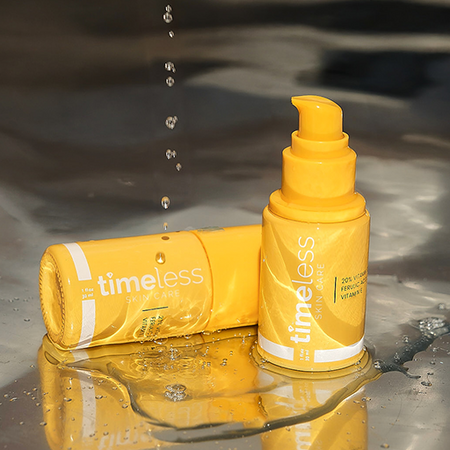
Vitamin C is one of the most thoroughly researched topical antioxidants available. In cosmetic formulations, it helps brighten the look of dullness and uneven tone. The 20% Vitamin C + E Ferulic Acid Serum is part of our Vitamin C category.
Key Takeaway: Apply water-soluble antioxidant serums directly to clean, dry skin so the formulation contacts the skin surface without interference from heavier lotions.
Step 4: Hydrating and Peptide Serums
Once your active antioxidant has settled, you can apply general hydrators and peptide formulas. Sodium hyaluronate is the sodium salt of hyaluronic acid. Hyaluronic acid is a humectant, not a moisturizer. It helps support hydration in the upper layers of the epidermis. It helps improve the appearance of dehydration lines. For more ingredient definitions, visit our ingredient glossary.
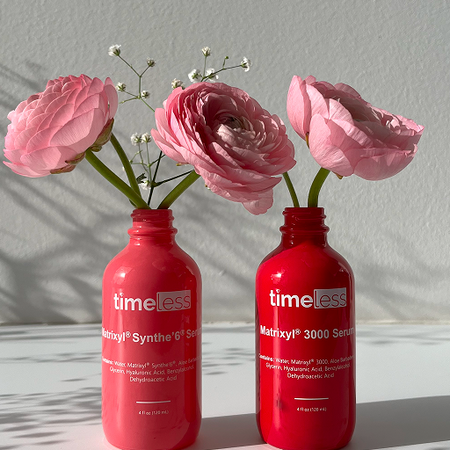
Peptides may help support the appearance of firmness. The Matrixyl® 3000 Serum is in our Peptides category.
Step 5: Moisturizer
Moisturizers contain emollient and occlusive ingredients. A well-formulated moisturizer helps reduce transepidermal water loss (TEWL), the water that evaporates from the skin's surface.
Oily skin types may prefer a lightweight gel moisturizer to avoid a heavy surface feel. Dry skin types may prefer richer cream textures containing ceramides, fatty acids, or plant oils.
Step 6: Broad-Spectrum Sunscreen
Daily broad-spectrum sunscreen is non-negotiable. Ultraviolet radiation contributes to visible skin changes, including fine lines, rough texture, and uneven tone. Sunscreen must always be the final step of your morning skincare sequence before applying any makeup.
Apply sunscreen after moisturizers and oils rather than underneath them. Generously apply a broad-spectrum formula with an SPF of 30 or higher every morning, regardless of cloud cover.
Evening Skincare Routine Order
Your nighttime routine focuses on removing buildup from the day and supporting cosmetic hydration while you rest. Nighttime steps are often richer in texture.
- First Cleanse (Oil-Based Cleanser or Micellar Water)
- Second Cleanse (Water-Based Gentle Cleanser)
- Exfoliant (1 to 3 times weekly)
- Targeted Night Serums
- Eye Cream
- Night Moisturizer or Facial Oil
Step 1 and 2: Double Cleansing
If you wear long-wearing makeup or water-resistant sunscreen, double cleansing provides a thorough clean without aggressive rubbing.
- First Cleanse: Use an oil cleanser, cleansing balm, or micellar water to break down surface oils, pigments, and water-resistant sunscreen agents.
- Second Cleanse: Follow with a gentle foaming or gel water-based cleanser to remove remaining residues, sweat, and environmental debris.
Step 3: Chemical Exfoliation (Occasional)
Exfoliating acids, such as alpha hydroxy acids, including glycolic or lactic acid, or beta hydroxy acids, such as salicylic acid, remove built-up dead surface skin cells. Limit chemical exfoliation to one to three nights per week to maintain barrier comfort. Apply chemical exfoliants directly to dry skin after cleansing, and allow them to absorb before applying subsequent layers.
Step 4: Targeted Night Serums
Nighttime is suitable for concentrated cosmetic treatments. You can layer multiple water-based serums by applying them from the lightest texture to the most viscous. For additional guidance, read how to layer multiple serums.
If you use a humectant serum, hyaluronic acid helps attract, bind, and retain water in the outer layers of the skin. The Hyaluronic Acid 100% Pure is in our Hydration category.
CoQ10 is generally used once daily. If you choose to use Coenzyme Q10 in the evening, it provides antioxidant support as the skin's natural CoQ10 levels decline with age. It supports firmer-looking skin. It helps improve the appearance of fine lines. If you have vitiligo, check with your dermatologist before using a CoQ10 product.
Step 5: Eye Cream
The skin around the orbital area is thin and delicate. If you use a dedicated eye product, gently tap a small amount around the orbital bone using your ring finger. Applying eye cream before your all-over night cream can help the targeted formula reach the orbital skin without having to fight through heavy face balms.
Step 6: Night Cream and Facial Oils
Finish your evening routine with a nourishing cream. A night moisturizer helps reduce moisture loss while you sleep. If your skin feels particularly dry, you can pat a few drops of facial oil over your moisturizer as the final step.
How to Layer Multiple Serums Without Conflicts
Many people use more than one serum to address different cosmetic goals. Layering them correctly can help products sit smoothly without formula separation or unexpected skin irritation.
| Step Order | Product Type | Primary Function | Formulation Base |
|---|---|---|---|
| First | Low-pH Active Serums | Brightening and surface tone | Water-based, acidic |
| Second | Peptide Serums | Appearance of firmness | Water-based, neutral pH |
| Third | Hydrating Serums | Surface hydration | Water-based gel |
| Fourth | Lipid & Oil Serums | Barrier support | Anhydrous or oil-based |
Spacing and Alternating Potent Ingredients
You do not need to layer every active ingredient in a single routine. Using multiple potent ingredients simultaneously may be too much for some skin. Individual reactions vary, and anyone with a known sensitivity or diagnosed skin condition should check with their dermatologist.
- Morning: Focus on daily antioxidant defense and surface hydration under sunscreen.
- Evening: Focus on peptides, exfoliants, or lipid-rich nourishment.
- Alternate Nights: If you use both chemical exfoliants and retinoids, alternate their use on separate evenings rather than layering them in the same session.
Managing Realistic Expectations for Your Skin
Achieving visible improvements in skin tone, smoothness, and hydration can require patience and consistency. Skincare products support the skin's cosmetic appearance, but changes vary.
A humectant helps improve the appearance of dehydration lines. Changes in the appearance of uneven skin tone, surface texture, and visible firmness vary and may require regular, continuous application.
Bottom line: Topical products may not produce instant or permanent results. Consistency, proper layering order, and daily broad-spectrum sunscreen use can support the skin's cosmetic appearance.
Frequently Asked Questions
How long should I wait between applying each skincare product?
You do not need to wait extended periods between routine steps. For most water-based serums and moisturizers, waiting thirty to sixty seconds can allow the liquid to settle into the surface before the next layer is applied. For sunscreen, allow your moisturizer to absorb fully before applying sunscreen, and let your sunscreen set for several minutes before applying any makeup.
Can I apply an oil before my moisturizer?
In most cases, facial oils should be applied after or mixed into your moisturizer. Facial oils act as occlusives and emollients. If you apply an oil before a water-based moisturizer, the water content in the lotion will have difficulty penetrating the oil layer, potentially leading to surface residue and reduced hydration.
Is it necessary to wash my face with cleanser every morning?
Morning cleansing depends on your skin type and personal comfort. Those with oily or combination skin often benefit from a gentle foaming or gel wash to remove overnight sebum. Those with very dry or sensitive skin may prefer to rinse thoroughly with lukewarm water to refresh the skin surface without removing essential surface lipids.
How do I know if my skincare products are pilling?
Skincare pilling occurs when products fail to absorb and instead rub off in small, rubbery flakes or clumps. Pilling usually indicates that products were applied out of order, that an oil-based product was applied under a water-based product, or that too much silicone-heavy product was layered without adequate drying time. Simplifying your routine order and using thinner layers can resolve many pilling issues.