Introduction
Your skin encounters distinct demands from morning to night. Daytime routines focus on defense against daily stressors, finishing with a broad-spectrum sunscreen. Evening routines center on cleansing away surface residue, applying targeted cosmetic actives, and supporting surface hydration.
Knowing the correct sequence can help organize your routine. A consistent flow moves from lighter fluids to heavier creams or facial oils, helping you build an evening regimen around your skin goals.
Key Takeaway: The foundational rule of skincare layering is simple: apply products in order of consistency, moving from the thinnest, water-based textures up to the richest creams or facial oils.
Why the Order of Your Nighttime Skincare Routine Matters
The stratum corneum is the outermost protective barrier of your skin. It consists of dead skin cells embedded in a lipid-rich matrix. Skincare formulations interact with this surface layer depending on their base composition and molecular structure.
Thick, oil-rich occlusives can make it harder to apply water-based formulas evenly afterward. Applying lighter aqueous formulas first helps maintain a consistent order.
Furthermore, evening cleansing removes accumulated makeup, mineral sunscreen filters, surface debris, and excess sebum. Starting with a clean base creates a consistent surface for subsequent products.


Step-by-Step Evening Skincare Order
A complete nighttime regimen follows a logical progression. You do not need a ten-step process every evening, but whatever steps you choose should follow this structured sequence.
1. First Cleanse (Makeup and Sunscreen Removal)
The first step of an evening routine breaks down oil-soluble substances. Waterproof makeup, long-wear foundation, and water-resistant sunscreen bind tightly to skin oils. An oil-based cleanser, cleansing balm, or micellar fluid dissolves these stubborn surface materials without requiring aggressive scrubbing.
Apply an oil-based cleanser to dry skin, massage gently across the face, add warm water to emulsify, and rinse thoroughly.
2. Second Cleanse (Water-Based Cleanser)
A gentle, water-based cleanser follows your initial makeup removal step. This stage lifts away water-soluble sweat, residual grime, and any remaining traces of the oil cleanser.
Look for a pH-balanced, non-stripping cleanser. Work the lather across damp skin for thirty to sixty seconds before rinsing with lukewarm water. Pat your face gently with a clean towel, leaving the skin slightly damp if you plan to apply humectants immediately.
3. Exfoliant or Clarifying Toner (Optional, 2 to 3 Times Weekly)
Chemical exfoliants such as alpha hydroxy acids or beta hydroxy acids help sweep away dead skin cells from the skin surface. They help smooth uneven texture and clear surface pores.
Because exfoliating acids can increase skin sensitivity to sunlight, nighttime is often the preferred time to use them. Limit acid application to two or three nights per week to avoid overwhelming the skin. Avoid combining chemical exfoliants with other strong cosmetic actives on the exact same evening if you experience sensitivity.
4. Hydrating Toners, Essences, and Mists
Hydrating toners and aqueous mists provide a light layer of initial surface moisture. Unlike traditional astringents that contained drying alcohol, modern toners are designed to refresh the skin surface.
Pat an essence or splash a toner directly onto clean skin with your hands. This creates a damp surface for your humectant serums.
5. Water-Based Serums and Active Treatments
Serums often contain targeted cosmetic ingredients in lightweight vehicles. This step addresses individual goals such as surface hydration, visible fine lines, or dull tone.
Apply water-soluble serums before heavier emulsions. If you use multiple serums, apply the lowest-viscosity fluid first.
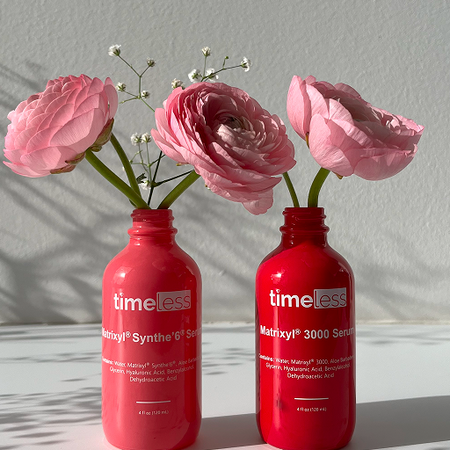
Category options include Hyaluronic Acid 100% Pure and Matrixyl® 3000 Serum.
- Hyaluronic Acid: Hyaluronic acid is a humectant, not a moisturizer. It helps attract, bind, and retain water in the outer layers of the skin. It helps support hydration in the upper layers of the epidermis. It helps improve the appearance of dehydration lines.
- Peptides: Peptides may help support the appearance of firmness.
- Vitamin B5: Vitamin B5 supports the skin barrier and helps the skin retain moisture. It also helps the skin feel more comfortable.
6. Eye Cream
The skin around the orbital contour is naturally thinner than the rest of the face. Eye creams are an optional step in an evening routine.
Within our eye category, Timeless Skin Care offers Dark Circle Peptide Complex Eye Cream.
Dab a small pea-sized amount around the orbital bone using your ring finger.
7. Night Cream or Moisturizer
Moisturizers combine humectants, emollients, and occlusive agents. A night cream helps reduce transepidermal water loss (TEWL), the water that evaporates from the skin's surface during sleep. It also helps reduce moisture loss.
Massage a nickel-sized amount over the face and neck using gentle upward motions. Choose a lighter gel-cream if your skin leans oily, or a richer lipid cream if your skin feels dry.
8. Facial Oils (Optional Final Step)
Facial oils sit on the outermost layer of the skin. Because oils are lipid-based, they act as top-level emollients and light surface occlusives.
If you choose to use a facial oil, warm two or three drops between your palms and gently press the oil over your moisturizer.
| Routine Step | Category | Primary Function |
|---|---|---|
| Step 1 | Oil-Based Cleanser | Dissolves oil-soluble makeup, excess sebum, and sunscreen |
| Step 2 | Water-Based Cleanser | Removes water-soluble dirt and remaining residue |
| Step 3 | Chemical Exfoliant | Sweeps away surface dead cells (2–3 nights weekly) |
| Step 4 | Hydrating Toner / Mist | Prepares the skin surface with a light layer of water |
| Step 5 | Water-Based Serums | Delivers concentrated cosmetic actives for targeted skin goals |
| Step 6 | Eye Cream | Delivers targeted hydration to delicate orbital areas |
| Step 7 | Moisturizer | Helps reduce transepidermal water loss overnight |
| Step 8 | Facial Oil | Provides optional surface emollience to soften outer skin |
Selecting and Layering Active Ingredients at Night
Layering requires careful attention to ingredient properties and personal skin tolerance. Some products may fit the same routine, while others require alternating schedules to keep skin comfortable.
Antioxidants in the Evening
Antioxidants can be used in evening routines as well as morning routines.
- Ubiquinone (CoQ10): A lipid-soluble antioxidant found naturally in skin. It provides antioxidant support as the skin's natural CoQ10 levels decline with age. It helps improve the appearance of fine lines. It supports firmer-looking skin. If you have vitiligo, check with your dermatologist before using a CoQ10 product.
- Vitamin C: Morning use is the most common recommendation and should be paired with broad-spectrum sunscreen, but nighttime use is also an option. L-ascorbic acid is a water-soluble antioxidant. It helps brighten the look of dullness and uneven tone. It helps defend against oxidative stress caused by environmental factors such as UV exposure and pollution.
Combining Ingredients Safely
Avoid layering multiple strong actives, such as concentrated direct acids and strong retinoids, in the exact same evening session. Overwhelming the skin with multiple potent formulas can lead to visible irritation or a compromised surface barrier. Instead, consider cycling them on alternating evenings.
Note: Individual skin reactions vary across different ingredient combinations. Anyone with a known skin sensitivity or a diagnosed skin condition should consult their dermatologist when introducing new active products.
Night Routine Adjustments by Skin Type
Every individual possesses distinct skin characteristics that dictate product choices and routine density.
Oily and Blemish-Prone Skin
Oily skin may benefit from thorough cleansing and non-comedogenic hydration.
- Cleanse with a lightweight foaming or gel cleanser to remove daily buildup.
- Apply a balancing toner or a gentle beta hydroxy acid liquid on select nights.
- Layer a lightweight humectant serum containing hyaluronic acid or vitamin B5.
- Finish with an oil-free, water-based gel moisturizer to support the surface barrier without adding heavy weight.
Dry and Dehydrated Skin
Dry skin can lack adequate surface lipids and experience higher rates of moisture loss.
- Begin with a nourishing cleansing balm, followed by a gentle, non-foaming lotion cleanser.
- Layer a hydrating essence to dampen the skin surface.
- Apply a hydrating serum to help attract, bind, and retain water in the outer layers of the skin.
- Follow with a peptide or barrier-focused serum.
- Apply a rich lipid cream containing ceramides or fatty acids.
- Optional: Press a plant oil over dry patches to minimize surface flaking.
Balanced or Combination Skin
Combination skin may require localized balance, with hydration across dry cheeks and lightweight care through the T-zone.
- Cleanse thoroughly using a mild, balanced gel cleanser.
- Apply an exfoliating toner once or twice weekly across congested areas.
- Smooth a peptide or antioxidant serum over the entire face.
- Apply a medium-weight lotion across the face, layering extra cream only where dryness appears.
Setting Realistic Expectations for Evening Skincare
Establishing an evening skincare sequence provides consistency, but cosmetic results require patience. Skincare products address the appearance of the outermost skin layers. They do not cure medical conditions or provide instantaneous changes overnight.
Surface improvements in visual smoothness, hydration, and the appearance of fine lines develop gradually through consistent use.
Evaluate your routine over a period of consistent weekly use rather than expecting dramatic transformations overnight. Maintain your broad-spectrum sunscreen protection every single morning, as daily environmental exposure can affect the appearance of skin.
Frequently Asked Questions
Can I use the same moisturizer for both morning and night?
Yes, a basic hydrating moisturizer can function in both morning and evening routines. However, morning moisturizers often contain integrated SPF or lighter textures suited for wearing under makeup, while nighttime moisturizers generally feature richer textures designed to help reduce transepidermal water loss while you sleep. If your daytime cream contains chemical or mineral sunscreen filters, save that formula strictly for morning use.
How long should I wait between skincare steps at night?
Most water-based serums and light lotions can be applied sequentially as soon as the previous layer feels mostly absorbed on the skin surface, typically within thirty to sixty seconds. If you are using a chemical exfoliant or direct acid treatment, waiting two to three minutes allows the product to dry down before layering your standard humectant serums or creams.
Is double cleansing necessary every single night?
Double cleansing is particularly helpful on evenings when you wear long-wearing foundation, heavy silicone primers, or water-resistant broad-spectrum sunscreen. The initial oil-based cleanser breaks down these stubborn oil-soluble residues, allowing your second water-based cleanser to cleanse the actual skin surface. If you wore no makeup or water-resistant sunscreen during the day, a single wash with a gentle water-based cleanser is often sufficient.
Should I apply my eye cream before or after my facial moisturizer?
Applying eye cream prior to your all-over facial moisturizer allows the dedicated eye formula to absorb directly into the clean orbital skin without barrier interference from heavier face creams. However, if your eye cream possesses a thicker, richer consistency than your facial lotion, apply the lighter facial lotion first and finish with the richer eye treatment along the orbital bone.