Introduction
Building a daily skincare regimen often starts with curiosity and ends with confusion. When your bathroom shelf fills up with bottles of toners, serums, creams, and oils, deciding which formula goes first can feel overwhelming. Many people apply products in arbitrary sequences, only to find their skin feels congested or shows little cosmetic improvement.
The arrangement of your products can affect how formulas sit on your skin. When applied incorrectly, a heavy face cream may interfere with a lightweight serum. Understanding the logic of skincare order can help you get more value from every bottle you own.
In this guide, we break down the sequence for morning and evening routines, explain the basics of product layering, and help you customize a daily regimen for your skin goals.
Quick Answer: Apply your skincare products from the thinnest consistency to the thickest consistency. Water-based formulas like toners and lightweight serums go on clean skin first, followed by heavier creams, facial oils, and daytime sunscreen.
The Core Rule of Skincare Layering: Thin to Thick
A common principle for skincare order is product density. Formulations range from fluid liquids to dense creams and botanical oils. Applying formulas from the lightest consistency to the heaviest allows each layer to sit on the skin with less interference.
Skincare products generally fall into three structural categories:
- Water-based liquids and gels: Toners, essences, and water-soluble serums.
- Emulsions and creams: Lotions, daily moisturizers, and night creams containing a balance of water and lipids.
- Anhydrous solutions and oils: Facial oils, balms, and lipid-rich ointments.
Water and oil do not mix naturally. If you apply a rich face oil or occlusive cream first, it may leave a heavier layer on the skin. A water-based product applied afterward may sit on top or roll into small flakes known as pilling.
| Step Category | Primary Function | Texture / Vehicle | Example Product Types |
|---|---|---|---|
| Cleanse | Removes surface dirt, excess sebum, and makeup | Rinse-off gel, foam, or oil | Facial cleansers, cleansing balms |
| Prep | Balances surface residue and adds initial hydration | Water-thin liquid | Hydrating toners, balancing essences |
| Treat | Targets specific cosmetic concerns with concentrated actives | Fluid, gel, or light emulsion | Antioxidant serums, peptide formulas |
| Hydrate & Nourish | Supports skin comfort and barrier integrity | Cream, lotion, or light oil | Moisturizers, eye creams |
| Protect (AM) | Defends against UV exposure | Lotion, fluid, or mineral cream | Broad-spectrum sunscreen (SPF 30+) |
Understanding humectants and occlusives helps clarify this progression. Hyaluronic acid is a humectant that helps attract, bind, and retain water in the outer layers of the skin. Humectants are often applied to freshly cleansed, slightly damp skin.
In contrast, moisturizers contain emollient and occlusive ingredients. An occlusive helps reduce transepidermal water loss (TEWL). Applying a humectant first can help attract, bind, and retain water in the outer layers of the skin. Following with an occlusive moisturizer helps reduce moisture loss.


Morning Skincare Order Routine: Protection and Defense
Your morning regimen serves a distinct purpose compared to your evening routine. Daytime skincare focuses on defense against environmental factors, managing excess sebum, and providing a clean base for daily activities or makeup.
Key Takeaway: The morning routine emphasizes antioxidant support and broad-spectrum sunscreen use for daily environmental exposure.
Follow this step-by-step sequence each morning:
1. Gentle Cleanser
Cleansing in the morning removes sweat, natural oils, and residual products accumulated during sleep. A mild, sulfate-free foaming or gel cleanser is typically sufficient. If you have dry skin, rinsing thoroughly with lukewarm water may be enough, while oily skin may benefit from a gentle, water-based face wash.
2. Hydrating Toner or Essence (Optional)
Modern toners are designed to refresh the skin without harsh, drying alcohols. A liquid toner helps support hydration in the upper layers of the epidermis and preps the skin surface for active serums. Pat the liquid onto your face using clean hands rather than dragging a cotton pad across delicate areas.
3. Water-Based Antioxidant Serum
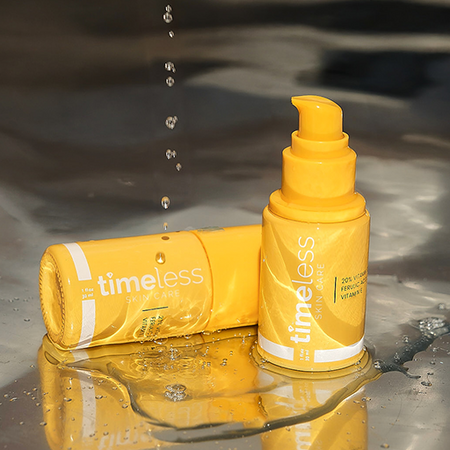
The Vitamin C category includes the 20% Vitamin C + E Ferulic Acid Serum.
Daytime is a common time to apply topical antioxidants. Exposure to daylight and ambient smog can contribute to oxidative stress on the skin. An antioxidant serum helps defend against oxidative stress caused by environmental factors such as UV exposure and pollution.
Vitamin C is among the most thoroughly researched topical antioxidants. L-ascorbic acid is the most researched form of Vitamin C, but that does not make it automatically the best form. L-ascorbic acid helps brighten the look of dullness and uneven tone. It supports the skin's antioxidant defenses. Because L-ascorbic acid requires an acidic formulation, apply it directly to clean, dry skin after toning. Morning use is the most common recommendation, not the only option. Morning use should always be paired with broad-spectrum sunscreen.
4. Hydration and Peptide Serums
The hydration category includes Hyaluronic Acid 100% Pure.
If you layer multiple serums, always apply the thinnest texture first. After your antioxidant serum has absorbed, you can apply formulas containing hyaluronic acid or targeted peptides. Peptides may help support the appearance of firmness.
5. Eye Cream (Optional)
The eye category includes Dark Circle Peptide Complex Eye Cream.
The skin surrounding the orbital bone is thinner and contains fewer sebaceous glands than the rest of the face. An eye cream can help soften the appearance of fine lines and maintain skin suppleness in this delicate zone. Gently tap a small amount around the orbital bone using your ring finger.
6. Daily Moisturizer
Your morning moisturizer helps smooth the skin surface and provides comfort. Choose a formulation suited to your skin type:
- Oily skin: A lightweight, oil-free gel moisturizer that absorbs without adding shine.
- Combination skin: A balancing lotion that hydrates dry patches without overloading the T-zone.
- Dry skin: A richer cream containing ceramides, fatty acids, or plant oils.
7. Broad-Spectrum Sunscreen
Sunscreen is the final step of every morning skincare routine. UV exposure contributes to visible signs of aging, including fine lines, rough texture, and uneven tone.
Select a broad-spectrum sunscreen with an SPF rating of 30 or higher. Apply an adequate amount to the entire face, neck, and ears. Allow your sunscreen to set before applying foundation or color cosmetics. Never mix your sunscreen directly into a moisturizer or foundation, as diluting the formula can affect its protective film.
Evening Skincare Order Routine: Recovery and Replenishment
While your morning routine focuses on defense, your nighttime routine centers on thorough cleansing and visible skin recovery. During sleep, your skin is not exposed to UV rays or environmental grime, making the evening suitable for richer textures and active ingredients that can increase photosensitivity.
Follow this step-by-step evening sequence:
1. First Cleanse: Makeup and Sunscreen Removal
Throughout the day, sunscreen, makeup, sebum, and airborne pollutants accumulate on your face. Standard water-based cleansers may struggle to break down water-resistant sunscreen formulas and long-wear pigments.
Using an oil cleanser, cleansing balm, or micellar water as your first step helps remove surface oils and makeup without aggressive rubbing. Massage the oil or balm onto dry skin, then rinse with lukewarm water.
2. Second Cleanse: Water-Based Cleanser
Follow with a gentle water-based gel or cream cleanser. This second step washes away lingering residue from the first cleanse, allowing subsequent leave-on treatments to sit evenly on the skin.
3. Exfoliants or Targeted Active Treatments
Evening is an appropriate time to use exfoliating acids such as alpha hydroxy acids, including glycolic or lactic acid, or beta hydroxy acids such as salicylic acid. Chemical exfoliants can help improve the appearance of rough texture and congestion.
Use chemical exfoliants occasionally to reduce the potential for irritation. On nights when you exfoliate, omit other potent actives such as retinoids if combining them causes discomfort.
4. Night Serums and Retinoids
On non-exfoliating evenings, apply your targeted treatment serums. This step may include retinoids, targeted peptide blends, or humectants.
Vitamin B5 supports the skin barrier and helps the skin retain moisture. It also helps the skin feel more comfortable. CoQ10 is another evening option. As a lipid-soluble antioxidant, it provides antioxidant support as the skin's natural CoQ10 levels decline with age. It helps improve the appearance of fine lines and supports firmer-looking skin. CoQ10 is generally used once daily.
Note: If you have vitiligo, check with your dermatologist before using a CoQ10 product.
When using topical retinoids such as retinol or retinal, apply them to dry skin. If your skin is prone to sensitivity, you can use the sandwich technique: apply a light layer of hydrating serum or moisturizer, follow with your retinoid, and finish with a layer of cream.
5. Eye Cream
Reapply your dedicated eye formula to maintain nighttime hydration around the orbital rim. Keeping this area conditioned helps improve the appearance of dehydration lines that can develop overnight.
6. Night Cream or Sleeping Moisturizer
Finish your evening routine with a nourishing moisturizer. Nighttime formulas can be richer than daytime lotions because you do not need to layer sunscreen over them. A well-formulated night cream helps reduce moisture loss as you sleep, leaving skin soft and refreshed by morning.
7. Facial Oil (Optional)
If you have exceptionally dry skin or live in an arid climate, you can apply a few drops of facial oil as the final step over your moisturizer. This adds an additional oil layer to the routine.
Managing Active Ingredients and Avoiding Conflicts
One common pitfall in building a skincare order routine is layering too many active ingredients in the same session. Combining strong actives can increase the likelihood of redness, flaking, or barrier discomfort.
Understanding pH-Dependent Actives
Certain ingredients require specific pH environments to remain stable. Vitamin C in the form of L-ascorbic acid uses an acidic formulation. Direct exfoliating acids such as glycolic and salicylic acids are also formulated at low pH levels.
Applying multiple low-pH products at the same time may feel uncomfortable for some people. To keep your routine manageable:
- Use L-ascorbic acid in the morning if that suits your routine. Morning use should always be paired with broad-spectrum sunscreen.
- Use exfoliating acids in the evening.
- Separate exfoliating acids and retinoids by using them on alternate nights.
The Problem with Ingredient Overload
Layering an exfoliating acid, a retinoid, and a strong vitamin formula in a single evening may increase the risk of surface irritation.
A cycling approach is often more sustainable:
- Night 1: Exfoliation with an AHA or BHA, followed by barrier hydration.
- Night 2: Retinoid treatment, followed by nourishing moisturizer.
- Nights 3 and 4: Recovery nights focused on hydration with hyaluronic acid, Vitamin B5, and barrier creams.
Individual skin reactions vary. If you have a known sensitivity, a diagnosed skin condition, or are unsure how to combine specific ingredients, check with your dermatologist before introducing new active formulas.
Setting Realistic Expectations for Visible Results
Topical skincare products usually produce visible changes gradually. Consistent use can support improvements in skin smoothness, tone clarity, and the appearance of firmness over time.
- Hydration: Humectants like hyaluronic acid and barrier-supporting moisturizers may improve skin surface softness and the look of dehydration lines.
- Tone and brightness: Vitamin C helps brighten the look of dullness and uneven tone.
- Firmness and fine lines: Peptides may help support the appearance of firmness. CoQ10 helps improve the appearance of fine lines and supports firmer-looking skin.
Topical skincare products do not provide permanent results or erase deep expression lines overnight. Consistency, gentle handling, and daily sun protection support a well-managed skincare routine.
Frequently Asked Questions
How long should I wait between applying each skincare step?
For most products, you do not need to wait long between steps. Once a serum or toner has absorbed and no longer feels wet on the surface, you can proceed to the next formula. If you are applying an acidic ingredient such as L-ascorbic acid or a topical retinoid, waiting briefly can allow the product to settle before you apply your moisturizer. When applying sunscreen, allow your moisturizer to absorb beforehand, and let the sunscreen set before applying makeup.
Can I mix my serum into my moisturizer to save time?
It is best to apply your serum and moisturizer as distinct steps rather than mixing them in your palm. Blending a serum into a thick cream can alter the emulsion and dilute the concentration of active ingredients. Applying each layer separately keeps them as distinct steps.
Does the thinnest-to-thickest rule apply to all skincare products?
The thin-to-thick principle applies to most leave-on skincare products. Start with liquid toners, move to light water-based serums, progress to thicker gel or emulsion serums, apply lotions and creams, and finish with facial oils. A key exception is sunscreen in the morning: even if your sunscreen feels lighter than your moisturizer, it must always be the final skincare step because it forms a continuous film on top of the skin.
Do I need to wash my face with cleanser both morning and night?
Evening cleansing is generally useful for removing accumulated dirt, sebum, makeup, and sunscreen. The morning cleanse depends somewhat on your skin type. If you have oily skin, using a gentle cleanser in the morning removes overnight oil production and prepares the skin for daytime treatments. If you have very dry or sensitive skin, rinsing your face with lukewarm water in the morning may be sufficient to refresh your skin without washing away natural surface lipids.