Introduction
Building an effective daily routine requires more than just choosing quality formulas. The sequence in which you apply each step helps organize your routine. Applying products from lighter textures to heavier textures creates a straightforward order for your skincare steps.
Every product format features a distinct texture and function. Knowing the exact skincare product order allows you to target specific concerns, support your moisture barrier, and maintain a radiant appearance.
Whether you keep your routine minimal with three core steps or prefer a comprehensive multi-step regimen, the fundamental guidelines remain consistent. This guide walks you through layering, the differences between daytime and nighttime steps, and the proper way to sequence your routine.
Key Takeaway: Proper layering generally moves from lighter, water-based formulas to heavier creams and oils, with broad-spectrum sunscreen as the final morning step.
Fundamental Rules of Skincare Layering
Layering does not have to feel complicated. If you ever feel uncertain about where a new product fits, follow three straightforward principles based on cosmetic formulation.
1. Thin to Thick Consistency
The primary guideline in skincare product order is texture. Formulas with a thin, watery consistency are generally applied before thicker formulas. Arrange your products from the most fluid liquid to the densest cream.
2. Water-Based Before Oil-Based
Water-based treatments, such as liquid toners and hydrating serums, are generally applied before oil-based products. Oil-based serums, face oils, and heavy creams are designed to condition the skin and help reduce moisture loss.
3. Sunscreen Is Always the Final Morning Step
Broad-spectrum sunscreen should always serve as the final step of your morning regimen before any makeup application. Applying other skincare products over sunscreen can disrupt its even layer.
| Formula Type | Primary Base | Texture Example | Routine Placement |
|---|---|---|---|
| Cleanser | Water or Oil | Gel, Foam, Balm | Step 1 (AM and PM) |
| Toner or Essence | Water | Liquid, Mist | Step 2 (Directly after cleansing) |
| Water-Based Serum | Water | Fluid, Light Gel | Step 3 (First treatment layer) |
| Eye Treatment | Emulsion | Cream, Gel | Step 4 (Targeted area) |
| Moisturizer | Emulsion / Lipids | Cream, Lotion | Step 5 (Barrier care) |
| Facial Oil | Oil | Dry Oil, Rich Oil | Step 6 (Optional night step) |
| Sunscreen | Mineral / Chemical | Lotion, Fluid | Step 7 (AM final step) |


The Complete Morning Skincare Product Order
Your morning routine focuses on two main goals: supporting the skin against daytime stressors and maintaining proper hydration throughout the day. Environmental exposure, including UV radiation and urban pollution, creates daily oxidative stress.
- Cleanse.
- Apply toner.
- Layer treatment serums.
- Apply eye cream.
- Moisturize.
- Finish with broad-spectrum sunscreen.
Step 1: Gentle Cleansing
Washing your face in the morning removes natural oils, sweat, and residue from your evening products. A gentle, sulfate-free cleanser refreshes your complexion. If your skin feels dry upon waking, a lukewarm water rinse may be sufficient.
Step 2: Hydrating Toner
Using a liquid toner right after cleansing adds a hydrating step before concentrated treatments. Toners featuring humectants can complement a hydration-focused routine.
Step 3: Vitamin C and Antioxidant Serums
Morning use is common for antioxidant serums, and it should be paired with broad-spectrum sunscreen. Vitamin C helps defend against oxidative stress caused by environmental factors such as UV exposure and pollution. It also helps neutralize free radicals generated by UV exposure.
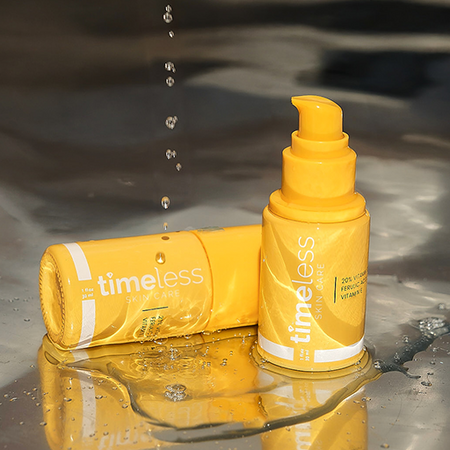
L-ascorbic acid is the most researched form of vitamin C. In cosmetic formulations, it helps brighten the look of dullness and uneven tone. Our 20% Vitamin C + E Ferulic Acid Serum is a vitamin C serum.
If you use multiple serums, apply your thinnest antioxidant serum first. You can follow with a hydrating serum containing hyaluronic acid. Hyaluronic acid helps attract, bind, and retain water in the outer layers of the skin. It also helps improve the appearance of dehydration lines.
Step 4: Eye Cream
Eye cream is generally applied before facial moisturizer. Look for formulas designed to support a smoother, refreshed eye contour.
Step 5: Daytime Moisturizer
A lightweight daytime lotion or gel moisturizer supports your skin barrier. A good moisturizer helps reduce transepidermal water loss (TEWL), the water that evaporates from the skin's surface. Choosing a light emulsion keeps your skin supple without feeling heavy underneath your sun protection.
Step 6: Broad-Spectrum Sunscreen
Daily broad-spectrum sunscreen is an important morning skincare step. Apply a generous layer with an SPF rating of 30 or higher to your face, neck, and ears.
Sunscreen should form an even layer to provide reliable defense against ultraviolet radiation. Allow your moisturizer to absorb for two minutes before applying sunscreen. If you wear makeup, wait another few minutes to allow your sunscreen to set completely.
How to use: Apply your morning skincare products in steady succession, giving each layer roughly thirty to sixty seconds to settle before adding the next step.
The Complete Evening Skincare Product Order
Your evening regimen is designed to remove the debris of the day and include targeted ingredients for cosmetic care.
- Remove makeup and cleanse.
- Exfoliate or tone.
- Apply targeted serums.
- Apply eye cream.
- Apply night moisturizer.
- Apply facial oil, if desired.
Step 1: Double Cleansing
At night, thorough cleansing is useful for removing sunscreen or makeup. Start with an oil-based cleanser or cleansing balm. Massaging an oil cleanser across dry skin helps break down long-wearing pigments and excess sebum. Follow with a gentle water-based cleanser to wash away water-soluble debris and sweat.
Step 2: Chemical Exfoliation (Two to Three Times Weekly)
Exfoliating toners or liquid treatments containing alpha hydroxy acids (AHAs) or beta hydroxy acids (BHAs) help remove dull surface cells and smooth uneven texture.
Limit acid exfoliation to two or three nights per week. Over-exfoliating can make skin feel uncomfortable and may contribute to visible redness.
Step 3: Targeted Serums and Peptides
Nighttime is a common time for cosmetic ingredients such as peptides and coenzyme Q10.
Peptides are short chains of amino acids that may help support the appearance of firmness. They can be applied after cleansing and toning.
Coenzyme Q10 is a lipid-soluble antioxidant naturally found in skin. CoQ10 provides antioxidant support as the skin's natural CoQ10 levels decline with age. It helps improve the appearance of fine lines and supports firmer-looking skin. CoQ10 is generally used once daily. Our Coenzyme Q10 Serum is a CoQ10 serum. If you have vitiligo, check with your dermatologist before using a CoQ10 product.
Vitamin B5 supports the skin barrier and helps the skin retain moisture. It also helps the skin feel more comfortable.
Step 4: Eye Cream
Using a dedicated eye cream at night can support a refreshed-looking eye contour. Gently tap a small amount around the orbital bone using your ring finger. Our Dark Circle Peptide Complex Eye Cream is an eye cream. Avoid pulling the fragile skin around the eyelid area during application.
Step 5: Rich Night Cream
A richer cream containing ceramides, fatty acids, or plant butters can be used in an evening routine. A moisturizer helps reduce moisture loss while you sleep.
Step 6: Facial Oil (Optional)
If your skin feels dry, tight, or exposed to cold air, a facial oil can serve as the final step of your nighttime routine. Facial oils do not hydrate the skin directly because they do not contain water. Instead, they condition the outer skin surface and help reduce transepidermal water loss (TEWL).
Routine Customization by Skin Type
Skin characteristics vary. Tailoring your skincare routine to match your skin type can help keep your routine comfortable while delivering balanced hydration.
Oily and Blemish-Prone Skin
Oily skin benefits from lightweight textures and non-comedogenic formulas. A heavy routine can contribute to excess shine and clogged pores.
- Cleanse with a gentle gel-based foaming cleanser.
- Apply an exfoliating toner with salicylic acid on alternating nights.
- Layer a water-based humectant serum.
- Use an oil-free gel moisturizer.
- Finish with a lightweight, matte-finish broad-spectrum sunscreen in the morning.
Dry and Dehydrated Skin
Dry skin lacks natural oils, while dehydrated skin lacks water content in the epidermis. Both can benefit from layered hydration and rich emollients.
- Cleanse with a non-foaming cream cleanser or cleansing oil.
- Pat on a hydrating toner rich in humectants while the skin is still damp.
- Apply a hyaluronic acid serum. It helps attract, bind, and retain water in the outer layers of the skin.
- Layer a peptide serum that may help support the appearance of firmness.
- Apply a rich lipid cream to help reduce moisture loss.
- Apply facial oil at night.
Combination Skin
Combination skin typically features an oilier T-zone, including the forehead, nose, and chin, alongside normal or dry cheeks.
- Use a balanced, gentle cleanser morning and evening.
- Apply a light hydrating mist or balancing toner.
- Layer lightweight antioxidant or peptide serums evenly across the entire face.
- Spot-apply a richer moisturizer to dry cheek areas and a lighter lotion to the T-zone.
- Apply daily broad-spectrum SPF 30+ across all areas.
Bottom Line: Adjust the weight of your moisturizers according to your environment and skin type, but keep the foundational order of cleanser, serum, cream, and sunscreen unchanged.
Common Layering Mistakes to Avoid
Even with quality products, simple application errors can undermine your skincare progress. Watch out for these four common layering missteps.
Applying Products to Bone-Dry Skin
Hyaluronic acid helps attract, bind, and retain water in the outer layers of the skin. Apply your hydrating toners and water-based serums to slightly damp skin directly after cleansing.
Rushing Between Incompatible Formulas
Layering several silicone-heavy or polymer-based products in rapid succession can result in pilling. Pilling happens when products ball up into tiny flakes instead of settling onto the skin. Allow each layer thirty to sixty seconds to settle before adding the next formula.
Mixing Conflicting Strong Actives in One Session
Using multiple potent direct acids, strong exfoliants, and retinoids within the exact same morning or evening routine may increase the likelihood of visible irritation. Individual reactions vary, and anyone with a known sensitivity or diagnosed skin condition should check with their dermatologist. Space strong active ingredients across alternating nights instead of layering them all at once.
Neglecting the Neck and Décolleté
The skin on your neck and upper chest experiences sun exposure and environmental stress. Extend your skincare sequence down to your collarbones. Apply your serums, moisturizers, and daily sunscreen to these areas just as you do on your face.
Realistic Expectations
Caring for your complexion is a gradual process built on daily consistency. Cosmetic skincare products do not produce overnight transformations, and individual responses vary based on age, genetics, lifestyle, and climate.
Hyaluronic acid helps improve the appearance of dehydration lines. Visible changes in tone, clarity, and texture vary with the routine and individual response. Consistent use alongside daily sun protection provides a practical basis for evaluating your results.
Timeless Skin Care was founded in 2009 by Veronica Pedersen, building on her family's extensive history in the beauty industry. The company's formulas are made in the USA in small batches.
Frequently Asked Questions
How long should I wait between applying each skincare product?
You do not need to wait several minutes between every step. Waiting thirty to sixty seconds is generally enough time for water-based liquids and serums to settle. The main exception is daily sunscreen: allow your moisturizer to absorb fully before applying sunscreen, and let your sunscreen set for two to three minutes before applying makeup.
Can I use more than one serum in the same routine?
Yes, you can layer multiple serums within a single routine. Apply your thinnest, most liquid water-based serum first, followed by slightly more viscous gels or emulsion-based treatments. Keeping the number manageable may help reduce product pilling and keep your regimen practical.
Should I apply eye cream before or after my face moisturizer?
It is generally best to apply eye cream before your all-over facial moisturizer. Applying your eye treatment first places it on the targeted area before a heavier layer of facial cream.
Is it necessary to wash my face with a cleanser twice a day?
A thorough double cleanse can be useful at night to remove makeup, sunscreen, and daily pollution. In the morning, a full cleanse can help remove overnight oils and product residue for oily skin types. If you have dry or very sensitive skin, a gentle rinse with lukewarm water in the morning may be sufficient before applying your daytime toner and serum.