Introduction
Applying skincare products in a deliberate sequence can help organize how formulas sit on the surface of your skin. Heavier textures applied too early may contribute to pilling.
The primary rule of skincare layering is straightforward: apply products from the thinnest texture to the thickest texture. Water-based liquids generally go first, followed by medium-weight gels or serums, then richer creams, and finally daily broad-spectrum sunscreen in the morning. This structure can help lightweight, water-soluble formulas sit under richer products.
Understanding the order of skincare may also help reduce unnecessary product waste and formula pilling. Whether your routine consists of three essential steps or a more detailed multi-product regimen, following a deliberate structure can help you organize your daily care. Founded in 2009 by Veronica Pedersen, Timeless Skin Care is a skincare company.
Key Takeaway: Layer products from the lightest consistency to the heaviest consistency. Water-based treatments generally precede oil-based formulas and heavy creams.
The Core Principles of Product Layering
To understand why sequence matters, it helps to examine how different vehicle types interact with the stratum corneum, which is the outermost layer of your skin.
Skincare products generally fall into three textural categories:
- Water-based liquids and light solutions: These include watery toners, essences, and low-viscosity serums. They deliver water-soluble actives directly to clean skin.
- Emulsions and medium serums: These formulas combine water and light oil phases or utilize thicker gel structures. They provide hydration and targeted cosmetic benefits.
- Lipid-rich creams, balms, and occlusives: These products contain higher concentrations of oils, waxes, or butters designed to sit on the surface.
If you apply a rich cream first, its lipid content creates a physical film over the skin. A water-based serum applied on top of that barrier may not reach the epidermal surface as easily. The serum may rest on top of the cream and contribute to pilling.
For definitions of common skincare terms, visit the Ingredient Glossary.
| Product Category | Typical Texture | Primary Formulation Type | Placement in Routine |
|---|---|---|---|
| Cleanser | Gel, foam, cream, or oil | Surfactant or oil base | First step |
| Toner or Mist | Watery liquid | Water-based | Directly after cleansing |
| Light Serum | Watery gel or fluid | Water-based active | Before heavier treatments |
| Rich Serum or Oil | Viscous liquid or lipid | Anhydrous or emulsion | After light serums |
| Moisturizer | Lotion or rich cream | Emulsion with occlusives | Near the end of routine |
| Sunscreen (AM) | Lotion, fluid, or cream | UV filter suspension | Final morning step |
Viscosity is a useful guide when organizing your counter. If you are unsure where a new product fits, place a drop on the back of your hand. If it runs quickly like water, it belongs near the beginning. If it holds its shape or feels creamy, it belongs near the end.


The Step-by-Step Morning Skincare Routine
Morning skincare can focus on cleansing, hydration, and sunscreen.
- Cleanser: Wash your face with lukewarm water and a gentle cleanser to remove overnight oil and dead skin cells. If your skin is naturally very dry, a gentle rinse with plain water may be sufficient.
- Toner or Hydrating Mist: Apply to clean skin to prepare the surface for subsequent serums.
- Antioxidant Serum: A daytime antioxidant serum helps defend against oxidative stress caused by environmental factors such as UV exposure and pollution. It also helps neutralize free radicals generated by UV exposure. Vitamin C is a popular choice for this step because it helps brighten the look of dullness and uneven tone.
- Hydrating or Peptide Serum: Apply a lightweight humectant or peptide formula. Hyaluronic acid helps attract, bind, and retain water in the outer layers of the skin. Peptides may help support the appearance of firmness.
- Eye Cream: Tap a small amount around the orbital bone using your ring finger to avoid pulling on delicate skin.
- Daily Moisturizer: Apply a hydrating cream or lotion. A well-formulated moisturizer helps reduce transepidermal water loss (TEWL), the water that evaporates from the skin's surface.
- Broad-Spectrum Sunscreen: Apply broad-spectrum sunscreen with an SPF of 30 or higher as your final skincare step.
Note: Morning use of vitamin C is the most common recommendation because it supports the skin's antioxidant defenses during daytime hours. Morning use should always be paired with a broad-spectrum sunscreen.
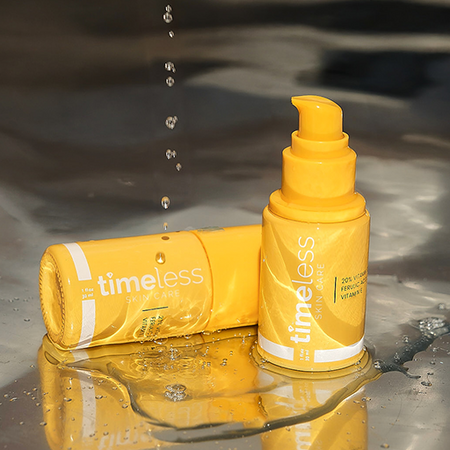
The 20% Vitamin C + E Ferulic Acid Serum is listed in the Vitamin C category of targeted treatments.
The Step-by-Step Evening Skincare Routine
Evening routines center on cleansing and hydration. Nighttime also accommodates heavier textures and some specific actives.
- First Cleanse (Makeup and Sunscreen Removal): Use an oil cleanser, cleansing balm, or micellar water to break down oil-based impurities, makeup, and water-resistant sunscreen filters.
- Second Cleanse: Follow with a gentle water-based face wash to clear away any remaining residue, sweat, and surface impurities.
- Exfoliant or Acid Toner (1 to 3 times weekly): If you use chemical exfoliants like glycolic or salicylic acid, apply them directly to clean, dry skin. Allow the product a moment to settle before layering additional treatments.
- Targeted Night Serums: Apply active serums targeting texture or tone. If you are using multiple serums, apply the lightest water-based solution first. Peptides and barrier-supportive formulas are common selections here.
- Eye Cream: Gently apply an eye treatment around the orbital area.
- Night Cream or Rich Moisturizer: Finish with a replenishing moisturizer to soften the skin. This step helps reduce moisture loss.
- Facial Oil (Optional): If your skin is prone to dryness, you may pat a few drops of facial oil over your moisturizer to add extra surface emollience.
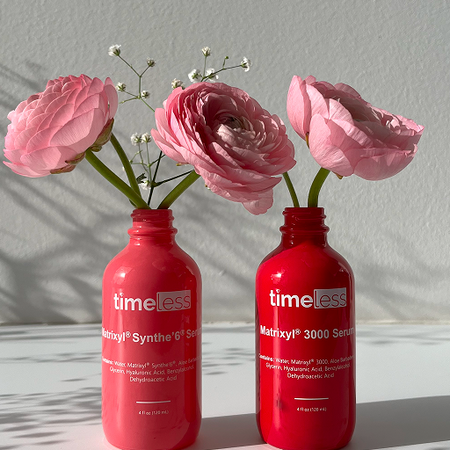
The Matrixyl® 3000 Serum is listed in the Peptides category of concentrated serums.
How to Layer Multiple Active Ingredients
Many routines incorporate more than one targeted active ingredient. When combining multiple treatments, the relationship between water solubility, pH levels, and ingredient types can be managed carefully.
Water-Based Before Oil-Based
Active ingredients formulated in water-based solutions generally go on before anhydrous, water-free liquids or oils. Hyaluronic acid helps support hydration in the upper layers of the epidermis. Apply a water-based hyaluronic acid product before any lipid-heavy product.
Molecular Formats and Hydration
Not all humectants behave the same way. Sodium hyaluronate is the sodium salt of hyaluronic acid, and hydrolyzed hyaluronic acid refers to hyaluronic acid broken into smaller fragments. Hyaluronic acid helps attract, bind, and retain water in the outer layers of the skin. It helps support hydration in the upper layers of the epidermis and helps improve the appearance of dehydration lines.
Ingredient Conflicts and Spacing
Certain active ingredients may be better used at separate times of day rather than layered directly on top of each other.
- Direct Acids and Vitamin C: L-ascorbic acid is used in an acidic formulation. Layering direct exfoliating acids like glycolic acid directly alongside L-ascorbic acid in the same sitting may increase the likelihood of surface irritation. Consider using vitamin C in the morning and chemical exfoliants on alternating evenings.
- Coenzyme Q10 (CoQ10): Ubiquinone is a lipid-soluble antioxidant naturally found in skin. It provides antioxidant support as the skin's natural CoQ10 levels decline with age and supports firmer-looking skin. The Coenzyme Q10 Serum is listed in the Antioxidant category. When using this ingredient, apply it once daily across the face and neck, avoiding the immediate eye contour. If you have vitiligo, check with your dermatologist before using a CoQ10 product.
- Vitamin B5: Vitamin B5 supports the skin barrier and helps the skin retain moisture. It helps the skin feel more comfortable.
Bottom line: When in doubt about whether two strong active ingredients can be layered together, use one in the morning and one at night, or alternate them on different days of the week.
Setting Realistic Expectations with Skincare Layering
Organizing your skincare routine into a deliberate order can help products sit on the skin, but visible cosmetic results require patience and steady consistency.
Because cosmetic formulas work on the visible outer surface, noticeable improvements in the appearance of fine lines, tone clarity, and overall texture develop gradually.
The performance of an active ingredient depends on its specific form, the stability of the vehicle, the pH balance of the formula, and protective packaging that shields light- and air-sensitive compounds from premature degradation. For instance, an oxidized vitamin C serum gradually loses its potency over time and may increase the likelihood of skin irritation.
Individual reactions vary significantly from person to person. Anyone with a known sensitivity or diagnosed skin condition should check with their dermatologist before introducing new concentrated actives into their daily sequence.
Frequently Asked Questions
How long should I wait between applying each skincare step?
You do not need to wait extended periods between every step. In general, allow each liquid or serum to absorb until your skin feels slightly damp or tacky rather than wet before moving to the next product. When using broad-spectrum sunscreen in the morning, apply it after your moisturizer has dried so the sunscreen can form an even, undisturbed layer across the face.
Can I apply my moisturizer before my serum?
Moisturizers are generally applied after lightweight serums. Creams contain emollients and occlusive agents designed to sit on the surface and reduce water evaporation. If a serum is layered over a rich cream, it may not spread as evenly across the skin. For more guidance, read about how to layer multiple serums.
Do I need to wash my face with cleanser twice a day?
Cleansing at night can help clear away sunscreen, daily grime, and excess oil. Morning cleansing depends on your personal skin type. Those with oily complexions may prefer a gentle morning wash to remove overnight sebum. Those with exceptionally dry or sensitive skin may choose to rinse with lukewarm water instead of using a foaming face wash in the morning.
Where do facial oils fit in the skincare order?
Facial oils generally fit at or near the end of your routine. Many facial oils are occlusive lipids, so they are generally applied after water-based serums and light lotions. You can press a small amount of face oil over your night cream, or mix a small amount into your moisturizer before application to add surface emollience. In the morning, ensure any oil used is fully absorbed before applying your broad-spectrum sunscreen. For help organizing your routine, use the skincare quiz.