Introduction
Skincare routines can quickly feel overwhelming when you are staring at multiple bottles on your bathroom counter. You might wonder whether your serum goes before your moisturizer, where eye cream fits, or whether product sequence truly matters.
The order of application can influence how well your products layer. Skincare formulas are engineered with different textures, molecular weights, and base types. If you layer a light, water-based serum over a thick, occlusive cream, the serum may not layer as intended. Applying products in the correct sequence can help each formula work within your routine without unnecessary interference.
Key Takeaway: The fundamental rule of skincare layering is simple: apply your products from thinnest to thickest texture, moving from water-based treatments to richer, oil-based formulas.
A complete routine does not require ten individual steps. A focused regimen of three to four targeted products can be easier to maintain. Let us walk through the principles of proper product order, step-by-step daytime and nighttime routines, and how to combine active ingredients effectively. For help choosing products and organizing a routine, use our skincare quiz.
The Core Principles of Product Layering
To understand the proper order of skincare, you only need to master three basic guidelines. These rules keep your routine functional regardless of how many steps you choose to include.
1. Consistency: Thinnest to Thickest
Lighter, fluid formulas absorb rapidly into the upper layers of the skin. Heavier textures contain emollient and occlusive agents that create a protective layer on the surface. If you apply a dense face cream first, a watery toner or serum applied on top may sit over that barrier. Place lightweight, runny fluids first, followed by lotions, creams, and dense facial oils.
2. Base Type: Water Before Oil
Water and oil do not mix easily. Water-soluble formulas, such as classic hyaluronic acid liquids or acidic antioxidant solutions, typically go on clean skin first. Oil-based formulas and anhydrous (water-free) solutions come later in your sequence.
3. Protection Last: Sunscreen as the Final AM Step
Sunscreen is formulated to create an even, continuous film over the skin that shields it from ultraviolet radiation. Putting serums or moisturizers on top of your sunscreen can disrupt that protective film and dilute its coverage. For daytime, broad-spectrum sunscreen is the final step before makeup.
| Routine Phase | Product Texture | Primary Purpose | Examples |
|---|---|---|---|
| Step 1: Prep | Fluid / Rinse-off | Cleanses surface impurities and balances pH | Gel cleansers, cleansing oils, toners |
| Step 2: Treat | Water-based to light fluid | Delivers concentrated cosmetic ingredients | Vitamin C, peptide serums, humectants |
| Step 3: Moisturize | Cream / Oil / Emulsion | Helps reduce transepidermal water loss (TEWL) | Creams, lotions, facial oils |
| Step 4: Protect (AM) | Lotion / Fluid | Defends against UV rays | Broad-spectrum sunscreen (SPF 30+) |


The Proper Morning Skincare Order
Morning skincare is designed around defense and hydration. Your skin faces environmental stressors, dry indoor air, and sunlight throughout the day. A morning routine can include antioxidant products and provide moisture without feeling greasy under daily wear.
- Cleanse: Wash with a mild, non-stripping cleanser using lukewarm water to remove overnight sebum and residue.
- Tone or Mist: If you use a hydrating mist or balancing toner, apply it immediately after cleansing while the skin is still fresh.
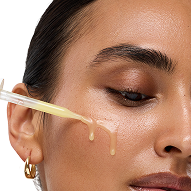
- Targeted Serum: Apply your water-based antioxidant or active serum. Patting the liquid gently over the face and neck allows it to distribute evenly.
- Eye Cream: Lightly tap a small amount around the orbital bone using your ring finger, avoiding direct contact with the eyes.
- Moisturizer: Smooth on a lotion or cream that helps reduce transepidermal water loss (TEWL), the water that evaporates from the skin's surface.
- Sunscreen: Finish with broad-spectrum sunscreen rated SPF 30 or higher.
Antioxidants are commonly included in morning routines alongside daily sun protection. Vitamin C, for instance, helps brighten the look of dullness and uneven tone while it helps defend against oxidative stress caused by environmental factors such as UV exposure and pollution.
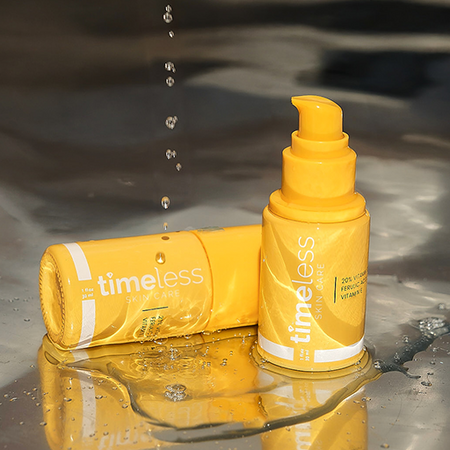
For a vitamin C serum product example, see the 20% Vitamin C + E Ferulic Acid Serum.
How to use: Apply your morning antioxidant serum to clean, dry or slightly damp skin, allow it a moment to settle, and always complete your morning routine with daily broad-spectrum sun protection.
The Proper Evening Skincare Order
While daytime focuses on defense, your evening routine is dedicated to thorough cleansing, hydration, and supporting the natural skin barrier. Nighttime is also a practical window to apply richer textures and ingredients that may increase photosensitivity.
- First Cleanse (Makeup / Oil Removal): Use an oil-based cleanser or cleansing balm to break down long-wear makeup, excess sebum, and daytime sunscreen.
- Second Cleanse: Follow with a gentle water-based face wash to ensure all dirt and residue are rinsed away.
- Exfoliant (1–3 times weekly): If you use a chemical exfoliating toner containing alpha or beta hydroxy acids, swipe it on clean skin before your treatments.
- Active Serums: Layer your nighttime treatments, applying water-soluble formulas first, followed by any anhydrous solutions or peptide blends.
- Eye Cream: Apply your targeted eye treatment to the orbital bone to support a smoother-looking eye contour.
- Moisturizer: Use a nourishing night cream that helps reduce moisture loss while you sleep.
- Facial Oil (Optional): For very dry skin types, a few drops of facial oil patted over your moisturizer provide an extra layer of emollience.
Targeted peptide serums fit naturally into the evening treatment phase. Peptides may help support the appearance of firmness.
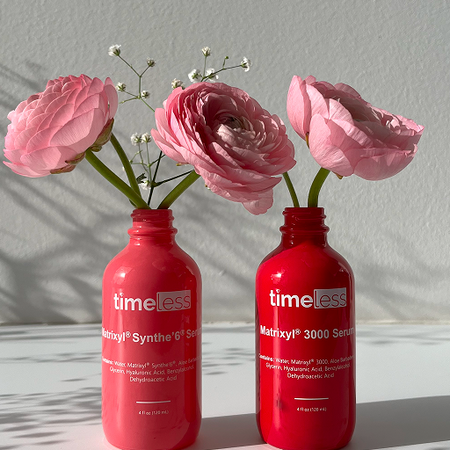
For a peptide serum product example, see Matrixyl® Synthe'6® Serum.
Layering Multiple Serums Without Irritation
Many people use more than one serum to address multiple aesthetic goals, such as hydration, tone, and firmness. You can layer serums effectively if you follow proper formulation rules. For additional guidance, read how to layer multiple serums.
How to Sequence Serums
When layering two or more serums, look at their textures:
- Start with low-viscosity, water-based solutions.
- Follow with medium-weight gels or hyaluronic acid formulas.
- Finish the serum stage with lipid-based or suspension formulas.
Hyaluronic acid is one of the most versatile ingredients for layering. As a humectant, it helps attract, bind, and retain water in the outer layers of the skin. It helps support hydration in the upper layers of the epidermis and helps improve the appearance of dehydration lines. Hyaluronic acid is a humectant, not a moisturizer. Because it is lightweight, a water-based humectant can be layered under creams. You can also read about using hyaluronic acid and vitamin C together.
Understanding Ingredient Compatibility
Not every active ingredient should be applied in the exact same routine. Combining several strong ingredients simultaneously may overwhelm the skin barrier and lead to visible redness or flaking.
- Vitamin C and Exfoliating Acids: Combining vitamin C with strong glycolic or salicylic acids may increase the risk of surface irritation. Vitamin C is commonly used in the morning with broad-spectrum sunscreen, while chemical exfoliants may be reserved for alternate evenings.
- Retinoids and Direct Acids: Avoid applying potent exfoliating acids in the same evening session as retinoid treatments. Alternating these actives across different nights can help keep the skin feeling balanced and comfortable.
- Antioxidant Support: Coenzyme Q10 provides antioxidant support as the skin's natural CoQ10 levels decline with age. It helps improve the appearance of fine lines and supports firmer-looking skin. Products featuring CoQ10 are generally used once daily in either morning or evening routines. If you have vitiligo, check with your dermatologist before using a CoQ10 product. Learn more about Coenzyme Q10.
Note: Individual skin tolerance varies widely. If you have a diagnosed skin condition, reactive skin, or known allergies, speak with your dermatologist before introducing new combinations of active ingredients.
Supporting the Delicate Eye Area
The skin around the eyes is noticeably thinner than the rest of the face, making it prone to dehydration, puffiness, and visible dark circles. Understanding where eye care fits in the proper order for skincare helps organize application.
Apply eye creams after your watery serums but before your all-over facial moisturizer. This placement puts eye creams after watery serums and before all-over facial moisturizer.
For an eye cream product example, see Dark Circle Peptide Complex Eye Cream. Use a light tapping motion with your ring finger along the bone structure beneath the eye, and avoid applying active facial serums directly onto the upper eyelids.
Setting Realistic Expectations for Your Routine
Consistency matters, and a complicated array of products is not essential. The skin naturally sheds and refreshes its outer layer, so visible changes in skin texture, tone, and smoothness require patience.
Cosmetic improvements are gradual and vary significantly from person to person. Factors such as baseline hydration, lifestyle, genetics, and climate all influence how your skin responds. A well-ordered routine will not alter your skin overnight.
Rather than expecting instant changes, evaluate your progress over time with consistent application. Ensuring your products are layered in the proper order can help keep your routine organized. For a more personalized product selection process, explore DIY Build Your Kit.
Frequently Asked Questions
How long should I wait between skincare steps?
You do not need to wait lengthy periods between every step. For most hydrating toners, humectant serums, and moisturizers, apply the next layer when the previous product feels absorbed and non-sticky. When using potent acidic formulations, allowing the product a moment to settle on dry skin before applying your next cream can help minimize product pilling.
Can I use my morning moisturizer at night?
You can generally use a daytime moisturizer at night, provided it does not contain sunscreen. Sunscreen filters are formulated for daytime ultraviolet defense and offer no cosmetic benefit while you sleep. If your daytime cream is a dedicated, SPF-free lotion, it is generally fine to use it in both your morning and evening routines.
What should I do if my skincare products start pilling?
Pilling occurs when products ball up into small flakes instead of absorbing into the skin. This usually happens when you apply products out of order, use too much product, or layer incompatible silicone and water bases too quickly. To minimize pilling, apply your thinnest water-based formulas first, use smaller amounts, and gently pat products into the skin rather than rubbing vigorously.
Do I need to wash my face with cleanser in the morning?
Cleansing in the morning removes residual night creams and surface oils produced overnight. Those with oily or combination skin may benefit from a gentle foaming or gel cleanser in the morning. If your skin is dry or feels easily stripped, rinsing thoroughly with lukewarm water may be sufficient before proceeding directly to your toner, serum, and sunscreen.