Introduction
Quick Answer: The standard order of nighttime skincare moves from the thinnest consistency to the thickest: remove makeup, cleanse with a water-based wash, apply targeted water-based serums, layer any treatment creams, and finish with a moisturizer or facial oil.
Your evening regimen serves a distinct purpose compared to your morning routine. While daytime skincare focuses primarily on shielding your face from environmental elements, your nighttime routine focuses on refreshment, replenishing lost hydration, and supporting the skin surface after a long day of exposure to debris and cosmetic products.
Understanding the proper order of nighttime skincare can make layering simpler. Applying a light, water-based serum over a heavy facial oil can make it harder for the water-based formula to spread evenly.
Building an effective evening sequence does not require a dozen steps. A thoughtful routine relies on a clear understanding of texture, formulation, and your specific cosmetic goals. Timeless Skin Care was founded in 2009 by Veronica Pedersen to focus on clean, simple formulas. Following the correct steps each night helps you use each product consistently.
Step 1: Makeup Removal and Cleansing
The first step in any nighttime skincare sequence is clearing away the surface buildup that gathers throughout the day. This buildup includes sunscreen, cosmetics, excess sebum, and airborne pollutants.
First Cleanser: Oil or Micellar Formulations
If you wear long-wearing makeup or mineral sunscreen, a single pass with a standard face wash may leave residue behind. An oil-based cleanser or cleansing balm can help break down oil-soluble cosmetics without tugging at delicate skin.
Apply your oil cleanser to dry hands and massage it gently across a dry face. The oil helps lift surface oils and makeup pigments away from the skin's surface. Add lukewarm water to emulsify the formula, then rinse thoroughly.
Second Cleanser: Water-Based Gel or Cream
Follow your first step with a gentle water-based cleanser. This step removes water-soluble debris such as sweat and any leftover residue from the initial cleanse.
Select a cleanser that respects your natural skin barrier:
- Foaming or gel cleansers can work well for normal to oily complexions looking for a clean feel without tightness.
- Cream and lotion cleansers can suit dry or sensitive skin types seeking a hydrating texture.
- Mild surfactants may help limit a stripped feel.
Work the cleanser between wet palms, massage over damp skin for 30 to 60 seconds, and rinse with lukewarm water. Pat your face dry with a clean towel instead of rubbing.


Step 2: Exfoliants and Hydrating Toners
Once your skin is clean, you can apply liquid preparation products. This stage prepares the surface to receive concentrated ingredients.
Chemical Exfoliants
Exfoliating toners containing alpha hydroxy acids, like glycolic or lactic acid, or beta hydroxy acids, such as salicylic acid, can help smooth the look of rough texture.
Because exfoliating acids can increase sensitivity, limit their use to two or three evenings per week. Apply liquid exfoliants with a cotton pad or pat them directly onto dry skin with clean fingers.
Hydrating Toners and Mists
If you are not exfoliating, a hydrating toner provides an initial layer of surface hydration. Mists formulated with humectants help attract, bind, and retain water in the outer layers of the skin.
Pour a few drops into your hands and press the liquid gently into your face and neck. Leaving your skin slightly damp from a hydrating toner can provide a comfortable foundation for your subsequent serums.
Step 3: Targeted Serums and Active Ingredients
The treatment stage forms the heart of your evening regimen. Serums feature concentrated formulations designed to address specific cosmetic concerns such as uneven tone, visible fine lines, and dehydration.
Key Takeaway: Apply your serums from the lightest, most watery texture to the richest, most viscous texture. This order can make the routine easier to layer.
Humectant and Hydrating Serums
Hydration can be useful across skin types. Humectant serums containing ingredients such as hyaluronic acid can support surface hydration. Hyaluronic acid is a humectant, not a moisturizer. It helps attract, bind, and retain water in the outer layers of the skin. It helps improve the appearance of dehydration lines and gives the skin a refreshed, comfortable finish.
Antioxidants and Peptides
Nighttime is an excellent window to support the skin after daily environmental exposure. Antioxidant serums help defend against oxidative stress caused by environmental factors such as UV exposure and pollution.
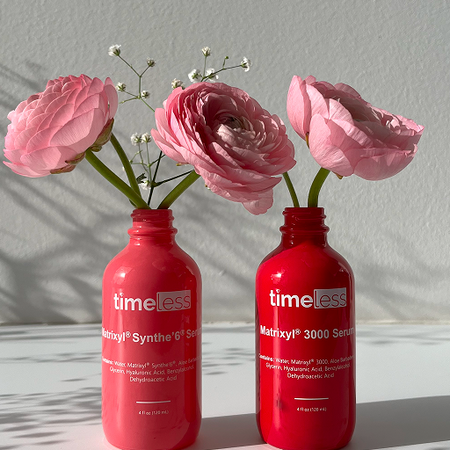
- Peptides: Short chains of amino acids may help support the appearance of firmness. In the peptide category, options include Matrixyl® 3000 Serum.
- Coenzyme Q10: CoQ10 provides antioxidant support as the skin's natural CoQ10 levels decline with age. It helps improve the appearance of fine lines and supports firmer-looking skin. In the antioxidant category, Coenzyme Q10 Serum is one option. CoQ10 products are generally used once daily. If you have vitiligo, check with your dermatologist before using a CoQ10 product.
- Vitamin C: Morning use is the most common recommendation, not the only option, and should always be paired with broad-spectrum sunscreen. Vitamin C helps brighten the look of dullness and uneven tone when used in an evening rotation. The vitamin C collection includes options for this category.
Retinoids
Retinol and other vitamin A derivatives are commonly included in evening routines. They can refine the appearance of texture and smooth the look of lines over time. Retinoids are generally used in the evening.
If you are new to retinoids, apply a pea-sized amount two nights a week. Gradually increase frequency as your skin builds tolerance. Avoid using strong chemical exfoliants on the same evening as your retinoid to minimize the potential for visible irritation.
| Serum Type | Primary Cosmetic Role | Recommended Application Order |
|---|---|---|
| Water-Based Humectant | Helps support hydration in the upper layers of the epidermis | First serum layer, applied to damp skin |
| Peptide Complex | May help support the appearance of firmness | Second serum layer, applied after light humectants |
| Lipid-Soluble Antioxidant | Supports firmer-looking skin; helps defend against oxidative stress caused by environmental factors such as UV exposure and pollution | Applied after watery serums or blended into night cream |
| Retinoid Treatment | Refines surface texture and smooths the appearance of lines | Applied to dry skin before or after light moisturizer |
Step 4: Eye Creams and Targeted Areas
The skin surrounding the eyes is naturally thinner and contains fewer oil glands than the rest of the face. Dark Circle Peptide Complex Eye Cream is available in the eye care category.
Apply a small amount of eye cream using your ring finger, which naturally applies the lightest pressure. Tap gently along the orbital bone, starting from the inner corner outward toward the temple. Avoid placing products directly along the lash line to keep formulas from migrating into the eyes.
Step 5: Moisturizers, Night Creams, and Face Oils
The final phase of your evening routine focuses on finishing with a moisturizer or facial oil. A night cream or lotion helps reduce transepidermal water loss (TEWL), the water that evaporates from the skin's surface.
Selecting Your Nighttime Moisturizer
Choose a moisturizer texture that aligns with your specific skin type and environment:
- Lightweight Gel-Creams: Provide hydration with minimal weight, making them potentially suitable for oily or breakout-prone skin.
- Medium-Weight Lotions: Offer a balanced mix of humectants and emollients for normal and combination skin.
- Rich Barrier Creams: Feature higher concentrations of plant butters, ceramides, or fatty acids for dry skin and help reduce moisture loss.
Smooth a nickel-sized amount over your face, neck, and chest using gentle upward motions.
Facial Oils
For very dry skin or dry climates, a facial oil can provide an extra layer of comfort. Facial oils act as emollients that soften surface skin and help reduce moisture loss overnight.
Warm two to three drops of oil between your palms and gently press them over your moisturizer as the final step in your routine.
Customizing Your Nighttime Skincare Routine
Not every person requires every single step every night. Tailoring your product lineup to your unique concerns can create a routine that is sustainable and focused. For help organizing your steps, use the skincare quiz.
Routine for Oily and Blemish-Prone Skin
Oily skin can benefit from lightweight textures that provide hydration without feeling heavy:
- Cleanse with a gentle foaming face wash.
- Apply a clarifying toner with salicylic acid two evenings per week.
- Apply a lightweight humectant serum that helps support hydration in the upper layers of the epidermis.
- Finish with an oil-free gel moisturizer.
Routine for Dry and Dehydrated Skin
Dry skin types can benefit from richer textures and multiple hydrating layers:
- Remove makeup with an oil cleanser, then follow with a hydrating cream cleanser.
- Pat a humectant toner onto the skin.
- Apply a hydrating serum to help attract, bind, and retain water in the outer layers of the skin.
- Smooth on a peptide-rich cream.
- Finish with a rich night cream or a few drops of facial oil.
Routine for Combination Skin
Combination skin can benefit from balance across different areas of the face:
- Cleanse with a gentle, non-stripping gel wash.
- Use an exfoliating liquid on the T-zone while applying hydrating liquids to the cheeks.
- Layer an antioxidant or peptide serum across the entire face.
- Apply a medium-weight lotion, adding an extra layer only to drier zones.
Realistic Expectations and Consistency
Cosmetic skincare can produce gradual visible changes through consistent application. The skin naturally sheds and renews its outer layers, so visible changes in tone, texture, and firmness may take patience.
Individual reactions vary across different complexions. Anyone with a known sensitivity or diagnosed skin condition should check with their dermatologist before introducing active ingredients. When adding new products to your routine, introduce one formula at a time over several weeks rather than changing your entire regimen at once. This measured approach allows you to evaluate how your skin responds to each specific formulation.
At Timeless Skin Care, we believe that simple, focused routines can support consistent care. As our brand motto states, "Healthy Skin Is Timeless." By layering your evening products systematically from thinnest to thickest, you provide your skin with consistent care.
Frequently Asked Questions
Why should skincare products be applied from thinnest to thickest consistency?
Layering from thinnest to thickest helps keep lightweight, water-based formulations easy to spread before heavier creams or oils. This order can make the routine easier to apply and may help prevent a heavy product from disrupting the feel of lighter layers. Applying a watery serum on top of a thick cream can make it harder to spread evenly.
Can I use active ingredients every night in my routine?
It depends on the specific ingredient and your individual skin tolerance. Gentle humectants like hyaluronic acid can often be used nightly. Stronger ingredients, such as retinoids and exfoliating acids, should generally be introduced slowly and rotated rather than combined in a single evening. Overloading the skin with multiple strong actives at once can lead to visible irritation and dryness.
How long should I wait between applying nighttime skincare steps?
For most hydrating toners, serums, and lotions, you do not need to wait long between steps. Applying water-based serums to slightly damp skin can assist with spreading. However, if you are applying products with specific pH requirements or formulas like retinoids, allowing the skin to dry for one to two minutes before applying your next layer helps prevent dilution and minimizes potential irritation.
Do I still need sunscreen the next morning if I only apply actives at night?
Yes. Daily use of a broad-spectrum sunscreen rated SPF 30 or higher remains essential every morning. Some nighttime active ingredients, particularly retinoids and exfoliating alpha hydroxy acids, can increase sensitivity to ultraviolet light. Daily sun protection supports your daytime routine.