Introduction
Knowing the correct order to apply skincare products can help you organize your routine. Applying products in the proper sequence places light, water-based formulas before heavier creams.
Building a dependable routine does not require a complex ten-step process. Understanding the general principles of product consistency, base formulation, and active ingredients helps you design a practical morning and evening regimen.
Quick Answer: Apply your skincare products from thinnest to thickest consistency. Start with water-based liquids like cleansers, toners, and light serums, move to richer treatments and moisturizers, and finish your morning routine with a broad-spectrum sunscreen.
More information about Timeless Skin Care is available on the brand's website. This guide focuses on simple, intentional skincare steps and how formulas interact on the surface of the skin.
The Core Principles of Skincare Layering
Applying skincare follows a logical sequence based on consistency and texture. When you understand why certain products go before others, remembering the order becomes second nature.
1. Apply from Thinnest to Thickest
The most fundamental rule of skincare layering is arranging products by viscosity. Watery liquids are generally applied before denser creams. If you apply a dense, buttery cream first, a lightweight liquid applied on top may not spread as easily.
Liquids, toners, and watery serums come first. Emulsions, lotions, and heavier creams follow.
2. Layer Water-Based Before Oil-Based
Water and oil do not mix naturally. Water-based serums are generally applied before oil-based formulas. Oil-based formulas can sit on the surface. A moisturizer helps reduce transepidermal water loss (TEWL), the water that evaporates from the skin's surface.
If you apply a facial oil before a water-soluble serum, the oil may make it harder for the water-based formula to spread evenly. Apply water-soluble treatments first, followed by oil-soluble serums, creams, and facial oils.
3. Account for Formula pH and Active Ingredients
Some formulas are designed for specific pH environments. L-ascorbic acid is used in an acidic formulation. Consider pH when layering formulas with different pH levels.
When using concentrated treatments, apply low-pH serums immediately after cleansing on clean, dry skin before moving to neutral hydrating layers.
4. Sunscreen Always Completes the Morning Routine
Daily sun protection is important. Broad-spectrum sunscreen protects against ultraviolet radiation and should never be diluted by layering heavier creams or oils over it. Sunscreen forms an even protective film across the skin, making it the final skincare step before makeup.


Step-by-Step Morning Skincare Routine Order
A morning routine focuses primarily on hydration and environmental defense. During the day, skin encounters outdoor pollutants, temperature changes, and ultraviolet rays.
Key Takeaway: The morning routine emphasizes lightweight hydration, antioxidant support, and dependable sun protection.
Here is the recommended sequence for your morning application:
- Cleanser: Wash with lukewarm water or a mild, non-stripping cleanser to remove sweat and oils produced overnight.
- Toner or Hydrating Mist: Apply a water-based toner or mist to prep the skin surface.
- Antioxidant Serum: Apply a water-soluble antioxidant, such as a Vitamin C serum, to dry skin.
- Hydrating or Peptide Serum: Layer humectant serums, such as hyaluronic acid or peptide formulas, over your antioxidant step.
- Eye Cream: Gently pat eye cream along the orbital bone using your ring finger.
- Moisturizer: Smooth a lightweight lotion or gel cream over the face and neck to help reduce moisture loss.
- Broad-Spectrum Sunscreen: Finish with a generous layer of broad-spectrum sunscreen with an SPF rating of 30 or higher.
Morning Step Breakdown
Cleansing in the morning creates a clean surface for your leave-on treatments. Those with dry skin may prefer a gentle splash of water, while oily skin types often benefit from a mild foaming or gel cleanser.
Antioxidant serums can fit into a morning routine because they support the skin against daily environmental stressors. An antioxidant helps defend against oxidative stress caused by environmental factors such as UV exposure and pollution. Applying an antioxidant like L-ascorbic acid early in your routine keeps it before later layers.
Humectant serums follow active antioxidants. A humectant helps attract, bind, and retain water in the outer layers of the epidermis. Applying humectants to slightly damp skin helps support hydration in the upper layers of the epidermis.
Your morning moisturizer helps reduce moisture loss and maintain comfort throughout the day. If you use a moisturizing sunscreen, you can occasionally combine the moisturizer and sunscreen steps to keep your routine light.
Step-by-Step Evening Skincare Routine Order
Your nighttime regimen focuses on cleansing away daily buildup, maintaining hydration, and supporting comfort while you rest.
- First Cleanser: Use an oil-based cleanser or micellar water to break down makeup, sunscreen, and excess sebum.
- Second Cleanser: Follow with a gentle water-based cleanser to wash away remaining residue and surface debris.
- Exfoliant (2 to 3 times weekly): Apply chemical exfoliants like glycolic, lactic, or salicylic acid to clean, dry skin.
- Treatment Serums: Apply targeted serums containing peptides, hydrating agents, or nighttime actives.
- Eye Cream: Tap a nourishing eye formula around the eye contour.
- Night Moisturizer: Apply a richer cream to help reduce moisture loss and support comfort.
- Facial Oil (Optional): Pat a few drops of facial oil over your moisturizer to help reduce moisture loss.
Evening Step Breakdown
Double cleansing is an effective technique at night. The first step uses an oil or balm to dissolve long-wearing sunscreen and pigmented makeup. The second water-based cleanser cleans the actual surface of the skin without stripping essential lipids.
Exfoliation should remain a controlled, intermittent step. Using chemical exfoliants two or three times a week helps clear dead surface cells, which helps improve the appearance of uneven texture. Avoid combining multiple exfoliating acids on the same evening to minimize the potential for irritation.
Nighttime is ideal for richer creams. A well-formulated evening moisturizer helps reduce transepidermal water loss (TEWL), the water that evaporates from the skin's surface during sleep.
Key Ingredients and How to Layer Them Correctly
Understanding how common skincare ingredients function allows you to place them accurately in your daily rotation.
| Ingredient Category | Primary Role | Base Type | Routine Placement |
|---|---|---|---|
| L-Ascorbic Acid (Vitamin C) | Helps brighten the look of dullness and uneven tone | Water-based | Morning, directly after cleansing |
| Hyaluronic Acid | Helps support hydration in the upper layers of the epidermis | Water-based | Morning and evening, before creams |
| Peptides | May help support the appearance of firmness | Water-based | Morning and evening, after light actives |
| Coenzyme Q10 (CoQ10) | Provides antioxidant support as the skin's natural CoQ10 levels decline with age | Water or emulsion | Morning or evening, before moisturizer |
| Vitamin B5 | Supports the skin barrier and helps the skin retain moisture | Water-based | Morning and evening, before moisturizer |
| Facial Oils | Helps reduce moisture loss | Oil-based | Evening, as the final step over cream |
Vitamin C (L-Ascorbic Acid)
L-ascorbic acid is a water-soluble antioxidant and the most researched form of topical Vitamin C. It helps brighten the look of dullness and uneven tone while it helps neutralize free radicals generated by UV exposure.
Formulation pH, packaging, and stability also matter. L-ascorbic acid is sensitive to air, light, and heat. Over time, exposure causes gradual oxidation, which reduces potency and may increase the chance of skin irritation.
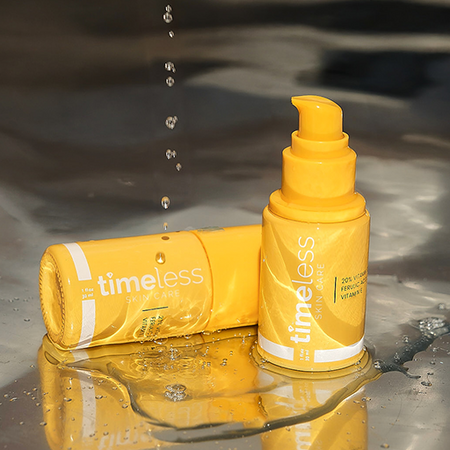
A targeted Vitamin C serum can fit into a morning routine. The 20% Vitamin C + E Ferulic Acid Serum represents an option in this category.
Hyaluronic Acid and Sodium Hyaluronate
Hyaluronic acid is a humectant, not a moisturizer. Sodium hyaluronate is the sodium salt of hyaluronic acid, featuring a molecular structure that readily disperses in water-based solutions.
Topical hyaluronic acid helps attract, bind, and retain water in the outer layers of the skin. It helps improve the appearance of dehydration lines by maintaining surface moisture balance. Hyaluronic acid can be applied to slightly damp skin or layered beneath a lotion.
For standalone hydration, a dedicated product like Hyaluronic Acid 100% Pure is an option in the hydration serum category.
Coenzyme Q10 (Ubiquinone)
Ubiquinone is a lipid-soluble antioxidant found naturally within the skin. CoQ10 provides antioxidant support as the skin's natural CoQ10 levels decline with age. In topical formulations, it helps improve the appearance of fine lines and supports firmer-looking skin.
CoQ10 is generally used once daily in either morning or evening routines. The Coenzyme Q10 Serum is an option within the antioxidant serum category.
If you have vitiligo, check with your dermatologist before using a CoQ10 product.
Peptides
Specialized peptide complexes like Palmitoyl Tripeptide-1, Palmitoyl Tetrapeptide-7, and Palmitoyl Tripeptide-38 may help support the appearance of firmness.
Peptides can be layered over watery humectants and under moisturizers. They can be applied both morning and evening to support smoother, firmer-looking skin over time.
Vitamin B5 (Calcium Pantothenate)
Vitamin B5 supports the skin barrier and helps the skin retain moisture. Vitamin B5 also helps the skin feel more comfortable when environmental stressors or seasonal shifts create temporary dryness.
Because Vitamin B5 is water-soluble, layer it after primary antioxidant treatments and before finishing with your regular moisturizer.
How to Adjust Your Routine by Skin Type
Every skin type benefits from the core order of application, but product selections within those steps should align with specific skin needs.
Dry Skin
Dry skin lacks sufficient natural sebum and struggles with surface dehydration.
- Focus on layering hydrating serums beneath richer, emollient creams.
- Use humectants. They help support hydration in the upper layers of the epidermis.
- Consider finishing evening routines with a few drops of facial oil. A facial oil helps reduce moisture loss.
- Use gentle, non-foaming cream cleansers to preserve natural skin lipids.
Oily and Blemish-Prone Skin
Oily skin produces excess sebum but still requires balanced hydration to maintain a healthy barrier.
- Choose lightweight, water-based serums rather than heavy emulsions.
- Opt for oil-free gel moisturizers that hydrate without feeling heavy.
- Do not skip moisturizer, as dehydrated skin can feel tight and produce surface shine.
- Use chemical exfoliants containing salicylic acid two times per week to clear pore surfaces.
Combination Skin
Combination skin displays both dry and oily zones, often characterized by an oilier T-zone and drier cheeks.
- Use a balanced, gentle foaming cleanser morning and evening.
- Apply lightweight humectants across the entire face.
- Spot-apply richer moisturizers to dry areas while using lighter gel formulas on the T-zone.
- Adjust layering weights based on seasonal humidity and climate changes.
Setting Realistic Expectations for Your Skincare Routine
Consistency is an important part of any skincare regimen. The skin undergoes a natural renewal cycle where outer surface cells shed gradually.
Cosmetic improvements in skin tone, smoothness, and the appearance of fine lines can develop gradually with consistent use.
Individual reactions vary across different formulations. If you have a known sensitivity or diagnosed skin condition, check with your dermatologist before introducing new active formulas into your routine.
Start by introducing one new product at a time. Spacing out new additions makes it easier to observe how your skin tolerates each individual formula.
Frequently Asked Questions
How long should I wait between applying skincare layers?
Most products do not require extended waiting periods between steps. Water-based serums, humectants, and moisturizers can be applied one after another as soon as the previous layer feels settled onto the skin.
The main exception is broad-spectrum sunscreen. Allow your moisturizer to absorb fully for one to two minutes before applying your sunscreen to ensure an even protective film across the skin.
Can I apply multiple serums in the same routine?
You can often layer multiple serums if you follow the thin-to-thick principle. Apply water-soluble formulas with low viscosity first, followed by slightly more viscous gels or emulsions. Learn more about layering multiple serums while keeping the sequence consistent.
To keep routines manageable, using one to two targeted serums per routine is generally sufficient for most skincare goals.
Should facial oils go before or after moisturizer?
Facial oils should be applied after your moisturizer or mixed directly into your cream. A facial oil helps reduce moisture loss.
If you apply an oil before a water-based moisturizer, the water-soluble hydrating ingredients may struggle to spread evenly through the oil layer.
Does broad-spectrum sunscreen always have to go on last?
Broad-spectrum sunscreen must always serve as the final step of your morning skincare routine. Sunscreens rely on forming a uniform, unbroken layer across the surface of the skin to shield against ultraviolet rays.
Applying lotions, serums, or face oils on top of sunscreen can dilute the formula and disrupt that uniform protective barrier. Makeup may be applied gently over sunscreen once the SPF layer has set.