Introduction
Building an effective daily regimen starts with understanding how products interact with your skin. You can select formulas with targeted ingredients, but applying them in the wrong sequence can make layering less effective. Skincare layering follows considerations such as weight, base formulation, and function.
When applied strategically, each step prepares the surface for the next. Water-based formulas are generally lighter, while richer creams help reduce moisture loss. Whether your goal is improving the appearance of uneven tone, supporting firmer-looking skin, or maintaining daily balance, following a consistent skincare routine can help you organize your products.
Founded in 2009 by Veronica Pedersen, Timeless Skin Care focuses on simple formulas with targeted ingredients. All products are made in the USA in small batches. This guide outlines how to structure morning and nighttime routines.
Key Takeaway: The foundational rule of skincare layering is applying formulas from thinnest to thickest texture, finishing with sunscreen in the morning and a moisturizer at night.
The Core Rule of Skincare Layering: Thin to Thick
The easiest way to determine where a product belongs is by evaluating its consistency. Skincare generally moves from the lowest viscosity to the highest viscosity:
- Water-like liquids, such as cleansers, mists, and watery toners.
- Lightweight, aqueous serums.
- Moderately viscous treatments and emulsions.
- Eye creams and lotions.
- Dense moisturizers and facial oils.
Water-based formulas are generally light in consistency. If you apply a rich cream first, it can make it harder for lighter, water-soluble products to spread evenly across the skin.
Applying lightweight layers first allows humectants to distribute evenly across the outer layers. Once those aqueous layers settle, applying a lipid-rich cream helps reduce transepidermal water loss (TEWL), the water that evaporates from the skin's surface.
| Routine Position | Product Texture | Primary Purpose | Examples |
|---|---|---|---|
| First Layer | Liquid / Fluid | Cleansing and surface hydration | Gel cleanser, balancing toner, mist |
| Second Layer | Low-viscosity serum | Concentrated antioxidant or targeted care | Vitamin C, light peptide serums |
| Third Layer | Medium-viscosity serum | Hydration support and barrier conditioning | Hyaluronic acid, hydrating serums |
| Fourth Layer | Emulsion / Cream | Moisture retention and softening | Eye cream, daily facial moisturizer |
| Final AM Layer | Mineral / Chemical lotion | Broad-spectrum UV defense | Broad-spectrum sunscreen (SPF 30+) |
| Final PM Layer | Rich cream / Oil | Surface conditioning and barrier support | Night cream, facial oil |


The Proper Morning Skincare Routine Order
Your morning routine serves two primary purposes: hydration and defense against external stressors. During the day, your skin encounters environmental elements, ultraviolet light, and air pollution. The morning sequence focuses on lightweight hydration, antioxidant support, and sun defense.
Step 1: Gentle Cleanser
A morning cleanse removes sweat, excess sebum, and residual nighttime products without disrupting the skin barrier.
Use lukewarm water rather than hot water, which can strip natural oils. If your skin feels tight or dry in the morning, a quick rinse with water or a mild, non-foaming cleanser is sufficient. Gently pat your face dry with a clean towel, leaving the skin slightly damp for your next step.
Step 2: Hydrating Toner or Mist (Optional)
Toners are not required for every regimen, but hydrating mists and toners can help prepare the skin for treatment products. Unlike older alcohol-based astringents, hydrating toners provide initial water-based hydration.
Spray or pat the liquid directly onto your face. There is no need to wait for it to dry completely before moving to your serums.
Step 3: Antioxidant Serum
Morning use is common for topical antioxidants, although it is not the only option. An antioxidant serum helps defend against oxidative stress caused by environmental factors such as UV exposure and pollution.
Vitamin C is among the most widely researched antioxidants in topical skincare. L-ascorbic acid, a form of vitamin C, helps brighten the look of dullness and uneven tone. An antioxidant serum supports the skin's antioxidant defenses.
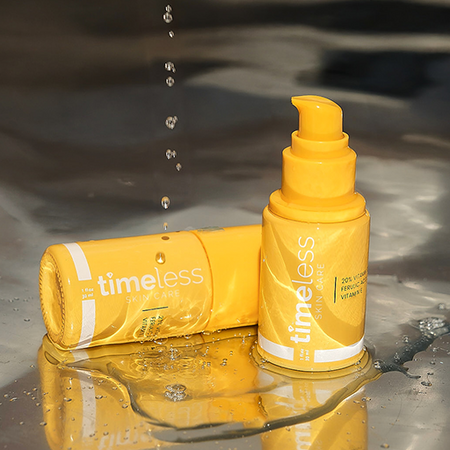
Vitamin C category: 20% Vitamin C + E Ferulic Acid Serum
Pat a few drops of your antioxidant serum across your face, neck, and upper chest. If you use vitamin C in the morning, follow it with broad-spectrum sunscreen.
Step 4: Hydrating and Peptide Serums
After your antioxidant serum, you can apply additional lightweight, water-based serums. This step is suitable for humectants like hyaluronic acid and targeted peptides.
Hyaluronic acid helps attract, bind, and retain water in the outer layers of the skin. It helps improve the appearance of dehydration lines.
If you want to support skin texture, peptides may help support the appearance of firmness. If you are layering multiple serums, apply the thinnest formulation first. For additional guidance, see this article on layering multiple serums.
Step 5: Eye Cream
The skin surrounding the eyes is delicate and possesses fewer sebaceous glands than the rest of the face. An eye cream provides targeted moisture to this sensitive area.
Using your ring finger, gently tap a pea-sized amount along the orbital bone. Applying eye cream before your all-over moisturizer allows the lightweight formula to settle without competing with heavier facial creams.
Step 6: Moisturizer
A daytime moisturizer provides emollient support and helps reduce moisture loss throughout the day.
Choose a texture that aligns with your preferences. Those with oily or combination skin often prefer lightweight gels or fluid lotions. Those with dry skin may lean toward richer creams containing ceramides and fatty acids. Smooth the product evenly across your face and neck using upward motions.
Step 7: Broad-Spectrum Sunscreen
Sunscreen is the final step of a morning skincare routine. A complete morning routine includes daily broad-spectrum sunscreen.
Choose a broad-spectrum sunscreen rated SPF 30 or higher. Apply an adequate amount to cover your entire face, ears, neck, and the back of your hands. Sunscreen should be the final skincare product applied, as layering creams over sunscreen can dilute the protective film it forms on the skin. Allow your sunscreen to set for a few minutes before applying makeup.
Morning Routine Order
- Cleanser.
- Hydrating toner or mist, optional.
- Antioxidant serum.
- Hydrating or peptide serums.
- Eye cream.
- Moisturizer.
- Broad-spectrum sunscreen.
The Proper Evening Skincare Routine Order
Your nighttime regimen focuses on cleansing away daily accumulation and delivering focused cosmetic support. Nighttime routines can include richer textures and targeted cosmetic ingredients.
Step 1: First Cleanse (Makeup and Sunscreen Removal)
Throughout the day, sunscreen, makeup, and airborne pollutants accumulate on your face. A first cleanse using a cleansing oil, balm, or micellar water breaks down these oil-based impurities without aggressive scrubbing.
Massage your oil or balm cleanser over dry skin for thirty to sixty seconds. Rinse thoroughly with lukewarm water.
Step 2: Second Cleanse (Water-Based Cleanser)
Follow your initial cleanse with a gentle water-based face wash. This second step removes residual impurities, sweat, and surface debris, leaving the surface clean.
A double cleanse can leave the skin ready for evening treatments. Rinse thoroughly and gently pat your face with a clean towel.
Step 3: Exfoliant (1 to 3 Times Weekly)
Exfoliation removes built-up dead skin cells from the surface, promoting a smoother texture and helping serums distribute evenly.
Chemical exfoliants such as alpha hydroxy acids, including glycolic or lactic acid, and beta hydroxy acids, including salicylic acid, are generally preferred over abrasive physical scrubs. Limit exfoliation to one to three nights per week to avoid stressing the skin barrier. On nights you exfoliate, skip other potent actives to maintain skin comfort.
Step 4: Treatment Serums and Actives
Nighttime can be useful for specialized cosmetic treatments. Depending on your goals, this step may feature peptides, barrier-support ingredients, or retinoids.
Vitamin B5 supports the skin barrier and helps the skin retain moisture. It helps the skin feel more comfortable.
If you use CoQ10, it provides antioxidant support as the skin's natural CoQ10 levels decline with age. It helps improve the appearance of fine lines and supports firmer-looking skin. If you have vitiligo, check with your dermatologist before using a CoQ10 product.
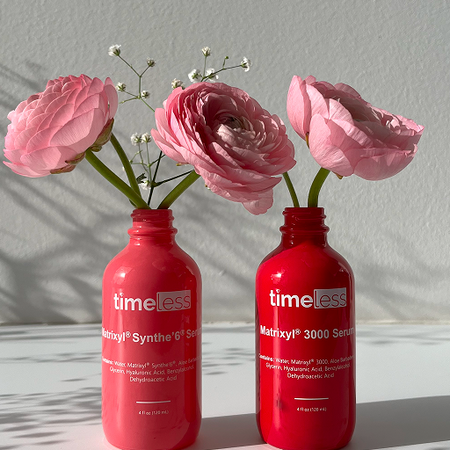
Peptides category: Matrixyl® 3000 Serum
If you use topical retinoids, such as retinol or retinal, apply a pea-sized amount during this treatment step. Allow your treatment serums a minute or two to absorb before continuing.
Step 5: Hydrating Serum
If your skin requires additional moisture support, a humectant serum can be used over your targeted treatments.
Hydration category: Hyaluronic Acid 100% Pure
Hyaluronic acid helps support hydration in the upper layers of the epidermis.
Step 6: Eye Cream
Reapply your eye cream at night to keep the orbital area moisturized. Gently tap the cream around the eye area, avoiding direct contact with the eyes.
Step 7: Night Moisturizer or Facial Oil
The final nighttime step involves a moisturizer or facial oil. Night creams often contain richer emollients and occlusives than daytime lotions.
This final layer helps reduce transepidermal water loss (TEWL). For extra conditioning, you can layer a few drops of a facial oil over your night cream.
Evening Routine Order
- First cleanse, using an oil or balm.
- Second cleanse, using a water-based cleanser.
- Exfoliant, one to three times weekly.
- Treatment serums or retinoids.
- Hydrating serum.
- Eye cream.
- Night moisturizer or facial oil.
Layering Targeted Actives and Serums Correctly
Many people use multiple active ingredients to address different cosmetic concerns. Layering them correctly can help organize a routine and reduce the likelihood of surface irritation.
How to use: When combining multiple water-based serums, apply the thinnest consistency first, let it absorb briefly, and follow with your slightly thicker treatments before moisturizing.
Managing pH-Dependent Ingredients
Certain ingredients perform best within specific pH ranges:
- L-Ascorbic Acid (Vitamin C): It is an acidic formulation and is sensitive to air, light and heat. Apply L-ascorbic acid immediately after cleansing on dry skin.
- Direct Exfoliating Acids (AHA/BHA): These are also formulated at lower pH levels. Apply them close to the cleansing step.
- Peptides and Neutral Serums: These are formulated at neutral pH levels, around 5.0 to 7.0. Apply them after low-pH serums have had a moment to settle.
Timing Your Actives: Morning vs. Evening
Distributing active ingredients between your morning and evening routines can help avoid product overload.
- Morning Actives: Focus on antioxidants like vitamin C, vitamin E, and ferulic acid, followed by hydration serums and sunscreen.
- Evening Actives: Focus on retinoids, exfoliating acids, and nourishing peptides. Alternating active nights, such as using exfoliating acids on Monday and Thursday and retinoids on other evenings, can help maintain comfort.
If you have known sensitivity or a diagnosed skin condition, check with your dermatologist when introducing active treatments.
Setting Realistic Expectations for Cosmetic Results
Cosmetic changes vary by person and can take time. Surface hydration and comfort may be noticed differently from changes in the appearance of tone, firmness, texture, or fine lines. Consistency and correct layering can make a routine easier to follow, while daily broad-spectrum sunscreen supports the routine.
Frequently Asked Questions
What is the single most important rule for skincare routine order?
The general rule is to apply your products from the thinnest texture to the thickest texture. Water-based liquids and serums go on first, followed by lotions, creams, and oils. In the morning, broad-spectrum sunscreen is always the final step.
Can I layer multiple serums in the same routine?
Yes, you can layer two or three serums in a single routine. Apply the serum with the most watery consistency first, allow it a moment to absorb, and follow with the slightly thicker serum. Alternatively, you can use one serum in your morning routine and another in your evening routine.
Do I need to wait between applying each skincare step?
Most hydrating serums, eye creams, and moisturizers can be applied in immediate succession. However, when using low-pH formulas such as L-ascorbic acid or chemical exfoliants, waiting thirty to sixty seconds allows the product to absorb before you apply neutral-pH creams.
Is an eye cream required before or after facial moisturizer?
Eye creams are typically lighter than all-over face creams, so they should generally be applied before your moisturizer. This ensures the delicate area receives hydration without having to penetrate through heavier facial creams.