Introduction
Nothing disrupts a morning beauty routine faster than foundation that pills, clings to dry patches, or slides away by midday. When makeup looks uneven or separates across your cheeks and forehead, the foundation itself is rarely the issue. The culprit is often what you applied underneath it.
Learning the proper skincare order before makeup can help your base products glide on evenly and wear comfortably throughout the day. Skin prep is not about piling on every topical you own. It is about applying the right textures in a purposeful sequence, giving each layer time to settle, and building a balanced surface that allows cosmetics to adhere without slipping. For additional routine guidance, explore our skincare quiz.
Whether you keep your daily cosmetic routine simple with a tinted balm or prefer full-coverage foundation, understanding how skincare interacts with makeup can improve your routine. Here is your step-by-step guide to morning skin prep, from the first cleanse to the final swipe of sunscreen.
Step-by-Step Skincare Order Before Makeup
The general rule of thumb for skincare layering is straightforward: apply products from thinnest consistency to thickest consistency, always finishing daytime routines with broad-spectrum sun protection. Following this structure allows lighter, water-based solutions to reach the surface layers of the skin before heavier creams create a barrier over them. Learn more about skincare layering.
Quick Answer: Cleanse first with a gentle wash, apply lightweight targeted serums to damp skin, follow with an appropriate moisturizer, and finish with a dedicated broad-spectrum sunscreen before introducing any primer or makeup.
Here is a step-by-step sequence to prepare your skin for cosmetics:
- Gentle Cleanser: Wash away overnight oils and residue to create a fresh surface.
- Hydrating Mist or Essence (Optional): Lightly dampen the skin before applying serums.
- Targeted Treatment Serums: Apply thin, water-based antioxidant or peptide solutions.
- Hydrating Serum: Layer a dedicated humectant to bind water to the outer layers of the skin.
- Lightweight Moisturizer: Smooth on an emulsion to reduce surface moisture loss.
- Broad-Spectrum Sunscreen: Protect against daily UV exposure and let it set completely.
- Makeup Primer (Optional): Smooth specific zones before foundation application.
Taking a few moments between these steps ensures that products settle into the surface rather than pooling on top of one another.
1. Start with a Gentle Cleanse
A smooth base starts with a clean surface. Overnight, your skin accumulates natural sebum, shed skin cells, and residue from your evening creams or oils. If you skip cleansing, your morning serums and makeup will sit on top of that film, increasing the likelihood of pilling.
Use lukewarm water and a gentle, non-stripping cleanser. Avoid harsh foaming agents that leave your face feeling tight, as depleted surface moisture can cause your foundation to grab onto dry flakes. If your skin leans very dry in the morning, a splash of water or a quick sweep with micellar water on a cotton pad can provide enough cleansing power without drying you out.
2. Hydrate with Lightweight Serums
Once your face is freshly washed, apply your treatment products while the skin is still slightly damp. Lightweight, water-based formulas should go on first.
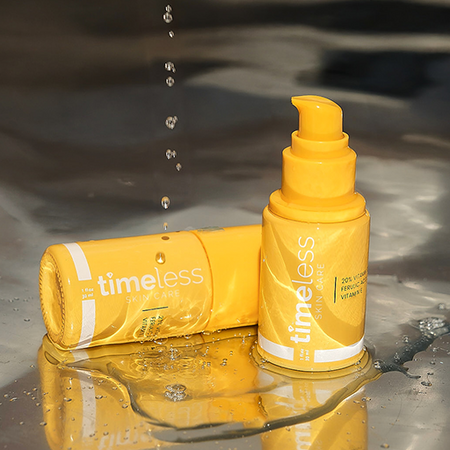
- Antioxidants: Morning is a common time to use antioxidant formulas. A product with ascorbic acid helps brighten the look of dullness and uneven tone. It also helps defend against oxidative stress caused by environmental factors such as UV exposure and pollution. If you use an ascorbic acid product in the morning, pair it with broad-spectrum sunscreen. The 20% Vitamin C + E Ferulic Acid Serum is a vitamin C serum.
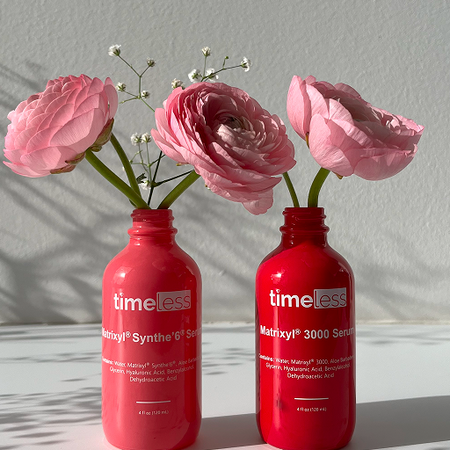
- Firming Peptides: Peptide formulas may help support the appearance of firmness. The Matrixyl® 3000 Serum is a peptide serum.
- Humectants: A dedicated hyaluronic acid product helps attract, bind, and retain water in the outer layers of the skin. Hyaluronic acid is a humectant, not a moisturizer. It helps support hydration in the upper layers of the epidermis and helps improve the appearance of dehydration lines.
Apply serums in thin layers. Using too much product at this stage can contribute to cosmetic balling or sliding later on.
3. Moisturize to Support the Skin Barrier
Even if you have an oily complexion, applying a moisturizer before makeup can be an essential step. A well-formulated face cream helps reduce transepidermal water loss (TEWL), the water that evaporates from the skin's surface, while creating a supple canvas for pigment.
The key before makeup is texture. Heavy, occlusive night creams packed with rich plant butters or petroleum jelly can break down the emulsifiers in foundation, leading to separation. Instead, choose a lightweight lotion or water-gel formula that absorbs quickly. Focus application on areas prone to dryness, and use a lighter touch through the T-zone if you produce excess oil.
4. Apply Broad-Spectrum Sunscreen
Daily broad-spectrum sunscreen with an SPF rating of 30 or higher is important every morning, regardless of the weather or your indoor plans. While some foundations and tinted moisturizers contain sunscreen filters, the amount of makeup you apply is rarely enough to provide the full labeled UV protection.
Apply your dedicated sunscreen as the final step of your skincare routine, after your moisturizer has absorbed. Smooth an even layer over your entire face, neck, and ears.
Note: Allow your sunscreen to dry down completely for three to five minutes before touching your face or applying cosmetics. This resting period lets the protective film set so that makeup brushes or sponges are less likely to lift the UV filters from your skin.
5. Primer: When and How to Use It
Primer bridges the gap between your skincare routine and cosmetic application, but it is not mandatory for everyone. If your skincare is well balanced and your foundation sits comfortably throughout the day, you may skip primer altogether. For more guidance, read about using a face serum as a makeup primer.
However, primer is useful for targeted concerns:
- Pore Blurring: Silicone-based formulas can help smooth uneven texture across the cheeks and nose.
- Oil Control: Mattifying formulas help absorb excess shine on the forehead, nose, and chin.
- Makeup Grip: Water-based gel primers provide a slight tackiness that helps foundation adhere during long days.
Apply primer only where you need it rather than coating the entire face. A pea-sized amount distributed through the center of the face is generally sufficient.


Skincare vs. Makeup Ingredients: Preventing Pilling and Separation
Have you ever blended your foundation only to feel tiny little balls of product rolling off your cheeks? This frustrating reaction, known as pilling, happens when cosmetic layers cannot bond with the skincare beneath them.
Understanding how cosmetic ingredients interact with skincare formulas can help prevent this issue.
| Base Type | Primary Characteristic | Skincare Compatibility | Best Makeup Pairing |
|---|---|---|---|
| Water-Based | Lightweight, fluid, fast-absorbing | Works well with humectants and light lotions | Water-based or serum foundations |
| Silicone-Based | Velvety slip, smoothing feel | Works well over fully absorbed light emulsions | Silicone-based foundations and primers |
| Oil-Based | Rich, emollient, dewy finish | Requires minimal underlying humectant layers | Cream foundations and rich concealers |
A common cause of pilling is layering a heavy silicone-based foundation directly over a thick, unabsorbed oil-based moisturizer. Because water, oil, and silicone do not naturally mix, the top layer may not adhere and can roll off the surface.
To avoid pilling:
- Keep every morning skincare layer as thin as possible.
- Avoid using heavy facial oils directly beneath water-based or silicone foundations.
- Check your ingredient lists. If dimethicone, cyclopentasiloxane, or other silicones appear in the top five ingredients of your foundation, ensure your underlying skincare is fully dry before application.
- Gently press products into the skin rather than aggressively rubbing them across the surface.
Tailoring Skin Prep to Your Skin Type
Because no two complexions behave identically, your morning prep routine should match your skin's daily oil and hydration balance. You can also use DIY Build Your Kit to organize a routine around your preferences.
Prep for Dry and Dehydrated Skin
Dry skin lacks natural lipids, while dehydrated skin lacks water in the upper layers. Both issues can cause foundation to latch onto rough areas and settle into fine lines.
- Focus: Layer water-binding humectants followed by a nourishing lotion that helps reduce moisture loss.
- Texture Choice: Opt for creamy cleansers and rich gel creams. The Dark Circle Peptide Complex Eye Cream is an eye cream.
- Technique: Apply a humectant serum to damp skin. It helps attract, bind, and retain water in the outer layers of the skin.
Prep for Oily and Combination Skin
Oily skin produces excess sebum, which can break down pigment and cause foundation to pool in pores or slide down the nose.
- Focus: Lightweight hydration that provides water without adding heavy surface oils.
- Texture Choice: Gel moisturizers and fluid sunscreens that dry down to a natural matte or satin finish.
- Technique: You may find that a hydrating serum and a fluid sunscreen provide sufficient moisture, allowing you to skip a traditional mid-weight cream in humid weather.
Prep for Sensitive Skin
Complexions prone to irritation need minimal friction and simple formulas before cosmetic application.
- Focus: Barrier support and minimal product layering.
- Texture Choice: Fragrance-free formulas with simple ingredient decks.
- Technique: Keep the number of steps low. Individual reactions vary, so anyone with a known sensitivity or diagnosed skin condition should check with their dermatologist before adding new concentrated actives to their morning routine.
Key Takeaway: Listen to your skin each morning. If your T-zone feels oily, reduce your moisturizer in that zone. If your cheeks feel tight, add an extra drop of humectant serum before sunscreen.
The Importance of Absorption Time
The single most impactful adjustment you can make to your morning routine costs nothing: patience.
When you apply cleanser, serum, moisturizer, sunscreen, and foundation in rapid succession without pauses, they combine on the surface into a single soupy film. The foundation never gets a chance to anchor to the skin, which can reduce wear time and lead to early creasing.
Give lightweight serums thirty to sixty seconds to sink in before applying moisturizer. After smoothing on your moisturizer, give it another minute to settle. Most importantly, allow your broad-spectrum sunscreen to dry down completely for three to five minutes before applying primer or foundation.
You do not need to sit idle while waiting. Use these pauses to brush your teeth, style your hair, or pick out your outfit. Giving each layer time to dry down creates a stable surface that may help your makeup look fresh longer.
Setting Realistic Expectations for Skin Prep
It is important to remember that skin is a living organ with natural pores, peach fuzz, and subtle texture. While a consistent skincare routine and proper pre-makeup application can improve how smoothly your foundation glides on, it will not transform your face into a frictionless, poreless filter.
Cosmetic results vary from person to person. A thoughtful routine helps defend against oxidative stress caused by environmental factors such as UV exposure and pollution and can help improve the appearance of fine lines with consistent use. On a daily level, proper skincare order gives your makeup a more even base. Pair your daily routine with consistent sun protection, drink adequate water, and focus on balanced, healthy skin rather than artificial perfection.
Frequently Asked Questions
How long should I wait between skincare and makeup?
Allow three to five minutes after applying your broad-spectrum sunscreen before introducing foundation or primer. This allows the sunscreen and underlying skincare layers to settle, which may help keep makeup brushes and sponges from displacing the sunscreen or causing formulas to pill.
Do I need to moisturize before makeup if I have oily skin?
Yes. Skipping moisturizer can cause the surface of your skin to become dehydrated, which may trigger excess oil production throughout the day and cause foundation to break apart. Choose a lightweight, oil-free gel or fluid lotion that absorbs rapidly without leaving a greasy residue.
Is primer necessary if I do a full skincare routine?
Primer is an optional step. If your skincare layers are lightweight and absorb well, a good broad-spectrum sunscreen may also provide a suitable base for makeup. You can reserve primer for targeted concerns, such as using a mattifying formula strictly on an oily T-zone or a pore-blurring formula across the nose and cheeks.
Should I apply sunscreen before or after makeup primer?
Always apply broad-spectrum sunscreen before makeup primer. Sunscreen belongs as the very last step of your skincare routine so it can create a continuous protective layer over the skin. Primer counts as the first step of your cosmetic routine and should sit directly on top of the dried sunscreen.