Introduction
Nighttime offers your skin a natural period of rest. While you sleep, the surface of your skin does not have to contend with direct UV rays, airborne dirt, or shifting outdoor temperatures. This downtime makes your evening skincare routine order useful for maintaining a fresh, balanced complexion.
Applying products in a considered sequence can help formulas layer comfortably. When you understand how different weights and textures interact, building an effective night routine becomes straightforward.
Whether your goal involves targeting dullness, supporting hydration in the upper layers of the epidermis, or refining the overall feel of your skin, the order in which you apply your products can make a noticeable difference.
The Core Principles of Product Layering
Knowing the underlying rules of skincare layering helps you adjust your regimen whenever you introduce a new product.
Skincare products generally follow a simple physical rule: apply formulas from thinnest to thickest consistency. Water-based formulas generally go on clean skin first. Heavier creams, balms, and facial oils usually go on last.
1. Viscosity Matters
Water-based serums have light, fluid textures and can layer easily on the skin's surface. If you apply a heavy, oil-rich cream first, that thick layer can make lighter water-based serums harder to layer comfortably.
2. Water Before Oil
Water and oil naturally repel each other. Applying an oil or an occlusive balm before a water-based humectant can cause the water-based product to sit on the surface, pill, or evaporate. Place aqueous solutions first.
3. pH Sensitivity and Resting Times
Certain active ingredients perform best within specific pH ranges. If you use an exfoliating acid or a low-pH treatment, allowing it a minute to settle before applying neutral serums can help the layers settle properly.
Key Takeaway: Apply your evening skincare from the lightest liquid consistency to the richest cream or oil.
| Product Category | Base Type | Typical Placement in Routine |
|---|---|---|
| Cleansing Oil / Balm | Oil | Step 1 (First Cleanse) |
| Water-Based Cleanser | Water | Step 1 (Second Cleanse) |
| Hydrating Toner / Mist | Water | Step 2 |
| Water-Based Serum | Water | Step 3 |
| Emulsion / Eye Cream | Water & Oil Emulsion | Step 4 |
| Night Moisturizer | Emulsion / Occlusive | Step 5 |
| Facial Oil | Lipid / Oil | Step 6 (Optional) |


The Step-by-Step Evening Skincare Routine Order
Building an effective nighttime regimen does not require a dozen steps. A consistent, properly ordered routine can support a comfortable cosmetic experience.
Step 1: The Double Cleanse
Cleansing is the foundation of any evening routine. Throughout the day, sunscreen, makeup, sebum, and airborne debris collect on the skin. A single gentle wash may not always break down stubborn, water-resistant sunscreen formulas.
- First Cleanse (Oil-Based): Apply an oil cleanser or cleansing balm to dry skin. Gently massage it across your face to dissolve makeup and oil-soluble residues. Rinse thoroughly with lukewarm water.
- Second Cleanse (Water-Based): Follow with a gentle, pH-balanced foaming, gel, or cream cleanser on damp skin. This step lifts away remaining water-based debris and sweat without stripping natural surface oils.
If you did not wear makeup or water-resistant sunscreen, a single wash with a gentle water-based cleanser is often sufficient.
Step 2: Hydrating Toner or Essence
After cleansing, your skin is ready for hydration. A hydrating toner or watery essence can add surface moisture immediately after washing.
Pat the liquid directly onto your face with your palms rather than dragging a cotton pad across the skin. A subsequent hyaluronic acid serum helps attract, bind, and retain water in the outer layers of the skin.
Step 3: Targeted Water-Based Serums
Serums deliver concentrated ingredients designed to address visible skin concerns. Because they possess thin, fluid consistencies, they belong directly after toning.
You can layer more than one serum if your routine requires it, keeping them in order from thinnest to slightly thicker.
- Humectant Serums: Hyaluronic acid helps attract, bind, and retain water in the outer layers of the skin. Apply it to slightly damp skin. It helps support hydration in the upper layers of the epidermis. It helps improve the appearance of dehydration lines.
- Peptide Serums: Formulas containing peptides may help support the appearance of firmness.
- Barrier Support Serums: Vitamin B5 supports the skin barrier and helps the skin retain moisture. It helps the skin feel more comfortable.
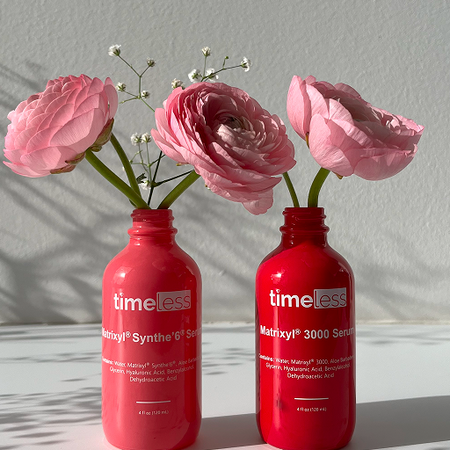
If you are exploring peptide options, the Matrixyl® 3000 Serum is a peptide serum.
Step 4: Eye Cream
An eye cream can provide targeted moisture to the delicate eye area.
Using your ring finger, gently tap a pea-sized amount along the orbital bone. Apply your eye cream before your all-over facial moisturizer as a separate step.
The Dark Circle Peptide Complex Eye Cream is an eye cream.
Step 5: Night Moisturizer
A dependable night cream or facial moisturizer can serve an important function in an evening skincare routine. A moisturizer helps reduce transepidermal water loss (TEWL).
Select a moisturizer suited to your skin type:
- Oily or Blemish-Prone Skin: A lightweight gel-cream or fluid emulsion can provide barrier support without feeling heavy.
- Dry Skin: A richer cream with ceramides, fatty acids, or plant butters can soften rough patches. A moisturizer helps reduce moisture loss.
- Combination Skin: A balanced lotion can hydrate dry areas without overloading the T-zone.
Smooth the moisturizer evenly across your face and neck using upward strokes.
Step 6: Face Oil (Optional)
If your skin feels particularly dry or you live in an arid climate, an optional face oil can serve as your final layer. Oils sit on the skin's surface as a finishing layer.
Warm two or three drops of oil between your palms and gently press them over your cheeks, forehead, and jawline.
Note: If you have oily skin or find that facial oils lead to congested pores, you can easily skip this step.
How to Customize Your Routine by Skin Concern
Not every evening routine looks the same. Depending on your primary skin goals, the specific products you choose for your treatment step will vary.
Routine for Dry and Dehydrated Skin
Dry skin lacks oil, while dehydrated skin lacks water. A routine targeting both issues focuses on layering humectants beneath emollient creams.
- Gentle cleansing balm followed by a creamy, non-foaming cleanser.
- Hydrating toner applied to damp skin.
- Hyaluronic acid. It helps support hydration in the upper layers of the epidermis.
- Rich barrier cream containing ceramides. A moisturizer helps reduce transepidermal water loss (TEWL).
- Two drops of facial oil pressed onto dry zones.
Routine for Uneven Tone and Texture
Addressing uneven tone and dullness requires gentle surface refinement balanced with skin-comforting hydration.
- Double cleanse to ensure a clean surface.
- Balancing toner.
- Exfoliating acid serum, used two to three nights per week, or a brightening treatment.
- Barrier-supportive moisturizer to keep the skin feeling comfortable.
Routine for Visible Signs of Aging
Focusing on fine lines and elasticity involves incorporating supportive antioxidants and peptide complexes.
- Gentle double cleanse.
- Hydrating essence.
- Peptide serum that may help support the appearance of firmness, or an evening antioxidant.
- Rich peptide-infused eye cream.
- Emollient night cream.
If your routine includes CoQ10 for antioxidant care, it provides antioxidant support as the skin's natural CoQ10 levels decline with age. It helps improve the appearance of fine lines. It supports firmer-looking skin. If you have vitiligo, check with your dermatologist before using a CoQ10 product.
For those seeking an antioxidant option, the Coenzyme Q10 Serum is a CoQ10 serum.
Common Evening Skincare Mistakes to Avoid
Even with the best products, common routine errors can make it harder to achieve your desired visible results.
1. Overloading Too Many Actives at Once
Using an exfoliating acid, a strong retinoid, and multiple concentrated serums in the same evening can overwhelm the skin barrier. Individual reactions vary, and anyone with a known sensitivity or diagnosed skin condition should check with their dermatologist before combining strong active treatments. Alternating active products across different nights may be a more manageable strategy.
2. Applying Humectants to Completely Dry Skin
Hyaluronic acid helps attract, bind, and retain water in the outer layers of the skin. If you apply a humectant serum to completely dry skin in an arid environment without following up with a proper moisturizer, water can evaporate rapidly. Apply humectants to damp skin and follow immediately with a cream. A moisturizer helps reduce moisture loss.
3. Skipping Cleanser After Sunscreen
Sunscreen formulas are engineered to adhere to the skin for long-lasting daytime protection. Rinsing with water alone may not fully remove water-resistant SPF, leading to buildup and dull-looking skin. A thorough evening cleanse clears the canvas for your nighttime serums.
4. Going to Bed Immediately After Application
Applying rich creams and rolling straight onto a cotton pillowcase can wipe away your skincare before it settles. Try completing your evening skincare routine before going to sleep to allow formulas time to settle on the surface of the skin.
Realistic Expectations for Your Evening Routine
Skincare requires patience and consistency. While a hydrating serum or rich cream can immediately improve the appearance of dehydration lines and make the skin feel softer by morning, deeper cosmetic improvements take time.
The outer layer of your skin naturally sheds and replaces surface cells over several weeks. Visible changes in skin texture, tone clarity, and the appearance of fine lines unfold gradually over consistent daily application.
A single evening routine may not change your complexion overnight. Notice how your skin responds over time, adjusting your hydration layers or active treatments as seasonal shifts and personal skin needs evolve.
Founded in 2009 by Veronica Pedersen, Timeless Skin Care makes products in the USA in small batches.
Bottom line: Stick to a steady evening routine, layer your formulas from thinnest to thickest, and allow your skin several weeks to reveal visible improvements.
Frequently Asked Questions
What is the correct order for an evening skincare routine?
The standard evening skincare routine order follows a light-to-heavy progression. Begin with a double cleanse to remove makeup and sunscreen. Apply a hydrating toner next, followed by your water-based targeted serums. Dab on your eye cream, apply your facial moisturizer, and finish with an optional face oil if your skin requires extra moisture.
Should I use vitamin C in my evening skincare routine?
Morning use is the most common recommendation for vitamin C because it helps defend against oxidative stress caused by environmental factors such as UV exposure and pollution during the day. Morning use should always be paired with a broad-spectrum sunscreen. Morning use is the most common recommendation, not the only option. Vitamin C helps brighten the look of dullness and uneven tone and can also be used in an evening routine if preferred.
How long should I wait between skincare steps at night?
For most hydrating toners, serums, and moisturizers, you do not need to wait long between applications. You can apply the next product as soon as the previous layer feels absorbed and no longer tacky. If you are applying a low-pH exfoliating treatment, waiting one to two minutes before applying neutral serums allows the formula to settle properly on the skin.
Can I use a peptide serum and hyaluronic acid together at night?
Yes, peptide serums and hyaluronic acid can be layered together in an evening routine. Both are typically formulated as lightweight, water-based serums. Apply your thinnest serum first, or apply hyaluronic acid to damp skin. Hyaluronic acid helps attract, bind, and retain water in the outer layers of the skin. Follow with your peptide serum, which may help support the appearance of firmness. Follow with your regular moisturizer. A moisturizer helps reduce moisture loss.