Introduction
Understanding how to arrange your daily regimen can feel complicated when you are faced with multiple bottles, jars, and droppers. You might wonder whether your serum goes before your moisturizer, or if applying a facial oil first will block everything else from working.
Applying products in a considered sequence can help formulas spread evenly. If you apply a rich cream before a light liquid, the heavier texture may make it harder for lighter formulas to distribute evenly.
At Timeless Skin Care, founded in 2009 by Veronica Pedersen, the focus has always been on clear skin education and straightforward formulations made in the USA in small batches. This guide breaks down the science of application sequence, covers both daytime and nighttime steps, and provides a clear framework for building a personalized daily routine.
Quick Answer: The standard rule of thumb for skincare application is to layer formulas from thinnest to thickest texture, starting with water-based treatments and finishing with heavier creams and daily broad-spectrum sunscreen.
The Fundamental Principles of Product Layering
To understand why sequence matters, it helps to examine how skincare textures interact with the skin surface. Skincare formulas range from watery liquids to dense, occlusive balms.
Texture and Molecular Consistency
A primary guideline for layering is simple: apply your lightest, thinnest liquids first and finish with your thickest, heaviest creams. Water-based formulas have a light consistency that allows them to spread easily across clean skin. If you place a heavy cream or facial oil on bare skin first, its emollient and occlusive components may form a barrier. A water-based serum applied on top may distribute less evenly across the skin surface.
Water-Based Versus Oil-Based Formulations
Products generally fall into two categories: water-soluble and lipid-soluble. As a general rule:
- Water-based liquids and light serums go on clean skin first.
- Anhydrous, or water-free, solutions and light facial oils come next.
- Emulsions, lotions, and creams follow.
- Heavy oils or occlusive balms come last at night, while broad-spectrum sunscreen is always the final step in the morning.
Absorption and Spacing Between Steps
You do not need to wait ten minutes between every step of your routine. For most hydrating toners and serums, waiting thirty to sixty seconds allows the formula to settle so the next layer applies smoothly without pilling.
The main exceptions involve sunscreens and formulas with specific pH requirements. Sunscreen needs time to form an even protective film on the skin surface before you step outdoors or apply makeup.
| Product Type | Texture Classification | Routine Phase | Primary Purpose |
|---|---|---|---|
| Cleanser | Wash-off gel, cream, or oil | Prep | Cleanses surface residue and debris |
| Toner / Essence | Watery liquid | Prep | Balances surface hydration |
| Water-Based Serum | Thin, lightweight liquid | Treat | Delivers concentrated ingredients |
| Eye Cream | Light cream or gel-cream | Treat / Nourish | Conditions delicate peri-orbital area |
| Moisturizer | Lotion or rich cream | Seal | Helps reduce moisture loss |
| Sunscreen | Lotion, cream, or fluid | Protect | Shields skin from UV radiation |


The Correct Morning Skincare Order
Your morning routine focuses on two main goals: supporting the skin throughout the day and providing protection against environmental exposure.
- Cleanser
- Toner or Hydrating Mist
- Targeted Antioxidant Serum
- Hydrating Serum
- Eye Cream
- Moisturizer
- Broad-Spectrum Sunscreen
Step 1: Cleanser
Cleansing in the morning washes away overnight oils, perspiration, and residual evening treatments. A gentle, non-stripping cleanser refreshes the skin without disrupting its natural surface balance. Those with very dry skin may prefer a quick rinse with lukewarm water, while combination and oily skin types usually benefit from a mild foaming or gel cleanser.
Step 2: Toner or Hydrating Mist
A hydrating toner prepares the surface for the treatments that follow. Modern toners are designed to refresh the skin rather than strip it with harsh alcohol.
Step 3: Targeted Antioxidant Serums
Morning is the most common time to apply an antioxidant treatment. An antioxidant helps defend against oxidative stress caused by environmental factors such as UV exposure and pollution.
Vitamin C is a water-soluble antioxidant used in topical skincare. L-ascorbic acid is the most researched form of vitamin C. The formulation is acidic. Performance depends on form, formulation, stability, packaging, and pH. When applied in the morning, vitamin C helps brighten the look of dullness and uneven tone. Morning vitamin C use should be paired with broad-spectrum sunscreen. Explore the vitamin C collection for related product navigation.
Because L-ascorbic acid is sensitive to light, air, and heat, oxidation occurs gradually over time. An oxidized serum may turn dark amber, lose potency, and increase the likelihood of irritation for some people.
Step 4: Hydrating and Peptide Serums
If you use multiple serums in the morning, apply them in order of viscosity. For product information, see the Hyaluronic Acid 100% Pure product page. A hyaluronic acid serum helps support hydration in the upper layers of the epidermis and helps improve the appearance of dehydration lines.
Peptides may also be introduced at this stage. Topical peptides may help support the appearance of firmness. If your peptide serum has a watery base, apply it before heavier lotions.
Step 5: Eye Cream
For product information, see the Dark Circle Peptide Complex Eye Cream. The skin surrounding the eyes is thinner than the rest of the face. An eye cream helps keep this delicate area smooth and conditioned. Applying eye treatments before your facial moisturizer allows the targeted formula to absorb cleanly without competing against heavier creams. Gently tap the cream along the orbital bone using your ring finger.
Step 6: Moisturizer
A daily moisturizer helps reduce transepidermal water loss (TEWL), the water that evaporates from the skin's surface. Oily skin types often prefer lightweight gel-creams containing humectants, while normal to dry skin types benefit from lotions containing ceramides or fatty acids. If your skin is naturally oily, you might find that a hydrating sunscreen provides enough moisture on its own.
Step 7: Broad-Spectrum Sunscreen
Sunscreen should always be the final step of your daytime skincare routine. UV radiation is present year-round and penetrates cloud cover and window glass.
Apply a generous layer of broad-spectrum sunscreen with an SPF rating of 30 or higher to your face, neck, and ears. Allow it to set for a few minutes before applying makeup so the protective film remains unbroken.
Key Takeaway: Do not layer moisturizers or oils over your sunscreen. Placing products on top can dilute the formulation and compromise the uniform protective shield it creates on the surface.
The Correct Nighttime Skincare Order
While your morning routine emphasizes defense, your evening routine focuses on cleansing away the day and supporting hydration while you rest.
- First Cleanse: Makeup and Sunscreen Removal
- Second Cleanse: Water-Based Wash
- Exfoliant: 1 to 3 times weekly
- Treatment Serums
- Eye Cream
- Night Moisturizer
- Facial Oil: Optional
Step 1 and Step 2: The Double Cleanse
An evening cleanse removes makeup, long-wearing sunscreen, and daily grime. Using a two-step cleansing method can help create a thoroughly clean surface:
- Step 1: Oil-Based Cleanser or Balm: Cleansing oils and balms break down water-resistant sunscreen filters and surface sebum without excessive rubbing.
- Step 2: Water-Based Cleanser: A gentle water-based wash removes any remaining residue and water-based impurities, leaving the skin clean for leave-on treatments.
Step 3: Chemical Exfoliation, Occasional
Exfoliating liquids containing alpha-hydroxy acids, like glycolic or lactic acid, or beta-hydroxy acids, like salicylic acid, help clear away dead surface cells. Exfoliation should be limited to one to three nights per week to avoid stressing the skin barrier. Apply chemical exfoliants to dry skin directly after cleansing, before your other serums.
Step 4: Evening Treatment Serums
Nighttime is ideal for concentrated actives that target visible signs of aging, texture irregularities, or dehydration.
- Coenzyme Q10, or Ubiquinone: CoQ10 is a lipid-soluble antioxidant naturally found in the skin. It provides antioxidant support as the skin's natural CoQ10 levels decline with age. In cosmetic formulations, it helps improve the appearance of fine lines and supports firmer-looking skin. CoQ10 is generally used once daily. If you have vitiligo, check with your dermatologist before using a CoQ10 product. Learn more about the ingredient in Coenzyme Q10: What Is It, How to Use It, and When to Use It.
- Vitamin B5: Vitamin B5 supports the skin barrier and helps the skin retain moisture. Incorporating it into an evening routine helps the skin feel more comfortable. For related educational content, read what vitamin B5 is used for in skincare.
- Retinoids: Retinol and other vitamin A derivatives are often used in the evening because sunlight degrades certain formulations.
Step 5: Eye Cream
Reapply your eye treatment at night to maintain hydration around the orbital area while you sleep. Look for conditioning formulas designed to smooth the appearance of the eye contour.
Step 6: Night Moisturizer
Night creams are frequently richer than daytime lotions. A nighttime moisturizer helps reduce moisture loss while you sleep, keeping the skin hydrated until morning. Look for creams with emollients and barrier-supporting lipids.
Step 7: Facial Oil, Optional
If you have very dry skin or live in an arid climate, a few drops of facial oil as your final step may provide an extra layer of comfort. Pat the oil gently over your moisturizer rather than rubbing it vigorously.
Ingredient Compatibility and Common Layering Questions
Knowing the order of general product steps is helpful, but questions often arise when combining specific active ingredients.
Layering Multiple Serums
When using more than one serum in a single routine, follow the rule of thinnest to thickest consistency. If two serums have identical watery textures, apply the one that addresses your primary skin concern first. For additional guidance, see How to Layer Multiple Serums.
Using two or three active serums per routine may increase the risk of product pilling and skin irritation.
Balancing Active Ingredients
Certain potent actives can overwhelm the skin if used in the same session:
- Direct Acids and Retinoids: Using chemical exfoliants and retinoids at the exact same time can lead to surface dryness and flaking. Alternate them by using an exfoliant one evening and your retinoid the next.
- Vitamin C and Direct Acids: High-strength L-ascorbic acid and exfoliating acids both require an acidic environment. Using them together in one session can be harsh on sensitive skin types. Many people prefer using their vitamin C serum in the morning and their exfoliating acid in the evening.
| Routine Focus | Step 1: Prep | Step 2: Treat | Step 3: Seal & Protect |
|---|---|---|---|
| Morning Brightening | Gentle Cleanser | Vitamin C Serum | Light Moisturizer + Broad-Spectrum SPF 30+ |
| Morning Hydration | Hydrating Toner | Hyaluronic Acid Serum | Nourishing Day Cream + Broad-Spectrum SPF 30+ |
| Evening Renewal | Double Cleanse | Retinoid or Peptide Serum | Rich Barrier Cream |
| Evening Barrier Support | Cream Cleanser | Vitamin B5 or CoQ10 Serum | Ceramide Moisturizer |
Setting Realistic Expectations for Skincare Results
When adjusting your skincare routine order, it is essential to maintain realistic expectations. Skincare products are cosmetic preparations designed to improve the appearance, texture, and hydration of the skin. They do not alter underlying biological structures overnight.
Surface hydration and a temporary dewy appearance can occur after applying a humectant. Improvements in the appearance of fine lines, uneven tone, and skin firmness may require consistent use.
Individual skin responses vary widely based on genetics, environmental factors, age, and existing skin conditions. If you introduce new steps too quickly, you may experience temporary sensitivity. Individual reactions vary, and anyone with a known sensitivity or diagnosed skin condition should check with their dermatologist.
Building Your Routine with Timeless Skin Care
Selecting products can make building a routine straightforward. Timeless Skin Care provides focused serums for common routine steps.
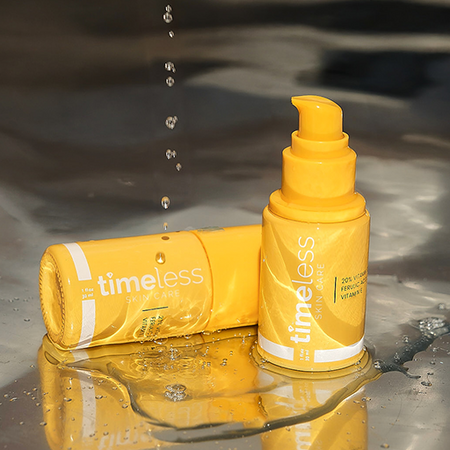
- For your morning antioxidant step, see the 20% Vitamin C + E Ferulic Acid Serum.
- For your hydration step, use a targeted hydrating serum.
- For your eye care step, use an eye cream.
By choosing compatible textures, you may layer products smoothly without heavy buildup.
Bottom line: Stick to the fundamentals. Cleanse thoroughly, layer your treatments from thinnest to thickest texture, moisturize to help reduce moisture loss, and protect your skin daily with broad-spectrum sunscreen.
Frequently Asked Questions
What is the most important step in a morning skincare routine?
The most critical step in any daytime skincare routine is broad-spectrum sunscreen with an SPF of 30 or higher. While cleansers, antioxidants, and moisturizers all support healthy-looking skin, daily sun protection shields the skin from ultraviolet radiation that causes visible premature aging and skin damage. Sunscreen should always be applied as the final step of your morning skincare sequence.
Can I apply my facial oil before my water-based serum?
Generally, apply a water-based serum before facial oil. Oils have occlusive and emollient properties that may form a layer across the skin surface. A water-based liquid applied on top may distribute less evenly. Apply light, water-soluble serums first and save facial oils for the end of your routine.
How long should I wait between applying skincare steps?
For most standard products, a wait of thirty to sixty seconds between steps is often enough. This short pause allows each liquid or serum to settle so the next layer does not pill or slide around. The main exception is your morning sunscreen, which should be allowed to set for three to five minutes before applying makeup to help maintain an even protective barrier across your skin.
Do I need a different skincare routine for morning and night?
Yes, daytime and nighttime routines serve different functions. Morning routines focus primarily on environmental defense and sun protection through antioxidants, light hydration, and daily broad-spectrum sunscreen. Nighttime routines focus on thorough cleansing to remove daily debris, followed by targeted treatments like exfoliating acids, retinoids, or rich moisturizers that help reduce moisture loss while you rest. For help organizing products into a routine, use the skincare quiz.