Introduction
Layering skincare products in the proper sequence can help organize your routine and support even application. Applying lighter products before heavier ones gives each layer room to spread across the skin's surface.
Skincare routines do not need to be complicated to be effective. A basic routine can include cleansing, moisturizing, and protecting with daily sunscreen. Adding targeted treatments like antioxidants or hydrating serums can address specific visual concerns such as dullness, uneven texture, or dehydration lines.
Key Takeaway: The foundational rule for applying leave-on skincare is simple: apply products from thinnest to thickest consistency, finishing with sun protection during the day.
The Core Rule: Thinnest to Thickest Texture
The primary guideline for layering skincare is formula density. Water-based liquids and lightweight serums are generally applied before heavier creams, lotions, and facial oils.
Following the thinnest-to-thickest principle keeps your routine organized and can make each product easier to apply evenly.
For help organizing your products, explore our skincare quiz.
Texture Hierarchy Overview
- Liquid treatments, such as watery toners or balancing mists
- Water-based serums, including lightweight hydrators and targeted antioxidant fluids
- Emulsions and lightweight lotions, including fluid moisturizers and light eye creams
- Rich creams, including lipid-dense night creams and barrier moisturizers
- Facial oils, applied over or mixed into creams
- Broad-spectrum sunscreen, the final daytime step
Water-Based Versus Oil-Based Formulas
Water-based formulas are generally applied before anhydrous or oil-based solutions. This order helps you layer lighter products before heavier ones.
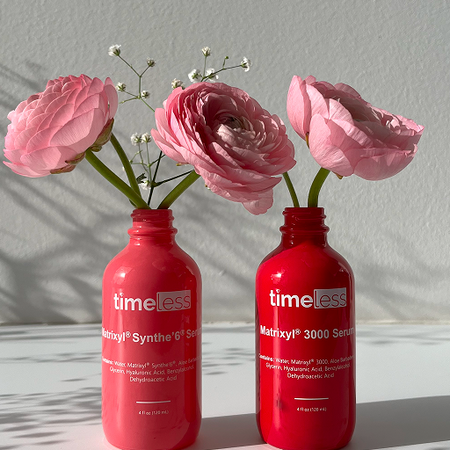
Timeless Skin Care was founded in 2009 by Veronica Pedersen with a commitment to straightforward formulations made in the USA in small batches. Understanding these categories can help you organize each step in your daily routine.


The Correct Morning Skincare Order
Morning skincare routines focus on preparing your face for the day, supporting hydration, and applying daily sunscreen.
Step 1: Gentle Cleanser
Morning cleansing washes away sweat, excess sebum, and residual evening products.
- Oily or combination skin types often prefer a gentle foaming or gel cleanser to remove morning shine.
- Dry or sensitive skin types may prefer a non-foaming lotion cleanser or simply a lukewarm water rinse.
Massage your cleanser over damp skin for roughly thirty seconds, then rinse with lukewarm water and pat dry with a soft towel.
Step 2: Hydrating Toner or Mist (Optional)
A hydrating toner can add lightweight hydration after cleansing. Look for toners formulated without high concentrations of drying alcohol. A quick splash or mist can rehydrate the upper surface after washing.
Step 3: Daytime Serums and Antioxidants
Serums deliver concentrated ingredients to clean skin. Morning use is the most common recommendation for Vitamin C, not the only option. When Vitamin C is used in the morning, pair it with broad-spectrum sunscreen.
Vitamin C helps brighten the look of dullness and uneven tone. An antioxidant serum helps defend against oxidative stress caused by environmental factors such as UV exposure and pollution.
CoQ10 is a lipid-soluble antioxidant naturally found in skin. It provides antioxidant support as the skin's natural CoQ10 levels decline with age. It supports firmer-looking skin.
If you use a CoQ10 serum, keep it away from the delicate eye contour. If you have vitiligo, check with your dermatologist before using a CoQ10 product.
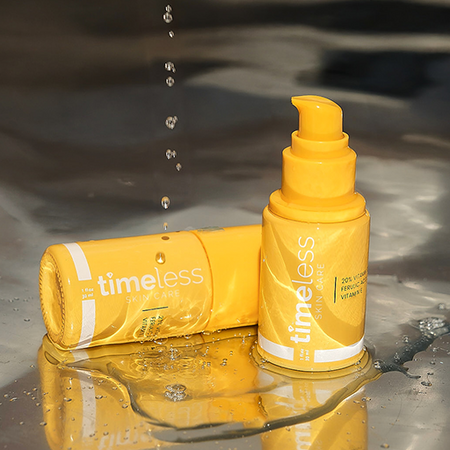
For a Vitamin C product example, see our 20% Vitamin C + E Ferulic Acid Serum, which is listed in the vitamin C serum category.
Step 4: Hydrating Serums
Humectants can be used in both morning and evening routines. Hyaluronic acid is a humectant, not a moisturizer. Hyaluronic acid helps attract, bind, and retain water in the outer layers of the skin. It helps support hydration in the upper layers of the epidermis. It helps improve the appearance of dehydration lines.
Apply hyaluronic acid to slightly damp skin.
Our Hyaluronic Acid 100% Pure is listed in our hydration serum category.
Vitamin B5 supports the skin barrier and helps the skin retain moisture. It helps the skin feel more comfortable. See Vitamin B5 for more information.
Step 5: Eye Cream (Optional)
The skin around the eyes is naturally thinner than the rest of the face. An eye cream helps smooth the look of fine lines and under-eye puffiness.
Apply a pea-sized amount using your ring finger, gently tapping around the orbital bone. For targeted eye care, our Dark Circle Peptide Complex Eye Cream is listed in our eye cream category.
Step 6: Daily Moisturizer
Moisturizer softens the skin and helps reduce transepidermal water loss (TEWL), the water that evaporates from the skin's surface.
- Normal to oily skin types often do best with lightweight gel-creams.
- Dry skin types usually benefit from richer creams containing ceramides or fatty acids.
Step 7: Broad-Spectrum Sunscreen
Sunscreen is the final step of every morning skincare routine. UV exposure contributes to visible skin aging, including the appearance of dark spots and wrinkles.
How to use: Apply a generous amount of broad-spectrum sunscreen with an SPF rating of 30 or higher to your face, neck, and ears. Allow it to set for a few minutes before applying makeup. Reapply every two hours when outdoors.
| Step Number | Morning Step | Primary Purpose | Optional or Essential |
|---|---|---|---|
| Step 1 | Cleanser | Removes overnight sebum and residue | Essential |
| Step 2 | Hydrating Toner | Adds lightweight hydration | Optional |
| Step 3 | Antioxidant Serum | Helps defend against oxidative stress caused by environmental factors such as UV exposure and pollution | Optional |
| Step 4 | Hydrating Serum | Helps attract, bind, and retain water in the outer layers of the skin | Optional |
| Step 5 | Eye Cream | Smooths the look of the eye area | Optional |
| Step 6 | Moisturizer | Helps reduce transepidermal water loss (TEWL) | Essential |
| Step 7 | Sunscreen (SPF 30+) | Broad-spectrum sun protection | Essential |
The Correct Evening Skincare Order
While daytime routines focus on daily defense and surface hydration, your evening regimen focuses on thorough cleansing, targeted treatments, and moisture care.
Step 1: First Cleanse (Makeup and Sunscreen Removal)
Throughout the day, your skin collects sunscreen, sebum, makeup, and airborne pollutants. Some people use a double-cleanse method to remove these layers without excessive rubbing.
Begin with a cleansing oil, balm, or micellar water. Massage the oil or balm over dry skin to address oil-based impurities and stubborn mineral sunscreens. Rinse thoroughly with lukewarm water.
Step 2: Second Cleanse (Water-Based Wash)
Follow your oil cleanser with a water-based face wash. This step removes remaining water-soluble debris, leaving the surface clean and ready for leave-on treatments.
Step 3: Exfoliants (1 to 3 Times Weekly)
Chemical exfoliants, such as alpha hydroxy acids (AHAs) or beta hydroxy acids (BHAs), can help smooth the look of uneven surface texture.
- Salicylic acid (BHA) helps unclog pores and smooth uneven surface texture.
- Glycolic or lactic acid (AHA) helps improve the look of dullness and uneven texture.
Limit exfoliating acids to a few nights per week to avoid over-exfoliation and irritation.
Step 4: Treatment Serums and Peptides
Nighttime is one option for applying targeted ingredients and peptide serums. Peptides may help support the appearance of firmness.
If you use retinol or retinoids, apply them during this step. Retinoids can be drying, so introduce them gradually into your evening lineup.
Step 5: Evening Moisturizer
Night creams are generally richer than daytime lotions. A moisturizer helps reduce moisture loss while you sleep. Smooth your cream over the entire face, neck, and chest area.
Step 6: Facial Oil (Optional)
If your skin feels dry or tight, you can pat a few drops of facial oil on top of your moisturizer as a finishing step. Facial oils add surface lubrication overnight.
How to Layer Active Ingredients Without Overwhelming Skin
Using multiple active ingredients can deliver visible improvements, but layering too many concentrated formulas simultaneously can overwhelm the skin surface.
Managing Ingredient Conflicts
Certain active ingredients are best used at different times of day or on alternating evenings to minimize the chance of irritation.
- Vitamin C and Exfoliating Acids: Using L-ascorbic acid and high-strength AHAs or BHAs in the same routine can cause redness for sensitive individuals. Consider using Vitamin C in the morning and your chemical exfoliant in the evening.
- Retinoids and Direct Acids: Using retinoids and chemical exfoliants in the same evening routine can increase the likelihood of dryness or peeling. Alternate nights between these products.
- Peptides and Acidic Formulas: Consider applying peptide serums either in the morning or on evenings when you are not using strong direct acids.
When Irritation Occurs
Individual skin tolerance varies widely. What works well for one person may cause redness or flaking for someone else.
If you notice signs of skin barrier distress such as persistent redness, stinging when applying gentle moisturizers, or unusual flakiness, simplify your routine immediately. Pause all direct acids and retinoids, returning to a basic routine of a gentle cleanser, a simple hydrating serum, a barrier moisturizer, and daily sunscreen. Anyone with a known sensitivity or diagnosed skin condition should check with their dermatologist before starting new active ingredients.
Realistic Expectations for Skincare Results
Cosmetic changes vary by product and by person. Consistent use makes it easier to evaluate the appearance of hydration, uneven tone, firmness, and fine lines.
Evaluate a new routine after consistent use so you can assess its cosmetic performance.
Bottom line: A consistent routine can be easier to evaluate than constantly switching between different products.
Frequently Asked Questions
How long should I wait between applying skincare steps?
You do not need to wait long between most skincare steps. Once a product has absorbed into the surface and no longer feels wet, you can move directly to the next layer. The main exception is daily sunscreen. Allow your moisturizer to absorb fully before smoothing on sunscreen, and let your sunscreen set before applying foundation or other makeup.
Can I skip toner in my daily routine?
Yes. Toners are optional. A toner may provide an extra layer of lightweight hydration, but you can move straight from cleansing to your serums and moisturizers.
Should I apply serums on wet or dry skin?
Hydrating serums formulated with humectants like hyaluronic acid are often applied to clean, slightly damp skin. Hyaluronic acid helps attract, bind, and retain water in the outer layers of the skin. Direct acids and retinoids are often applied to dry skin.
Is a morning skincare routine different from an evening routine?
Yes. The primary goal of a morning routine is hydration and environmental defense, which always concludes with broad-spectrum sunscreen. An evening routine focuses on removing makeup and dirt, followed by targeted leave-on treatments, peptides, and richer moisturizers to help reduce moisture loss overnight.