Introduction
Building an effective skincare regimen involves more than collecting formulas. The sequence in which you apply products affects how they layer on the skin's surface.
Many people find themselves standing in front of the bathroom mirror with several bottles, wondering what comes first. Should serum go before or after toner? Where do facial oils belong? Does eye cream go on before moisturizer? The skincare quiz can help organize your routine.
When you apply formulas out of sequence, you may experience less comfortable layering or unwanted surface buildup. Understanding the logic behind product layering removes some of the guesswork from your morning and evening habits. This guide walks you through the fundamentals of skincare layering, provides clear daytime and nighttime sequences, and explains how to organize active ingredients for daily comfort and radiant-looking skin.
Quick Answer: The standard rule of skincare layering is to apply products from thinnest to thickest consistency. Start with water-based liquids like cleansers and toners, move to lightweight serums, follow with thicker creams and lotions, and finish with broad-spectrum sunscreen in the morning or facial oils at night.
The Core Principles of Product Layering
Skincare layering follows a few basic principles. Understanding them helps you determine where a new product fits into your routine without checking a chart every time. The ingredient glossary provides additional ingredient information.
The Thinnest-to-Thickest Rule
A common rule of skincare application is to organize formulas by texture. Water-based liquids are generally lighter, while creams and balms are generally richer.
If you apply a thick moisturizer first, a watery serum applied afterward may contribute to pilling or make layering less comfortable. Starting with thinner textures and progressing toward thicker ones creates a more orderly routine.
Water-Based Before Oil-Based Formulas
Apply water-based serums before facial oils. After those steps, follow with emulsion-based lotions or creams, then use facial oils as a final conditioning step when appropriate.
Formulation pH and Active Ingredients
Some active ingredients are used in formulations with a particular pH. L-ascorbic acid is used in an acidic formulation.
When using direct acids or L-ascorbic acid, apply them to clean, dry skin immediately after washing or after an acidic toner. Allow the formulas to settle before applying neutral-pH hydrators.
| Product Type | Base Type | Primary Function | Placement in Order |
|---|---|---|---|
| Water Cleanser | Water | Cleanses surface residue and debris | First step (AM and PM) |
| Cleansing Oil / Balm | Oil | Dissolves makeup and water-resistant SPF | Initial step in evening double cleanse |
| Hydrating Toner | Water | Helps support hydration in the upper layers of the epidermis | Immediately after cleansing |
| Water-Based Serum | Water | Delivers concentrated cosmetic actives | Before creams and oils |
| Eye Cream | Water / Emulsion | Conditions delicate skin around the orbital area | Before or alongside face moisturizer |
| Facial Moisturizer | Emulsion | Helps reduce moisture loss | After serums, before daily SPF |
| Facial Oil | Oil | Softens dry areas and conditions the skin surface | Final step at night or mixed with cream |
| Sunscreen | Mineral / Chemical | Helps protect skin from UV exposure | Final step in daytime routine |


The Correct Morning Skincare Routine Order
Your morning routine focuses on preparing your face for the day ahead. Daytime steps may include lightweight hydration, antioxidant support, and sunscreen.
- Gentle cleanser.
- Hydrating toner or mist.
- Daytime target serums, such as antioxidants or hydrators.
- Eye cream.
- Lightweight moisturizer.
- Broad-spectrum sunscreen.
Step 1: Gentle Cleanser
Morning cleansing removes overnight sebum, sweat, and residue from evening treatments. A mild, sulfate-free foaming or gel cleanser is a common choice. If your skin feels exceptionally dry or tight upon waking, a lukewarm water rinse can serve as an alternative starting point. Avoid harsh surfactants or hot water, which can leave the skin feeling rough.
Step 2: Hydrating Toner or Facial Mist
Toners are no longer limited to the harsh, alcohol-laden astringents of past decades. Modern toners can provide surface hydration. When a toner contains hyaluronic acid, the ingredient helps attract, bind, and retain water in the outer layers of the skin.
Step 3: Targeted Daytime Serums
Serums are lightweight fluids formulated with targeted active ingredients. Morning is a common time to apply antioxidant products.
Vitamin C helps brighten the look of dullness and uneven tone. It also helps defend against oxidative stress caused by environmental factors such as UV exposure and pollution. An antioxidant serum can support the skin's antioxidant defenses alongside daily sun care.
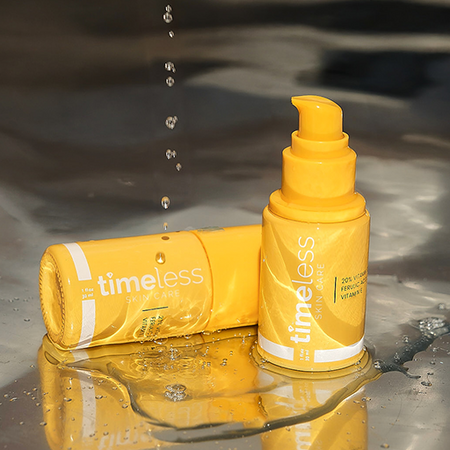
Timeless Skin Care offers options like the 20% Vitamin C + E Ferulic Acid Serum within its vitamin C category.
If your skin feels dehydrated, you can also layer a humectant serum during this step. Hyaluronic acid helps support hydration in the upper layers of the epidermis and helps improve the appearance of dehydration lines. When layering multiple serums, apply the thinnest consistency first and allow each layer a brief moment to settle.
Step 4: Eye Cream
The skin surrounding the eyes is thinner and possesses fewer sebaceous glands than the rest of the face. An eye cream can help keep this delicate orbital area moisturized and smooth. Dab a small amount along the orbital bone using your ring finger, gently tapping from the outer corner inward. Apply eye cream before or alongside your full-face moisturizer.
Step 5: Daily Moisturizer
A daily moisturizer helps reduce transepidermal water loss (TEWL), the water that evaporates from the skin's surface. It combines humectants with softening emollients to keep the surface feeling supple throughout the day.
Choose a texture that matches your skin's daily needs:
- Oily or combination skin may prefer lightweight gel-creams or oil-free lotions.
- Normal skin may suit balanced, lightweight fluid emulsions.
- Dry skin may prefer richer creams containing ceramides and fatty acids.
Smooth the product evenly over your face, neck, and upper chest using gentle upward motions.
Step 6: Broad-Spectrum Sunscreen
Sunscreen is the final step of every morning skincare routine. UV exposure can contribute to visible skin aging, surface discoloration, and uneven texture.
Choose a broad-spectrum sunscreen with an SPF of 30 or higher. Apply a generous amount to your entire face, ears, neck, and the backs of your hands. Sunscreen should form an uninterrupted protective film across the outer skin surface, so it should not be mixed directly into your moisturizer or covered by other skincare treatments. Allow your moisturizer to absorb for two to three minutes before smoothing sunscreen over the top. If you wear makeup, apply foundation or tinted base only after your sunscreen has set completely.
Key Takeaway: Sunscreen is always the final skincare step in the morning. Layering creams, oils, or serums over your SPF can disrupt its protective film and leave your skin vulnerable to UV exposure.
The Correct Evening Skincare Routine Order
Your nighttime routine focuses on thorough cleansing, hydration, and targeted cosmetic care.
- First cleanser for oil-based makeup and SPF removal.
- Second cleanser for a water-based wash.
- Exfoliant or clarifying toner for intermittent use.
- Targeted night treatments and serums.
- Nourishing eye cream.
- Night moisturizer or barrier cream.
- Facial oil, if desired.
Step 1 and Step 2: The Double Cleanse
At the end of the day, your skin may hold sebum, environmental pollution, sweat, long-wear makeup, and water-resistant sunscreen filters. A double cleanse provides a clean foundation for night treatments.
- First cleanse: Massage a cleansing oil, cleansing balm, or micellar water onto dry skin. These formulas can help break down waterproof makeup and oil-soluble sunscreen ingredients without abrasive rubbing. Rinse thoroughly with lukewarm water.
- Second cleanse: Follow with a gentle water-based gel, cream, or foaming cleanser. This step removes water-soluble perspiration, surface debris, and any remaining cleansing residue.
Step 3: Chemical Exfoliant
Exfoliation removes built-up surface cells that contribute to rough texture and a dull appearance. Rather than using abrasive physical scrubs, you can choose chemical exfoliants such as alpha-hydroxy acids (AHAs) or beta-hydroxy acids (BHAs).
Because chemical exfoliants can increase sensitivity, limit their use to one to three evenings per week. Apply exfoliating liquids or pads directly after cleansing on dry skin, and do not combine strong acid treatments with other potent resurfacing actives on the same night.
Step 4: Targeted Evening Serums and Peptides
Nighttime can be a convenient time for specialized cosmetic serums. Ingredients such as peptides and coenzyme Q10 can fit into an evening regimen.
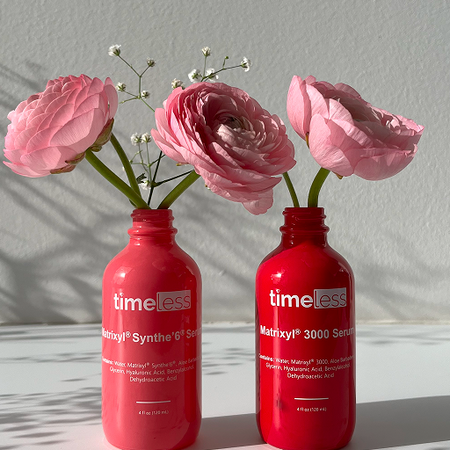
Peptides may help support the appearance of firmness. The peptide category includes Matrixyl® 3000 Serum from Timeless Skin Care.
Coenzyme Q10 can also fit into an evening regimen. For more ingredient information, see Coenzyme Q10. It provides antioxidant support as the skin's natural CoQ10 levels decline with age. It helps improve the appearance of fine lines and supports firmer-looking skin.
If you use topical retinoids or retinol, apply them during this treatment step on clean, dry skin. For individuals prone to sensitivity, applying a light layer of hydrating serum before your retinoid can make the application feel more comfortable.
Step 5: Evening Eye Cream
Apply a small dab of conditioning eye cream to the delicate skin surrounding the eyes. Evening formulas often feature richer emollient textures to support overnight hydration in areas prone to dehydration lines.
Step 6: Night Moisturizer or Barrier Cream
Night moisturizers are generally more emollient than daytime lotions. They may contain lipids, ceramides, and fatty acids to help reduce moisture loss while you sleep. A generous layer supports the skin barrier and helps the skin retain moisture throughout the night. Smooth the cream across your face and downward over your neck.
Step 7: Facial Oil
If your skin experiences persistent dryness or during colder winter months, a facial oil can serve as a final conditioning layer. Facial oils act as emollients that soften dry surface patches. Pat two to three drops of oil over your night cream, or mix a drop directly into your moisturizer before application. Oily and breakout-prone skin types can generally skip this step.
How to Layer Multiple Serums and Active Ingredients
Many skincare enthusiasts use more than one serum to address different cosmetic goals. While combining multiple serums is possible, layering them properly requires attention to texture, base, and ingredient compatibility.
The Rule of Three
To help prevent product pilling and minimize surface buildup, limit your routine to no more than two or three serums per application. Stacking too many formulas can contribute to pilling.
Serum Layering Order: Step-by-Step
When applying multiple serums in one session, follow this sequence:
- Low-pH active serums, such as L-ascorbic acid or liquid chemical exfoliants.
- Water-light hydrating serums containing ingredients like hyaluronic acid.
- Viscous treatment serums, including peptide blends and vitamin B5 formulas.
- Emulsion-based or lipid-rich serums, such as CoQ10 or oil-infused treatments.
The brand's hydration line includes Hyaluronic Acid 100% Pure.
Understanding Active Ingredient Compatibility
Not all ingredients are comfortable for every skin type when applied at the same moment. Certain combinations can alter formulation pH, while others may feel overwhelming on sensitive skin.
- Vitamin C and exfoliating acids: L-ascorbic acid and AHA/BHA exfoliants both rely on acidic formulations. Using them in the same routine may contribute to redness or tingling. Use your vitamin C serum in the morning and reserve chemical exfoliants for evening use.
- Retinoids and exfoliating acids: Combining retinol with glycolic or salicylic acid at night may increase the potential for irritation. Alternate these ingredients on separate evenings rather than layering them together.
- Peptides with acidic formulas: If your skin is sensitive, use peptide serums in a routine separate from low-pH exfoliating acids or L-ascorbic acid serums.
- Vitamin B5 and hydrators: Vitamin B5 supports the skin barrier and helps the skin retain moisture. It can be used with humectants, peptides, and barrier creams across morning and evening routines.
Note: Individual skin reactions vary when introducing new active ingredients. Anyone with a known skin sensitivity or a diagnosed skin condition should check with their dermatologist before combining multiple concentrated formulas.
Ingredient Spotlight: When and How to Use Key Actives
Understanding the characteristics of common skincare ingredients can help you place them in a routine.
Vitamin C (L-Ascorbic Acid)
- When to use: Morning use is common, and nighttime use may also be suitable. When used in the morning, pair it with broad-spectrum sunscreen.
- Placement: Apply directly to clean, dry skin after cleansing or water-light toning.
- Key cosmetic role: Helps brighten the look of dullness and uneven tone. It also helps defend against oxidative stress caused by environmental factors such as UV exposure and pollution.
Hyaluronic Acid and Sodium Hyaluronate
- When to use: Morning and night.
- Placement: Apply to slightly damp skin immediately after cleansing or misting, before heavier serums and creams.
- Key cosmetic role: Helps attract, bind, and retain water in the outer layers of the skin. Hyaluronic acid is a humectant, not a moisturizer. Sodium hyaluronate is the sodium salt of hyaluronic acid.
Peptides (Matrixyl 3000 and Matrixyl Synthe'6)
- When to use: Morning or evening routines.
- Placement: After water-based hydrators and before facial moisturizers.
- Key cosmetic role: May help support the appearance of firmness.
Coenzyme Q10 (Ubiquinone)
- When to use: Generally used once daily.
- Placement: After water-based serums and before creams. Avoid application directly under the eyes.
- Key cosmetic role: Provides antioxidant support as the skin's natural CoQ10 levels decline with age. It helps improve the appearance of fine lines and supports firmer-looking skin. If you have vitiligo, check with your dermatologist before using a CoQ10 product.
Vitamin B5 (Calcium Pantothenate)
- When to use: Morning and night.
- Placement: Layered with water-based serums or directly before moisturizing.
- Key cosmetic role: Supports the skin barrier and helps the skin retain moisture. It also helps the skin feel more comfortable.
Building Realistic Expectations and Avoiding Common Layering Mistakes
Skincare products are cosmetic preparations designed to support surface appearance. Individual responses vary, so consistency and a manageable routine are important.
- Hydration and surface comfort: Hyaluronic acid helps improve the appearance of dehydration lines. Moisturizers can help reduce moisture loss.
- Brightness and radiance: Vitamin C helps brighten the look of dullness and uneven tone.
- Firmness and fine lines: Peptides may help support the appearance of firmness. CoQ10 helps improve the appearance of fine lines and supports firmer-looking skin.
Consistency makes it easier to assess how a routine suits your skin. A balanced routine is generally easier to maintain than one with numerous active treatments.
Common Skincare Ordering Mistakes to Avoid
- Applying watery serums over creams: Spreading a thin hyaluronic acid serum on top of a rich night cream can contribute to pilling. Apply products from thinnest to thickest.
- Applying sunscreen too early: Placing moisturizer, facial oil, or serum over your sunscreen can disrupt its continuous protective film. Sunscreen should remain your final daytime skincare layer.
- Skipping moisturizer on oily skin: People with oily skin may still prefer a lightweight moisturizer. An oil-free gel moisturizer is one option.
- Washing your face with excessively hot water: Hot water can leave the skin feeling tight and uncomfortable after washing. Use lukewarm water.
- Rushing between layers: Applying several products within a few seconds can cause them to mix on the surface and contribute to pilling. Allow each layer a brief moment to settle.
- Neglecting the neck and décolleté: Facial skincare does not have to stop at the jawline. Extend your serums, moisturizers, and sunscreens downward to the neck and upper chest.
Frequently Asked Questions
How long should I wait between skincare steps?
For standard hydrating toners, serums, and moisturizers, you do not need long wait times. Giving each product 30 to 60 seconds to settle on the skin's surface is generally sufficient to prevent pilling. When applying broad-spectrum sunscreen, let your moisturizer dry down for two to three minutes first so the sunscreen can form an even, uninterrupted protective layer across your skin.
Can I skip toner and still have an effective routine?
Yes, toner is an optional step in a daily skincare regimen. The essential foundation of a routine consists of a gentle cleanser, a suitable moisturizer, and daily broad-spectrum sunscreen. Toners provide supplementary surface hydration and can help prepare the skin for treatment serums, but they are not mandatory for a complete routine.
Is the skincare routine order the same for morning and night?
The core principle of layering from thinnest to thickest consistency remains identical for both routines, but the product choices differ based on daytime and nighttime objectives. Morning routines may include antioxidant support and conclude with broad-spectrum sunscreen. Nighttime routines may incorporate double cleansing to remove daytime buildup, richer moisturizers, barrier-support ingredients, and targeted resurfacing treatments.
Where do spot treatments belong in my skincare order?
Spot treatments containing active ingredients such as salicylic acid or benzoyl peroxide can be applied directly to clean, dry skin after cleansing and toning, before applying heavy moisturizers. Applying them early places the targeted ingredients directly on the area of concern. If your skin is easily irritated, you can apply your spot treatment immediately after a lightweight moisturizer to make the application feel more comfortable.