Introduction
Building a skincare routine can quickly feel overwhelming when you look at a shelf full of bottles and jars. You might wonder whether your serum goes before your moisturizer or if you need a separate product for the daytime and nighttime. The sequence in which you apply your products can affect how your routine feels and layers.
Quick Answer: A common skincare application rule is to move from thinner to thicker textures. Start with cleansing and other lightweight liquids, move to treatment serums, follow with moisturizer, and finish every daytime routine with broad-spectrum sunscreen.
When products are applied out of order, they may not layer as intended. Richer formulas can make it harder for lighter liquids to spread evenly. Following a clear order can help you use each formula as intended.
At Timeless Skin Care, founded in 2009 by Veronica Pedersen, the goal has always been simple skincare. We make our products in the USA in small batches.
This guide breaks down the common order for morning and evening routines, how to layer multiple treatments, and how to build a routine that fits your skin. You can also use our skincare quiz to help build a routine.
The Core Principle: Thinnest to Thickest
A common approach to skincare layering is to apply products from the lightest texture to the heaviest texture.
Lightweight formulas are typically water-based and spread easily across the skin. If you put a light, watery serum on top of a rich, heavy cream, that serum may sit on top of the cream rather than resting directly against your skin.
Understanding Product Formats
Skincare products generally fall into distinct texture categories:
- Water-based liquids: Cleansers, mists, and watery toners.
- Lightweight fluids: Low-viscosity serums and essences.
- Viscous liquids: Thicker serums and lightweight lotions.
- Emulsions and creams: Daily moisturizers, barrier creams, and eye creams.
- Occlusives and oils: Facial oils and heavy protective balms.
- Sunscreens: Dedicated daily UV filters for morning use.
| Product Category | Typical Base | Relative Texture | Primary Role in Routine |
|---|---|---|---|
| Cleanser | Water or Oil | Liquid to Gel | Cleanses surface impurities |
| Toner | Water | Very Thin Liquid | Preps skin and delivers light hydration |
| Serum | Water or Light Glycol | Thin to Medium Fluid | Delivers concentrated topical ingredients |
| Eye Cream | Emulsion | Light to Medium Cream | Conditions delicate skin around the orbital area |
| Moisturizer | Emulsion / Oil-in-Water | Medium to Thick Cream | Helps reduce moisture loss |
| Facial Oil | Lipid | Rich Liquid | Softens skin and provides an occlusive layer |
| Sunscreen | Mineral or Chemical Emulsion | Lotion to Fluid | Provides broad-spectrum UV protection |
Water-based serums often come before anhydrous solutions or facial oils. Applying an oil or rich moisturizer first may make a watery liquid harder to spread evenly.


The Morning Skincare Routine Order
Your daytime routine focuses on defense and hydration. During the day, your skin faces environmental elements like sunshine, wind, and urban pollution. Your morning products can focus on antioxidant support, hydration, and sun protection.
- Cleanser
- Hydrating Toner or Essence
- Antioxidant Face Serum
- Eye Treatment
- Daily Moisturizer
- Broad-Spectrum Sunscreen
Step 1: Cleanser
Start your morning by washing your face with a gentle, non-stripping cleanser. Overnight, your skin collects dead surface cells, natural oils, and remnants of your nighttime products.
A gentle water-based wash is usually enough for the morning. If your skin feels dry when you wake up, a quick rinse with lukewarm water may be all you need. Avoid using hot water because it can dry out the surface of the skin.
Step 2: Hydrating Toner or Essence
Applying a toner is an optional step, but it can help prepare the skin for the serums that follow. Modern toners are designed to hydrate rather than strip the skin.
Look for toners that contain humectants like hyaluronic acid. Sodium hyaluronate is the sodium salt of hyaluronic acid. Hyaluronic acid is a humectant that helps attract, bind, and retain water in the outer layers of the skin. Hyaluronic acid helps support hydration in the upper layers of the epidermis.
Step 3: Antioxidant Face Serum
Morning use is the most common recommendation for an antioxidant serum, but it is not the only option. When using one in the morning, follow with broad-spectrum sunscreen.
An antioxidant serum helps defend against oxidative stress caused by environmental factors such as UV exposure and pollution. It also helps neutralize free radicals generated by UV exposure.
Vitamin C is one of the most widely researched antioxidants used in skincare. Vitamin C helps brighten the look of dullness and uneven tone. L-ascorbic acid is the most researched form of vitamin C, but it is not automatically the best form.
The performance of a vitamin C formula depends on its form, formulation, pH, and packaging. Because L-ascorbic acid is sensitive to light, air, and heat, it oxidizes gradually over time. An oxidized serum loses potency and may increase the likelihood of irritation for some people.
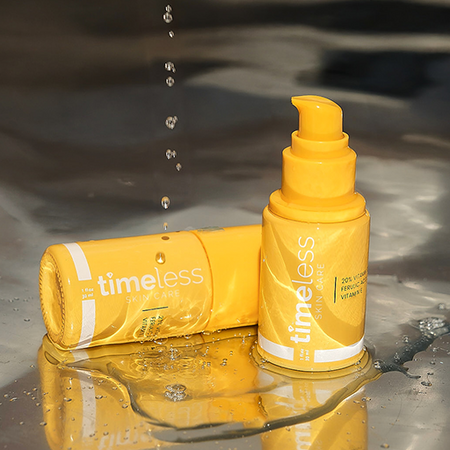
The 20% Vitamin C + E Ferulic Acid Serum is part of our Vitamin C category.
Step 4: Eye Treatment
The skin around the eyes is thinner than the rest of the face. An eye cream helps keep this delicate area smooth and hydrated.
Using a lightweight cream formulated specifically for the orbital area keeps the skin conditioned without feeling heavy. The Dark Circle Peptide Complex Eye Cream is part of our eye care lineup. Tap a small amount gently around the orbital bone using your ring finger.
Step 5: Daily Moisturizer
A morning moisturizer helps support the skin barrier. A moisturizer helps reduce transepidermal water loss (TEWL), the water that evaporates from the skin's surface.
Choose a moisturizer based on how your skin feels. If your skin is oily, a lightweight gel moisturizer may provide hydration without extra weight. If your skin feels tight or dry, choose a richer lotion containing emollients and ceramides.
Step 6: Broad-Spectrum Sunscreen
Sunscreen is the final step of every morning skincare routine. No matter the weather or the time of year, daily broad-spectrum sunscreen protects against UVA and UVB rays.
Choose a broad-spectrum formula with an SPF rating of 30 or higher. Apply sunscreen generously to your entire face, neck, and the tops of your ears. Always apply sunscreen after your moisturizer has absorbed and before applying any makeup.
The Evening Skincare Routine Order
Your nighttime routine focuses on cleansing away the buildup of the day and applying targeted topical ingredients. Because you do not need to apply sunscreen before bed, you can use richer textures and specific nighttime actives.
- First Cleanse (Makeup and Sunscreen Removal)
- Second Cleanse (Water-Based Cleanser)
- Exfoliator or Clarifying Toner (1 to 3 times weekly)
- Targeted Treatment Serums
- Eye Cream
- Nighttime Moisturizer or Facial Oil
Key Takeaway: Nighttime can be a useful time for rich hydrators and targeted cosmetic actives. Applying treatments to clean skin can simplify layering.
Step 1 and Step 2: The Double Cleanse
Double cleansing can help remove sunscreen, makeup, and daily grime.
Start with an oil-based cleanser, cleansing balm, or micellar water on dry skin. Massage the formula over your face to break down water-resistant sunscreen and makeup pigments. Rinse thoroughly with lukewarm water.
Follow immediately with a gentle water-based cleanser. This second wash cleanses away any remaining surface oils and leaves the skin ready for leave-on treatments.
Step 3: Exfoliation (Optional)
Chemical exfoliants such as alpha hydroxy acids (AHAs) and beta hydroxy acids (BHAs) help remove dead surface cells. Exfoliation helps improve the look of rough texture and uneven tone.
You do not need to exfoliate every night. Using an exfoliating toner or serum one to three times per week is usually enough. Over-exfoliating can disrupt your moisture barrier, leading to visible redness and sensitivity.
Step 4: Targeted Treatment Serums
After cleansing and optional exfoliation, apply your targeted serums. You can choose serums based on specific skin goals:
- Hydrating serums: Hyaluronic acid helps improve the appearance of dehydration lines. One product in our hydration lineup is the Hyaluronic Acid 100% Pure.
- Peptide serums: Peptides may help support the appearance of firmness.
- Barrier support serums: Vitamin B5 (Calcium Pantothenate) supports the skin barrier and helps the skin retain moisture. It helps the skin feel more comfortable.
- CoQ10 serums: CoQ10 provides antioxidant support as the skin's natural CoQ10 levels decline with age. It helps improve the appearance of fine lines and supports firmer-looking skin.
The Coenzyme Q10 is part of our CoQ10 serum category.
When using CoQ10 in your routine, apply it across the face and neck, but do not apply CoQ10 under the eyes. If you have vitiligo, check with your dermatologist before using a CoQ10 product.
Step 5: Eye Cream
Apply your evening eye treatment before a heavy night cream.
Step 6: Nighttime Moisturizer and Facial Oils
Finish your evening routine with a nourishing night cream. A rich moisturizer helps reduce moisture loss while you sleep.
If you like to use a facial oil such as squalane or argan oil, apply it either mixed with your moisturizer or as the very last step over your moisturizer. Oils are occlusive and soften the skin.
How to Layer Multiple Serums
Many people use more than one serum to address different skin concerns. When layering multiple serums, you can follow a few simple guidelines to keep your routine manageable. Our guide to how to layer multiple serums provides additional routine guidance.
- Apply water-based serums.
- Apply heavier serums.
- Apply creams.
Note on sequence: Layer from lightest liquid to heaviest texture.
Prioritize by Consistency and Concern
If you have two serums of different weights, apply the more watery serum first. For example, a thin, liquid antioxidant serum can go on before a thicker, viscous hydrator.
If you have two serums with the exact same consistency, apply the one that targets your primary cosmetic goal first. If your main concern is brightening dullness, apply your brightening serum first, then layer your general hydrating serum over it.
Avoid Overloading the Skin
Using too many products at once can cause pilling. Pilling happens when formulas ball up into tiny flakes on the surface of your skin rather than spreading smoothly. It can also make the skin look uneven.
Limit your routine to two or three targeted serums per session. If you have several active ingredients you enjoy, alternate them between your morning and evening routines or rotate them across different days of the week.
Individual reactions vary when introducing new skincare formulas. Anyone with a known sensitivity or diagnosed skin condition should check with their dermatologist before combining new active ingredients.
Setting Realistic Expectations for Skincare Results
A consistent skincare routine is an investment in your skin's ongoing appearance. However, changes in skin tone, texture, and firmness take time.
Note: Cosmetic improvements develop gradually. Consistency and daily sun protection can matter more than adding many products every day.
Skin renewal and visible changes vary from person to person. Hydration may appear to improve before changes in the appearance of fine lines, tone, and firmness. Consistent use can help you assess how a routine suits your skin.
Use a routine consistently before adjusting your steps or adding new formulas.
Frequently Asked Questions
How long should I wait between each skincare step?
In general, you do not need to wait long between routine steps. Most water-based toners and hydrating serums can be applied to slightly damp skin one after the other.
However, you should let your moisturizer dry down briefly before applying your broad-spectrum sunscreen. This helps keep the sunscreen from being diluted or sliding around during application.
Can I use the exact same skincare order in the morning and at night?
The general order from thinnest to thickest is generally the same morning and night. The primary difference is the purpose of each routine.
Your morning routine ends with broad-spectrum sunscreen to defend against environmental exposure throughout the day. Your evening routine includes double cleansing to remove daytime buildup and finishes with a night cream or oil.
Where do facial oils go in a skincare routine?
Facial oils should be applied toward the very end of your routine because of their rich, lipid structure.
You can apply a few drops of facial oil immediately after your moisturizer, or you can mix a drop or two directly into your cream before smoothing it onto your face. Applying oil before a water-based serum may make the lighter serum harder to spread evenly.
Does my skincare routine order change if I have oily skin?
The basic order is generally the same regardless of skin type. Whether your skin is oily, dry, or combination, you can generally apply products from lightest to heaviest.
If you have oily skin, you might skip certain steps, such as rich facial oils or heavy night creams. Instead, choose lightweight gel moisturizers and fluid serums while keeping the standard order of cleansing, treating, moisturizing, and applying sunscreen.