Introduction
Building an effective daily regimen starts with knowing what is the order of skincare application. You might have gathered formulas targeting texture, hydration, and tone, but applying them out of sequence may affect how they settle on the skin. Skincare products have distinct textures, base carriers, and active ingredients, so they can be layered in a particular progression.
The main principle behind proper application order is simple: you want lighter, water-based solutions to reach the skin first before applying heavier, oil-rich formulas. When you place a thick cream on your face before a liquid treatment, the lighter solution may not absorb evenly. Following an orderly sequence can help each formulation settle in place.
Whether you prefer a minimal three-step lineup or an expansive multi-step routine, organizing your products properly makes daily care straightforward. This guide covers how to layer your morning and nighttime products step by step, which ingredients pair best together, and how to avoid common application mistakes. You can also use our skincare quiz to help organize a routine.
Key Takeaway: The foundational rule for layering skincare is to apply formulas from thinnest to thickest texture, starting with water-based treatments and finishing with emollient creams or sun protection.
Why Skincare Order Matters
The skin barrier functions primarily to protect your body by keeping environmental elements out while retaining essential internal moisture. Because of this natural defense mechanism, topical formulas must be applied in a way that respects the biological structure of the epidermis.
When you apply products in the wrong sequence, several issues can occur:
- Reduced Absorption: Thinner treatments may not pass through heavy, occlusive layers like rich oils or dense waxes.
- Product Pilling: Incompatible textures applied out of order can clump together into small balls on the surface instead of settling evenly.
- Surface Irritation: Layering certain potent actives improperly without proper barrier support can challenge skin tolerance.
Applying products from lightest to heaviest can help each layer settle without interference. Water-soluble antioxidants, lightweight humectants, and fluid toners belong closest to freshly cleansed skin. Denser emulsions, face oils, and sunscreens sit higher up in the sequence to support the moisture barrier and guard against daily environmental exposure.


The Step-by-Step Morning Skincare Order
Your morning routine focuses on two main goals: defending the skin against environmental stressors and supporting day-long surface hydration. During daylight hours, your complexion faces exposure to ultraviolet light, airborne pollutants, and fluctuating temperatures.
- Cleanser: Wash away sweat, excess sebum, and overnight skincare residue with a gentle, non-stripping cleanser. If your skin is notably dry in the morning, rinsing thoroughly with lukewarm water may suffice.
- Toner or Facial Mist: Apply a hydrating, alcohol-free toner to help rebalance the surface and prep your face for subsequent treatments.
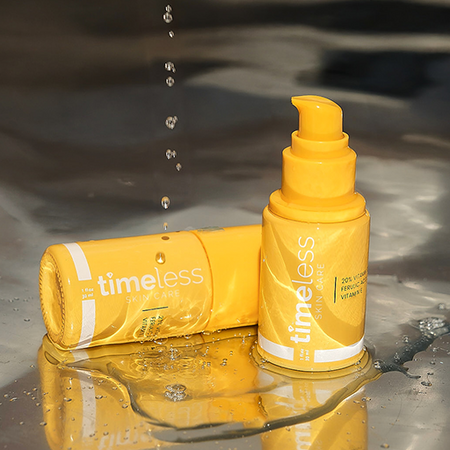
- Antioxidant Serum: Morning is the most common time to apply an antioxidant solution. A topical antioxidant helps defend against oxidative stress caused by environmental factors such as UV exposure and pollution. Vitamin C also helps brighten the look of dullness and uneven tone. Timeless Skin Care offers options in this category, including the 20% Vitamin C + E Ferulic Acid Serum.
- Hydrating Serum: Hyaluronic acid is a humectant. It helps attract, bind, and retain water in the outer layers of the skin. It helps support hydration in the upper layers of the epidermis. It helps improve the appearance of dehydration lines. In the hydration category, Timeless Skin Care offers Hyaluronic Acid 100% Pure.
- Eye Cream: Dab a small amount around the orbital bone. Using a lighter eye treatment before your daily face cream ensures the delicate eye contour receives targeted care without excess product migration. Explore the eye cream collection.
- Moisturizer: A daytime face cream helps reduce transepidermal water loss (TEWL), the water that evaporates from the skin's surface. Choose a lightweight lotion or gel cream that suits your skin type to keep your skin smooth and supple throughout the day.
- Broad-Spectrum Sunscreen: Daily broad-spectrum sunscreen rated SPF 30 or higher is non-negotiable every morning. It must always be the final step of your skincare routine before applying any makeup.
Quick Answer: In the morning, always follow this core sequence: cleanse, apply treatment serums, moisturize, and finish with a broad-spectrum sunscreen.
The Step-by-Step Evening Skincare Order
Your evening routine shifts focus toward thorough cleansing and surface hydration. At night, you remove accumulated surface debris, makeup, and sunscreen while giving targeted products time to work undisturbed.
- First Cleanse (Makeup and Sunscreen Removal): Use an oil cleanser, cleansing balm, or micellar water to break down stubborn cosmetic pigments, excess oils, and water-resistant sunscreens.
- Second Cleanse: Follow with a gentle water-based face wash to clear away any remaining residue and ensure your skin is completely clean.
- Exfoliant (1 to 3 times weekly): If your routine includes chemical exfoliants like alpha hydroxy acids (AHAs) or beta hydroxy acids (BHAs), use them directly after cleansing on dry skin. These formulas help sweep away dead surface skin cells and smooth the look of uneven texture.
- Targeted Treatment Serums: Nighttime is suitable for peptide treatments. Peptides may help support the appearance of firmness. Other antioxidant options support the complexion as well. CoQ10 provides antioxidant support as the skin's natural CoQ10 levels decline with age. It helps improve the appearance of fine lines. It supports firmer-looking skin. Timeless Skin Care includes the Coenzyme Q10 Serum within its antioxidant collection. If you have vitiligo, check with your dermatologist before using a CoQ10 product.
- Eye Treatment: Gently pat your evening eye cream around the eye area to maintain surface hydration overnight.
- Night Cream or Moisturizer: Use a richer moisturizer to help reduce moisture loss while you sleep. Vitamin B5 supports the skin barrier and helps the skin retain moisture. It helps the skin feel more comfortable.
- Facial Oil (Optional): If your skin is exceptionally dry, you can pat a few drops of a facial oil over your moisturizer as the final step to provide extra emollience.
Comparing Morning and Evening Routines
Understanding how product functions differ between daytime and nighttime makes building your routine much easier.
| Routine Step | Morning Focus | Evening Focus |
|---|---|---|
| Cleansing | Light refresh to clear overnight oils | Double cleanse to remove makeup, sunscreen, and daily grime |
| Prepping | Hydrating toner or balancing mist | Exfoliating toner or gentle clarifying liquid, as needed |
| Targeted Serums | Antioxidants that support the skin's antioxidant defenses | Peptides, retinoids, or specialty antioxidant treatments |
| Hydration | Lightweight humectants that help support hydration in the upper layers of the epidermis | Layered hydration and barrier-supportive solutions |
| Moisturizing | Light lotions or gels that wear well under makeup | Richer creams that help reduce transepidermal water loss (TEWL) |
| Final Step | Broad-spectrum sunscreen (SPF 30+) | Optional facial oil or overnight moisture balm |
Practical Rules for Layering Active Ingredients
When combining multiple treatments, keeping a few formulation rules in mind can help prevent product conflicts and surface irritation.
1. Water Bases Come Before Oil Bases
Skincare textures range from watery liquids to dense, rich ointments. Water-soluble formulas absorb quickly on clean skin. Anhydrous, or water-free, formulas, suspensions, and botanical oils sit on top of water-based layers. If you apply an oil first, any water-based serum applied afterward may pool on top and may not absorb evenly.
2. Manage pH-Dependent Actives Carefully
Certain active ingredients, such as direct L-ascorbic acid or hydroxy acids, require low, acidic pH levels to remain effective. Apply these acidic treatments first immediately after cleansing. Allow them a brief moment to settle into the surface before applying neutral pH serums, such as hyaluronic acid or peptide blends.
3. Layer by Viscosity Within the Same Category
If you are using two water-based serums in one routine, look at their thickness. Apply the runniest, most liquid dropper serum first, followed by the more viscous, gel-like serum.
4. Respect Actives Tolerance
Layering multiple strong actives in a single routine is not always necessary or beneficial. For instance, using strong exfoliating acids, retinoids, and high-strength direct acids all in the same evening can overwhelm the skin barrier. Consider alternating your active products across different evenings to maintain overall comfort and balance.
Note: If you experience sensitivity or redness when introducing new steps, simplify your routine to basic cleansing, moisturizing, and sun protection. Individual reactions vary, and anyone with a known sensitivity or diagnosed skin condition should check with their dermatologist.
Realistic Expectations for Skincare Results
Achieving visible improvements in skin tone, smoothness, and hydration requires patience and steady consistency. No topical skincare product delivers permanent changes overnight.
Humectant serums can provide visible surface improvements. Hyaluronic acid helps attract, bind, and retain water in the outer layers of the skin. It helps support hydration in the upper layers of the epidermis. It helps improve the appearance of dehydration lines. Visible cosmetic improvements in uneven tone, fine lines, and skin firmness may require ongoing, consistent use.
Factors that influence your personal results include:
- Consistency: Applying your routine regularly as directed yields better results than sporadic use.
- Sun Protection: Without daily broad-spectrum sun protection, the visible benefits of antioxidant and brightening serums may be undermined by ongoing UV exposure.
- Overall Skin Health: General wellness, sleep quality, climate, and hydration levels all affect how your skin responds to topical products.
Focus on building a manageable routine that you can comfortably maintain every day rather than attempting an overly complex process that is difficult to sustain. The DIY Build Your Kit collection can help support routine organization.
Common Skincare Order Mistakes to Avoid
Even with quality formulas, simple errors in application can reduce the effectiveness of your regimen.
- Applying Sunscreen Underneath Moisturizer: Sunscreen must sit as the outermost layer to form an even protective shield over the face. Applying moisturizer on top can dilute the UV filters and disrupt the protective film.
- Layering Hyaluronic Acid Over Dry Skin Without Sealing: Hyaluronic acid is a humectant. It helps attract, bind, and retain water in the outer layers of the skin. If applied in dry environments without a moisturizer on top to help reduce moisture loss, water can evaporate from the surface. Follow humectants with an emollient moisturizer.
- Skipping Cleansing Before Active Treatments: Applying concentrated serums over residual makeup, sebum, or mineral sunscreen may prevent active ingredients from making proper contact with the skin surface.
- Using Too Many Heavy Layers for Your Skin Type: Oily or blemish-prone complexions can feel congested if layered with heavy oils and dense balms. Tailor your texture choices to your specific skin needs, using lightweight gels if your skin produces sufficient natural oils.
- Neglecting the Neck and Upper Chest: The skin on your neck and décolletage experiences similar environmental exposure and signs of aging as your face. Extend your cleansing, antioxidant serums, moisturizers, and daily broad-spectrum sunscreen down to your chest for comprehensive care.
Frequently Asked Questions
How long should I wait between applying skincare steps?
You do not need to wait lengthy periods between every layer. In general, waiting 30 to 60 seconds allows each product to absorb enough so that the surface is no longer wet before applying the next layer. For daily sunscreen, allow your moisturizer to dry completely for a minute or two so the sunscreen can form an undisturbed, uniform protective layer over your skin.
Can I apply multiple serums in the same routine?
Yes, you can layer multiple serums in a single routine by following the thinnest-to-thickest rule. Start with the most fluid, water-based serum and follow with thicker, gel-like or emulsion-based formulas. Limiting your routine to two or three targeted treatments per application is generally sufficient and prevents product pilling.
What should I do if my skin experiences irritation?
If your skin feels uncomfortable, itchy, or irritated, scale your routine back to the basics: a gentle cleanser, a simple barrier-supportive moisturizer, and daily broad-spectrum sunscreen. Pause the use of concentrated exfoliating acids, strong direct antioxidants, and retinoids. Because individual reactions vary, anyone with a known sensitivity or diagnosed skin condition should check with their dermatologist.
Is a morning cleanser necessary for every skin type?
While oily and acne-prone skin types benefit from a gentle foaming or gel cleanser in the morning to remove overnight sebum buildup, very dry or sensitive complexions may find a thorough rinse with lukewarm water adequate. Adjust your morning cleansing step based on how your skin feels when you wake up.