Introduction
Standing in front of your bathroom shelf with several bottles can feel confusing. You might wonder which liquid goes first, whether a cream blocks a serum, or why layering matters at all.
Applying your products in a consistent sequence can help formulas layer comfortably on your skin. Building an effective regimen does not require a complex ten-step process. Understanding product weights, daytime defense, and nighttime care allows you to customize a routine that fits your preferences. The skincare quiz can help you organize a routine around your preferences.
The Core Rule of Skincare Layering
A useful principle for sequencing products is ordering them from thinnest consistency to thickest texture.
Water-based formulas, watery liquids, and lightweight solutions go onto freshly cleaned skin first. Denser fluids, light lotions, rich creams, and facial oils come next. A moisturizer helps reduce moisture loss, and richer formulas generally sit later in the sequence.
Format matters just as much as consistency:
- Water-based liquids and watery toners
- Low-viscosity treatment fluids and light serums
- Gel serums and fluid lotions
- Emulsions and standard moisturizing creams
- Rich facial oils or balms
Key Takeaway: For easier layering, apply thinner formulas before thicker ones.
Timing between applications is straightforward. You do not need extended wait times between most steps. Allowing each layer thirty to sixty seconds to settle may help reduce pilling.
| Product Type | Base Formula | Consistency | Placement in Order |
|---|---|---|---|
| Cleanser | Water or Oil | Wash-off liquid/foam | Step 1 (Prep) |
| Toner | Water | Watery liquid | Step 2 (Prep) |
| Active Serum | Water or Light Gel | Fluid to medium drop | Step 3 (Treat) |
| Moisturizer | Water-in-Oil or Oil-in-Water | Cream, gel-cream, or lotion | Step 4 (Moisturize) |
| Sunscreen | Emulsion or Fluid | Cream or lotion | Step 5 AM (Defend) |


The Morning Skincare Order: Daily Defense
Daytime routines focus on hydration and defending against environmental exposure.
Step 1: Gentle Cleanser
Rinsing your face in the morning clears away sebum, sweat, and residue from nighttime products. A mild, non-stripping water-based cleanser leaves the surface clean and receptive to daytime treatments.
Step 2: Hydrating Toner
A gentle liquid toner rehydrates the surface immediately after washing. Modern toners help subsequent leave-on steps spread smoothly across the face and neck.
Step 3: Targeted Morning Serums
Morning is a common time for antioxidant support. An antioxidant serum helps defend against oxidative stress caused by environmental factors such as UV exposure and pollution. It helps neutralize free radicals generated by UV exposure.
Vitamin C is a choice here, as it helps brighten the look of dullness and uneven tone. If you use vitamin C in the morning, follow it with broad-spectrum sunscreen.
If your skin feels tight or parched, follow or alternate with a hydrating serum. A humectant helps attract, bind, and retain water in the outer layers of the skin. Sodium hyaluronate is the sodium salt of hyaluronic acid. Hyaluronic acid helps support hydration in the upper layers of the epidermis. Definitions for ingredients such as sodium hyaluronate are available in our Ingredient Glossary.
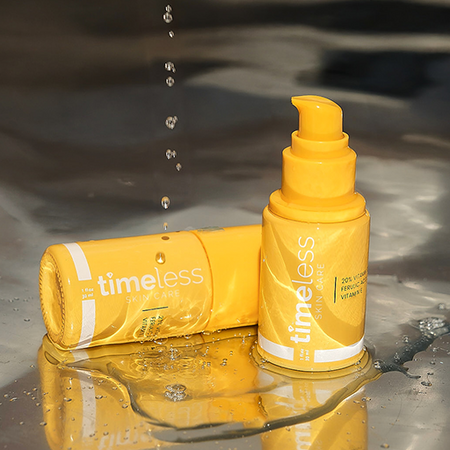
The 20% Vitamin C + E Ferulic Acid Serum is a vitamin C serum.
Step 4: Daily Moisturizer
A lightweight moisturizer softens the skin and helps reduce moisture loss throughout the day. It also helps reduce transepidermal water loss (TEWL), the water that evaporates from the skin's surface. Choose a lotion or gel-cream that provides comfort without feeling greasy under makeup.
Step 5: Broad-Spectrum Sunscreen
Daily broad-spectrum sunscreen is the essential final step of every morning routine. Ultraviolet radiation reaches your skin year-round, even on cloudy days or through window glass. Select a formula rated SPF 30 or higher and apply it generously to your face, neck, and ears.
Note: Sunscreen must always be the final skincare step in the morning. Applying creams or serums over your SPF can dilute its protective film and reduce UV coverage.
The morning routine is:
- Cleanse.
- Tone.
- Apply serum.
- Moisturize.
- Apply sunscreen.
The Evening Skincare Order
Your nighttime sequence focuses on clearing daytime grime and applying leave-on products.
Step 1: First Cleanse or Makeup Removal
Sunscreen filters, foundation, and daily pollution cling to the skin. An oil cleanser, micellar solution, or cleansing balm breaks down these oil-soluble impurities without excessive rubbing.
Step 2: Second Cleanse
Follow with your gentle water-based wash to rinse away residual makeup remover and water-soluble impurities. This leaves your skin clean.
Step 3: Evening Serums and Concentrates
Nighttime allows you to target specific concerns like texture, loss of firmness, and dehydration lines. For additional information about sequencing multiple treatments, read How to Layer Multiple Serums.
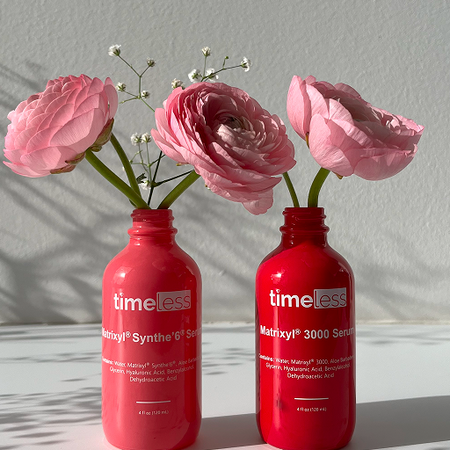
- Peptides: Peptide complexes, such as Matrixyl 3000, a blend of Palmitoyl Tripeptide-1 and Palmitoyl Tetrapeptide-7, or Matrixyl Synthe'6, Palmitoyl Tripeptide-38, may help support the appearance of firmness and smooth the look of fine lines.
- Antioxidants: Ubiquinone provides antioxidant support as the skin's natural CoQ10 levels decline with age. It helps improve the appearance of fine lines and supports firmer-looking skin. CoQ10 is generally used once daily. If you have vitiligo, check with your dermatologist before using a CoQ10 product.
- Hydrators: Calcium Pantothenate, Vitamin B5, supports the skin barrier and helps the skin retain moisture. It helps the skin feel more comfortable.
The Coenzyme Q10 Serum is a CoQ10 serum.
Step 4: Eye Cream
The Dark Circle Peptide Complex Eye Cream is an eye cream. If you choose to use an eye product, apply it after your serums and before heavy facial creams. Gently tap a small amount around the orbital bone using your ring finger.
Step 5: Night Moisturizer or Facial Oil
Finish your evening regimen with a cream. Nighttime formulas are often slightly richer. A moisturizer helps reduce moisture loss while you sleep. If your skin is exceptionally dry, you can layer a drop of facial oil over or mixed into your moisturizer.
How to Layer Multiple Serums Without Conflicts
Many people use more than one serum to address distinct concerns. You may combine treatments if you follow clear guidelines. Options for assembling a personalized routine are also available through DIY Build Your Kit.
Layer by Viscosity First
When working with multiple serums, apply the thinnest, most watery texture first. Allow it to settle for a few moments, then smooth the slightly denser or gel-like serum over it.
Separate Strong Actives by Time of Day
Some routines separate active ingredients by time of day:
- Morning: Vitamin C and lighter hydrating humectants.
- Evening: Retinoids, exfoliating acids, or rich peptide treatments.
- Alternate Nights: If you use both chemical exfoliants, like glycolic or salicylic acid, and retinoids, alternate them on different evenings rather than stacking them together to minimize the likelihood of irritation.
Individual reactions vary. If you have sensitivity concerns, check with your dermatologist before combining concentrated active treatments.
Realistic Expectations for Cosmetic Results
Adjusting your skincare order can make a routine easier to follow, but patience remains important. Cosmetic changes may appear gradually with consistent application rather than overnight.
Results vary from person to person. Changes in uneven tone, firmness, and overall texture may require consistent use. Consistency with basic steps, especially daily broad-spectrum sun protection, may support more dependable aesthetic results over time.
Frequently Asked Questions
Do I need to wash my face with a cleanser in the morning?
A gentle morning cleanse can remove overnight oils, sweat, and residual night creams. If your skin is very dry, splashing your face with lukewarm water may be sufficient before applying your daytime toner, serums, and moisturizer.
What should I do if my skincare products start pilling?
Pilling happens when products ball up into tiny flakes on the surface. This typically occurs if you apply a water-based product over an oil-based one, use too much product at once, or do not give an earlier layer thirty seconds to settle before smoothing on the next step.
Where do spot treatments go in the skincare sequence?
Spot treatments should be applied directly to clean, dry skin after cleansing or immediately after a lightweight, watery serum. Placing them before heavy moisturizers keeps them in the treatment step.
Can I mix my facial serum directly into my sunscreen?
Never mix serums, moisturizers, or oils directly into your sunscreen. Blending other formulas into your sunscreen alters the emulsion, dilutes the active UV filters, and disrupts the even film required to protect your skin from sun exposure. Always apply sunscreen as its own distinct, final morning layer.