Introduction
Building an effective skincare routine often feels more complicated than it needs to be. With countless products available, knowing which formula goes first can be confusing. You might wonder if your serum belongs before or after your moisturizer, or whether you should apply eye cream in the morning, at night, or both.
The sequence in which you apply your skincare can make a difference. Applying products in a thoughtful order can help each layer apply smoothly, support your skin barrier, and keep your complexion hydrated.
At Timeless Skin Care, founded in 2009 by Veronica Pedersen, the focus has always been on simple formulas. Our products are made in the USA in small batches. In this guide, we will break down the fundamental rules of skincare layering, provide clear morning and evening routines, and explain how to organize your treatments for healthy-looking, radiant skin.
Key Takeaway: The general rule for skincare layering is to apply products from thinnest consistency to thickest consistency, finishing with broad-spectrum sunscreen in the morning and a moisturizer at night.
The Core Rule: Thinnest to Thickest Texture
To understand skincare sequencing, you only need to remember one guiding principle: texture determines order. Skincare formulas range from watery liquids to dense creams and oils.
When you apply a thin, water-based product over a heavy cream or facial oil, the light liquid may not pass easily through the richer layer. The dense formula may act as a physical barrier. As a result, the lightweight product can sit on top, leading to pilling and less even application.
By contrast, layering from thinnest to thickest allows each layer to settle properly onto the skin:
- Water-based liquids and toners can absorb quickly across the skin surface.
- Lightweight serums are applied before richer products.
- Lotions and creams provide emollient hydration and help soften the skin.
- Heavy creams, facial oils, and occlusives sit on the surface to help reduce moisture loss.
Water-Based vs. Oil-Based Formulations
Skincare ingredients generally dissolve in either water or oil. Understanding the base of your product helps you decide where it belongs in your routine:
- Water-based treatments: These include watery toners, essences, and fluid serums. They are generally applied first after cleansing.
- Anhydrous (water-free) or light oil serums: These formulas contain active ingredients dissolved in oil or light solvents. They follow water-based treatments.
- Creams and emulsions: These blend water and oil phases to hydrate and smooth the skin surface.
- Pure oils and balms: These rich formulas should be applied near the end of your routine, right before or mixed into your final moisturizing step.
| Product Category | Typical Texture | Routine Position |
|---|---|---|
| Cleanser | Water, gel, or oil-to-milk | Step 1 (Prep) |
| Toner or Essence | Watery liquid | Step 2 (Prep) |
| Water-Based Serum | Fluid, thin gel | Step 3 (Treat) |
| Oil-Based Serum | Light oil, anhydrous fluid | Step 4 (Treat) |
| Eye Cream | Light cream or gel-cream | Step 5 (Target) |
| Moisturizer | Lotion or rich cream | Step 6 (Hydrate) |
| Facial Oil | Dense botanical or synthetic oil | Step 7 (Optional seal) |
| Sunscreen (AM only) | Cream, lotion, or fluid | Final Step (Defend) |


The Morning Skincare Routine Order
Your morning routine has one primary objective: daytime defense. During the day, your skin faces environmental stressors such as UV rays, air pollution, and temperature shifts. The daytime sequence focuses on light hydration, antioxidant support, and sun protection.
Quick Answer: A complete morning skincare order follows five basic steps: cleanser, toner or mist, targeted serums, moisturizer, and broad-spectrum sunscreen.
Step 1: Gentle Cleanser
Morning cleansing removes sweat, excess sebum, and any residue from nighttime treatments.
If you have dry or sensitive skin, a quick rinse with lukewarm water or a gentle cream cleanser can work well. If you have oily or combination skin, a mild foaming or gel cleanser helps remove overnight oil buildup without stripping the skin barrier. Avoid hot water, which can deplete natural surface lipids and leave your skin feeling tight.
Step 2: Hydrating Toner or Refreshing Mist
Toners are optional, but they provide a light layer of hydration that primes the skin for subsequent treatments. Modern toners are alcohol-free liquids formulated with humectants. Applying a toner or mist immediately after cleansing helps prepare the surface of the skin to receive fluid serums.
Step 3: Daytime Serums and Antioxidants
Serums are lightweight, fluid formulas designed to deliver specific ingredients to the upper layers of the epidermis. Morning is a common time to apply antioxidant products.
Antioxidants provide daytime support:
- They help defend against oxidative stress caused by environmental factors such as UV exposure and pollution.
- They help neutralize free radicals generated by UV exposure.
- They support the skin's antioxidant defenses.
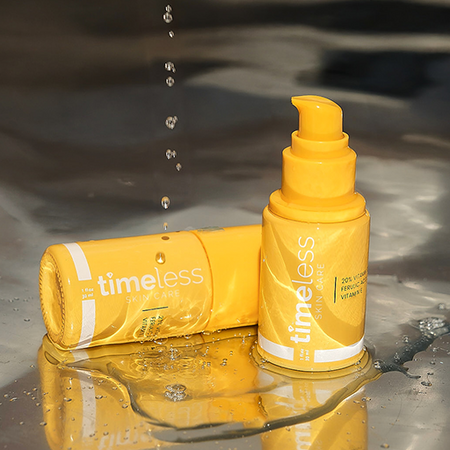
Vitamin C is one of the most widely used morning antioxidants. Morning use is common, but vitamin C can also be used at other times. When used in the morning, follow with broad-spectrum sunscreen. For this category, Timeless Skin Care offers the 20% Vitamin C + E Ferulic Acid Serum.
Formulations using L-ascorbic acid, a water-soluble antioxidant, are formulated at an acidic pH. L-ascorbic acid helps brighten the look of dullness and uneven tone.
If you use multiple serums in the morning, apply the thinnest water-based formula first, followed by slightly thicker formulas. In our hydration category, we offer Hyaluronic Acid 100% Pure. Humectants like hyaluronic acid fit naturally here. Hyaluronic acid helps attract, bind, and retain water in the outer layers of the skin. Hyaluronic acid helps improve the appearance of dehydration lines.
Step 4: Eye Cream (Optional)
The skin surrounding the eyes is thinner than the rest of the face. If you choose to include an eye treatment in your morning regimen, apply it after your serums and before your facial moisturizer. Use your ring finger to gently tap a small dot of product along the orbital bone, avoiding direct contact with the eyes.
Step 5: Lightweight Moisturizer
A morning moisturizer softens the skin and helps reduce transepidermal water loss (TEWL), the water that evaporates from the skin's surface.
Choose a texture that aligns with your skin type:
- Oily skin: A lightweight gel or fluid lotion provides hydration without a heavy feel.
- Normal or combination skin: A balanced, everyday lotion maintains surface comfort.
- Dry skin: A richer cream provides extra emollient support.
If your morning sunscreen is sufficiently moisturizing on its own, you can skip a separate moisturizer step to prevent heaviness under makeup.
Step 6: Broad-Spectrum Sunscreen (Non-Negotiable)
Sunscreen is the most critical step in any morning routine. Broad-spectrum sunscreen protects the skin from UVA rays, which contribute to visible signs of aging, and UVB rays, which cause sunburn.
Always select a broad-spectrum formula rated SPF 30 or higher. Apply a generous amount to your face, neck, and ears as the absolute final step of your morning skincare sequence, at least 15 minutes before sun exposure. Never layer other skincare products over your sunscreen, as doing so can dilute the protective film.
The Evening Skincare Routine Order
Your nighttime routine focuses on thorough cleansing, hydration, and targeted cosmetic care. While you rest, your skin is shielded from daytime environmental factors, making the evening suitable for richer hydrators and specialized active ingredients.
Step 1: First Cleanse (Makeup and Sunscreen Removal)
Throughout the day, long-wear makeup, water-resistant sunscreen, and airborne pollutants accumulate on your face. A single water-based wash may not fully dissolve stubborn oil-based residues.
Double cleansing starts with an oil-based cleanser, cleansing balm, or micellar water applied to dry skin. Gently massage the product over your face to break down makeup and sunscreen. Emulsify with a splash of lukewarm water, then rinse away.
Step 2: Second Cleanse (Water-Based Face Wash)
Follow your first cleanse with a gentle water-based cleanser. This step lifts away remaining impurities, sweat, and residual oil, leaving your skin clean and ready for nighttime serums and creams.
Step 3: Exfoliant (1 to 3 Times Weekly)
Exfoliation removes built-up dead skin cells from the skin surface, improving the appearance of rough texture and uneven tone.
Chemical exfoliants fall into three general categories:
- Alpha Hydroxy Acids (AHAs): Glycolic and lactic acids help loosen surface dead skin cells to reveal a smoother-looking surface.
- Beta Hydroxy Acids (BHAs): Salicylic acid is oil-soluble and helps clarify congested pores.
- Polyhydroxy Acids (PHAs): Their larger molecular size can support gentle surface refinement.
Exfoliate one to three evenings per week, depending on the formula and your skin's response. Over-exfoliating can compromise the skin barrier, leading to visible redness and sensitivity.
Step 4: Targeted Night Serums
Nighttime is a suitable opportunity to introduce targeted ingredients such as peptides, CoQ10, and vitamin B5.
Our antioxidant category includes the Coenzyme Q10 Serum. Coenzyme Q10 is a lipid-soluble antioxidant naturally found in the skin. Ubiquinone provides antioxidant support as the skin's natural CoQ10 levels decline with age. It helps improve the appearance of fine lines. It supports firmer-looking skin. CoQ10 is generally used once daily. If you have vitiligo, check with your dermatologist before using a CoQ10 product.
Peptides are short chains of amino acids. Peptides may help support the appearance of firmness.
Vitamin B5, also known in skincare formulations as calcium pantothenate, supports the skin barrier and helps the skin retain moisture. It helps the skin feel more comfortable.
If you choose to use topical retinoids, apply them during this serum step on clean, completely dry skin. If your skin is prone to sensitivity, you can buffer retinoids by applying them after a light layer of moisturizer.
Step 5: Eye Cream
Applying an eye cream at night helps keep the delicate eye area comfortable and supple. Look for formulas designed to support moisture retention around the eye contour.
Step 6: Night Moisturizer or Cream
Your nighttime moisturizer can be richer than your daytime formula. A well-formulated night cream helps reduce transepidermal water loss (TEWL), the water that evaporates from the skin's surface during sleep. Look for ingredients like ceramides, fatty acids, squalane, and glycerin to maintain barrier comfort overnight.
Step 7: Facial Oil (Optional)
If your skin is exceptionally dry or exposed to dry indoor heating, you can finish your evening routine with two to three drops of facial oil. Because oils are occlusive, patting them over your moisturizer helps reduce moisture loss throughout the night.
Note: Individual reactions to skincare ingredients vary. Anyone with known sensitivities or diagnosed skin conditions should check with their dermatologist when introducing new active steps.
How to Layer Multiple Serums Without Conflicts
Many people use more than one serum to address different skin concerns. Layering multiple serums is possible, but following a few clear guidelines can support comfortable application and consistent layering.
1. The Rule of Viscosity
When combining multiple serums, generally apply the thinnest, most watery formula first. Allow it to settle before applying the next, slightly thicker product. For example, a fluid water-based antioxidant serum goes on before a gel-like hyaluronic acid formula.
2. Water Before Oil
Water-based products generally apply more smoothly before oil-based or anhydrous treatments.
3. pH Sensitivity
Certain ingredients, like pure L-ascorbic acid, are used in acidic formulations. Low-pH products are generally applied to freshly cleansed, dry skin before neutral-pH serums like peptide solutions or humectant hydrators.
4. Alternating Routines
You do not need to use every active ingredient in a single routine. If you want to use multiple potent ingredients, such as vitamin C, exfoliating acids, and retinoids, separate them by time of day or alternate them by night:
- Morning: Use antioxidant serums and broad-spectrum sunscreen.
- Evening A: Use exfoliating acids followed by a hydrating moisturizer.
- Evening B: Use a peptide serum and a nourishing night cream.
- Evening C: Use a retinoid product followed by barrier support.
Rotating treatments gives your skin time to rest and may help limit the chance of cosmetic irritation.
Realistic Expectations: Consistency and Timeline
Skincare is a long-term practice, and visible cosmetic changes may develop gradually.
The outer layer of human skin naturally turns over, and this process slows down as we age. Because cosmetic changes depend in part on this natural cycle, consistency can be more useful than using a large number of products at once.
When introducing a new routine or adding a new active ingredient:
- Give new formulas consistent use before evaluating their visible effect on skin tone and texture.
- Introduce one new product at a time so you can monitor how your skin responds before introducing another formula.
- Focus on daily habits: consistent cleansing, regular hydration, and daily broad-spectrum sun protection form the foundation of a consistent routine.
Results vary significantly based on genetics, climate, lifestyle, and individual skin biology. A simple routine followed consistently may be easier to maintain than an elaborate routine used sporadically.
Frequently Asked Questions
How long should I wait between skincare steps?
You do not need to wait a specific amount of time between most routine steps. In general, a brief pause allows each liquid or serum to settle so the next layer applies smoothly without pilling. The main step that benefits from a pause is sunscreen: allow your moisturizer to dry down before applying broad-spectrum sunscreen, and let your sunscreen set for 15 minutes before heading outdoors or applying makeup.
Can I skip toner and eye cream in my routine?
Yes. A cleanser, moisturizer, and broad-spectrum sunscreen are common core steps in a skincare routine. Toners, essences, eye creams, and facial oils are optional additions. If your facial moisturizer is gentle, fragrance-free, and sufficiently hydrating, it can often be applied around the orbital bone in place of a separate eye cream. Customize your routine to suit your schedule and skin needs.
Should I apply hyaluronic acid to wet or dry skin?
Hyaluronic acid is a humectant, not a moisturizer. Hyaluronic acid helps attract, bind, and retain water in the outer layers of the skin. Hyaluronic acid helps improve the appearance of dehydration lines. Applying a hyaluronic acid serum to slightly damp skin is a common routine choice. Follow with a moisturizer. A moisturizer helps reduce moisture loss from the surface.
What is the difference between my morning and night skincare order?
The primary difference is the final step: morning routines conclude with a broad-spectrum sunscreen to defend against UV exposure, while evening routines conclude with a moisturizer or night cream to support the skin barrier overnight. Morning routines emphasize light antioxidant support, while evening routines can include makeup removal, chemical exfoliation, and targeted nightly treatments.