Introduction
Standing in front of a bathroom vanity lined with bottles can feel overwhelming. Serums, toners, creams, and oils all promise visible improvements, but using them in the wrong sequence may make layering less effective. When formulas are applied out of order, heavy textures can make it harder to layer lighter liquids smoothly.
Skincare layering follows basic rules of chemistry and texture. The goal is straightforward: allow each product to apply smoothly so your routine works together. Whether you follow a minimal three-step plan or prefer a comprehensive regimen, getting the order right helps you use each ingredient as intended.
Quick Answer: Apply skincare from the thinnest consistency to the thickest consistency. Water-based formulas typically come before oil-based formulas, and daily broad-spectrum sunscreen is always the final step of your morning routine.
The Core Principles of Product Layering
Before breaking down morning and evening steps, it helps to understand why sequence matters. The skin barrier serves as a protective shield. Skincare products must navigate this outer surface based on their formulation weight and base ingredients.
1. Consistency: Thin to Thick
Lighter liquids absorb quickly into the surface. Dense creams take longer to settle. If you spread a heavy cream across your face first, a watery serum applied on top may not layer smoothly. As a rule, fluid products like watery essences and thin serums go on bare, clean skin. Viscous lotions, rich creams, and face oils follow after.
2. Base Composition: Water Before Oil
Water and oil do not mix easily. Water-based solutions absorb quickly into the upper epidermis. Oil-based formulas create an emollient layer on the surface. Applying an oil or heavy balm before a water-based active can interfere with smooth layering. Layer aqueous serums first, then finish with oil-rich moisturizers.
3. pH and Formulation Stability
Certain active ingredients require specific acidic environments to remain stable. For example, L-ascorbic acid functions best in a low-pH environment. Applying high-pH products immediately before or alongside low-pH serums may alter their performance. Allow acidic formulas to settle before applying neutral moisturizers.


Morning Skincare Routine Order
Morning skincare centers on hydration, environmental defense, and daytime protection. Your skin faces daytime exposure to sunlight, particulate matter, and dry air.
-
CleanserWashing your face in the morning clears away sweat, excess sebum, and overnight residue. A gentle, non-stripping cleanser refreshes the skin surface and may help avoid dryness. Those with very dry skin may prefer a quick rinse with lukewarm water.
-
Toner or Facial MistModern toners provide light surface hydration and help prepare the skin for subsequent serums. Sweep an alcohol-free liquid over your face with a cotton pad or pat it directly into the skin with clean hands.
-
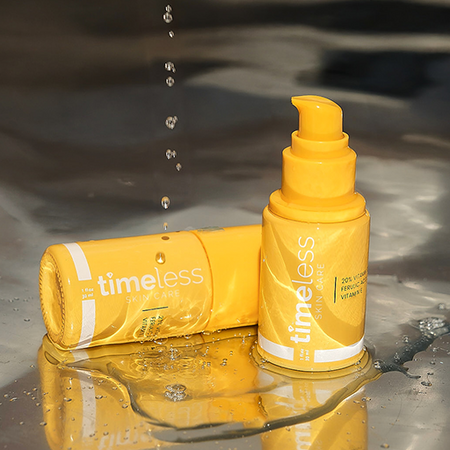
Antioxidant SerumsAn antioxidant serum supports the skin's antioxidant defenses during the day. Water-soluble serums apply smoothly at this step. Timeless Skin Care offers 20% Vitamin C + E Ferulic Acid Serum in its Vitamin C category.
-
Hydrating Serums and PeptidesAfter your primary antioxidant absorbs, layer your hydrating formulas. Ingredients like hyaluronic acid work well here. Sodium hyaluronate is the sodium salt of hyaluronic acid, and it helps attract, bind, and retain water in the outer layers of the skin. Peptide serums also fit into this treatment stage.
-
Eye CreamThe delicate skin around the orbital bone benefits from targeted formulas. Dab a small amount along the orbital bone using your ring finger before spreading your overall facial cream.
-
Daily MoisturizerA daytime moisturizer helps reduce transepidermal water loss (TEWL), the water that evaporates from the skin's surface. Choose a lightweight lotion or gel cream that creates a smooth finish for the day.
-
Broad-Spectrum SunscreenSunscreen is the non-negotiable final step of every morning regimen. Apply a generous amount of broad-spectrum sunscreen with an SPF rating of 30 or higher across your face, neck, and ears. Allow it to set completely before applying any makeup.
Evening Skincare Routine Order
The evening sequence focuses on thorough cleansing, targeted treatments, and moisture replenishment.
-
First Cleanse (Makeup and Sunscreen Removal)An oil-based cleanser, micellar water, or cleansing balm dissolves long-wear makeup, waterproof sunscreen, and excess surface oils accumulated throughout the day.
-
Second Cleanse (Water-Based Wash)Follow with a gentle foaming, gel, or cream cleanser. This step clears away any remaining cleansing residue and water-based impurities, leaving the surface thoroughly clean.
-
Exfoliant (2 to 3 Times Weekly)Chemical exfoliants containing alpha hydroxy acids or beta hydroxy acids remove dead surface cells. Applying an exfoliant after cleansing helps smooth rough texture. Limit use to a few nights per week to avoid over-exfoliation.
-
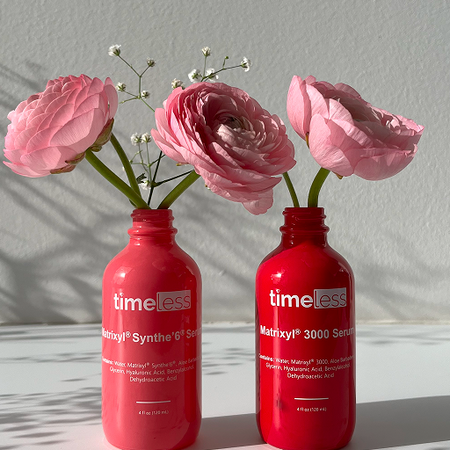
Targeted Serums and RetinoidsApply specialized formulas to clean, dry skin. Evening is suitable for retinoids, dedicated peptide solutions, and rich antioxidant blends. Timeless Skin Care features Matrixyl® 3000 Serum in its peptide category.
-
Eye TreatmentThe eye area has fewer oil glands than the rest of the face. In this step, Timeless Skin Care offers Dark Circle Peptide Complex Eye Cream within its eye care category.
-
Night Moisturizer or CreamEvening moisturizers are often richer than daytime formulas. They deliver emollients and humectants to support the barrier overnight while you sleep.
-
Facial Oil (Optional)If your skin tends toward extreme dryness, patting a few drops of facial oil over your moisturizer helps reduce moisture loss throughout the night.
Skincare Layering Guide by Category
The table below outlines common skincare categories, their ideal routine placement, and their formulation base.
| Step Category | Primary Function | Ideal Routine Time | Base Type |
|---|---|---|---|
| Cleanser | Clears surface debris and excess sebum | AM and PM | Water or Oil |
| Toner / Mist | Preps skin and delivers initial hydration | AM and PM | Water |
| Vitamin C | Supports the skin's antioxidant defenses | AM (or PM) | Water |
| Peptides | May help support the appearance of firmness | AM and PM | Water |
| Retinoid | Improves the appearance of fine lines | PM only | Water, Emulsion, or Oil |
| Moisturizer | Helps reduce transepidermal water loss (TEWL) | AM and PM | Emulsion |
| Sunscreen | Final morning step | AM only | Emulsion |
Understanding Skincare Ingredients and How They Work
Different ingredients interact with the skin barrier in distinct ways. Knowing how these ingredients behave helps you place them properly in your daily lineup.
Vitamin C (L-Ascorbic Acid)
L-ascorbic acid is a water-soluble antioxidant and the most researched form of vitamin C. In cosmetic formulations, it helps defend against oxidative stress caused by environmental factors such as UV exposure and pollution. It also helps brighten the look of dullness and uneven tone.
Formulation pH, overall stability, and protective packaging play major roles in how well an ascorbic acid product works. L-ascorbic acid is sensitive to air, light, and heat, so oxidation can happen gradually over time. An oxidized serum loses potency and may increase the likelihood of irritation for some people. Morning use is the most common recommendation. Morning use should always be paired with broad-spectrum sunscreen. Vitamin C can also be used in the evening.
Hyaluronic Acid and Humectants
Hyaluronic acid is a humectant, not a moisturizer. It helps support hydration in the upper layers of the epidermis and helps improve the appearance of dehydration lines.
Different molecular sizes exist across formulations. Hydrolyzed hyaluronic acid is hyaluronic acid broken into smaller fragments that may penetrate slightly further into the outer layers of the skin. Apply it to slightly damp skin and follow promptly with a cream that helps reduce moisture loss.
Coenzyme Q10 (Ubiquinone)
Coenzyme Q10 is a lipid-soluble antioxidant naturally found in skin. CoQ10 provides antioxidant support as the skin's natural CoQ10 levels decline with age. It helps improve the appearance of fine lines. It supports firmer-looking skin.
CoQ10 is generally used once daily in either the morning or evening routine. Avoid applying CoQ10 products to the delicate area directly under the eyes. If you have vitiligo, check with your dermatologist before using a CoQ10 product.
Vitamin B5
Vitamin B5, often formulated as calcium pantothenate in gentle solutions, supports the skin barrier and helps the skin retain moisture. It helps the skin feel more comfortable, making it a reliable ingredient to layer alongside active treatments.
Peptides
Peptides are short chains of amino acids. In topical formulations like palmitoyl tripeptide-1 and palmitoyl tetrapeptide-7, peptides may help support the appearance of firmness. Because peptide serums are generally formulated in light, water-based solutions, they layer comfortably beneath heavier moisturizing lotions.
Managing Active Ingredients and Managing Expectations
Layering multiple concentrated ingredients requires care. Using too many strong products in a single session can overwhelm the skin barrier.
Key Takeaway: Keep your routine simple. Layering two complementary serums is generally sufficient for one session. Rotate stronger exfoliating acids and retinoids on alternate evenings.
Avoiding Ingredient Overload
Combining multiple potent formulas at the same time does not accelerate cosmetic progress. In fact, layering multiple exfoliating acids, strong retinoids, and high-strength vitamin C simultaneously can lead to flaking, redness, and discomfort.
If you wish to use both vitamin C and a retinoid, apply vitamin C in the morning alongside broad-spectrum sunscreen and reserve your retinoid for nighttime use. When introducing chemical exfoliants, limit their use to two or three evenings per week rather than applying them every day.
Individual skin reactions vary widely. Anyone with a known sensitivity, chronic reactivity, or a diagnosed skin condition should check with their dermatologist before introducing new concentrated formulas.
Realistic Expectations for Cosmetic Results
Skincare delivers subtle, progressive visual changes over time rather than instant transformations. While humectants provide immediate surface hydration to help improve the appearance of dehydration lines, visible changes in tone, texture, and firmness require consistent application over time.
Skin cell turnover is a continuous, gradual cycle. Allow consistent daily use of a balanced routine before evaluating whether a product fits your personal goals.
Frequently Asked Questions
How long should I wait between applying each skincare product?
Most daily skincare products do not require long waiting intervals. In general, you only need to wait a few moments until the product absorbs and your skin feels dry to the touch before moving to the next step. However, allowing low-pH formulas like L-ascorbic acid serums or exfoliating acids a minute or two to settle can help ensure even distribution before applying thicker creams. Sunscreen should always be allowed to set for a few minutes before applying foundation or powder.
Can I mix my serum directly into my moisturizer to save time?
It is generally better to apply serums and moisturizers in separate layers. Mixing them together in your palm can disrupt the stability, preservative balance, and delivery vehicle of both formulas. Serums are generally lightweight formulas, while moisturizers are formulated with emollients and occlusives to help reduce moisture loss. Applying them individually in the correct order helps each product perform as intended.
Does broad-spectrum sunscreen always have to be the last step?
Yes, sunscreen must always be the final step of your morning skincare routine. Sunscreen works by forming a uniform protective film over the surface of your skin to neutralize and block UV rays. If you apply a serum, oil, or moisturizer on top of your sunscreen, you dilute the formula and disrupt that continuous protective film, lowering its protective capability.
What should I do if my skincare products start pilling?
Pilling happens when products ball up into tiny flakes on the skin instead of absorbing smoothly. This issue often occurs when you apply products too quickly, use incompatible formulations such as layering heavy silicone-based formulas directly over water-based gels, or apply too much product at once. To prevent pilling, reduce the amount of product you apply, allow each layer a moment to absorb fully, and ensure you are layering from thinnest water-based products to thicker creams.