Introduction
Building an effective daily regimen often comes down to product placement. You might own high-quality formulas, but applying them in the wrong sequence can affect how they sit on the skin.
Quick Answer: Apply your skincare products from thinnest consistency to thickest texture. Start with lightweight, water-based solutions right after cleansing, follow with richer treatments and moisturizers, and always finish your morning routine with broad-spectrum sunscreen.
The fundamental goal of layering is straightforward. You want water-soluble actives to contact clean skin first so they can settle into the surface without interference. Emollients, rich creams, and facial oils come later to soften the skin.
Timeless Skin Care was founded in 2009 by Veronica Pedersen with a focus on simple, active-focused formulations made in the USA in small batches.
The Core Principles of Product Layering
Before breaking down morning and evening routines, it helps to understand why certain products go before others. Cosmetic chemists design formulas with distinct molecular weights, base carriers, and viscosity levels. The ingredient glossary provides additional information about common skincare ingredients.
The Thin-to-Thick Rule
The universal standard in skincare layering is moving from the most fluid texture to the densest cream.
Water-based formulas have a light, liquid consistency and often absorb quickly into the upper layers of the epidermis. If you apply a dense, buttery cream first, its lipid content forms an emollient film over the surface. Any water-based toner or serum applied on top may pool over that layer rather than making direct contact with the skin.
Water-Based Before Oil-Based
Skincare products generally fall into two broad carrier categories: water-based or oil-based.
Oil and water naturally repel each other. Applying a facial oil before a water-soluble active may make it harder for the water-based product to spread evenly across the skin. By applying water-rich solutions first, your skin absorbs the hydration before you introduce lipid-rich emollients to soften the texture.
Realistic Expectations for Visible Changes
Cosmetic improvements require patience and regular application. While humectants provide immediate surface hydration, products targeting uneven tone or fine lines require consistent use over weeks.
Individual results vary based on skin type, climate, age, and genetics. Give any new routine several weeks of steady use before deciding whether a formula supports your personal skincare goals.


Your Morning Skincare Routine Order
Daytime skincare focuses on hydration and sunscreen. Your morning lineup should support the skin barrier.
Key Takeaway: Morning skincare is all about environmental defense and surface hydration. Layer light antioxidant serums under your daily moisturizer and finish with a generous application of broad-spectrum SPF.
- Cleanse with a Gentle Cleanser.
- Apply Hydrating Toner or Facial Mist.
- Apply Antioxidant or Vitamin C Serum.
- Apply Peptides or Hydrating Serums.
- Apply Eye Cream.
- Apply Moisturizer.
- Finish with Broad-Spectrum Sunscreen.
Step 1: Gentle Cleanser
Washing your face in the morning clears away dead skin cells, excess sebum, and residual evening products. Use lukewarm water and a mild, non-stripping cleanser. If you have dry skin, a quick splash of lukewarm water may be sufficient.
Step 2: Toner or Essence (Optional)
A hydrating toner or essence prepares the skin for subsequent serums. Modern toners are designed to hydrate rather than strip the skin with harsh alcohols. Patting a liquid essence onto slightly damp skin helps support hydration in the upper layers of the epidermis.
Step 3: Vitamin C and Antioxidants
Antioxidant serums are central to daytime care. An antioxidant serum helps defend against oxidative stress caused by environmental factors such as UV exposure and pollution.
Vitamin C is a topical antioxidant. In cosmetics, it helps brighten the look of dullness and uneven tone. L-ascorbic acid is the most researched form of vitamin C, but it is not automatically the best form. Its performance depends on formulation balance, packaging, and an acidic pH level. Over time, vitamin C formulations undergo gradual oxidation, which reduces product potency and may increase the likelihood of irritation for some individuals.
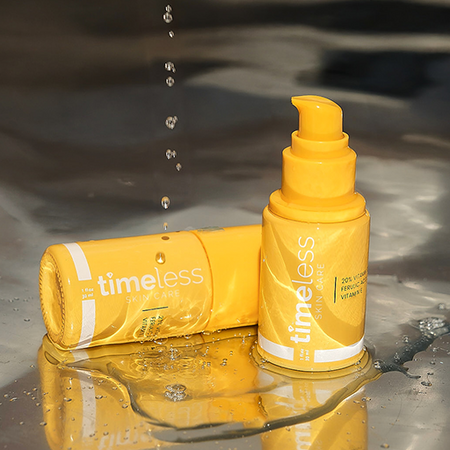
Our 20% Vitamin C + E Ferulic Acid Serum represents our offering in the vitamin C category.
Step 4: Hydrating and Peptide Serums
Once your antioxidant serum settles, apply hydrating serums containing humectants or peptides.
Hyaluronic acid is a humectant, not a moisturizer. It helps attract, bind, and retain water in the outer layers of the skin. It helps improve the appearance of dehydration lines.
Peptides are short chains of amino acids that may help support the appearance of firmness across areas showing early signs of aging.
Our Hyaluronic Acid 100% Pure belongs to our hydration category.
Step 5: Eye Cream
The skin surrounding the orbital area is thin and displays visible fatigue quickly. Dabbing a modest amount of eye cream around the orbital bone hydrates the contour and preps the area for concealer or makeup.
Step 6: Moisturizer
A daily moisturizer supplies emollients that soften the skin surface while supporting comfortable hydration levels. Vitamin B5 supports the skin barrier and helps the skin retain moisture. Vitamin B5 helps the skin feel more comfortable.
A moisturizer helps reduce transepidermal water loss (TEWL), the water that evaporates from the skin's surface.
Step 7: Broad-Spectrum Sunscreen
Daily sunscreen application is an absolute necessity for every skincare routine. Broad-spectrum SPF protects the skin from UVA and UVB radiation. UV rays reach your skin even on overcast days and through standard window glass.
Apply a generous layer of broad-spectrum SPF 30 or higher as the final step of your skincare routine every morning. Wait a few minutes for the sunscreen to set before applying makeup.
Your Evening Skincare Routine Order
Your nighttime regimen allows you to focus on thorough cleansing, targeted treatments, and richer hydration. At night, you do not need to apply sunscreen, making it a useful time for specialized ingredients.
- Remove Makeup and Sunscreen (First Cleanse).
- Wash Face (Water-Based Second Cleanse).
- Exfoliate (1 to 3 Times Weekly).
- Apply Targeted Treatments and Serums.
- Apply Eye Cream.
- Apply Night Cream or Rich Moisturizer.
- Apply Facial Oil (Optional).
Step 1 and Step 2: The Double Cleanse
Thorough cleansing at night ensures your skin is free of cosmetic pigments, airborne grime, and water-resistant sunscreen filters.
- First Cleanse: Use an oil cleanser, cleansing balm, or micellar water on dry skin to dissolve long-wear makeup and water-resistant sunscreens.
- Second Cleanse: Follow with a gentle, water-based foaming or gel cleanser to remove residual debris and sweat. Rinse thoroughly with lukewarm water.
Step 3: Chemical Exfoliants (Optional)
Exfoliating acids, such as alpha hydroxy acids (glycolic or lactic acid) or beta hydroxy acids (salicylic acid), remove built-up dead surface cells. Using an exfoliant two to three nights per week reveals a smoother-looking texture. Avoid using strong chemical exfoliants on the same night you apply other potent actives to minimize the chance of surface irritation.
Step 4: Targeted Serums and CoQ10
Nighttime is ideal for concentrated treatment formulas. You can layer multiple serums by applying the lightest formula first and waiting roughly sixty seconds between steps.
Ubiquinone, known as CoQ10, is a lipid-soluble antioxidant naturally found in skin tissue. CoQ10 provides antioxidant support as the skin's natural CoQ10 levels decline with age. It helps improve the appearance of fine lines and supports firmer-looking skin. CoQ10 is generally used once daily.
If you have vitiligo, check with your dermatologist before using a CoQ10 product. Never apply CoQ10 products directly under or around the delicate eye area.
Our Coenzyme Q10 Serum serves as our dedicated offering within the antioxidant category.
Step 5: Eye Cream
Dot a small amount of eye cream along the orbital bone using your ring finger. Evening eye creams help smooth the look of fine lines and hydrate the delicate tissue overnight.
Step 6: Night Moisturizer
Evening moisturizers often have a richer texture than daytime lotions. Applying a nourishing cream before bed helps reduce transepidermal water loss (TEWL), the water that evaporates from the skin's surface while you sleep.
Step 7: Facial Oil (Optional)
If your skin feels dry, patting two to three drops of face oil over your night cream provides an extra layer of comfort. A facial oil helps reduce moisture loss during dry winter months or in air-conditioned bedrooms.
How to Layer Multiple Serums Effectively
Many people use more than one serum to address different cosmetic goals. Layering serums is completely fine as long as you follow consistent texture principles and avoid overloading your skin.
Note: When layering multiple serums in one session, limit yourself to two or three targeted products. Using too many concentrated products simultaneously increases the likelihood of product pilling or unexpected surface sensitivity.
| Serum Type | Primary Ingredient Focus | Recommended Consistency | Ideal Routine Step |
|---|---|---|---|
| Antioxidant | L-Ascorbic Acid / Vitamin C | Water-light liquid | AM: Direct to clean skin |
| Hydrator | Hyaluronic Acid / Sodium Hyaluronate | Fluid gel | AM & PM: After light actives |
| Firming | Matrixyl Peptides | Lightweight viscous fluid | AM & PM: Mid-routine |
| Barrier Support | Vitamin B5 / Calcium Pantothenate | Smooth liquid gel | AM & PM: Before moisturizer |
| Lipid Antioxidant | Coenzyme Q10 (Ubiquinone) | Milky emulsion | PM: Before heavy creams |
Managing Ingredient Compatibility
You do not need to apply every active ingredient at the same time. Spacing out your ingredients creates a balanced routine that minimizes friction on the skin:
- Use vitamin C formulations during your morning or evening routine. Morning use is the most common recommendation, but it is not the only option. Pair morning use with broad-spectrum sunscreen. Vitamin C supports the skin's antioxidant defenses.
- Reserve strong exfoliating acids or intensive night serums for your evening routine.
- Hydrating humectants like hyaluronic acid integrate easily into both morning and evening routines.
Individual reactions vary across different skin profiles. Anyone with a known sensitivity or diagnosed skin condition should check with their dermatologist before introducing new concentrated products.
Frequently Asked Questions
How long should I wait between skincare steps?
Most products do not require extended waiting periods. You can move to your next product as soon as the previous layer feels mostly absorbed and no longer tacky, which usually takes thirty to sixty seconds. The main exception is sunscreen, which should sit for a few minutes to form an even protective layer before you apply cosmetics over it.
Can I apply serum directly after washing my face?
Yes, water-based serums can be applied directly to clean skin. For humectants such as hyaluronic acid, apply the serum to skin that is slightly damp from cleansing or a facial mist. Hyaluronic acid helps attract, bind, and retain water in the outer layers of the skin.
What should I do if my skincare products start pilling?
Pilling happens when products ball up into tiny flakes on the skin instead of absorbing. This usually occurs when you apply too much product, layer an oil-based formula underneath a water-based one, or use formulas containing heavy silicones back-to-back. Reduce the amount of product you use and allow each layer to settle before applying the next.
Does moisturizer always have to go before sunscreen?
Yes, daily sunscreen must always be the final step of your morning skincare routine. Sunscreen works by forming a uniform protective shield over the outer layer of your skin. Applying moisturizers or facial oils over your sunscreen disrupts this barrier and reduces the protection you receive from UV rays.