Introduction
Building a daily skincare regimen is exciting, but figuring out which bottle comes first can quickly feel confusing. You might have a gentle cleanser, a couple of targeted serums, an eye cream, and a rich moisturizer sitting on your vanity. If you apply them in the wrong sequence, you risk reducing their cosmetic benefits or creating product buildup.
Quick Answer: Skincare products are generally applied from the thinnest consistency to the thickest consistency. Water-based formulas go on before oil-based formulas, and broad-spectrum sunscreen is always your final step in the morning.
How you arrange your routine affects how formulas interact on the surface of your skin. A clear structure helps you get the most out of your daily routine. Founded in 2009 by Veronica Pedersen, Timeless Skin Care emphasizes simple, active-focused formulas made in the USA in small batches. Knowing how to layer your formulas helps keep your skincare regimen practical, comfortable, and easy to maintain every single day.
The Core Rule of Skincare Layering: Thinnest to Thickest
The most reliable rule for layering skincare is simple: apply your lightest, most watery textures first and finish with your heaviest, most occlusive creams or oils.
Water-based serums and essences have light textures designed to spread easily over clean skin. If you apply a rich cream or a facial oil first, it leaves an emollient layer on the surface. A thin, water-based serum applied over that barrier will sit on top and struggle to reach the skin.
| Texture Category | Example Products | Placement Order |
|---|---|---|
| Water-like Liquids | Cleansers, toners, essences, watery mists | Step 1 (Prep) |
| Light Gels and Serums | Hydrating serums, antioxidant treatments | Step 2 (Target) |
| Emulsions and Lotions | Lightweight lotions, eye creams | Step 3 (Nourish) |
| Creams and Balms | Daily moisturizers, rich night creams | Step 4 (Moisturize) |
| Oils and Sunscreen | Facial oils (PM), broad-spectrum SPF (AM) | Step 5 (Final) |
Understanding ingredient categories also clarifies the layering order. Hyaluronic acid helps attract, bind, and retain water in the outer layers of the skin. Once humectants are in place, moisturizers containing emollients and occlusives step in. A good moisturizer helps reduce transepidermal water loss (TEWL), the water that evaporates from the skin's surface. Layering from thin to thick respects this natural balance.


Your Morning Skincare Routine Step by Step
A daytime skincare routine focuses on surface hydration and daily defense against daytime environmental exposure. Your morning sequence should follow this standard order:
- Cleanse with lukewarm water or a gentle face wash.
- Apply a balancing toner or hydrating mist if desired.
- Smooth on your daytime antioxidant serum.
- Layer a hydrating serum if your skin needs extra water support.
- Dab on your preferred eye cream.
- Apply your daily facial moisturizer.
- Finish with a broad-spectrum sunscreen with SPF 30 or higher.
Step 1: Cleanser
Cleansing in the morning removes overnight oil accumulation, sweat, and residual nighttime products. If your skin is dry, a splash of lukewarm water may be sufficient. If you lean toward oily skin, a gentle, water-based cleanser leaves the skin clean without feeling tight.
Step 2: Toner or Essence
Toners and essences prepare the skin for treatment steps. Modern toners are alcohol-free fluids that help the skin feel more comfortable. Pat these liquid textures gently over your face using your hands or a soft cotton pad.
Step 3: Antioxidant Treatment
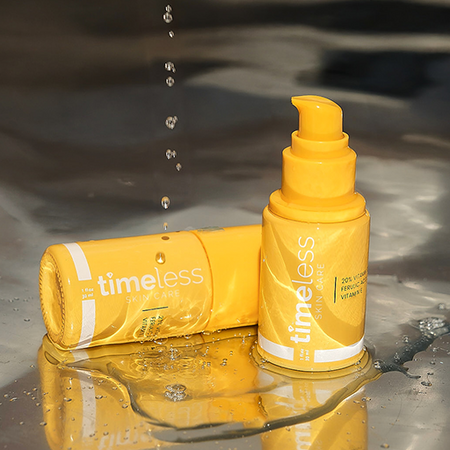
Antioxidants are commonly used in morning routines. An antioxidant serum helps defend against oxidative stress caused by environmental factors such as UV exposure and pollution. Applying an antioxidant like vitamin C in the morning helps brighten the look of dullness and uneven tone. For this category, Timeless Skin Care offers the 20% Vitamin C + E Ferulic Acid Serum.
Step 4: Hydrating Serum
If your routine includes targeted hydration, apply it right after your antioxidant step. Hyaluronic acid helps support hydration in the upper layers of the epidermis. Sodium hyaluronate is the sodium salt of hyaluronic acid. For those shopping the hydration category, see Hyaluronic Acid 100% Pure.
Step 5: Eye Cream
The skin around the eyes is delicate. Gently dab a small amount of eye cream along the orbital bone using your ring finger. Applying eye cream before your all-over moisturizer ensures the lightweight formula absorbs evenly without having to compete with thicker face creams.
Step 6: Moisturizer
A daytime moisturizer helps reduce moisture loss while keeping the surface smooth. Select a lightweight lotion if you wear makeup or have oily skin, or pick a medium-weight cream if you deal with surface dryness.
Step 7: Sunscreen
Sunscreen is a non-negotiable step every single morning. Broad-spectrum sunscreen protects against ultraviolet radiation that causes visible signs of aging and skin damage. Always apply sunscreen as the final step of your morning routine, 15 minutes before stepping outside. Never mix your sunscreen directly into your moisturizer, as diluting the formula reduces its protective capability.
Key Takeaway: Morning routines prioritize daily defense. Let your antioxidant serum absorb fully before layering moisturizer, and always complete your morning routine with a generous layer of broad-spectrum sunscreen.
Your Evening Skincare Routine Step by Step
Nighttime is the ideal opportunity to reset the skin and apply richer textures or targeted active ingredients. Follow this step-by-step evening sequence:
- Remove makeup and surface grime with an oil cleanser or micellar water.
- Cleanse thoroughly with a water-based face wash.
- Exfoliate two to three times per week.
- Apply targeted treatment serums or peptides.
- Apply eye cream.
- Massage in a nourishing night moisturizer.
- Pat on a facial oil if your skin requires extra comfort.
Step 1 and 2: Double Cleansing
Double cleansing ensures clean skin at the end of the day. Start with an oil-based cleanser or cleansing balm on dry skin to break down makeup, stubborn SPF, and excess sebum. Follow immediately with a gentle water-based cleanser to rinse away any remaining residue.
Step 3: Exfoliation
Chemical exfoliants, such as alpha hydroxy acids or beta hydroxy acids, clear away built-up dead surface cells. Limit exfoliating products to two or three evenings per week. Avoid using strong exfoliating acids on the exact same evening you use retinoids to minimize potential irritation.
Step 4: Evening Serums and Peptides
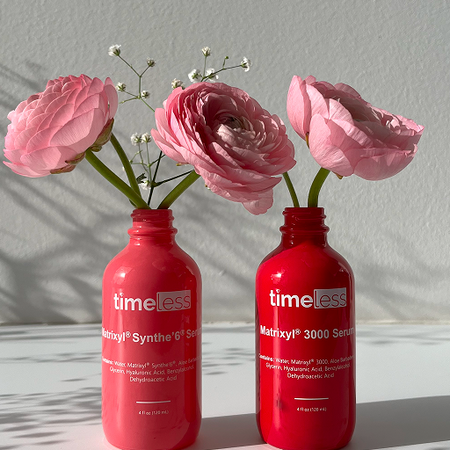
Your evening serum step addresses specific cosmetic concerns like elasticity, texture, or fine lines. Peptides may help support the appearance of firmness. For the peptide category, see Matrixyl® 3000 Serum. If you use retinol or prescription retinoids, apply them during this treatment phase onto dry skin.
Step 5: Eye Cream
Repeat your eye care step in the evening to keep the orbital area moisturized overnight. Tap a small amount around the eye contour, avoiding direct contact with the eyes.
Step 6: Moisturizer
Night moisturizers are often richer than daytime formulas. A good night cream helps reduce moisture loss while you sleep. Smooth the cream over your face, neck, and chest in gentle upward motions.
Step 7: Facial Oil
If you experience dry skin or live in an arid climate, a facial oil can be a final step in the evening. Facial oils sit on top of creams to add an extra layer of comfort. Press a few drops into the skin rather than rubbing vigorously.
How to Layer Multiple Serums and Active Ingredients
Many people choose to use more than one serum in their daily routine. Layering multiple treatments is easy when you follow viscosity rules and understand how ingredients interact. For additional guidance, see how to layer multiple serums.
The Rule for Multiple Serums
When using two or more serums in the same routine, always apply the thinnest, most watery texture first. Allow it to settle for thirty to sixty seconds until it feels absorbed, then apply the slightly thicker or more gel-like serum.
If you use a humectant and an antioxidant in the same routine, apply the watery antioxidant first, followed by the hydrating serum. This allows the lightweight active formula direct contact with clean skin, while the humectant helps attract, bind, and retain water in the outer layers of the skin.
Working with Specialty Ingredients
Different active ingredients serve different cosmetic functions. Pairing them wisely keeps your routine balanced:
- Vitamin C: Vitamin C is commonly used in the morning because it helps neutralize free radicals generated by UV exposure. When used in the morning, pair it with broad-spectrum sunscreen. When formulated as L-ascorbic acid, it requires an acidic environment, so apply it directly after cleansing.
- Coenzyme Q10: Ubiquinone is a lipid-soluble antioxidant naturally found in skin. CoQ10 is generally used once daily. It provides antioxidant support as the skin's natural CoQ10 levels decline with age. It supports firmer-looking skin. It helps improve the appearance of fine lines. If you have vitiligo, check with your dermatologist before using a CoQ10 product.
- Vitamin B5: This ingredient supports the skin barrier and helps the skin retain moisture. It helps the skin feel more comfortable.
- Peptides: Peptides may help support the appearance of firmness.
Note: Individual reactions vary with every skincare formula. Anyone with a known sensitivity or diagnosed skin condition should check with their dermatologist before introducing new active combinations.
Managing Expectations and Routine Consistency
Cosmetic results take time. The outermost layer of your skin naturally sheds and renews over several weeks, meaning visible improvements in texture, tone, and hydration appear gradually.
When you introduce a new routine order, give your skin time to adjust. A hydrating formula can help improve the appearance of dehydration lines, but changes in surface radiance, firmness, and tone require consistent daily application over extended periods.
No single product transforms your complexion overnight. Switching products every few days makes it difficult to tell what is working. Stick to a simple, properly ordered routine for at least one to two months before making major changes. Consistency, gentle application, and daily sun protection remain the true foundations of long-term skin health.
Frequently Asked Questions
Do I need to wait between applying each skincare step?
You do not need to wait long periods between most steps. Water-based serums, toners, and moisturizers can be applied as soon as the previous layer feels mostly absorbed, usually within thirty to sixty seconds. However, you should allow your moisturizer to dry down completely before applying sunscreen so you do not dilute your sun protection.
Can I apply facial oil before my moisturizer?
Facial oils are generally applied after your moisturizer. Oils contain occlusive properties that sit on the surface of the skin. If you apply an oil first, a water-based moisturizer will struggle to penetrate through that oily layer. Applying oil as the final step in your evening routine helps reduce moisture loss.
What should I do if my skincare products start pilling?
Product pilling happens when formulas build up on the surface instead of absorbing properly. This often occurs when you apply products too quickly, use too much product, or mix heavy silicone-based formulas with water-based treatments. To prevent pilling, reduce the amount of product you use, apply from thinnest to thickest consistency, and gently pat layers into the skin rather than rubbing vigorously.
Do I have to do every single step in the morning and evening?
No, you do not need an elaborate seven-step routine every day. The essential steps are a cleanser, a moisturizer, and a daily broad-spectrum sunscreen in the morning, followed by a cleanser and moisturizer at night. Toners, essences, multiple serums, eye creams, and facial oils are optional additions that you can include based on your individual skincare preferences. For help organizing a routine, take the skincare quiz.