Introduction
Skincare routines can easily feel overwhelming when you look at a shelf full of bottles, tubes, and jars. You might know what each product is supposed to do on its own, but knowing when and how to layer them makes all the difference. Applying formulas in the wrong sequence may affect how they feel on your skin or leave your skin feeling heavy and greasy.
The core principle behind layering is simple. When you understand how textures layer, you can build an effective morning and nighttime regimen that fits your personal skin goals. Our skincare quiz can help guide routine-building decisions.
Founded in 2009 by Veronica Pedersen, Timeless Skin Care was built around clear educational guidance. In this guide, we break down a practical sequence for daytime and nighttime regimens, how to handle specialized serums, and why the right sequence matters for your skin. Learn more about Timeless Skin Care on our About page.
Quick Answer: Skincare products should generally be applied from the thinnest consistency to the thickest consistency. Cleanse first, follow with water-based toners and serums, apply your moisturizer, and finish with a broad-spectrum sunscreen every morning.
The Core Rule of Skincare Layering: Thinnest to Thickest
If you ever find yourself confused about what goes where, there is one common guideline that applies to many routines: layer your products from thinnest consistency to thickest consistency.
Lightweight, water-based formulas are generally placed before heavier, oil-rich creams or balms. Applying a rich moisturizer first may make a watery serum feel as though it is sitting on top rather than spreading evenly across the skin.
Understanding Product Vehicles and Textures
Skincare formulas generally fall into three categories:
- Water-based liquids: These include watery toners, mists, essences, and fluid serums. They usually have a light consistency and are often used early in a routine.
- Emulsions and lotions: These combine water and lipid components. They include lightweight lotions, gel moisturizers, and fluid eye creams.
- Anhydrous formulas and creams: These contain heavy lipids, waxes, or oils with minimal or no water content. They are often used later in a routine.
| Product Type | Base Formulation | Typical Texture | Routine Placement |
|---|---|---|---|
| Watery Toner / Essence | Water | Liquid | Immediately after cleansing |
| Targeted Serum | Water or Light Gel | Fluid to viscous liquid | Before creams and oils |
| Eye Cream | Emulsion | Light cream or gel-cream | After serums, before heavy creams |
| Moisturizer | Oil-in-Water or Water-in-Oil | Lotion, gel, or rich cream | After serums and targeted treatments |
| Facial Oil | Lipids / Anhydrous | Oil | After moisturizer (PM only) |
| Sunscreen | Mineral or Chemical Filters | Fluid, lotion, or cream | Final step of morning routine |
This order provides a simple way to organize products by texture.


Morning Skincare Routine: Step-by-Step Order
Your daytime routine focuses primarily on hydration and environmental defense. During the day, your skin faces exposure to sunlight, particulate pollution, and fluctuating weather conditions. The morning sequence prepares your complexion for the day.
-
Gentle Cleanser
Washing your face in the morning clears away sweat, excess sebum produced overnight, and residual nighttime treatments. A mild, non-stripping cleanser refreshes your skin without disrupting its natural barrier. If you have very dry skin, a quick splash of lukewarm water may be sufficient. -
Hydrating Toner or Mist
Applying a light toner or hydrating mist can refresh your skin after cleansing. It can provide a slightly damp surface for water-soluble humectants. -
Antioxidant Serum
Morning is a common time to apply antioxidant treatments. Vitamin C supports the skin's antioxidant defenses. It helps brighten the look of dullness and uneven tone. -
Hydrating or Targeted Serums
If you use multiple serums, layer water-based humectants after your primary antioxidant. Humectants like hyaluronic acid help attract, bind, and retain water in the outer layers of the skin. Hyaluronic acid helps support hydration in the upper layers of the epidermis. -
Eye Cream
The skin surrounding the eyes is thinner than the rest of the face. Eye cream is typically applied after serums and before a heavy facial cream. -
Moisturizer
A daily moisturizer helps reduce transepidermal water loss (TEWL), the water that evaporates from the skin's surface. Choose a lightweight gel-cream for oily or combination skin, or a richer lotion if you experience dryness. -
Broad-Spectrum Sunscreen (SPF 30+)
Sunscreen is the final step of every morning skincare routine. Sunscreen should always go on last so that subsequent skincare steps do not disturb its application.
Key Takeaway: Morning skincare is designed around environmental defense. Apply antioxidant serums before hydration products, and complete your routine with a broad-spectrum sunscreen.
Evening Skincare Routine: Step-by-Step Order
While daytime skincare emphasizes defense, nighttime skincare focuses on cleansing, treatment, and comfort. At night, you remove the accumulated grime of the day and apply leave-on ingredients.
-
First Cleanser (Makeup & Sunscreen Removal)
An oil-based cleanser, micellar water, or cleansing balm dissolves long-wearing makeup, water-resistant sunscreen, and surface oils. Massaging an oil cleanser onto dry skin breaks down stubborn debris without harsh tugging. -
Second Cleanser (Water-Based Wash)
Follow your initial cleanse with a gentle foaming or cream cleanser to wash away residual makeup, sweat, and surface impurities. This double-cleansing process helps remove residue and prepares your skin for leave-on treatments. -
Exfoliant (1 to 3 Times Weekly)
Chemical exfoliants like alpha hydroxy acids (AHAs) or beta hydroxy acids (BHAs) help remove dead skin cell buildup. Because exfoliating acids can increase sun sensitivity, they are best reserved for your evening routine. Limit this step to a few times a week to avoid over-exfoliating. -
Treatment Serums (Peptides or Retinoids)
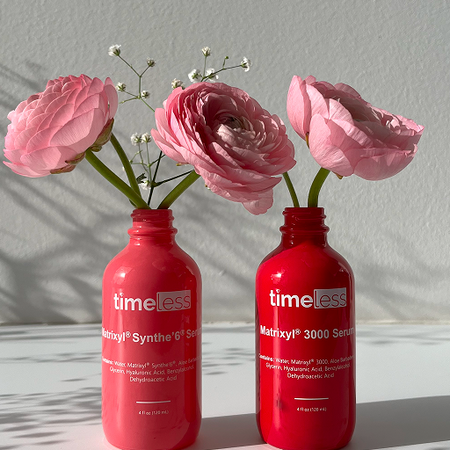
Nighttime is a common time for specialized peptides. Ingredients like Matrixyl 3000 and Matrixyl Synthe'6 may help support the appearance of firmness. If you use lipid-soluble antioxidants, CoQ10 can be included in this treatment step. CoQ10 provides antioxidant support as the skin's natural CoQ10 levels decline with age. If you have vitiligo, check with your dermatologist before using a CoQ10 product. -
Eye Cream
Dab a pea-sized amount of eye treatment around the orbital bone using your ring finger. Applying it at night helps improve the look of tired eyes while keeping the delicate skin comfortable. -
Night Moisturizer or Barrier Cream
Evening moisturizers are often richer than daytime formulas. A night moisturizer helps reduce moisture loss during the night. -
Facial Oil (Optional Final Step)
If you have dry or flaky skin, a few drops of facial oil can be pressed on top of your moisturizer as an optional finishing step.
How to Layer Multiple Serums and Active Ingredients
Many skincare enthusiasts use more than one serum to address different skin needs. When building a multi-serum routine, knowing how to prioritize formulations keeps your routine organized and comfortable. For additional guidance, read How to Layer Multiple Serums.
1. Separate by pH and Solubility
Some ingredients are formulated for specific pH environments. Water-soluble L-ascorbic acid is used in an acidic formulation and is generally applied after cleansing. Water-based formulas are generally placed before lipid-soluble serums or oils.
2. Follow Molecular Weight and Density
Within water-based serums, apply the thinnest liquid first. If you have a watery peptide serum and a thicker gel humectant, apply the watery peptide first. Hyaluronic acid helps improve the appearance of dehydration lines, and its gel-like nature typically layers well over lighter treatments.
3. Alternate Active Ingredients Across Days
You do not need to use every active ingredient in a single routine. If you use multiple potent ingredients such as direct exfoliating acids and retinoids, consider alternating them on different nights. This approach may help reduce the risk of unexpected irritation and gives your skin time to rest.
Common Layering Combinations
| Goal | Morning Combination | Evening Combination |
|---|---|---|
| Dullness & Dehydration | Vitamin C Serum + Hyaluronic Acid Serum | Peptide Serum + Rich Cream |
| Firmness & Fine Lines | Antioxidant Serum + Lightweight Lotion | Matrixyl Peptide Serum + CoQ10 Serum |
| Barrier Support | Vitamin B5 Hydration + Daily SPF | Gentle Peptides + Nourishing Night Balm |
Vitamin B5 supports the skin barrier and helps the skin retain moisture. It also helps the skin feel more comfortable.
Important Usage Rules for Specific Skincare Actives
Understanding the unique characteristics of common active ingredients helps you decide where they belong in your daily schedule. The Ingredient Glossary provides additional ingredient information.
Vitamin C (L-Ascorbic Acid)
- When to apply: Morning use is the most common recommendation, not the only option. It can also be used in the evening if preferred.
- Mechanism: Vitamin C helps defend against oxidative stress caused by environmental factors such as UV exposure and pollution. It helps brighten the look of dullness and uneven tone.
- Layering tip: Apply directly to clean, dry skin before heavier hydration serums. Always pair daytime vitamin C application with a broad-spectrum sunscreen.
- Storage note: L-ascorbic acid is sensitive to light, air, and heat. Oxidation is gradual; an oxidized serum turns dark amber, loses potency over time, and may increase the likelihood of irritation for some people.
Coenzyme Q10 (Ubiquinone)
- When to apply: Generally used once daily, either morning or night.
- Mechanism: CoQ10 is a lipid-soluble antioxidant naturally found in skin. It provides antioxidant support as the skin's natural CoQ10 levels decline with age, helps improve the appearance of fine lines, and supports firmer-looking skin.
- Safety guidelines: Never apply CoQ10 products under the eyes.
Hyaluronic Acid and Humectants
- When to apply: Morning and evening.
- Mechanism: Hyaluronic acid helps attract, bind, and retain water in the outer layers of the skin. It helps support hydration in the upper layers of the epidermis.
- Layering tip: Humectants perform best when applied to slightly damp skin. Follow with a moisturizer. A moisturizer helps reduce moisture loss.
Peptides (Matrixyl 3000 & Matrixyl Synthe'6)
- When to apply: Morning or evening, ideally after cleansing and before heavier creams.
- Mechanism: Peptides may help support the appearance of firmness.
- Layering tip: Peptides layer easily with humectants and lipid-based moisturizers.
For a comparison of the two peptide ingredients, read Matrixyl Synthe'6 vs. Matrixyl 3000.
Setting Realistic Expectations for Your Skincare Routine
Skincare is an ongoing commitment rather than an overnight fix. When you introduce a new sequence or start using new targeted ingredients, visible cosmetic changes may take time to appear on the surface of the skin.
Individual reactions and results vary depending on genetics, environment, age, and baseline skin health. Consistent use may support improvements in the appearance of hydration, fine lines, or uneven tone.
A structured morning and evening routine can help you use products consistently while keeping your routine manageable. Because individual reactions vary, anyone with a known sensitivity or a diagnosed skin condition should check with their dermatologist before introducing new active formulas. You can explore additional routine options through DIY Build Your Kit.
Frequently Asked Questions
How long should I wait between applying each skincare step?
For most daily products, you do not need to wait long between steps. Once a serum or lotion has absorbed and no longer feels wet on your skin, you can proceed to the next layer. Allow broad-spectrum sunscreen to dry down before applying any base makeup.
What should I do if my skincare products start pilling?
Pilling happens when products form tiny balls on the surface of your skin instead of absorbing smoothly. This commonly occurs when you apply a water-based product over an oil or heavy cream, use too much product at once, or layer incompatible silicone formulas. To prevent pilling, follow the thinnest-to-thickest rule, use appropriate amounts, and allow each layer a moment to absorb.
Can I use my daytime moisturizer as my nighttime cream?
Yes, a basic hydrating moisturizer without SPF can be used for both morning and evening routines. However, you should not use a daytime moisturizer that contains sunscreen at night. Sunscreen ingredients are meant for daytime use and provide no benefit while you sleep.
Is a toner mandatory for an effective skincare routine?
Toners are optional for many routines. A basic core routine may include only three foundational steps: a gentle cleanser, a dependable moisturizer, and daily broad-spectrum sunscreen. Toners, essences, and specialized serums are helpful additions when you want to target specific cosmetic goals such as extra surface hydration, visible tone brightening, or firmness support.