Introduction
Building an effective regimen involves more than selecting formulas. Placing a rich face cream underneath a watery serum can make the order less straightforward. Knowing the order of skincare steps can make a routine easier to follow.
Skincare layering follows practical principles based on texture and solubility. Morning routines center around defending your complexion from daily environmental factors, while evening routines focus on cleansing away debris and supporting the skin's surface. This guide covers how to layer morning and evening regimens, manage specialized treatments, and establish a straightforward, sustainable routine through skincare layering guidance.
The Golden Rules of Skincare Layering
Before looking at individual steps, three practical rules can guide product placement in any routine. Following these guidelines helps you layer new formulas into your lineup with confidence.
1. Apply Thinnest to Thickest
The primary rule of skincare layering is texture-based. Liquid, water-based products absorb quickly into the upper layers of the epidermis. Heavier, dense formulations take longer to settle. Applying a lightweight serum over a thick cream can make layering less straightforward.
2. Layer Water Before Oil
Water and oil do not mix naturally. Water-based products generally come before anhydrous, or water-free, oils or oil-heavy emulsions. If you apply a facial oil first, it can make water-based steps less straightforward.
3. Sunscreen Always Finishes the Morning Routine
Daily broad-spectrum sunscreen is important and serves as the final step of your daytime routine before makeup. Keep serums, moisturizers, and oils underneath sunscreen.
Key Takeaway: Move systematically from the most fluid, water-based products to the thickest, oil-rich formulas, always finishing your daytime routine with a dedicated SPF.


The Complete Morning Skincare Order
Your morning routine prepares your complexion for daytime exposure to environmental elements, including sunlight and airborne pollution.
- Cleanser: Refresh your skin and wash away sweat, excess sebum, or residual nighttime products. A gentle, non-stripping cleanser works well for most skin types. If your skin is exceptionally dry, a warm water rinse may be sufficient.
- Toner or Facial Mist (Optional): Modern toners help balance the skin surface and provide immediate hydration. Liquid toners should be patted onto clean skin using your hands or a soft cotton round.
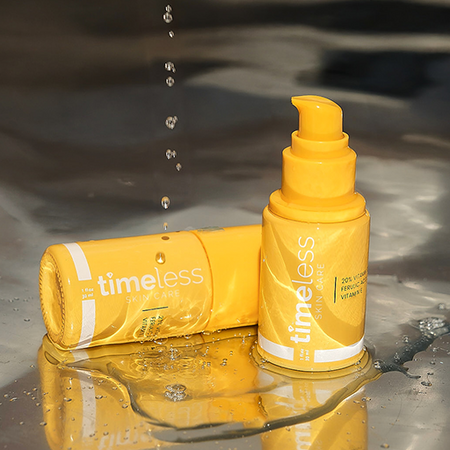
- Antioxidant Serums: Apply lightweight treatments containing active ingredients directly to freshly cleansed or toned skin. For a product example, see the 20% Vitamin C + E Ferulic Acid Serum. Vitamin C is especially popular in the morning because it helps defend against oxidative stress caused by environmental factors such as UV exposure and pollution. Vitamin C also helps brighten the look of dullness and uneven tone.
- Hydrating and Peptide Serums: If you use multiple serums, layer the thinnest water-like consistency first. Hyaluronic acid serums are classic hydrators. Hyaluronic acid is a humectant, not a moisturizer. It helps attract, bind, and retain water in the outer layers of the skin. Peptides may help support the appearance of firmness.
- Eye Cream (Optional): If you use a dedicated eye product, gently tap a small amount along the orbital bone using your ring finger. Applying this step before your face cream allows lighter eye formulas to settle without competing with heavy emollients.
- Moisturizer: A daily moisturizer helps reduce transepidermal water loss (TEWL), the water that evaporates from the skin's surface. Choose an oil-free gel or a light lotion depending on your personal skin type and climate.
- Broad-Spectrum Sunscreen: Finish with a generous layer of broad-spectrum sunscreen rated SPF 30 or higher. Sunscreen must form an even film across the skin to defend against UVA and UVB exposure.
How to use: Give each layer 30 to 60 seconds to settle before applying the next step. Allow your sunscreen to dry completely for a few minutes before applying foundation or tinted cosmetics.
The Complete Evening Skincare Order
At night, the focus shifts toward thoroughly cleansing the skin and supporting barrier function while you sleep.
- First Cleanse (Makeup and Sunscreen Removal): Start with an oil cleanser, micellar water, or cleansing balm to dissolve long-wear makeup, silicones, and water-resistant sunscreen filters.
- Second Cleanse: Follow with a gentle water-based gel or cream face wash. This step helps remove surface impurities, sweat, and residual oils without stripping natural surface lipids.
- Exfoliant (1–3 Times Per Week): Chemical exfoliants using alpha hydroxy acids, such as glycolic or lactic acid, or beta hydroxy acids, such as salicylic acid, sweep away dead surface cells. Exfoliating helps improve surface texture, but daily use can lead to irritation. Keep this step limited to a few evenings each week.
- Targeted Night Serums: Evening is the traditional time for concentrated actives such as retinoids, exfoliating serums, or barrier-support treatments. For a product example, see CoQ10. CoQ10 provides antioxidant support as the skin's natural CoQ10 levels decline with age. CoQ10 helps improve the appearance of fine lines and supports firmer-looking skin. If you have vitiligo, check with your dermatologist before using a CoQ10 product.
- Hydrating Serums: Follow potent actives with hydrating layers. Vitamin B5 supports the skin barrier and helps the skin retain moisture. It helps the skin feel more comfortable.
- Night Moisturizer: Night creams are typically richer than daytime lotions. A nourishing cream helps reduce moisture loss overnight while supporting the skin's natural lipid barrier.
- Facial Oil (Optional): If you have dry skin or live in an arid climate, patting a few drops of facial oil over your night cream can provide extra surface comfort.
| Routine Step | Morning Focus | Evening Focus |
|---|---|---|
| Cleansing | Light refresh to clear overnight oils | Double cleanse to remove SPF and makeup |
| Toning / Mist | Light surface hydration | Hydration or gentle acid prep |
| Targeted Serums | Helps defend against oxidative stress caused by environmental factors such as UV exposure and pollution | Resurfacing, peptides, or barrier support |
| Moisturizing | Lightweight hydration under sunscreen | Richer formulas to help reduce moisture loss |
| Final Layer | Broad-spectrum sunscreen (SPF 30+) | Facial oil or nourishing night cream |
Managing Multiple Serums and Active Ingredients
When incorporating multiple concentrated serums, layering mistakes can lead to surface pilling or unwanted irritation. Managing your steps strategically keeps your routine comfortable and consistent.
Managing Vitamin C and Other Actives
Vitamin C performance depends on its form, formulation stability, packaging, and the pH of the product when using L-ascorbic acid. Because L-ascorbic acid formulas are water-soluble and formulated at an acidic pH, they should go on right after cleansing.
Morning use is common, but it is not the only option. If you choose to use both Vitamin C and exfoliating acids or retinoids, it is often practical to divide them between morning and night. Use your Vitamin C in the morning alongside a broad-spectrum sunscreen, and reserve stronger exfoliating acids or retinoids for your evening routine.
Individual reactions vary across different skin profiles. Anyone with a known skin sensitivity or a diagnosed skin condition should check with their dermatologist before introducing high-potency actives.
Layering Peptides and Hydrators
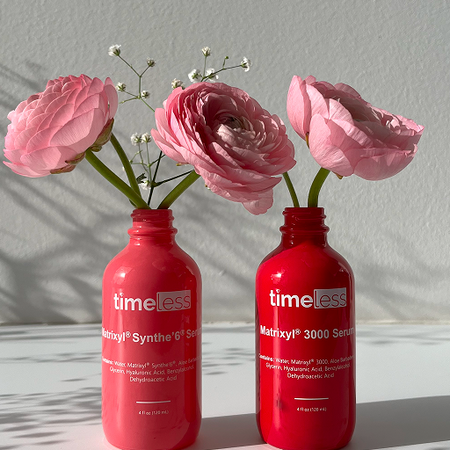
For product examples, see Matrixyl® 3000 Serum and Hyaluronic Acid 100% Pure.
Peptides may help support the appearance of firmness.
When building a routine:
- Cleanse your skin thoroughly.
- Apply your thinnest water-based active, such as an L-ascorbic acid serum or hydrating mist.
- Layer your peptide serum over the face and neck.
- Apply a dedicated hydrator to help support hydration in the upper layers of the epidermis.
- Finish with your preferred face cream.
Realistic Expectations for Skincare Results
Achieving visible improvements in skin tone, smoothness, and hydration requires consistency and patience. Topical skincare products work gradually across the outer layers of the skin.
Hydrating ingredients like sodium hyaluronate can offer cosmetic benefits. Hyaluronic acid helps attract, bind, and retain water in the outer layers of the skin. Hyaluronic acid helps improve the appearance of dehydration lines.
The timing of visible changes in skin texture, tone clarity, and the look of fine lines varies with the ingredient and the routine. Skin changes also depend on overall lifestyle factors, sleep quality, genetics, and consistent daily sunscreen use. Adjust your regimen gradually rather than introducing multiple active serums simultaneously.
Frequently Asked Questions
How long should I wait between applying each skincare step?
You do not need to wait long periods between steps for most products. Allowing 30 to 60 seconds for each layer to settle is usually sufficient. The primary exception is morning sunscreen: let your moisturizer settle before applying broad-spectrum SPF, and allow the sunscreen to dry down completely for several minutes before adding makeup.
Do I need a different routine for morning and night?
While the fundamental structure remains similar, morning routines prioritize defending the skin against daily environmental stressors like UV exposure and pollution. Night routines focus on thoroughly removing sunscreen, makeup, and surface oil, followed by nourishing creams that help reduce transepidermal water loss while you sleep.
Where do targeted treatments go in my skincare routine?
Targeted treatments usually go after cleansing and toning. Apply them before lightweight serums and moisturizers.
Can I apply facial oil before my water-based serum?
Facial oils generally go after water-based serums. Apply water-based serums first, followed by lotions, creams, and finally facial oils if desired.