Introduction
Building an effective skincare routine can feel confusing. When you look at a collection of bottles on your bathroom counter, knowing which formula to apply first can make a routine easier to follow. Skincare products can have different textures and bases, and applying a lighter product after a richer one may contribute to pilling.
Learning what order skincare goes in can help you organize your routine. Here is a straightforward guide to layering morning and evening skincare steps.
The Golden Rule: Lightest to Heaviest Consistency
A common approach to skincare layering is to apply thinner, more fluid products before heavier formulas.
Many routines place water-based products before richer creams or oils. Applying a lighter product after a richer one may contribute to pilling or leave it sitting on the skin's surface.
Key Takeaway: A common approach is to layer water-based liquids first, followed by light gels and serums, thicker creams, and face oils or sunscreen.
Beyond texture, pH and base formulation can also influence application order:
- Clean skin provides a consistent starting point.
- Water-soluble products are often applied before lipid-soluble or oil-based products.
- Emulsions and creams come next to support hydration.
- Heavy oils or broad-spectrum sunscreen complete the routine.


Complete Morning Skincare Routine Order
Your daytime regimen focuses on daily protection, antioxidant support, and hydration. During the day, your skin encounters environmental elements such as sunlight, pollution, and changing weather conditions.
- Cleanser.
- Hydrating toner or mist.
- Water-based antioxidant serum.
- Eye cream.
- Daily moisturizer.
- Broad-spectrum sunscreen.
Step 1: Gentle Cleanser
Start your morning by washing away sweat, excess sebum, and any residue from nighttime products. A mild, sulfate-free cleanser refreshes your complexion without stripping natural moisture. If your skin is notably dry, splashing with lukewarm water may be sufficient.
Step 2: Hydrating Toner or Mist
Modern toners are designed to refresh the skin surface rather than dry it out with harsh alcohols. Applying a light mist or liquid toner can prepare the skin for subsequent serums.
Step 3: Antioxidant Serum
Morning is a common time for an antioxidant step. Vitamin C helps defend against oxidative stress caused by environmental factors such as UV exposure and pollution. It helps brighten the look of dullness and uneven tone. When used in the morning, vitamin C should always be paired with broad-spectrum sunscreen.
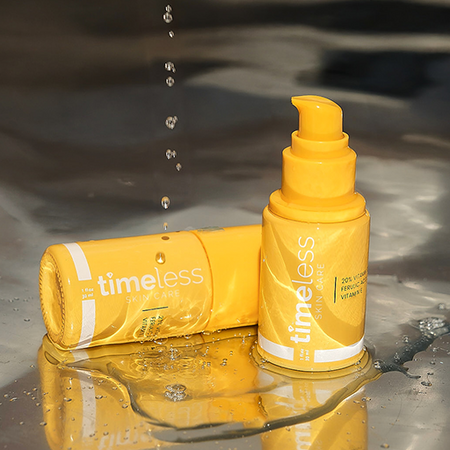
The 20% Vitamin C + E Ferulic Acid Serum is a vitamin C serum. L-ascorbic acid is the most researched form of vitamin C, and it is sensitive to air, light, and heat.
The Coenzyme Q10 Serum is a CoQ10 serum. CoQ10 is a lipid-soluble antioxidant naturally found in skin and is generally used once daily. If you are using a lipid-soluble antioxidant like CoQ10, this step is also where it fits. CoQ10 provides antioxidant support as the skin's natural CoQ10 levels decline with age. It helps improve the appearance of fine lines. It supports firmer-looking skin.
If you have vitiligo, check with your dermatologist before using a CoQ10 product.
Step 4: Eye Cream
The skin surrounding your eyes is thinner than the rest of your face. Apply eye cream before heavier facial moisturizers if that order suits your routine. Gently tap the cream around the orbital bone using your ring finger.
Step 5: Moisturizer
A daily moisturizer helps reduce transepidermal water loss (TEWL). It helps reduce moisture loss. Look for creams containing humectants, ceramides, or fatty acids to support a comfortable skin feel throughout the day. If your skin is oily, a lightweight lotion or gel may provide hydration without heaviness.
Step 6: Broad-Spectrum Sunscreen
Sunscreen is the final step of every morning routine. Daily broad-spectrum sunscreen protects against ultraviolet radiation that contributes to premature skin aging and serious skin damage.
Note: Do not mix sunscreen directly with serums, oils, or moisturizers. Apply sunscreen as its own distinct layer.
| Morning Step | Product Category | Primary Function |
|---|---|---|
| Step 1 | Gentle Cleanser | Clears surface oil and overnight buildup |
| Step 2 | Toner or Mist | Restores surface hydration and prepares skin |
| Step 3 | Antioxidant Serum | Supports the skin's antioxidant defenses |
| Step 4 | Eye Cream | Softens the look of fine lines around the eyes |
| Step 5 | Moisturizer | Helps reduce moisture loss throughout the day |
| Step 6 | Broad-Spectrum SPF | Protects skin from UVA and UVB rays |
Complete Evening Skincare Routine Order
Your nighttime routine focuses on thorough cleansing, hydration, and targeted cosmetic ingredients. While you sleep, the skin is free from external environmental stressors like direct sunlight.
Step 1: Makeup Remover or First Cleanse
If you wear sunscreen or makeup, start with an oil-based cleanser, cleansing balm, or micellar water. This step helps break down stubborn waxes, pigments, and surface oils without abrasive scrubbing.
Step 2: Water-Based Cleanser
Follow with a gentle water-based cleanser to remove sweat, residual impurities, and any leftover cleansing oil. This double-cleansing process prepares the skin for the treatment steps that follow.
Step 3: Chemical Exfoliant (1 to 3 Times Weekly)
Exfoliating liquids containing alpha hydroxy acids (AHAs) or beta hydroxy acids (BHAs) help smooth the look of rough texture and remove surface dead skin cells. Limit exfoliating products to a few nights per week to maintain skin comfort, and skip this step on evenings when using strong retinoids.
Step 4: Hydrating and Peptide Serums
The Hyaluronic Acid 100% Pure is a hyaluronic acid serum. Hyaluronic acid helps attract, bind, and retain water in the outer layers of the skin. It helps support hydration in the upper layers of the epidermis. It helps improve the appearance of dehydration lines. Apply a hyaluronic acid serum to slightly damp skin.
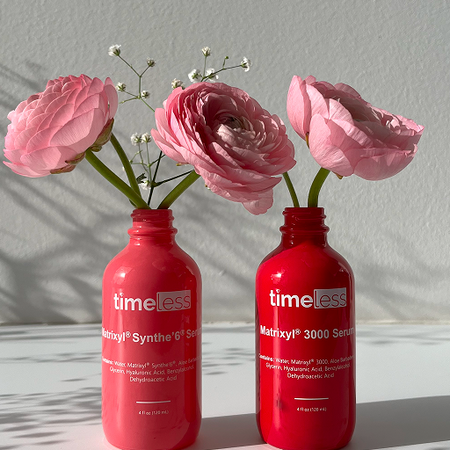
The Matrixyl® 3000 Serum is a peptide serum. Peptides may help support the appearance of firmness. Water-based peptide serums are commonly placed after cleansing or toning.
Step 5: Retinoids or Targeted Night Treatments
Retinol and prescription retinoids can contribute to smoother-looking skin and visibly refined-looking uneven tone. Because retinoids can cause dryness or flaking, many people apply them to clean, dry skin. If you have sensitive skin, you can apply a retinoid over a thin layer of moisturizer to cushion the skin surface.
Step 6: Eye Cream and Night Moisturizer
Finish your evening routine with a night moisturizer. Evening formulas are often richer than daytime lotions. A night moisturizer can help reduce moisture loss overnight. Apply eye cream and face moisturizer as the final facial-care steps.
Step 7: Facial Oil (Optional)
If you experience dry or flaky patches, pressing a few drops of a plant oil over your night cream can provide an extra layer of comfort. Oils are occlusive and are generally applied last so they do not cover lighter water-based treatments.
How to Layer Multiple Serums Without Irritation
Using more than one serum is common, but applying too many products at once can overwhelm your skin. Layering properly may help prevent ingredients from pilling or causing unwanted redness.
- Apply the thinnest, most watery serum first.
- Allow each product 30 to 60 seconds to settle before applying the next layer.
- Alternate strong active ingredients across different days or between your morning and evening routines.
- Some people may prefer to limit their routine to two or three targeted serums per session.
When combining ingredients, keep your skin's tolerance in mind. For example, pairing a direct acid with a potent retinoid on the same evening may lead to surface sensitivity. Instead, use your exfoliating acid on Tuesday night and your retinoid on Wednesday night. Individual reactions vary, and anyone with a known sensitivity or diagnosed skin condition should check with their dermatologist.
For help organizing products into a routine, use the skincare quiz or explore DIY Build Your Kit.
Realistic Expectations for Skincare Results
Consistency is often important in any skincare regimen. It is easy to expect overnight changes, but cosmetic improvements can develop gradually with regular use.
Surface hydration may appear quickly when you apply effective humectants, making skin look temporarily refreshed and plump. Improvements in the appearance of fine lines, tone clarity, and overall firmness can require continued use.
Skin changes with age, climate, and lifestyle factors. Pay attention to how your skin feels. If you notice dryness or tightness, simplify your routine to basic cleansing, moisturizing, and sun protection until comfort is restored.
Frequently Asked Questions
Do I need to wait between applying each skincare step?
Most products do not require long wait times. Allowing 30 to 60 seconds for a serum or lotion to settle into the skin before applying the next layer is generally sufficient. Sunscreen should set undisturbed for a few minutes before you apply base makeup over it.
Can I use vitamin C and hyaluronic acid together?
Yes. Vitamin C and hyaluronic acid can both be used in a morning routine. Many vitamin C serums formulated with L-ascorbic acid are fluid and water-based, so apply your vitamin C first to clean skin, follow with your hyaluronic acid serum, and finish with your moisturizer and sunscreen. Learn more about using hyaluronic acid and vitamin C together.
Should I apply skincare products to damp or dry skin?
Hydrating serums containing humectants such as hyaluronic acid or glycerin can be applied to slightly damp skin. Hyaluronic acid helps support hydration in the upper layers of the epidermis. Products with a higher likelihood of causing tingling or dryness, such as retinoids and direct exfoliating acids, are often applied to completely dry skin. Ingredient definitions are available in the ingredient glossary.
What is the simplest daily skincare routine order?
A straightforward regimen can use three core steps in the morning: gentle cleanser, moisturizer, and broad-spectrum sunscreen. In the evening, cleanse your face to remove daytime buildup and finish with moisturizer, which helps reduce moisture loss while you sleep.