Introduction
Applying skincare in a consistent sequence can help products sit comfortably on the skin. When you invest in serums, toners, and moisturizers, you want each formula to fit smoothly into your routine. Applying products in a different sequence may affect how they spread and settle. Heavy creams can also make lighter products harder to apply evenly.
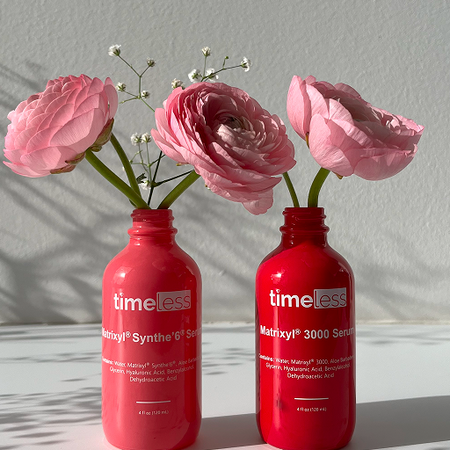
Founded in 2009 by Veronica Pedersen, Timeless Skin Care focuses on clean formulas made in the USA in small batches. Understanding how to structure your daily regimen can make your routine easier to follow. The process is based on product texture and formulation.
Building an effective routine does not require a dozen steps. It requires applying the right products in a practical order. Whether your routine has three steps or seven, following a consistent sequence can make daily care easier.
Quick Answer: Apply products from thinnest to thickest texture. Start with water-based liquids like toners and serums, move to heavier creams, and always finish with broad-spectrum sunscreen in the morning.
The Core Principles of Product Layering
Skincare layering relies on three simple rules. Once you understand these principles, you can organize products in your routine without second-guessing yourself.
1. Consistency: Thin to Thick
The weight of a product can help determine its place in your routine. Formulas with light, watery consistencies often spread easily, while heavier textures take longer to settle.
If you apply a thick cream before a watery serum, the serum may not spread evenly. Apply watery liquids first, followed by light gels, lotions, rich creams, and facial oils.
2. Base Formulation: Water Before Oil
Water-based products generally go before oil-based products. Apply water-based toners and serums directly to freshly cleansed skin, then use oil-based serums and facial oils later in your routine.
3. Purpose: Daytime Care vs. Nighttime Care
Your routine can vary depending on the time of day. Daytime routines focus on environmental exposure, hydration, and sunscreen. Nighttime routines focus on removing daily buildup and supporting moisture retention.
| Routine Phase | Primary Focus | Key Product Types |
|---|---|---|
| Morning | Daily care and hydration | Gentle cleanser, antioxidant serum, light moisturizer, broad-spectrum sunscreen |
| Evening | Cleansing and moisture retention | Double cleanse, exfoliants, peptide serums, rich creams, facial oils |


The Step-by-Step Daytime Skincare Order
Morning skincare prepares your face for daily exposure to sunlight, dry air, and outdoor pollutants. Keep this routine focused and protective.
- Cleanser
- Toner or hydrating mist
- Water-based serums
- Eye cream
- Daily moisturizer
- Broad-spectrum sunscreen
Step 1: Gentle Cleansing
Start your morning by washing away sweat and oils produced while you sleep. A gentle, water-based cleanser refreshes the skin without stripping away essential moisture.
If you have dry skin, rinsing with lukewarm water may be sufficient. If you have oily skin, a mild foaming or gel cleanser helps remove excess surface oils. Avoid hot water, which can dry out the surface of the skin.
Step 2: Toner or Hydrating Mist
Toners can remove lingering impurities and prepare the skin for subsequent serums. Modern toners are designed to hydrate rather than dry out your face.
Apply toner after cleansing while your skin is slightly damp. You can pat it on with clean hands or swipe it gently across the face with a cotton pad.
Step 3: Water-Based Serums
Serums are designed to fit targeted steps into a routine and often have lightweight textures.
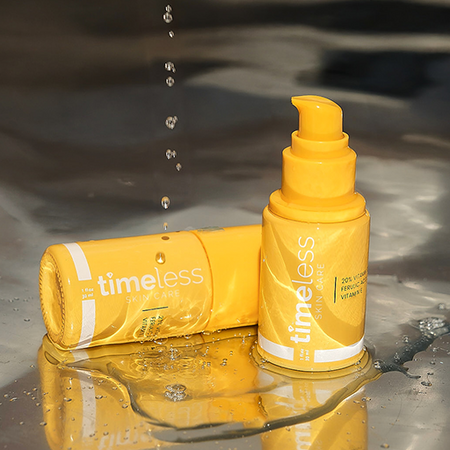
One option from our vitamin C category is the 20% Vitamin C + E Ferulic Acid Serum. Vitamin C helps brighten the look of dullness and uneven tone.
You can also apply a humectant serum in this step. One option from our hydration category is Hyaluronic Acid 100% Pure. Hyaluronic acid helps attract, bind, and retain water in the outer layers of the skin.
If you choose to use both, apply the lighter serum first. Allow each layer thirty to sixty seconds to settle before adding the next.
Step 4: Eye Cream
The skin around the eyes is thinner than the rest of the face. An eye cream provides targeted moisture to this delicate area.
Use your ring finger to gently tap a pea-sized amount along the orbital bone. Avoid pulling or tugging the skin. Applying eye cream before your facial moisturizer keeps the steps in a consistent order.
Step 5: Daily Moisturizer
Moisturizer helps reduce transepidermal water loss (TEWL), the water that evaporates from the skin's surface. It softens the skin and provides a smooth base for the day.
Select a texture that matches your skin type. Normal and oily skin types often prefer lightweight gel-creams. Drier skin types may prefer richer lotions containing ceramides and fatty acids.
Step 6: Broad-Spectrum Sunscreen
Finish your morning routine with broad-spectrum sunscreen. Daily UV exposure can contribute to visible signs of skin aging.
Apply a generous amount of broad-spectrum sunscreen with an SPF of 30 or higher to your face, neck, and ears. Sunscreen should be the final step of your skincare routine. Applying serums or creams over sunscreen can dilute the UV filters and reduce protection.
How to use: Apply sunscreen fifteen minutes before sun exposure. Reapply every two hours when spending extended time outdoors.
The Step-by-Step Nighttime Skincare Order
Your evening routine removes the dirt, makeup, and sunscreen accumulated throughout the day. It also allows you to use ingredients that may be sensitive to sunlight.
- First cleanse with an oil-based cleanser or makeup remover.
- Second cleanse with a water-based cleanser.
- Use an exfoliant one to three times weekly.
- Apply treatment and peptide serums.
- Apply eye cream.
- Apply night moisturizer.
- Finish with facial oil if desired.
Step 1: First Cleanse
A standard water-based cleanser cannot always remove stubborn makeup, water-resistant sunscreen, and sebum. An oil-based cleanser, cleansing balm, or micellar water can help remove surface oils.
Massage the oil cleanser onto dry skin for sixty seconds. Rinse thoroughly with lukewarm water. This step helps remove heavy residue.
Step 2: Second Cleanse
Follow your oil cleanse with a gentle water-based face wash. This second wash cleanses away any remaining residue and leaves the skin clean.
Work the cleanser into a lather and massage gently in circular motions. Rinse thoroughly and pat dry with a clean towel.
Step 3: Chemical Exfoliation
Exfoliating removes dead skin cells from the surface. Chemical exfoliants use alpha hydroxy acids (AHAs) like glycolic or lactic acid, or beta hydroxy acids (BHAs) like salicylic acid.
Use exfoliants one to three nights per week according to your routine and skin's tolerance. On nights when you exfoliate, skip other strong active ingredients.
Step 4: Treatment and Peptide Serums
Nighttime can be a convenient time for focused skincare concerns. Peptides may help support the appearance of firmness.
One option from our antioxidant category is the Coenzyme Q10 Serum. Coenzyme Q10 provides antioxidant support as the skin's natural CoQ10 levels decline with age. CoQ10 is generally used once daily. If you have vitiligo, check with your dermatologist before using a CoQ10 product.
You can also use vitamin B5 in your evening routine. Vitamin B5 supports the skin barrier and helps the skin retain moisture. It also helps the skin feel more comfortable.
Step 5: Evening Eye Care
Reapply your eye cream at night to keep the eye area hydrated while you rest. Dab the formula along the orbital bone using light, upward motions.
Step 6: Night Moisturizer
Night creams are typically richer than daytime lotions. A nighttime moisturizer helps reduce moisture loss while you sleep. Look for formulas containing squalane, ceramides, or peptides to support the skin surface overnight.
Step 7: Facial Oil
If your skin feels dry, finish your evening routine with a few drops of facial oil. Facial oils can provide a final layer after moisturizer and help reduce moisture loss.
Warm two to three drops of oil between your palms and gently press them into your face over your moisturizer.
How to Layer Multiple Active Ingredients
Many people use more than one targeted serum in their routine. Knowing how to combine ingredients can help keep your routine comfortable. For additional guidance, read how to layer multiple serums.
| Ingredient Category | Compatible Pairings | Application Timing |
|---|---|---|
| Vitamin C | Hyaluronic acid, ferulic acid, vitamin E | Best in the morning with sunscreen |
| Hyaluronic acid | Peptides, vitamin B5, retinoids, vitamin C | Morning and evening |
| Peptides | Hyaluronic acid, CoQ10, ceramides | Morning or evening |
| Chemical exfoliants | Hyaluronic acid, ceramides, squalane | Evening, one to three times weekly |
Water-Soluble vs. Lipid-Soluble Serums
Serums come in different base vehicles. Water-soluble formulas, like many hyaluronic acid serums, are often lighter on the skin. Lipid-soluble serums contain oils and may feel slightly heavier.
Apply water-soluble serums first. Once the water-based layer settles, apply lipid-soluble serums. This order places water-based products before oil-based products.
Managing Product pH
Certain ingredients require a specific pH range to remain stable. For example, L-ascorbic acid has an acidic formulation.
When applying an acidic serum like vitamin C, apply it directly to clean, dry skin after cleansing. Give the serum a minute to settle before applying products such as hyaluronic acid or moisturizer.
Spacing Out Your Applications
Rushing through your skincare routine can cause products to pill. Pilling occurs when formulas sit on the skin and roll into small flakes when rubbed.
To avoid pilling:
- Use appropriate amounts of product rather than overloading the skin.
- Allow thirty to sixty seconds between layers so each step can settle.
- Pat products gently into the skin instead of rubbing vigorously.
Understanding Skin Types and Routine Customization
A routine should match your personal skin concerns. You do not need to follow every possible step to maintain a balanced routine.
Dry Skin
Dry skin can feel tight and may lose moisture easily. The focus should be on gentle cleansing and rich barrier support.
- Morning: Hydrating cleanser, hyaluronic acid serum, rich cream, broad-spectrum sunscreen.
- Evening: Cleansing oil, gentle cream wash, peptide serum, rich night cream, facial oil.
Oily and Blemish-Prone Skin
Oily skin produces excess sebum, which can lead to shine and clogged pores. The focus should be on lightweight hydration that does not feel heavy.
- Morning: Gentle foaming cleanser, vitamin C serum, oil-free gel moisturizer, broad-spectrum sunscreen.
- Evening: Double cleanse, BHA exfoliant twice weekly, hydrating serum, lightweight lotion.
Combination Skin
Combination skin is oily in the T-zone, including the forehead, nose, and chin, and dry on the cheeks. Balanced layering can address both areas.
- Morning: Gentle gel cleanser, hydrating toner, lightweight serum, gel moisturizer, broad-spectrum sunscreen.
- Evening: Double cleanse, targeted serum, medium-weight lotion applied across the face.
If you have a diagnosed skin condition or known allergies, individual reactions vary. Check with your dermatologist before introducing new active ingredients to your regimen.
Realistic Expectations and Results
Skincare works through consistency rather than instant transformations. Visible changes in hydration, tone, and texture can vary from person to person.
Changes in the look of fine lines, surface firmness, and uneven tone generally develop gradually with consistent application. Genetics, climate, diet, and lifestyle can also influence how your skin responds to products.
A consistent order of application can make your routine easier to maintain and adjust.
Frequently Asked Questions
What is the correct order for morning skincare products?
The standard morning order is cleanser, toner, targeted serums, eye cream, moisturizer, and broad-spectrum sunscreen. Sunscreen should be the final skincare step before applying makeup.
Should I apply hyaluronic acid before or after vitamin C?
Apply vitamin C first directly to clean, dry skin. Vitamin C formulas are typically acidic and are often applied close to the skin. Once the vitamin C settles, apply hyaluronic acid to support hydration in the upper layers of the epidermis.
Can I apply moisturizer before my serum if my skin is sensitive?
Applying moisturizer first may make a serum feel gentler, but it can also change how the serum sits on the skin. If you have sensitive skin, choose a gentler serum formulation or check with your dermatologist.
Do I really need to wait between applying skincare layers?
Waiting thirty to sixty seconds between steps allows each product to settle onto the surface of the skin. This brief pause can reduce the chance of flaking or pilling.