Introduction
Layering your skincare products in a consistent sequence can help you use each formula as intended. When products are applied out of order, heavy creams may interfere with lighter serums and can leave your skin feeling congested or dry.
Building a dependable routine does not require dozens of complicated steps. At Timeless Skin Care, founded in 2009 by Veronica Pedersen, the philosophy has always centered on simple routines. Understanding the logic behind product order helps you make the most of your daily regimen while supporting a healthy-looking complexion.
Quick Answer: Apply your skincare products from thinnest to thickest texture. Start with lightweight, water-based formulas and finish with heavier creams, followed by broad-spectrum sunscreen every morning.
The Core Rule of Skincare Layering: Thinnest to Thickest
The most reliable guideline for any skincare routine is texture. Thinner, water-based solutions are generally applied first so they can sit on the skin before heavier products. If you apply a rich cream or facial oil beforehand, those dense textures may make it harder for lighter fluids to spread evenly across the skin.
- Water-based liquids, such as toners and essences
- Water-based serums
- Anhydrous, or water-free, serums and light gels
- Creams and lotions
- Facial oils
- Sunscreen, daytime only
Wait times between layers do not need to be long. Letting each product absorb for 30 to 60 seconds is usually plenty. Your skin should feel slightly receptive, not dripping wet or completely dry, before you move to the next layer.
| Step Type | Product Format | Primary Role |
|---|---|---|
| Prep | Water-based or oil-based cleanser | Clears surface oil, dirt, and makeup |
| Balance | Hydrating toner or facial mist | Adds a hydration step after cleansing |
| Treat | Targeted serums and spot treatments | Delivers targeted active ingredients |
| Support | Eye creams and moisturizers | Helps reduce moisture loss |
| Protect | Broad-spectrum sunscreen (AM) | Shields skin from UVA and UVB rays |


The Morning Skincare Routine Order
Daytime skincare focuses on hydration and environmental defense. During the day, your skin faces exposure to sunlight, particulate dirt, and weather shifts. A proper morning sequence can help keep your skin balanced and fresh until evening.
1. Cleanser
Washing your face in the morning clears away surface debris, sweat, and oil that accumulate overnight. A gentle, sulfate-free foaming wash or gel cleanser may suit normal to oily skin types. If your skin is dry or feels tight in the morning, rinsing with lukewarm water or using a gentle cream wash may be sufficient. Avoid hot water because it can strip natural surface oils.
2. Toner or Essence
An alcohol-free toner helps rebalance the skin surface after cleansing. Applying a hydrating toner adds a hydration step after cleansing. You can pat the liquid directly into your face with clean hands or sweep it on using a reusable cotton round.
3. Antioxidant Serum
The morning is a common time for antioxidant application. An antioxidant helps defend against oxidative stress caused by environmental factors such as UV exposure and pollution. Vitamin C is a popular choice for daytime routines when paired with broad-spectrum sunscreen because it helps brighten the look of dullness and uneven tone.
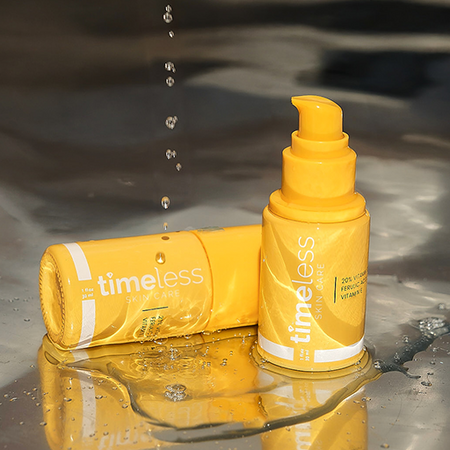
A vitamin C serum is one category option for this step. The 20% Vitamin C + E Ferulic Acid Serum is a vitamin C serum.
Antioxidants also help neutralize free radicals generated by UV exposure. An antioxidant supports the skin's antioxidant defenses. Ubiquinone, the INCI name for CoQ10, is another antioxidant option. CoQ10 provides antioxidant support as the skin's natural CoQ10 levels decline with age. CoQ10 supports firmer-looking skin. CoQ10 is generally used once daily. If you have vitiligo, check with your dermatologist before using a CoQ10 product.
4. Hydrating Serum
Humectant serums add lightweight hydration to the skin. Hyaluronic acid is a humectant, not a moisturizer. It helps attract, bind, and retain water in the outer layers of the skin. It helps improve the appearance of dehydration lines.
A hyaluronic acid serum is one option for this step. The Hyaluronic Acid 100% Pure is a hyaluronic acid serum.
5. Eye Cream
The delicate skin around the orbital bone is naturally thinner than the rest of the face. Tapping a small amount of eye cream with your ring finger may help keep this area feeling comfortable and looking smooth. If you use a lightweight eye serum, apply it before your facial moisturizer to help it absorb.
6. Daily Moisturizer
A moisturizer helps reduce transepidermal water loss (TEWL), the water that evaporates from the skin's surface. Choose a lightweight lotion or gel cream if you have combination or oily skin. Richer facial creams may suit dry or mature complexions.
7. Broad-Spectrum Sunscreen
Sunscreen is the final step of every morning routine. Daily broad-spectrum protection with SPF 30 or higher shields your skin against both UVA and UVB rays. Never mix your sunscreen directly into a moisturizer or foundation, as this can dilute the UV filters and compromise protection. Apply sunscreen evenly across the face, neck, and ears, and reapply every two hours when outdoors.
Key Takeaway: Morning skincare is all about daily defense. Layer your antioxidant serum and hydrators first, apply moisturizer, and finish with a broad-spectrum sunscreen every day.
The Evening Skincare Routine Order
Your nighttime routine focuses on thorough cleansing and targeted cosmetic care. Because you are not defending against sunlight, night can be a practical time for richer textures and concentrated active ingredients.
- First cleanse: makeup and sunscreen removal.
- Second cleanse: water-based face wash.
- Exfoliants or retinoids on alternating nights.
- Targeted treatment serums.
- Eye cream.
- Moisturizer.
- Facial oil, optional for dry skin.
1. The Double Cleanse
Removing long-wear sunscreen and makeup may benefit from an oil-soluble first cleanse. Cleansing oils and balms dissolve stubborn pigments and surface sebum with less need for harsh friction. Follow this step with a gentle water-based face wash to clear away any remaining residue and help prepare your skin for treatment products.
2. Exfoliants or Retinoids
Chemical exfoliants and retinoids are often used at night. Alpha hydroxy acids (AHAs) and beta hydroxy acids (BHAs) help keep pores clear. Retinoids may help improve the appearance of fine lines. Use these active treatments on alternating evenings to minimize the chance of irritation.
3. Targeted Serums and Peptides
After exfoliating or applying your evening active, layer your hydrating or peptide-based serums. Peptides may help support the appearance of firmness. If your skin needs extra barrier support, Vitamin B5 supports the skin barrier and helps the skin retain moisture. It helps the skin feel more comfortable.
The Coenzyme Q10 Serum is a CoQ10 serum.
4. Night Moisturizer and Facial Oils
Finish your evening regimen with a night cream. A rich moisturizer helps reduce moisture loss while you sleep. If your skin is very dry, you can press facial oil over your moisturizer as the final step.
Managing Ingredient Conflicts and Complex Routines
When you introduce multiple targeted products into your routine, how you combine them matters just as much as application order. Using too many strong active ingredients at the same time may contribute to flaking or redness.
- Vitamin C and sunscreen: morning routine support
- Hyaluronic acid and active products: hydration support
- Peptides and moisturizer: evening routine support
- Exfoliating acids and moisturizer: balanced routine
To avoid overwhelming your skin, consider these pairing guidelines:
- Separate strong actives by time of day. Use your vitamin C serum in the morning with broad-spectrum sunscreen, and reserve retinoids or direct exfoliating acids for the evening.
- Alternate active nights. If you use both chemical exfoliants and retinoids, do not layer them in the same nighttime session. Use your exfoliant on Monday and Thursday, and your retinoid on Tuesday and Friday.
- Keep your base simple. When using a high-concentration serum, pair it with a straightforward, fragrance-free cleanser and moisturizer.
- Listen to your skin. If your skin feels sensitive or shows redness, pause your exfoliating acids and retinoids. Return to a basic routine of gentle cleanser, hydrating serum, and moisturizer until your skin feels comfortable again.
For help organizing multiple targeted products, use the skincare quiz.
Note: One ingredient does not enhance or boost another ingredient's performance. Focus on keeping your routine balanced and well tolerated rather than stacking multiple strong formulas in a single session.
Realistic Expectations and Consistency
Skincare products may produce cosmetic improvements gradually over time. Visible changes in texture, tone, and fine lines may require patience and consistent daily use.
Individual responses to topical products vary based on skin type, genetics, climate, and overall health. A routine that delivers visible radiance for one person may produce different results for another.
If you have a diagnosed skin condition or a history of severe sensitivities, check with your dermatologist before introducing new active formulas into your routine. Consistent daily sun protection, adequate hydration, and a gentle cleansing routine can support healthy-looking skin.
Frequently Asked Questions
How long should I wait between applying skincare steps?
You do not need to wait several minutes between every step. Waiting 30 to 60 seconds allows each liquid or serum to absorb into the outer surface of your skin before you apply the next texture. Sunscreen is the only exception; allow your moisturizer to dry down before applying SPF so the protective film sets evenly.
Can I use the same moisturizer for morning and night?
Yes. A simple, well-formulated moisturizer can work for both morning and evening use. The key difference is that your daytime routine must finish with a separate broad-spectrum sunscreen. Some people prefer a lightweight gel lotion under makeup in the morning and a heavier, more emollient cream at night.
Should I apply hyaluronic acid to wet or dry skin?
Hyaluronic acid works best when applied to slightly damp skin. Hyaluronic acid is a humectant, not a moisturizer. It helps attract, bind, and retain water in the outer layers of the skin. Follow with a moisturizer that helps reduce transepidermal water loss (TEWL).
What should I do if my skincare products start pilling?
Pilling happens when products fail to absorb and roll into small balls on the skin surface. This usually occurs when you apply too much product, layer an oil before a water-based serum, or rub formulas too vigorously. To prevent pilling, apply products from thinnest to thickest, use smaller amounts, and gently pat each layer onto your skin.