Introduction
Standing in front of your bathroom counter with several bottles can feel confusing. You might have a gentle cleanser, a couple of targeted serums, an eye cream, a moisturizer, and sunscreen. Knowing what order for skincare application makes a significant difference in how your products perform.
Applying formulas in the wrong sequence can limit their contact with your skin. A thick face cream applied before a watery serum, for instance, can make it harder for that serum to reach the surface.
At Timeless Skin Care, the focus is on organizing skincare steps in a way that makes a routine easier to follow. Whether your daily regimen contains three basic essentials or six specialized treatments, this guide explains the correct order for morning and evening routines.
Key Takeaway: The golden rule of skincare layering is to apply products from thinnest to thickest consistency, finishing with broad-spectrum sunscreen in the morning and a moisturizer at night.
Core Principles: Why Application Order Matters
The surface of your skin acts as a protective shield. To allow leave-on products to hydrate and condition the skin effectively, the order of application should respect product texture, base formulation, and function.
Texture and Weight: Thinnest to Thickest
The most reliable rule of thumb is applying products from the thinnest, most liquid consistency to the thickest, most emollient texture. Watery formulas absorb rapidly into the surface. If you apply a dense oil or heavy cream first, it can make it harder for lighter liquids to pass through.
Base Compatibility: Water Before Oil
Water and oil do not mix naturally. Water-based treatments, including lightweight toners, hydrating essences, and aqueous serums, belong on fresh, clean skin. Once water-based steps are complete, you can layer anhydrous solutions, facial oils, and rich creams over them.
Functional Purpose: Protection by Day, Targeted Care by Night
Morning routines focus on defending your skin from daily environmental contact. That means antioxidant support and non-negotiable sun protection. Evening routines focus on clearing away buildup, supporting hydration, and using targeted ingredients while your body rests.
| Step Phase | Daytime Focus | Nighttime Focus |
|---|---|---|
| Cleanse | Refresh and clear light overnight oil | Remove makeup, sunscreen, and daily grime |
| Treat | Antioxidant support | Address texture, fine lines, and moisture loss |
| Hydrate | Lightweight hydration | Moisture support and rich moisture |
| Protect | Broad-spectrum sunscreen | Emollient creams or facial oils |


The Morning Routine Step by Step
Your daytime regimen prepares your skin for exposure to sunlight, dry air, and airborne debris. Here is the step-by-step order for your morning routine.
- Cleanser
- Toner or Hydrating Mist
- Water-Based Antioxidant Serum
- Eye Cream
- Moisturizer
- Broad-Spectrum Sunscreen
Step 1: Gentle Cleanser
Washing your face in the morning clears away sweat, excess sebum, and any residue from your evening products. A gentle, non-stripping cleanser works best here. If you have dry skin, a quick rinse with lukewarm water might be sufficient, while oily skin types benefit from a mild foaming or gel wash.
Step 2: Toner or Hydrating Mist
Toners are optional steps that prepare your skin for leave-on treatments. Modern hydrating toners help balance surface moisture after cleansing. If you use an essence or a fine face mist, apply it immediately after washing while the skin is still slightly damp.
Step 3: Antioxidant and Treatment Serums
Serums contain concentrated cosmetic ingredients designed to target specific concerns. Morning is a common time for an antioxidant serum. A topical antioxidant helps defend against oxidative stress caused by environmental factors such as UV exposure and pollution. It also helps neutralize free radicals generated by UV exposure.
Vitamin C is one option for this step. Vitamin C helps brighten the look of dullness and uneven tone. The water-soluble form, L-ascorbic acid, is used in an acidic formulation. Apply your vitamin C serum directly to clean skin or right after your water-based toner. If you use vitamin C in the morning, follow with a broad-spectrum sunscreen.
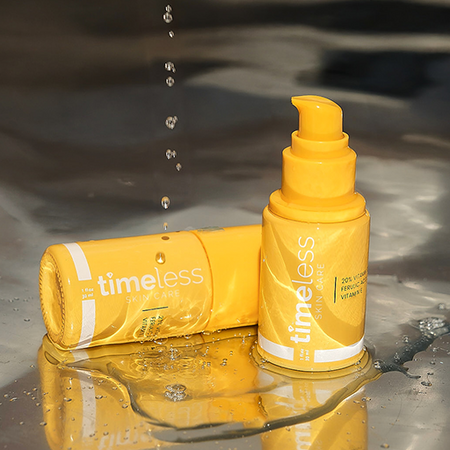
Within the Timeless Skin Care lineup, the 20% Vitamin C + E Ferulic Acid Serum represents this vitamin C product category.
If you layer multiple serums in the morning, apply the lightest water-based formula first. For instance, an antioxidant serum with low viscosity goes on before a slightly thicker hydrating serum. For additional guidance, see how to layer multiple serums.
Step 4: Eye Cream
The skin around the orbital bone is delicate and thinner than the rest of the face. An eye cream helps condition this area. Applying your eye cream before your facial moisturizer allows its targeted ingredients to sit directly on the skin without competing against a heavier face lotion. Use your ring finger to tap a small amount gently along the orbital bone.
Step 5: Moisturizer
A daily moisturizer provides emollient support. A well-formulated moisturizer helps reduce transepidermal water loss (TEWL), the water that evaporates from the skin's surface.
For daytime wear, many people prefer a light lotion, fluid, or gel-cream. Gently smooth a nickel-sized amount over your face and neck. Allow it to settle for a minute or two before moving to your final daytime step.
Step 6: Broad-Spectrum Sunscreen
Sunscreen is an important step in any daytime skincare routine. UV exposure can contribute to visible premature skin aging, including uneven pigmentation, rough texture, and fine lines.
Apply a broad-spectrum sunscreen with an SPF of 30 or higher every single morning, regardless of the weather or whether you plan to spend most of your day indoors. Sunscreen must always be the final step of your skincare sequence because it forms an even protective film across the surface. Applying moisturizers or oils over sunscreen can disrupt that protective layer and reduce its effectiveness.
Note: If you choose to wear makeup, apply foundation, tinted moisturizer, or powder only after your sunscreen has dried completely down for three to five minutes.
The Evening Routine Step by Step
While you sleep, your skin is free from daytime stressors like direct sun and pollution. Nighttime is a useful time to focus on thorough cleansing, hydration, and targeted ingredients.
- First Cleanse (Makeup and Sunscreen Removal)
- Second Water-Based Cleanse
- Exfoliant or Active Treatment
- Hydrating and Peptide Serums
- Eye Cream
- Night Moisturizer or Facial Oil
Step 1: First Cleanse
A standard water-based cleanser often struggles to break down long-wear foundation, heavy mineral sunscreen, and stubborn excess oils. Using a dedicated oil cleanser, cleansing balm, or micellar water as your first step dissolves these oil-soluble impurities without requiring aggressive scrubbing.
Step 2: Second Cleanse
Follow your initial oil cleanse with a gentle, water-based face wash. This step lifts away any remaining cleansing oil residue, sweat, and surface impurities, leaving your skin thoroughly prepped for your leave-on treatments.
Step 3: Exfoliants or Targeted Retinoids
Nighttime is a common time for active ingredients. If you use chemical exfoliants like glycolic, lactic, or salicylic acid, apply them to dry skin directly after cleansing. Exfoliants help refine the look of skin texture.
If your routine includes a retinoid, this is also where it fits. Because retinoids and chemical exfoliants can both cause dryness, rotate them on alternate evenings rather than layering them together in the same session.
Step 4: Hydrating and Peptide Serums
Once your active treatment has settled, apply your hydrating and peptide-rich serums.
Hyaluronic acid is a useful ingredient for this stage. Hyaluronic acid helps attract, bind, and retain water in the outer layers of the skin. It also helps support hydration in the upper layers of the epidermis and helps improve the appearance of dehydration lines. For basic hydration steps, the Hyaluronic Acid 100% Pure is a hyaluronic acid serum.
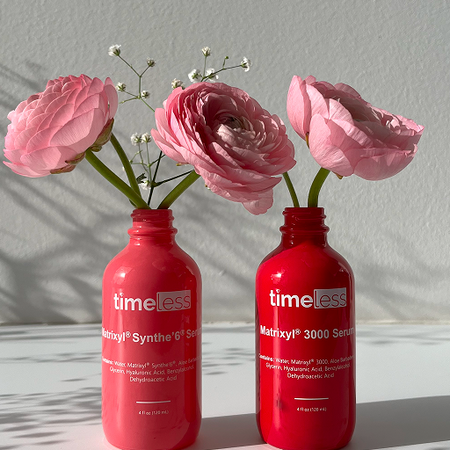
If you are using peptides, layer them here as well. Peptides like Matrixyl 3000 and Matrixyl Synthe'6 may help support the appearance of firmness. Learn more about Matrixyl 3000 and Matrixyl Synthe'6.
CoQ10 is another option for nighttime use. CoQ10 provides antioxidant support as the skin's natural CoQ10 levels decline with age. It helps improve the appearance of fine lines and supports firmer-looking skin. In the brand collection, the Coenzyme Q10 Serum represents this antioxidant serum category.
Note: If you have vitiligo, check with your dermatologist before using a CoQ10 product.
Vitamin B5 is another option for evening hydration. Vitamin B5 supports the skin barrier and helps the skin retain moisture. It also helps the skin feel more comfortable.
Step 5: Eye Cream
Pat your evening eye cream around the orbital area. Evening formulas can be slightly richer than daytime eye creams.
Step 6: Night Moisturizer and Facial Oils
Finish your nighttime routine with a moisturizer. A rich cream helps reduce moisture loss overnight when transepidermal water loss naturally increases.
If your skin feels dry, you can layer facial oil over your moisturizer as the outermost layer of your evening routine.
How to Layer Multiple Serums Without Conflicts
Many people use more than one serum to address different skin concerns. Layering multiple serums is straightforward once you understand consistency and ingredient compatibility.
The Serum Layering Order
When combining two or three serums in a single routine, follow this order:
- Low pH, water-thin treatments (such as L-ascorbic acid).
- Lightweight, aqueous hydrators (such as hyaluronic acid).
- Thicker, viscous peptide or barrier support serums.
- Emulsion-based or lipid-rich serums.
Ingredient Conflicts and Alternating Schedules
Certain active ingredients perform best when used at different times of day or on separate evenings. Managing potential conflicts keeps your skin comfortable and prevents unwanted flaking or redness.
| Ingredient | Best Time of Day | Ideal Pairing | Avoid Layering in Same Routine |
|---|---|---|---|
| Vitamin C (L-Ascorbic Acid) | Morning | Broad-spectrum sunscreen, Hyaluronic Acid | Direct acids (AHAs/BHAs), Retinoids |
| Alpha Hydroxy Acids (AHAs) | Evening | Hydrating serums, Barrier creams | Retinoids, Vitamin C |
| Beta Hydroxy Acid (BHA) | Evening or Morning | Hyaluronic Acid, Light moisturizers | Strong Retinoids |
| Retinoids | Evening | Peptides, Hyaluronic Acid, Barrier moisturizers | AHAs, BHAs, Vitamin C |
| Peptides | Morning or Evening | Hyaluronic Acid, CoQ10, Moisturizer | Strong direct acids |
If you want to use both exfoliating acids and retinoids, alternate them by night. For example, use an exfoliating acid on Monday, a retinoid on Tuesday, and focus entirely on barrier hydration on Wednesday.
Product Formulations and What to Look For
Selecting well-formulated products ensures that your layering steps work together without pilling or leaving a heavy residue.
Hyaluronic Acid and Molecular Form
Hyaluronic acid exists in various molecular weights. Sodium hyaluronate is the sodium salt of hyaluronic acid, while hydrolyzed hyaluronic acid contains smaller molecular fragments. Hyaluronic acid helps attract, bind, and retain water in the outer layers of the skin. The formulation literature describes medium-high molecular weight. See the Ingredient Glossary for ingredient definitions.
Vitamin C Stability and Packaging
L-ascorbic acid is sensitive to air, light, and heat. Vitamin E and ferulic acid may support formulation stability. Because oxidation is gradual, keep your serum tightly capped in a cool, dark place. An oxidized serum turns a dark orange-brown hue, loses potency over time, and may increase the likelihood of irritation for some people.
Peptide Complexes
Peptides are short chains of amino acids linked by peptide bonds. Formulations containing palmitoyl tripeptide-1, palmitoyl tetrapeptide-7, or palmitoyl tripeptide-38 are formulated in water-based solutions. They layer easily under daily moisturizers and integrate into both morning and nighttime routines.
Realistic Expectations for Skincare Results
Cosmetic skincare products support skin hydration, texture, and radiance, but results require patience and steady consistency.
Visible changes in the look of fine lines, firmness, texture, and radiance can be gradual with regular use. No single product or routine provides instant changes overnight.
Individual skin responses vary widely based on genetics, climate, lifestyle, and existing skin conditions. If you experience unexpected sensitivity or persistent irritation from any ingredient, discontinue use. Anyone with a diagnosed skin condition or known allergies should check with their dermatologist when introducing new steps.
Maintaining a consistent routine centered on cleansing, hydration, and sun protection provides a foundation for the long-term appearance of the skin.
Frequently Asked Questions
How long should I wait between skincare steps?
You do not need long wait times between most skincare steps. For hydrating serums, toners, and moisturizers, you can apply the next product as soon as the previous layer has settled into the skin and feels slightly tacky rather than wet. The main exceptions are chemical exfoliants and active vitamin C serums, which benefit from thirty to sixty seconds of settling time, and sunscreen, which should dry completely down for three to five minutes before applying makeup.
Can I apply hyaluronic acid and vitamin C together?
Yes, hyaluronic acid and vitamin C can be used together in a morning routine. Apply your vitamin C serum first onto clean skin, as it is a thinner, acidic formulation. Once the vitamin C absorbs, apply your hyaluronic acid serum over it to help attract, bind, and retain water in the outer layers of the skin. Finish with your regular moisturizer and a broad-spectrum sunscreen. Read more about hyaluronic acid and vitamin C together.
Should moisturizer go before or after facial oil?
Moisturizer should always be applied before a facial oil. Moisturizer helps reduce transepidermal water loss (TEWL). Apply facial oil after moisturizer in this sequence.
What is the most basic routine for beginners?
A basic beginner routine can start with three morning steps. In the morning, wash your face with a gentle cleanser, apply a lightweight moisturizer, and finish with a broad-spectrum sunscreen with SPF 30 or higher. In the evening, cleanse your face to remove daily grime and sunscreen, then apply your moisturizer. Once this core habit is established, you can add targeted serums based on your specific cosmetic goals.