Introduction
Building an effective daily routine requires more than simply choosing quality formulas. The sequence in which you apply each product can affect how well the products layer on your skin. When applied out of sequence, heavy creams can make lighter, water-based solutions harder to layer.
Understanding product layering eliminates guesswork. Veronica Pedersen founded Timeless Skin Care in 2009. Every formula is made in the USA in small batches.
Whether your daily regimen contains three steps or seven, following a consistent order can make a routine easier to manage.
Quick Answer: Apply your skincare products from thinnest to thickest texture. Water-based treatments like toners and serums go on clean skin first, followed by heavier creams, facial oils, and daily broad-spectrum sunscreen.
The Core Rule: Thinnest to Thickest Textures
The foundational principle of product application is simple: start with the lightest consistency and build toward the richest.
Water-based formulas are generally lighter and are often applied close to the skin's surface. Applying a rich cream first can make a lightweight fluid harder to layer and may contribute to pilling.
To determine where a product belongs, evaluate its base and viscosity:
- Water-based liquids: Toners, essences, and watery serums are applied closest to cleansed skin.
- Gel and fluid treatments: Moderately viscous serums and lightweight gels come next.
- Emulsions and lotions: Light moisturizers and eye creams provide balance between hydration and emollience.
- Rich creams and balms: Dense moisturizers help reduce transepidermal water loss (TEWL), the water that evaporates from the skin's surface.
- Facial oils: Lipid-dense oils are generally layered over water-based formulas.
- Sunscreen: Broad-spectrum sunscreen sits on top of all daytime skincare to form an even protective shield over the face.


The Morning Skincare Routine Order
Daytime skincare focuses on surface hydration and sun protection. Your morning routine prepares your face for exposure to environmental elements, fluctuating temperatures, and ultraviolet light.
1. Cleanser
Begin by washing your face with lukewarm water and a gentle cleanser. A morning cleanse clears away dead skin cells, excess overnight sebum, and leftover evening products. If you have very dry skin, a gentle rinse with plain water may be sufficient. Oily and combination skin types benefit from a mild foaming or gel cleanser to remove surface shine without stripping the skin barrier.
2. Hydrating Mist or Balancing Toner
Toners and mists provide a quick burst of surface hydration immediately after cleansing. Modern toners are formulated without harsh, drying alcohols. Instead, they rebalance the skin surface and prepare it to receive concentrated treatments. Pat your toner directly into the skin using your clean hands rather than a cotton pad to prevent unnecessary friction and product waste.
3. Antioxidant Serums
Morning use is common for concentrated antioxidant solutions. Applying an antioxidant serum helps defend against oxidative stress caused by environmental factors such as UV exposure and pollution.
Vitamin C is a water-soluble antioxidant and the most researched form of vitamin C. It helps brighten the look of dullness and uneven tone. Vitamin C is sensitive to air, light, and heat, so formulation and packaging matter. Vitamin E and ferulic acid may support formulation stability. Over time, vitamin C can gradually oxidize, and an oxidized formula may lose effectiveness or increase the likelihood of irritation for some people.
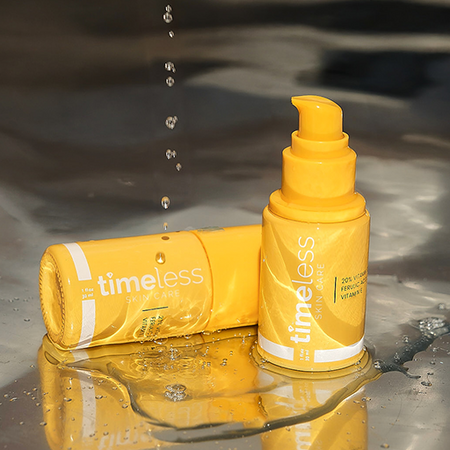
Vitamin C can be part of a morning routine when followed by broad-spectrum sunscreen. For a category example, see the 20% Vitamin C + E Ferulic Acid Serum.
4. Hydrating and Peptide Serums
If you use multiple serums in the morning, layer your water-based hydrators after your primary active treatments.
Hyaluronic acid is a classic humectant that helps attract, bind, and retain water in the outer layers of the skin. It helps support hydration in the upper layers of the epidermis and helps improve the appearance of dehydration lines. Hyaluronic acid is a humectant, not a moisturizer. Follow it with a moisturizer.
Peptides are short chains of amino acids that may help support the appearance of firmness. They layer easily over clean skin and integrate smoothly alongside morning antioxidants.
5. Eye Cream
The skin around the orbital bone is noticeably thinner than the rest of the face. An eye cream delivers targeted emollients to smooth and comfort this delicate area. Applying eye cream before your full-face moisturizer can help the product stay where you place it. Use your ring finger to gently tap a pea-sized amount along the orbital bone, avoiding direct contact with the eyelid and waterline.
6. Daytime Moisturizer
A daily moisturizer helps reduce moisture loss. Look for formulas featuring ceramides, squalane, or light plant oils that feel comfortable under cosmetics. Those with oily skin can opt for an oil-free gel cream, while dry complexions benefit from a richer lotion.
7. Broad-Spectrum Sunscreen
Sunscreen is the final step of every morning routine. Daily broad-spectrum sunscreen with an SPF of 30 or higher helps defend the skin against UVA and UVB radiation. UV exposure is a primary driver of premature visible aging, including fine lines, uneven pigmentation, and skin laxity.
Apply sunscreen generously to your face, ears, neck, and the backs of your hands fifteen minutes before heading outside. Reapply every two hours if you are outdoors, sweating, or swimming. Never mix your sunscreen directly into your moisturizer or foundation, as diluting the formula compromises its protective film.
The Evening Skincare Routine Order
Evening routines can accommodate richer textures and potent resurfacing ingredients that may make skin sensitive to daylight.
- First Cleanse (Makeup and Sunscreen Removal): Use a cleansing balm, micellar water, or cleansing oil on dry skin to dissolve long-wear makeup, silicones, and water-resistant sunscreen filters.
- Second Cleanse: Wash with a gentle water-based cleanser to lift away remaining residue, sweat, and surface impurities without disrupting the lipid barrier.
- Exfoliants or Acid Toners (Two to Three Times Weekly): Alpha hydroxy acids like glycolic or lactic acid, or beta hydroxy acids like salicylic acid, sweep away dead surface cell accumulation. Use chemical exfoliants on alternating nights from other potent ingredients to avoid unnecessary irritation.
- Treatment Serums: Apply targeted formulas directly to clean, slightly damp skin. This is a suitable stage for peptide complexes, barrier support formulas, or CoQ10. Coenzyme Q10 is a lipid-soluble antioxidant naturally found in skin. It provides antioxidant support as the skin's natural CoQ10 levels decline with age. It supports firmer-looking skin. It helps improve the appearance of fine lines. CoQ10 is generally used once daily. If you have vitiligo, check with your dermatologist before using a CoQ10 product.
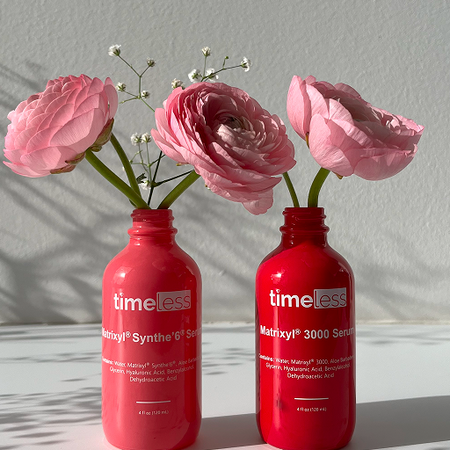
- Hydration Support: Apply humectant solutions to support hydration in the upper layers of the epidermis. For a category example, see Hyaluronic Acid 100% Pure. For a peptide serum category example, see Matrixyl® 3000 Serum.
- Eye Treatment: Tap an eye cream around the eye contour to soften the look of fine lines and keep the delicate eye area comfortable overnight.
- Night Cream or Sleeping Moisturizer: Apply a moisturizer. Night creams often feature richer emollient profiles, and a moisturizer helps reduce moisture loss during sleep.
- Facial Oil (Optional): If your skin feels particularly dry or parched, press two to three drops of facial oil over your night cream as a final conditioning layer.
Key Takeaway: Your daytime regimen focuses on antioxidant serums and broad-spectrum sun protection. Your evening regimen centers on thorough cleansing, targeted skin treatments, and rich moisture replenishment.
How to Layer Multiple Serums Without Conflicts
Many people use more than one serum to address different cosmetic goals. Layering serums properly requires paying attention to base consistency, pH balance, and ingredient interactions.
| Product Type | Primary Role | Ideal Timing | Layering Order |
|---|---|---|---|
| Vitamin C (L-Ascorbic Acid) | Helps brighten the look of dullness and uneven tone | Morning | First serum step on dry, clean skin |
| Hyaluronic Acid | Helps attract, bind, and retain water in the outer layers of the skin | Morning and/or Evening | Immediately after active treatments on damp skin |
| Peptides | May help support the appearance of firmness | Morning and/or Evening | After low-pH actives, before heavier creams |
| CoQ10 | Provides antioxidant support as the skin's natural CoQ10 levels decline with age | Morning or Evening | After water-based serums, before moisturizers |
| Chemical Exfoliants (AHA/BHA) | Exfoliates dead surface skin cells | Evening, two to three times weekly | Immediately following cleansing |
Base Formulation Matters
Always apply water-based serums before anhydrous, or water-free, or oil-based serums. A thin, watery serum may not layer well over an oily product. If you have two serums with the same consistency, apply the one that targets your primary cosmetic priority first so it contacts the skin directly.
Managing Active Ingredients
Certain ingredients perform best when used at specific times or on alternating days:
- Direct Acids and Retinoids: Using strong exfoliating acids and retinoids at the exact same time can overwhelm the skin barrier. Alternate them by using an exfoliating acid one evening and your retinoid the next.
- Vitamin C and Exfoliating Acids: Vitamin C has an acidic formulation. Combining it with strong exfoliating acids in a single session can increase skin reactivity. Use vitamin C in the morning and reserve resurfacing acids for nighttime.
- Layering Limit: Using more than two or three serums in a single routine is rarely necessary. Stacking too many concentrated solutions increases the chance of ingredient incompatibilities and product pilling.
Note: Wait roughly one minute between serum layers to allow the liquid to settle into the skin surface before applying the next step.
For additional routine guidance, see How to Layer Multiple Serums.
Managing Realistic Expectations for Cosmetic Results
When starting a new skincare regimen, patience is essential. Cosmetic changes do not happen overnight. The outermost layer of your skin continuously turns over, a cycle that naturally slows as you get older.
Visible changes in surface hydration and skin comfort may appear with consistent moisturizer and humectant use. Changes in the look of skin firmness, clarity, fine lines, and uneven tone can take longer and vary by person.
Every individual skin profile is unique. Factors like genetics, climate, stress levels, hormonal shifts, and daily UV exposure influence how your skin responds to topical products.
Individual reactions to cosmetic ingredients vary. Anyone with a known sensitivity or diagnosed skin condition should check with their dermatologist before introducing new active formulas into their routine. Consistency, sun protection, and barrier maintenance form the foundation of a long-term routine.
If you are unsure how to organize your products, the skincare quiz can help guide your routine-building process.
Frequently Asked Questions
How long should you wait between applying each skincare step?
Most skincare steps do not require long wait times. You can apply water-based toners, serums, and moisturizers in steady succession once each formula feels absorbed and no longer tacky on the skin, which usually takes thirty to sixty seconds. The main exception is sunscreen. Allow your daytime moisturizer to absorb fully for one to two minutes before applying broad-spectrum sunscreen so the protective UV film forms smoothly.
What is the correct order for applying multiple serums?
Apply multiple serums according to their texture, starting with the thinnest, most watery consistency and progressing to thicker gels or light oils. If two serums have identical watery textures, apply the product targeting your main concern first so it has direct contact with clean skin. Avoid layering more than two or three serums in a single routine to prevent heavy buildup and product pilling.
Can you apply face oil before moisturizer?
Because oils are lipid-dense, they are generally applied after moisturizer rather than underneath it. A moisturizer helps reduce moisture loss, and pressing a few drops of oil over your cream can provide a final conditioning layer overnight.
Does sunscreen always have to be the last step in the morning?
Yes, broad-spectrum sunscreen must always be the final step of your morning skincare regimen before any makeup application. Sunscreen works by forming an even, continuous protective layer over the skin surface to shield it from UV rays. Applying moisturizers, oils, or serums on top of sunscreen can disrupt that protective layer and reduce its ability to protect your skin from sun damage.