Introduction
Building an effective skincare routine involves more than selecting quality formulas. The sequence in which you apply products can affect how they sit on the skin.
At Timeless Skin Care, founded in 2009 by Veronica Pedersen, the focus is on straightforward formulas. Our guiding philosophy remains simple: Healthy Skin Is Timeless. To help you get the most out of your daily regimen, this guide breaks down the science of product layering into clear, manageable steps for both morning and evening.
Key Takeaway: Apply your skincare products from thinnest to thickest texture, starting with lightweight water-based formulas and finishing with richer creams or oils.
Understanding the logic behind application order helps lightweight hydrators reach the surface of your skin while richer moisturizers help reduce moisture loss. Whether your routine consists of three essential steps or a comprehensive multi-step regimen, following the correct order can help you achieve a smoother, more radiant complexion.
The Golden Rule: Texture and Base
Skincare layering follows basic physical and chemical principles. If you remember one core guideline, make it this: apply products from thinnest consistency to thickest consistency, moving from water-based to oil-based formulas.
Thinnest to Thickest Consistency
Low-viscosity liquids, such as watery toners and lightweight serums, are generally applied before thicker products. If you apply a dense moisturizing cream first, its rich emollient base can make it harder for lighter, water-based solutions to spread evenly. Applying a liquid serum over a heavy cream can leave the serum sitting on the surface or sliding around.
Water-Based Before Oil-Based
Water and oil naturally repel each other. Water-based formulas should go on clean skin first so they can hydrate the surface effectively. Oil-based formulas and anhydrous, or water-free, solutions generally follow. Oil-based formulas belong toward the end of your routine.
Product Format Priority
The table below outlines how different skincare formats fit into a logical application sequence based on texture and base formulation.
| Routine Phase | Formulation Format | Texture Description | Primary Role in Routine |
|---|---|---|---|
| Prep | Water-based liquid | Watery, fluid, ultra-light | Cleansing and surface hydration |
| Treat (Step 1) | Water-based serum | Low viscosity, fast-absorbing | Concentrated active delivery |
| Treat (Step 2) | Emulsion or light gel | Moderate viscosity, light slip | Targeted support and hydration |
| Treat (Step 3) | Anhydrous or oil-based serum | Richer liquid, slow spread | Specialized antioxidant or lipid care |
| Seal | Cream, lotion, or balm | Emollient, dense, rich | Surface barrier support |
| Defend (AM) | Broad-spectrum sunscreen | Fluid to lotion finish | UV defense, a non-negotiable daytime step |


Step-by-Step Morning Skincare Routine Order
Your morning routine focuses primarily on hydration and daytime defense against environmental elements. During the day, your skin faces exposure to sunlight, dry air, and airborne pollution. Layering your products correctly in the morning helps keep your skin hydrated and balanced throughout the day.
Step 1: Gentle Cleanser
Start your morning by washing your face with a mild, water-based cleanser or rinsing thoroughly with lukewarm water. Morning cleansing removes surface oils, sweat, and residue from products applied the night before. A clean canvas makes subsequent layering easier.
Step 2: Hydrating Toner or Refreshing Mist
If you choose to use a toner, apply it immediately after cleansing while the skin is slightly damp. Modern hydrating toners help refresh the complexion and prepare the surface for targeted treatments. Toners with humectant ingredients assist in surface moisture binding.
Step 3: Targeted Water-Based Serums
Water-based serums typically feature lightweight, fast-absorbing bases, so they belong directly on freshly cleansed, toned skin.
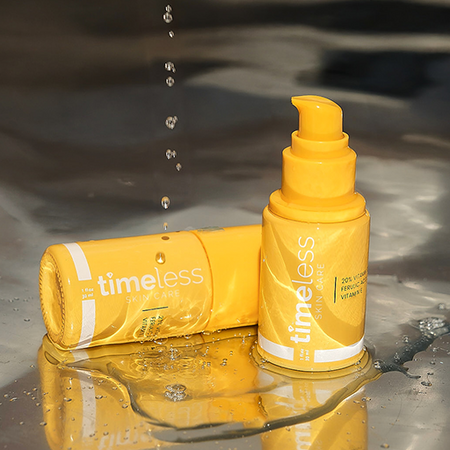
Morning use is common for antioxidant serums, but it is not the only option. An antioxidant helps defend against oxidative stress caused by environmental factors such as UV exposure and pollution. Vitamin C is one of the most widely researched topical antioxidants available. Vitamin C helps brighten the look of dullness and uneven tone. When used in the morning, pair vitamin C with broad-spectrum sunscreen. Our 20% Vitamin C + E Ferulic Acid Serum is a vitamin C serum.
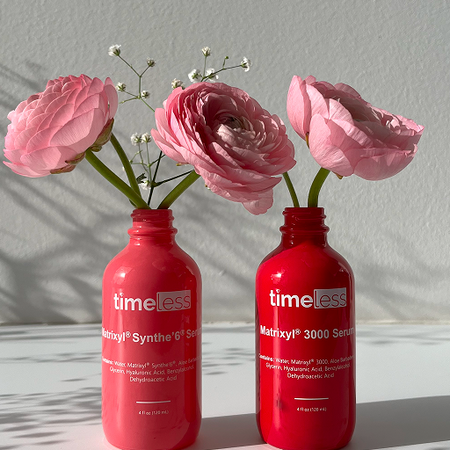
Peptides are another option for daytime layering. A peptide serum may help support the appearance of firmness. Our Matrixyl® 3000 Serum is a peptide serum.
If you layer multiple water-based serums in the morning, apply the one targeting your primary cosmetic concern first, allow it a moment to settle, and then apply the second.
Step 4: Eye Cream
The skin surrounding the eyes is thinner than the rest of the facial skin. Applying an eye product before your full-face moisturizer ensures that targeted ingredients reach this delicate area without competing against heavier facial creams. Our Dark Circle Peptide Complex Eye Cream is an eye cream. Gently tap your eye product along the orbital bone using your ring finger to avoid pulling the skin.
Step 5: Daytime Moisturizer
A daytime moisturizer helps reduce transepidermal water loss (TEWL). TEWL is the water that evaporates from the skin's surface. Choose a texture that aligns with your skin type: lightweight gel-creams work well for oilier complexions, while richer lotions support drier skin types.
Step 6: Broad-Spectrum Sunscreen
Sunscreen is the mandatory final step of every morning skincare routine. A broad-spectrum sunscreen protects against both UVA and UVB radiation. Apply an adequate amount to your face, neck, and ears as the last skincare layer before any makeup application. Applying other skincare products over sunscreen can dilute its protective film and reduce its defensive capability.
Quick Answer: In the morning, follow this sequence: Cleanser, Toner, Targeted Serum, Eye Cream, Moisturizer, and Broad-Spectrum Sunscreen.
Step-by-Step Evening Skincare Routine Order
Your nighttime routine centers on thorough cleansing, targeted care, and moisture replenishment. Night can be a time to introduce richer textures, exfoliants, or retinoids, depending on the formula and your routine.
- Cleanse thoroughly.
- Apply targeted treatments.
- Moisturize and support the skin barrier.
Step 1: First Cleanse (Makeup and Sunscreen Removal)
If you wear makeup or water-resistant sunscreen, an oil-based cleanser, cleansing balm, or micellar water helps break down surface impurities. Massage the product gently over dry skin to dissolve cosmetic pigments and surface oils before rinsing.
Step 2: Second Cleanse (Water-Based Cleanser)
Follow your first cleanse with a gentle, water-based face wash. This step ensures that sweat, residual grime, and any leftover cleansing oil wash away cleanly, leaving the surface clear for your leave-on treatments.
Step 3: Chemical Exfoliant (1 to 3 Times Weekly)
If your regimen includes chemical exfoliants like glycolic, lactic, or salicylic acid, apply them directly after cleansing on dry skin. Chemical exfoliants help loosen dead surface skin cells to reveal smoother-looking skin. Limit exfoliation to a few nights per week to help reduce the risk of surface irritation.
Step 4: Hydrating Serums and Barrier Support
Nighttime is ideal for humectant-rich serums. Hyaluronic acid is a humectant. It helps attract, bind, and retain water in the outer layers of the skin. It helps support hydration in the upper layers of the epidermis. It helps improve the appearance of dehydration lines.
Vitamin B5 supports the skin barrier and helps the skin retain moisture. It helps the skin feel more comfortable.
Step 5: Retinoids or Nighttime Actives
Retinol and other vitamin A derivatives are widely used evening treatments. They are sensitive to sunlight and can increase photosensitivity, making nighttime application ideal. Apply a pea-sized amount to dry skin. If your skin is prone to dryness from retinoids, you can apply your hydrating serum first to provide a comfortable base layer.
Step 6: Night Cream, Barrier Balm, or Facial Oil
Finish your evening routine with a nourishing moisturizer or night cream. A rich night formula helps reduce moisture loss. If you use a facial oil, you can press a few drops over your moisturizer as the final step to provide an extra emollient cushion for dry skin.
Layering Multiple Serums and Active Ingredients
Many people use more than one serum to address different skin concerns. Layering multiple treatments requires attention to consistency, ingredient compatibility, and skin tolerance.
The Rule for Multiple Serums
When applying more than one serum in a single routine, follow these simple guidelines:
- Layer from lightest viscosity to heaviest viscosity.
- Apply water-based serums before anhydrous or oil-based solutions.
- If two serums have the same consistency, apply the one that addresses your main skin priority first.
- Limit your routine to two or three serums per session to help limit pilling and product waste.
Managing Active Ingredients
Certain potent ingredients may work better when spaced apart rather than layered at the same moment. For instance, using strong direct acids and high-concentration retinoids in the same evening can contribute to dryness. Instead, rotate them across alternate nights.
For example, Ubiquinone, known as CoQ10, is a lipid-soluble antioxidant naturally found in skin. CoQ10 provides antioxidant support as the skin's natural CoQ10 levels decline with age. CoQ10 helps improve the appearance of fine lines. CoQ10 supports firmer-looking skin. CoQ10 is generally used once daily and should never be applied under the eyes. If you have vitiligo, check with your dermatologist before using a CoQ10 product.
Individual reactions to active ingredients vary significantly. Anyone with a known sensitivity or a diagnosed skin condition should check with their dermatologist before introducing new concentrated formulas into their routine.
Realistic Expectations: Setting Timelines for Cosmetic Results
When refining your skincare routine order, patience and consistency matter just as much as correct layering. Skincare products do not produce instant transformations overnight. Surface hydration may look improved sooner than changes in the appearance of skin texture, firmness, and tone, which may develop gradually with consistent use.
Note: Cosmetic improvements develop with steady, daily application. Give a routine time to settle before adjusting products.
Avoid changing your entire product lineup all at once. Introducing one new formula at a time allows you to observe how your skin responds and ensures your routine remains comfortable and balanced.
Frequently Asked Questions
How long should I wait between applying each skincare step?
You do not need to wait extended periods between routine steps. For most water-based toners and serums, waiting thirty to sixty seconds allows the formula to settle enough so the next product does not slide around. Allow your moisturizer a minute to settle before applying your broad-spectrum sunscreen so the sunscreen forms an even, protective layer over the skin.
Can I apply my facial oil before my moisturizer?
In general, facial oils perform best when applied after or mixed into your moisturizer. Because oils are emollient and occlusive, applying an oil before a water-based moisturizing lotion can make it harder for the water-based hydrators in the lotion to reach the skin surface. Drier skin types may find facial oil useful as the final step of an evening routine.
Do I need to use the exact same routine every morning and night?
Your morning and evening routines should serve different purposes. Your morning routine centers on antioxidant support, lightweight hydration, and daily broad-spectrum sun defense. Your evening routine focuses on thorough cleansing, barrier support, and targeted treatments such as exfoliants or retinoids. Tailoring each routine to daytime defense and nighttime replenishment can support balanced care.
For help organizing products around your routine, explore our skincare quiz.
What should I do if my skincare products start pilling during application?
Pilling occurs when products roll up into tiny balls on the surface of the skin instead of absorbing. This commonly happens when products are applied too quickly over one another, when too much product is used, or when an oil-based formula is placed underneath a water-based product. To prevent pilling, apply smaller amounts of product, allow each layer a moment to settle, and ensure you follow the rule of applying light, water-based formulas before heavier creams or oils.