Introduction
Standing in front of your bathroom mirror with several bottles and jars can feel confusing. Applying products in the wrong sequence can make layering less comfortable or cause unwanted dryness.
A straightforward rule for layering skincare is to apply products from thinnest to thickest consistency. Watery liquids go on first, followed by lightweight treatments, richer creams, and daytime sun protection. A consistent sequence can make layering more straightforward.
Quick Answer: Cleanse first, apply thin serums and treatments to clean skin, follow with a moisturizer, and always finish your morning routine with a broad-spectrum sunscreen.
Why Product Order Matters
Skincare products come in different textures, so they are generally layered from lighter to richer formulas. Water-based liquids are typically applied before creams and facial oils, which are usually applied later.
Applying a thick moisturizing cream before a lightweight serum can make it harder to layer the serum comfortably.
Layering correctly also supports your moisture barrier. Cleansing clears away surface debris, serums deliver concentrated topical ingredients, and moisturizers help reduce transepidermal water loss (TEWL), the water that evaporates from the skin's surface.
The basic sequence is:
- Cleanse.
- Apply serum.
- Apply moisturizer.
- Apply sunscreen.
Let us look at the fundamental formula formats and how they layer:
| Texture Type | Example Products | Placement Order |
|---|---|---|
| Water-Based Liquid | Toners, watery essences | First after cleansing |
| Light Gel or Fluid | Water-soluble antioxidant serums, humectants | Second |
| Dense Suspension or Emulsion | Thicker peptide serums, eye creams | Third |
| Cream or Lotion | Daily facial moisturizers, night creams | Fourth |
| Occlusive Oil or Balm | Plant oils, rich face balms | Fifth (or mixed with cream) |
| Sunscreen | Broad-spectrum mineral or chemical SPF | Final step (AM only) |


Morning Skincare Routine Order
Your morning routine focuses on defending against daily environmental exposure and maintaining surface hydration throughout the day. For help organizing a routine, use the skincare quiz.
- Cleanse: Wash with lukewarm water or a gentle cleanser to remove overnight oil, sweat, and residual evening products.
- Tone or Mist (Optional): If you use a balancing toner or hydrating mist, apply it immediately after washing while the skin is slightly damp.
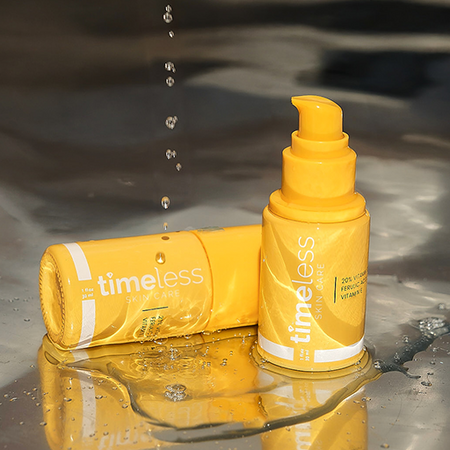
- Antioxidant Serum: Morning is the most common recommendation for antioxidant application. An antioxidant serum such as 20% Vitamin C + E Ferulic Acid Serum can be part of a morning routine. Ascorbic acid is a water-soluble antioxidant. It helps defend against oxidative stress caused by environmental factors such as UV exposure and pollution. It helps brighten the look of dullness and uneven tone.
- Hydrating Serum (Optional): If your skin needs extra hydration, apply a humectant next. Hyaluronic acid helps attract, bind, and retain water in the outer layers of the skin.
- Eye Cream: Tap a small amount around the orbital bone using your ring finger.
- Moisturizer: A lightweight lotion or gel cream helps reduce moisture loss and keeps the skin supple throughout the day.
- Broad-Spectrum Sunscreen: Make broad-spectrum sunscreen the final step every morning. Apply an SPF of 30 or higher generously over your entire face, neck, and ears.
Key Takeaway: Never layer any skincare treatment over your sunscreen. Sunscreen forms a protective surface film, and adding products over top can dilute or disrupt that barrier.
Evening Skincare Routine Order
Your nighttime routine removes the accumulation of daily grime, makeup, and sunscreen while supporting hydration as you rest.
- First Cleanse (Makeup/Sunscreen Removal): Use a gentle oil cleanser or micellar water to break down stubborn sunscreen and makeup without harsh rubbing.
- Second Cleanse: Follow with a mild water-based cleanser to wash away sweat, airborne pollutants, and residue.
- Exfoliant (1 to 3 times weekly): If using chemical exfoliants like glycolic or salicylic acid, apply them after cleansing. Avoid using strong exfoliants on the same night as concentrated retinoids to minimize potential irritation.
- Treatment Serums: Apply targeted formulas to clean skin. Peptides may help support the appearance of firmness. If using multiple serums, apply water-based formulas before thicker emulsions.
- Eye Cream: Smooth a gentle eye cream around the eye contour before heavy facial creams. Browse the eye cream collection for available options.
- Night Moisturizer: Use a richer facial cream that helps reduce moisture loss overnight.
- Facial Oil (Optional): If your skin is dry, press a few drops of face oil over your moisturizer as the final step.
How to Layer Multiple Serums and Active Ingredients
When your routine includes several treatment products, deciding which one comes first can seem tricky. Follow these practical guidelines. For additional layering guidance, read how to layer multiple serums.
Format and Consistency
Always apply water-based treatments before anhydrous (water-free) liquids, emulsions, and oils. A thin antioxidant fluid goes onto bare skin before a viscous peptide gel.
Addressing Primary Concerns
If two serums share a similar watery consistency, apply the one that targets your primary cosmetic goal first. If you want to address skin firmness first, apply your peptide serum before your humectant serum. Standalone peptide options are available in the anti-wrinkle serum collection.
Ingredient Spacing
Some potent ingredients are best used at different times of day rather than layered back-to-back:
- Vitamin C and Direct Exfoliants: Using strong alpha-hydroxy acids at the same moment as ascorbic acid may cause irritation. Many people use vitamin C in the morning with broad-spectrum sunscreen and reserve chemical exfoliants for alternate evenings.
- Retinoids and Acids: Alternating nights may help minimize unnecessary dryness.
- CoQ10 Application: CoQ10 provides antioxidant support as the skin's natural CoQ10 levels decline with age. It helps improve the appearance of fine lines and supports firmer-looking skin. CoQ10 is generally used once daily in either the morning or evening. See a CoQ10 product for one option. If you have vitiligo, check with your dermatologist before using a CoQ10 product.
Realistic Expectations for Skincare Results
Building an orderly skincare routine creates healthy daily habits, but visible changes do not happen overnight. The skin undergoes a natural renewal cycle, and visible changes may take time.
Cosmetic improvements in skin brightness, texture, and the appearance of fine lines develop gradually through consistent daily application. A product that delivers visible radiance for one person may take longer to show visible changes for someone else.
Individual reactions vary based on skin type, barrier health, and climate. Anyone with a known sensitivity or diagnosed skin condition should check with their dermatologist when establishing a new regimen.
Frequently Asked Questions
How long should I wait between applying each skincare step?
You do not need to wait several minutes between every product. Simply allow each layer to absorb into the skin so your face no longer feels wet before moving to the next step. The only exception is sunscreen, which should dry down before you apply makeup over top.
Can I skip morning cleanser and just use water?
Yes, many individuals with dry or sensitive skin prefer rinsing with cool or lukewarm water in the morning. However, if you wake up with excess surface oil or used a heavy nighttime balm, a gentle cleanser helps clear the canvas for your daytime serums.
Do I really need an eye cream, or can I use my facial moisturizer?
Eye creams are formulated specifically for the thinner skin around the eyes and often have lighter textures. If your regular facial moisturizer is fragrance-free and does not cause puffiness or irritation, you can gently bring it near the eye area.
What is the most important step in any skincare routine?
While cleansing and moisturizing form the foundation of skin comfort, daily broad-spectrum sunscreen is a key step in any morning routine. Sun protection defends against UV exposure that contributes to uneven tone and premature signs of aging.