Introduction
Building an effective skincare routine involves more than selecting quality formulas. How you layer those formulas affects how they spread and settle on the skin. Applying products in the wrong sequence may contribute to pilling, unnecessary irritation, or an uncomfortable routine.
The general rule for skincare application is straightforward: apply products from thinnest to thickest consistency, starting with watery liquids and ending with rich creams or oils. Daytime routines prioritize hydration and daily defense against external elements. Nighttime routines focus on cleansing and targeted care while you rest.
Understanding the logic behind this structure takes the guesswork out of your daily regimen. Whether you maintain a minimalist three-step routine or use several targeted treatments, following the proper order helps keep each step organized. For help organizing a routine, try our skincare quiz.
Key Takeaway: Layer products from the lightest, most fluid texture to the heaviest, thickest texture. Water-based treatments generally go first, followed by rich creams, oils, and daytime sunscreen.
The Core Principles of Skincare Layering
Skincare products generally fall into two categories: water-based and oil-based. Water-based products may not spread as readily over an oil-based film. If you apply a dense facial cream first and then pat a lightweight liquid serum over it, the serum may remain more on the surface.
The Texture Rule: Thinnest to Thickest
The most reliable guideline for product application is formulation viscosity. Fluid textures like liquid toners, watery essences, and light serums spread readily across the skin. Medium textures like emulsions, gel creams, and lotions settle in next. Dense textures like heavy creams, balms, and facial oils sit on the surface.
Understanding pH and Absorption
Certain active ingredients are formulated to work within particular conditions. L-ascorbic acid is formulated in an acidic environment. Applying high-pH products or heavy creams immediately before an acidic serum may change how it spreads.
Concentration is not the only factor that affects a formula. Visible results also depend on the form of the active, overall formulation balance, pH for L-ascorbic acid, stability, and packaging. For ingredient definitions, refer to our ingredient glossary. Give each targeted step a moment to settle into the skin before applying the next formula.
Damp vs. Dry Skin Application
The moisture level of your skin when applying products influences how formulas behave:
- Water-soluble humectants perform best when applied to slightly damp skin, which provides surface water for the ingredients to bind.
- Potent active ingredients like retinoids or exfoliating acids are best applied to completely dry skin to minimize the likelihood of irritation.
- Cleansers, rinse-off treatments, and facial oils have specific damp or dry application requirements depending on their emulsifier systems.
| Product Type | Skin Surface State | Primary Reason |
|---|---|---|
| Hydrating Toners & Essences | Slightly damp | Supports surface hydration and spreadability |
| Humectant Serums | Slightly damp | Provides water in the outer layers of the skin |
| Direct Acid Exfoliants | Completely dry | Helps reduce the risk of irritation |
| Retinoids | Completely dry | Helps reduce rapid, uneven absorption that causes sensitivity |
| Facial Oils | Damp or over moisturizer | Helps smooth application and reduce moisture loss |


Step-by-Step Morning Skincare Routine Order
Your morning routine is designed to prepare your skin for the day ahead. During daytime hours, your skin faces environmental stressors, fluctuating humidity, and UV exposure. The daytime order focuses on lightweight hydration, antioxidant support, and non-negotiable sun protection.
- Gentle cleanser.
- Hydrating toner or essence, optional.
- Water-based antioxidant or treatment serum.
- Eye cream, optional.
- Daily moisturizer.
- Broad-spectrum sunscreen.
Step 1: Cleanser
Morning cleansing removes overnight oil production, residual evening products, and surface debris. A gentle, non-stripping water-based cleanser refreshes the skin without disrupting the moisture barrier. If your skin feels particularly dry or sensitive in the morning, a simple rinse with lukewarm water may suffice.
Step 2: Hydrating Toner or Essence
If you choose to use a toner or essence, apply it immediately after cleansing while your skin remains slightly damp. Modern hydrating toners help balance the skin surface and prepare the upper layers of the epidermis for subsequent treatments. Avoid harsh, alcohol-based astringents, which can strip natural lipids and cause surface dryness.
Step 3: Targeted Daytime Serums
Serums are concentrated liquid or gel formulations designed to target specific cosmetic concerns. Morning use is the most common recommendation for vitamin C. Vitamin C helps brighten the look of dullness and uneven tone. It also helps defend against oxidative stress caused by environmental factors such as UV exposure and pollution.
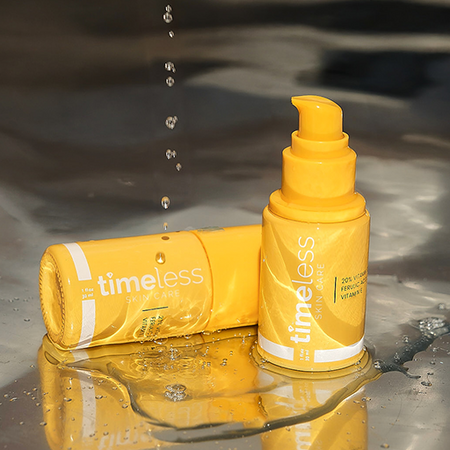
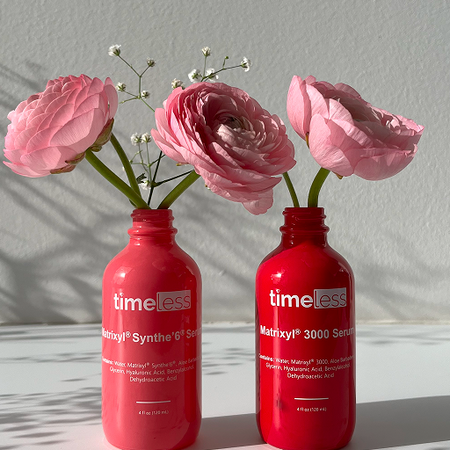
Other daytime options include humectant serums. Hyaluronic acid is a humectant, not a moisturizer. Hyaluronic acid helps attract, bind, and retain water in the outer layers of the skin. If you use multiple serums, apply the thinnest, most watery formula first. The Timeless Skin Care lineup includes 20% Vitamin C + E Ferulic Acid Serum.
Step 4: Eye Cream
The skin surrounding the eyes is thinner than the rest of the face. If you use a dedicated eye product, gently tap a small amount around the orbital bone before applying your facial moisturizer. Browse the eye creams collection for dedicated eye products.
Step 5: Moisturizer
Moisturizer delivers emollient and occlusive components to the skin. This step helps reduce transepidermal water loss (TEWL), the water that evaporates from the skin's surface. Choose a gel, lotion, or cream based on your individual skin type and the ambient climate.
Step 6: Broad-Spectrum Sunscreen
Sunscreen is the mandatory final step of every morning skincare routine. Mineral or chemical sunscreens must form a uniform protective layer across the skin to shield against UV rays. Applying serums or moisturizers on top of sunscreen can disrupt this protective film and dilute its effectiveness. Apply your broad-spectrum sunscreen with SPF 30 or higher generously across the face, neck, and ears, allowing it to dry before applying any makeup.
Quick Answer: In the morning, always finish your skincare steps with broad-spectrum sunscreen before applying any foundation or color cosmetics. Sunscreen should sit as the outermost protective layer.
Step-by-Step Evening Skincare Routine Order
Your nighttime regimen focuses on thorough cleansing, targeted care, and restoring comfort. The evening environment allows you to use ingredients that degrade in daylight or cause sun sensitivity, such as retinoids and exfoliating acids.
- Makeup remover or cleansing oil, step 1 of a double cleanse.
- Water-based cleanser, step 2 of a double cleanse.
- Chemical exfoliant or clarifying treatment, used 2 to 3 times weekly.
- Hydrating serum or peptide treatment.
- Retinoid or targeted night treatment.
- Night moisturizer or barrier cream.
- Facial oil, optional.
Step 1 and Step 2: Double Cleansing
If you wear sunscreen or makeup during the day, double cleansing provides a thorough clean without aggressive scrubbing:
- First cleanse: Use an oil-based cleanser, cleansing balm, or micellar water on dry skin to dissolve long-wear makeup, excess sebum, and oil-soluble sunscreen filters. Rinse thoroughly.
- Second cleanse: Follow with a gentle water-based gel or cream cleanser to remove water-soluble impurities and sweat.
Step 3: Exfoliants (Periodic Use)
Chemical exfoliants containing alpha-hydroxy acids, like glycolic or lactic acid, or beta-hydroxy acids, like salicylic acid, help remove dead surface skin cells and smooth the look of skin texture. These products should be applied to clean, dry skin immediately after cleansing. Because overuse can compromise the skin barrier, limit direct acid exfoliation to two or three evenings per week rather than daily use.
Step 4: Hydrating and Peptide Serums
After exfoliating, or directly after cleansing on non-exfoliating nights, apply your hydrating or peptide treatments. Hyaluronic acid helps support hydration in the upper layers of the epidermis. Hyaluronic acid helps improve the appearance of dehydration lines. For product information, see Hyaluronic Acid 100% Pure.
Peptide formulas also fit into this step. Peptides may help support the appearance of firmness across the skin. If you are layering multiple water-based serums, apply them in order of lightest viscosity to thickest viscosity. For additional guidance, read about how to layer multiple serums.
Step 5: Retinoids
Retinoids, including over-the-counter retinol and retinal, are popular additions to evening routines. Apply a pea-sized amount over completely dry skin. If your skin is sensitive to retinoids, you can use the sandwich method: apply a light layer of moisturizer, let it dry, apply your retinoid, and follow with another layer of moisturizer to cushion the active.
Step 6: Night Moisturizer
A night moisturizer helps reduce moisture loss overnight while you sleep. Evening moisturizers are often slightly richer than daytime lotions, providing emollient lipids that help reduce moisture loss overnight.
Step 7: Facial Oil (Optional)
If your skin is prone to dryness or exposed to arid indoor heating, a few drops of facial oil can be pressed over your moisturizer as an optional final step. A facial oil can sit over water-based layers. It helps reduce transepidermal water loss (TEWL), the water that evaporates from the skin's surface.
How to Layer Specific Active Ingredients
Pairing active ingredients requires careful attention to skin tolerance, formulation pH, and timing. While modern formulas are sophisticated, combining too many potent actives in a single routine can overwhelm the skin barrier.
| Active Ingredient | Optimal Routine Time | Compatible Layering Partners |
|---|---|---|
| Vitamin C (L-Ascorbic) | Morning | Hyaluronic Acid, Vitamin E, Sunscreen |
| Hyaluronic Acid | Morning and Evening | Peptides, Vitamin B5, Retinoids |
| Peptides | Morning or Evening | Hyaluronic Acid, CoQ10, Ceramides |
| Coenzyme Q10 | Morning or Evening | Peptides, Hyaluronic Acid, Squalane |
| Retinoids | Evening | Ceramides, Hyaluronic Acid, Glycerin |
| AHA / BHA Exfoliants | Evening, periodic | Hydrating Serums, Barrier Creams |
Vitamin C and Antioxidants
Morning use is the most common recommendation for L-ascorbic acid, and it should be paired with broad-spectrum sunscreen. It helps neutralize free radicals generated by UV exposure. It supports the skin's antioxidant defenses. Because L-ascorbic acid is formulated in an acidic environment, apply it directly to clean, dry skin before neutral-pH humectants. Allow the serum thirty to sixty seconds to settle before adding hydrating layers.
Peptides, Humectants, and Antioxidants
Peptides are chains of amino acids that layer comfortably alongside humectants like hyaluronic acid and vitamin B5. Vitamin B5 supports the skin barrier and helps the skin retain moisture. It helps the skin feel more comfortable.
Antioxidants like ubiquinone also pair well with peptide formulas. CoQ10 provides antioxidant support as the skin's natural CoQ10 levels decline with age. It helps improve the appearance of fine lines. It supports firmer-looking skin. The Timeless Skin Care selection includes Coenzyme Q10 Serum. CoQ10 is generally used once daily and should not be applied under the eyes. If you have vitiligo, check with your dermatologist before using a CoQ10 product.
Active Separation Strategies
To avoid overwhelming your skin, consider these scheduling approaches:
- Alternate nights: Use your chemical exfoliant on Monday and Thursday nights, and use your retinoid on Tuesday, Friday, and Sunday nights.
- AM vs. PM division: Reserve vitamin C and antioxidant serums for your daytime routine, and keep retinoids or exfoliating acids in your evening routine.
- Recovery days: Dedicate one or two nights per week solely to gentle cleansing, hydrating humectants, and barrier-supporting moisturizers without any direct acids or retinoids.
Note: Individual reactions vary when introducing active ingredients. Anyone with a known skin sensitivity or diagnosed dermatological condition should check with their dermatologist before combining concentrated active treatments.
Realistic Expectations for Visible Skin Changes
Visible improvements in skin texture, radiance, and tone vary from person to person. Cosmetic results can depend on skin type, genetics, environmental exposure, and routine consistency.
When humectants like hyaluronic acid help support hydration in the upper layers of the epidermis, skin may look smoother and less dehydrated. Visible improvements in uneven tone, fine lines, and surface firmness vary from person to person. Products designed to brighten the look of dullness or support firmer-looking skin can be used consistently alongside daily broad-spectrum sunscreen.
Frequently Asked Questions
How long should I wait between applying each skincare step?
Most skincare steps do not require long waiting periods. You can apply toners, essences, and hydrating serums in immediate succession while the skin is still slightly damp. However, when using pH-sensitive formulas like direct acids, L-ascorbic acid, or prescription retinoids, waiting roughly one minute allows the product to settle evenly across the skin before you apply your moisturizer.
Can I mix my serum into my moisturizer to save time?
Cocktailing or mixing separate serums into your moisturizer is generally not recommended unless directed by the manufacturer. Combining different formulas in your hand can destabilize emulsion systems, alter pH levels, and cause uneven distribution of active ingredients across your face. Layering products sequentially from thinnest to thickest helps keep application even.
What should I do if my skincare products start pilling?
Pilling occurs when products form small, rubbery balls on the surface of the skin instead of spreading smoothly. This usually happens when an oil-based product is applied before a water-based product, when formulas containing heavy silicones or high-molecular-weight polymers are layered too quickly, or when too much product is applied at once. To prevent pilling, reduce product amounts, allow each layer to settle, and stick to the thin-to-thick application order.
Should I apply facial oils before or after my moisturizer?
Facial oils should almost always be applied after your water-based moisturizer, or mixed directly with it. Because oils contain rich, occlusive lipids, they help reduce transepidermal water loss (TEWL), the water that evaporates from the skin's surface. Applying a facial oil before a water-based lotion may make the lotion harder to spread.