Introduction
Layering skincare products in a consistent sequence can help keep each step comfortable and organized. If you apply a rich cream before a light, water-based liquid, the heavier formula may make the lighter product harder to layer evenly. Understanding what order to apply skincare can take the guesswork out of your morning and nighttime regimens.
Skincare does not need to be complicated to support a consistent routine. A basic daily regimen can include cleansing, moisturizing, and sun protection. When you decide to incorporate targeted serums, toners, or exfoliants, following a structured layering system can make your routine easier to manage. Timeless Skin Care was founded in 2009 by Veronica Pedersen with a focus on simple, high-concentration formulas, and that philosophy extends to how you arrange your daily lineup.
Quick Answer: Apply your skincare products from thinnest to thickest texture. Start with water-based liquids like toners and light serums, progress to heavier emulsions and creams, and finish with broad-spectrum sunscreen in the morning or facial oils at night.
Fundamental Principles of Skincare Layering
Applying products haphazardly may lead to cosmetic pilling or an uncomfortable routine. Following three core principles can help you determine where a product belongs in your sequence.
Texture: Thinnest to Thickest
The most reliable rule of thumb for skincare layering is texture. Watery formulas are generally lighter, while creams, balms, and facial oils are heavier. A proper texture progression moves through these stages:
- Water-based liquids and mists.
- Low-viscosity fluids and water-soluble serums.
- Emulsions, lotion serums, and light gels.
- Creams and rich moisturizers.
- Occlusive balms and facial oils.
Base Formulation: Water Before Oil
Water-based and oil-based products may not layer evenly when applied out of sequence. Complete water-soluble steps before introducing anhydrous formulas or facial oils.
Morning vs. Nighttime Routines
Your skin encounters distinct environmental demands across a 24-hour cycle. Daytime routines prioritize environmental protection, hydration, and defense against ultraviolet light. Evening routines focus on thorough cleansing, exfoliation, targeted treatments, and barrier support. Structuring your products around these two phases can keep your routine organized.
| Step Factor | Morning Routine Focus | Evening Routine Focus |
|---|---|---|
| Primary Goal | Environmental defense and hydration | Cleansing, targeted treatments, and hydration |
| Essential Step | Daily broad-spectrum sunscreen | Thorough makeup and surface debris removal |
| Serum Category | Daytime antioxidants and lightweight humectants | Retinoids, peptides, and exfoliating acids |
| Texture Preference | Fast-absorbing, non-greasy finishes | Nourishing creams and richer emollients |


The Step-by-Step Morning Skincare Routine
Your morning sequence prepares your face for daily environmental exposure. Each product adds another layer to support surface comfort and environmental defense.
Step 1: Gentle Cleanser
Morning cleansing washes away sweat, excess sebum, and residual nighttime products. A mild, sulfate-free cleanser refreshes your complexion without stripping natural moisture. If your skin feels exceptionally dry upon waking, splashing with lukewarm water may suffice.
Step 2: Hydrating Toner or Refreshing Mist
Modern toners deliver light humectants to the skin surface after washing. A water-based toner or mist dampens the skin before concentrated topical serums.
Step 3: Vitamin C and Daytime Antioxidant Serums
A topical antioxidant helps defend against oxidative stress caused by environmental factors such as UV exposure and pollution. Vitamin C helps brighten the look of dullness and uneven tone.
Vitamin C is sensitive to air, light, and heat. Vitamin E and ferulic acid may support formulation stability. L-ascorbic acid is the most researched form of Vitamin C and is used in an acidic formulation. Our Vitamin C category includes Vitamin C products. Pair morning Vitamin C use with broad-spectrum sunscreen.
Step 4: Hydrating and Peptide Serums
After your initial antioxidant step, apply additional water-based hydrators or peptide formulas. Hyaluronic acid is a humectant, not a moisturizer. It helps attract, bind, and retain water in the outer layers of the skin. Sodium hyaluronate is the sodium salt of hyaluronic acid.
Peptides may help support the appearance of firmness. If you use both a humectant and a peptide blend, layer the thinner liquid first.
Step 5: Eye Cream
The skin surrounding the eyes is thinner than the rest of the face. Applying an eye formula before your facial moisturizer may make layering more comfortable. Use your ring finger to gently tap a pea-sized amount along the orbital bone.
Step 6: Moisturizer
A daily moisturizer can help smooth the skin surface. It helps reduce transepidermal water loss (TEWL), the water that evaporates from the skin's surface. Choose a lightweight lotion or gel cream for daytime wear if you prefer to avoid a greasy finish under makeup.
Step 7: Broad-Spectrum Sunscreen
Daily broad-spectrum sunscreen is an essential step in every morning routine. Sunscreen creates a protective barrier that shields your skin from UVA and UVB rays. Never mix your sunscreen directly into your moisturizer or foundation, as diluting the formula compromises its protective rating.
Key Takeaway: Always apply broad-spectrum sunscreen with an SPF of 30 or higher as the very last step of your morning skincare routine. Allow your moisturizer to absorb for one minute before smoothing sunscreen over your entire face, neck, and ears.
The Step-by-Step Evening Skincare Routine
Your evening routine removes the residue of the day and provides an opportunity for targeted cosmetic ingredients.
Step 1: First Cleanse (Makeup and Sunscreen Removal)
Sunscreen filters, foundation pigments, and airborne pollutants can collect with natural skin oils throughout the day. An initial cleanse with a cleansing oil, balm, or micellar water can help remove these substances without excessive rubbing.
Step 2: Second Cleanse (Water-Based Wash)
Following your initial oil cleanser with a gentle foaming or cream face wash helps remove remaining residue. This double-cleansing process prepares the skin surface for subsequent treatments.
Step 3: Chemical Exfoliant (1 to 3 Nights Weekly)
Chemical exfoliants like alpha hydroxy acids, including glycolic or lactic acid, and beta hydroxy acids, including salicylic acid, are commonly used to improve the appearance of skin texture.
Limit exfoliating acids to two or three evenings per week. Using exfoliants too often may leave skin feeling less comfortable.
Step 4: Treatment Serums and Active Ingredients
The evening can be used for targeted cosmetic ingredients:
- Retinoids: Retinol and prescription retinoids support visible skin smoothness and help improve the look of fine lines. Apply retinoids to dry skin to reduce tingling sensations.
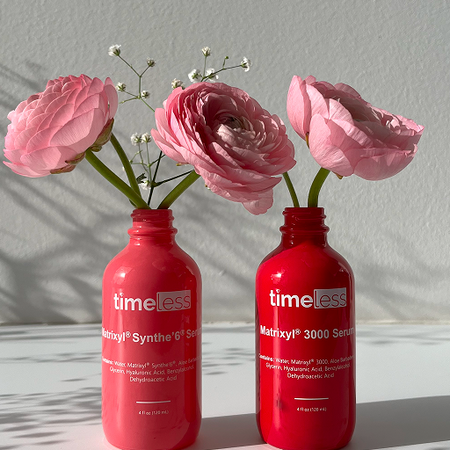
- Peptides: Our Matrixyl® 3000 Serum product is listed in our Peptides category.
- Barrier Support Ingredients: Vitamin B5 supports the skin barrier and helps the skin retain moisture. It also helps the skin feel more comfortable following targeted treatments.
- CoQ10: CoQ10 provides antioxidant support as the skin's natural CoQ10 levels decline with age. It helps improve the appearance of fine lines and supports firmer-looking skin. CoQ10 is generally used once daily. If you have vitiligo, check with your dermatologist before using a CoQ10 product. The Coenzyme Q10 product is listed in the CoQ10 category.
Step 5: Eye Treatment
Smooth a hydrating or peptide-based eye cream around the orbital area. Evening application can help keep this delicate zone moisturized through the night.
Step 6: Night Moisturizer or Barrier Cream
Evening moisturizers are typically richer than daytime lotions and may contain fatty acids, ceramides, and emollients. Applying a richer layer helps reduce moisture loss while you sleep.
Step 7: Facial Oil (Optional)
If your skin experiences persistent dry patches, finishing your routine with a facial oil may provide an extra layer of comfort. Squalane or argan oil helps soften dry areas. Because oils are lipid-based, they are generally patted on top of your moisturizer rather than applied underneath it.
How to Layer Multiple Serums Without Irritation
Many people use more than one serum to address different skin priorities. Layering serums effectively requires attention to formulation weight, pH levels, and ingredient compatibility.
- Incorrect order: Heavy oil, rich cream, water serum, cleanser.
- Correct order: Cleanser, water serum, hydrating lotion, cream, oil.
Keep the sequence simple: apply water-thin liquids first, viscous gels second, and emulsion serums last.
The Three-Serum Rule
To help prevent pilling, use two or three serums per routine. Layering many products at once may increase the chance that ingredients will ball up on the surface rather than settle evenly.
If you have multiple serums targeting distinct concerns, consider dividing them between your morning and evening routines:
- Morning: Vitamin C antioxidant serum followed by a lightweight humectant.
- Evening: Specialized peptide blend followed by a barrier support serum or nighttime retinoid.
The Hyaluronic Acid 100% Pure product is listed in the Hydration category.
Understanding Ingredient Conflicts
Certain active ingredients may be easier to manage when used at different times. Alternating these actives can make your routine more comfortable:
- Vitamin C and Direct Acids: L-ascorbic acid is used in an acidic formulation. Using Vitamin C in the morning and chemical exfoliants at night may make the routine easier to manage. Pair morning Vitamin C use with broad-spectrum sunscreen.
- Retinoids and Chemical Exfoliants: Using a retinoid and an exfoliating acid in the same evening routine may increase the likelihood of surface flaking. Alternate them on different nights.
- Antioxidant Rotation: You may swap different antioxidants between days. If your morning focuses on Vitamin C, your evening can feature CoQ10 or botanical extracts.
Managing Expectations and Routine Consistency
Visible cosmetic changes may take time and vary from person to person. A consistent sequence can make it easier to evaluate how your routine works for your complexion.
| Ingredient Type | Possible Appearance Focus |
|---|---|
| Humectants (Hyaluronic Acid) | helps support hydration in the upper layers of the epidermis; helps improve the appearance of dehydration lines |
| Vitamin C | helps brighten the look of dullness and uneven tone |
| Peptides | may help support the appearance of firmness |
| Retinoids | Fine lines and skin texture refinement |
Cosmetic improvements vary across individuals. Differences in skin thickness, genetics, daily sun exposure, and environment can influence personal results. Evaluate a routine after using it consistently.
Individual reactions vary across different formulas. Anyone with a known sensitivity or diagnosed skin condition should check with their dermatologist before introducing new concentrated actives.
Frequently Asked Questions
How long should I wait between applying each skincare step?
Most skincare products do not require extended wait times between steps. You can apply your next product as soon as the previous layer feels absorbed and no longer tacky, which generally takes 30 to 60 seconds. The main exception is broad-spectrum sunscreen. Allow your daytime moisturizer to dry completely for one to two minutes so your sunscreen can form an even protective layer across your skin.
Can I apply hyaluronic acid on dry skin?
Hyaluronic acid can be applied to dry skin, although slightly damp skin is a common approach. It helps attract, bind, and retain water in the outer layers of the skin. Following your humectant serum with a moisturizer helps reduce moisture loss.
Should I use my eye cream before or after my face moisturizer?
Apply eye cream before your facial moisturizer. Eye creams are designed for the delicate skin around the eyes. Applying a thick facial cream first may make layering less comfortable. Dab your eye cream along the orbital bone after your serums and finish by applying your facial moisturizer to the rest of your face.
What should I do if my skincare products start pilling?
Skincare pilling occurs when products form small, rubbery flakes on the surface of your skin instead of settling evenly. Pilling typically happens when you apply products out of order, layer too many silicone-heavy formulas, apply products too quickly, or use too much product at once. To prevent pilling, apply your products from thinnest to thickest, reduce the amount of product used, and give each layer a moment to settle before applying the next.