Introduction
Layering skincare can feel complicated when you look at a counter full of bottles. You might wonder if a serum belongs before an oil or whether an eye cream goes on after your moisturizer. Getting the sequence right can help products reach the surface of your skin with less obstruction.
The order in which you apply topical products can influence how well they perform. Heavy creams applied too early may create a barrier that makes it harder for lighter fluids to reach the skin. Applying formulas in the proper progression can help each step serve its purpose.
At Timeless Skin Care, we focus on simple formulations with clear purposes. Founded in 2009 by Veronica Pedersen, our approach centers on high concentrations of active ingredients made in the USA in small batches. Knowing what order skincare belongs in will help you get the most out of your daily routine. For help organizing your steps, use our skincare quiz.
Quick Answer: Skincare products generally go on from thinnest consistency to thickest. Start with cleansing, move to lightweight water-based liquids and serums, apply thicker creams, and finish with broad-spectrum sunscreen in the morning or facial oil at night.
The Core Principles of Product Layering
Skincare layering relies on two straightforward physical principles: texture density and base composition. When you understand these foundational concepts, you can organize any routine without memorizing endless product combinations.
Thinnest to Thickest Consistency
Liquids with a light, watery texture absorb rapidly into the surface. Thicker creams, lotions, and balms contain structural agents, waxes, and lipids that remain on the surface longer. If you place a rich cream on your face first, a watery treatment may be less able to reach the skin.
Start your routine with light liquids and progress toward heavier textures. Toners and essences come first, followed by fluid serums, gel moisturizers, rich creams, and finally dense face oils.
| Step Order | Product Texture | Example Product Type | Primary Function |
|---|---|---|---|
| 1 | Watery / Liquid | Cleanser / Rinse | Surface purification |
| 2 | Thin fluid | Toner / Essence | Surface prep and balancing |
| 3 | Light fluid / Gel | Water-based Serum | Targeted delivery |
| 4 | Viscous fluid / Emulsion | Oil-based Serum / Eye Cream | Targeted area conditioning |
| 5 | Cream / Lotion | Daily Moisturizer | Hydration and barrier support |
| 6 | Heavy liquid / Oil | Facial Oil (PM) | Surface emollience |
| 7 | Mineral / Chemical lotion | Broad-Spectrum SPF (AM) | Daily UV defense |
Water Before Oil
Water and oil do not mix naturally. Water-based formulas may not easily pass through an oil film. Because oils and dense lipid creams sit on the surface, a water-soluble ingredient applied over them may have more difficulty reaching the skin.
Apply water-soluble solutions directly to clean skin or over other lightweight water solutions. Save your oil-based formulas, facial oils, and rich occlusives for the end of your regimen.
Key Takeaway: Applying water-based treatments before oil-based layers can help each ingredient contact the skin surface without fighting through a lipid barrier.


Your Morning Skincare Order Step by Step
A daytime routine focuses primarily on hydration and environmental defense. During the day, your skin encounters sunlight, wind, and airborne pollutants. Your morning steps prepare your skin to face these environmental stressors while maintaining adequate surface moisture.
-
Gentle CleanserWashing your face in the morning removes sweat, overnight oil, and any residual evening products. A gentle splash of lukewarm water or a mild, non-stripping cleanser refreshes the skin. Those with very dry skin might prefer water alone, while oily skin types may prefer a light gel wash.
-
Hydrating Toner or EssenceIf you choose to use a toner, select one that offers light hydration. Avoid old-fashioned astringents with high alcohol levels that leave the skin dry. Sweep or pat your toner across your face to prep the surface for subsequent steps.
-
Antioxidant SerumMorning is a common time to apply an antioxidant treatment. An antioxidant helps defend against oxidative stress caused by environmental factors such as UV exposure and pollution. L-ascorbic acid is the most researched form. Topical vitamin C helps brighten the look of dullness and uneven tone. Formulation details like stability, packaging, and an acidic pH for L-ascorbic acid may influence performance alongside concentration. Other antioxidants include Coenzyme Q10 and ferulic acid.
-
Hydrating SerumLayering a water-based humectant can support surface hydration throughout the day. Hyaluronic acid is a humectant, not a moisturizer. It helps attract, bind, and retain water in the outer layers of the skin. It helps improve the appearance of dehydration lines.
-
Eye CreamThe skin around the orbital bone is delicate and shows dryness easily. Dab a small amount of eye cream using your ring finger along the orbital bone before applying your heavier facial moisturizer.
-
Daily MoisturizerA daytime moisturizer helps reduce transepidermal water loss (TEWL), the water that evaporates from the skin's surface. Choose a texture that matches your skin type: a gel cream for oily complexions or a richer lotion for dry skin types.
-
Broad-Spectrum SunscreenSunscreen is a non-negotiable step every morning, regardless of the weather or your indoor plans. UV rays penetrate clouds and standard window glass. Apply a generous amount of broad-spectrum sunscreen with an SPF rating of 30 or higher as your absolute final skincare step. Allow your sunscreen to dry before applying makeup.
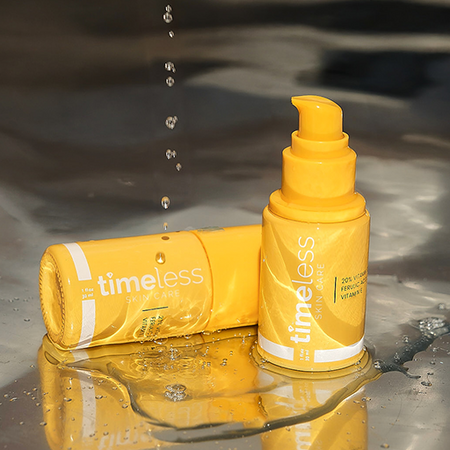
For category browsing, see the 20% Vitamin C + E Ferulic Acid Serum in the Vitamin C category.
Your Evening Skincare Order Step by Step
Nighttime routines focus on removing the day's buildup and applying targeted cosmetic ingredients while you rest.
-
First Cleanse (Makeup and Sunscreen Removal)Sunscreen and foundation resist plain water by design. Begin your evening routine with a cleansing oil, cleansing balm, or micellar water to break down oil-soluble debris, makeup, and daily grime.
-
Second Cleanse (Water-Based Wash)Follow your initial cleanse with a gentle water-based face wash. This step lifts away any remaining cleansing oil, dead surface cells, and sweat, leaving the skin clean and ready for treatment products.
-
Exfoliation (Two to Three Times Weekly)Chemical exfoliants like alpha-hydroxy acids (glycolic or lactic acid) or beta-hydroxy acids (salicylic acid) remove dead skin cell buildup. Limit exfoliation to two or three nights per week to maintain comfort. Do not apply exfoliating acids on the same evening you use strong retinoid treatments unless directed by a professional.
-
Treatment SerumsNighttime provides the opportunity to address specific concerns like firmness, fine lines, or texture.
- Peptides: May help support the appearance of firmness.
- Vitamin B5: Supports the skin barrier and helps the skin retain moisture. It helps the skin feel more comfortable.
- CoQ10: Ubiquinone provides antioxidant support as the skin's natural CoQ10 levels decline with age. It helps improve the appearance of fine lines. It supports firmer-looking skin.
- Retinoids: Retinol and other vitamin A derivatives may help smooth the look of uneven tone.
-
Eye CreamReapply your eye cream at night to condition the under-eye area and reduce dryness while you sleep. Gently tap it around the orbital rim without rubbing the fragile skin.
-
Night MoisturizerNight creams tend to be richer than daytime lotions. A quality night cream helps reduce moisture loss while you sleep and can help keep the skin supple through the night.
-
Facial Oil (Optional)If your skin experiences persistent dryness, finishing with a facial oil can provide supplemental surface lipids. Because oils sit on the outermost layer, apply them as the final step over your night cream.
For category browsing, see the Coenzyme Q10 Serum in our Antioxidant category.
How to Layer Multiple Serums Effectively
Many people use more than one serum to address different cosmetic concerns. When layering multiple treatments, following a few practical rules can help prevent product pilling and support surface contact. For additional guidance, read how to layer multiple serums.
The Rule of Viscosity
When combining multiple serums, always apply the thinnest liquid first. If you have a watery L-ascorbic acid serum and a slightly thicker hyaluronic acid gel, apply the watery solution, let it settle briefly, and follow with the gel.
Water-Based Before Anhydrous and Oil Solutions
Check the base of your treatments. Water-soluble formulas go directly on bare skin. Anhydrous (water-free) solutions, suspensions, and facial oils must follow water-based steps.
Target Primary Concerns First
If you use two serums of identical water-based consistency, apply the one targeting your primary skin concern first.
Managing Active Ingredients
Certain ingredients work best at specific times or on alternating days:
- Vitamin C: Morning use is the most common recommendation, not the only option. Pair morning use with broad-spectrum sunscreen.
- Exfoliating Acids and Retinoids: Using them simultaneously can cause redness and dryness. Rotate them on alternating evenings instead.
- Peptides and Direct Acids: Use direct acids and peptide serums at different times of day or on separate evenings.
Note: Individual skin reactions vary widely. Anyone with a known sensitivity or diagnosed skin condition should check with their dermatologist when introducing new active ingredients. If you have vitiligo, check with your dermatologist before using a CoQ10 product.
Setting Realistic Expectations for Skincare Results
Visible changes in skin tone, smoothness, and firmness take patience. Consistent use can support cosmetic results.
A hydrating humectant helps support hydration in the upper layers of the epidermis.
Consistency matters more than having an elaborate ten-step routine. A simple regimen of a gentle cleanser, a targeted serum, a reliable moisturizer, and daily broad-spectrum sunscreen used consistently can be easier to maintain than a complex routine practiced sporadically.
Cosmetic results vary based on genetics, age, environmental exposure, and daily habits. Focus on steady progress and skin comfort rather than expecting instantaneous results.
Frequently Asked Questions
Can I apply my moisturizer while my face is still damp from serum?
Applying moisturizer while your skin is slightly damp from a hydrating serum helps reduce transepidermal water loss (TEWL), the water that evaporates from the skin's surface. Allow strong acid treatments or L-ascorbic acid serums to settle for thirty to sixty seconds first so their acidic pH is not immediately diluted.
How long should I wait between skincare steps?
Most skincare steps do not require long waiting intervals. You can move to the next product as soon as the previous layer has settled and no longer feels wet on your skin. The primary exception is sunscreen, which should set fully before you apply base makeup.
What should I do if my products start pilling when I layer them?
Pilling happens when products fail to absorb and roll up into small flakes on the skin. This issue usually occurs when you apply too much product, layer silicone-heavy formulas over water-based items too quickly, or do not allow sufficient time between dense layers. Reduce the amount of product used and apply lighter textures first.
Is an eye cream strictly necessary before my face moisturizer?
An eye cream is an optional step tailored for the thinner skin around the eye contour. If your facial moisturizer is fragrance-free, gentle, and non-irritating, it may provide sufficient surface hydration. However, dedicated eye formulas may offer lighter textures designed to sit comfortably under makeup.